
About the Counting Money Generator
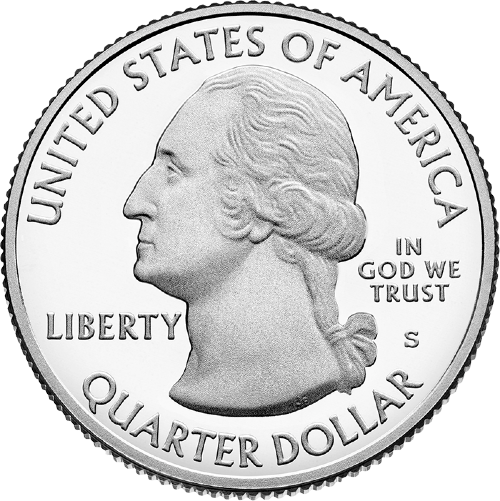
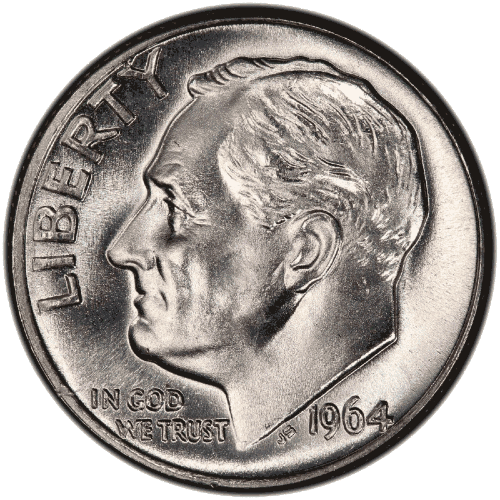
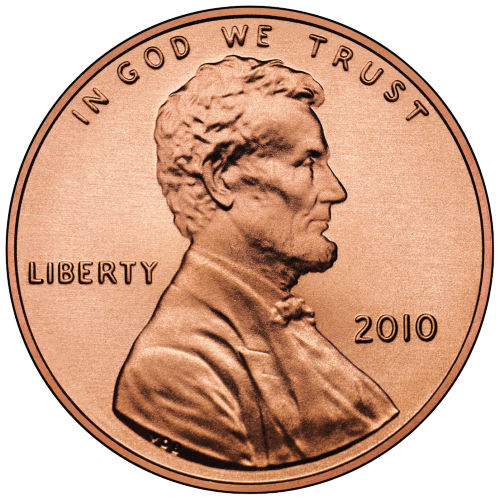
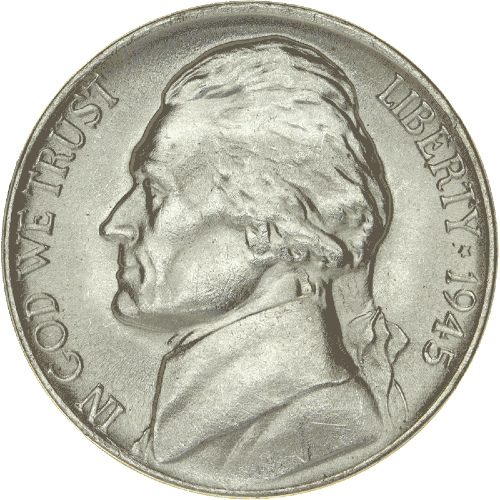
Counting mixed coins is one of those skills that looks simple until a student is staring at three dimes, a nickel, and two pennies and has to actually add them up. This generator draws a random mix of pennies, nickels, dimes, and quarters for each problem and asks students to find the total — no manipulatives to pass out, no coins to lose track of.
The number of coins per problem is adjustable, so you can start with two or three coins for students just learning coin values and work up to a fuller handful as they get faster.
How to use it in your classroom
- Set how many problems you want on the sheet.
- Set the maximum number of coins that can appear in a single problem.
- Click shuffle for a new set of random coin combinations.
- Turn on the answer key for a grading copy, then print the blank version for students.
Tips from the classroom
- Start with a low max-coins setting for students who are still learning coin values, then raise it as a fluency check later in the unit.
- A copy with the answer key on makes a fast self-checking station for early finishers.
- Pair this with real coins for students who need the hands-on step before moving to a worksheet alone.
- Shuffle a few times and print several versions for partner work, so partners aren't comparing identical problems.
Frequently asked questions
What coins does the generator use?
Pennies, nickels, dimes, and quarters — the standard four U.S. coin values.
Can I control how many coins appear in each problem?
Yes, the max coins slider sets the upper limit, and each problem then uses a random number of coins up to that limit.
Are the coin combinations the same every time?
No, each shuffle generates a new random set of problems, so reprinting gives you fresh combinations.