
Guatemalan Beaded Lizard
Heloderma charlesbogerti
An endangered venomous lizard that lives only in one dry valley in eastern Guatemala and helped lead to a diabetes medicine.
Checking teacher reviews…
About the Guatemalan Beaded Lizard
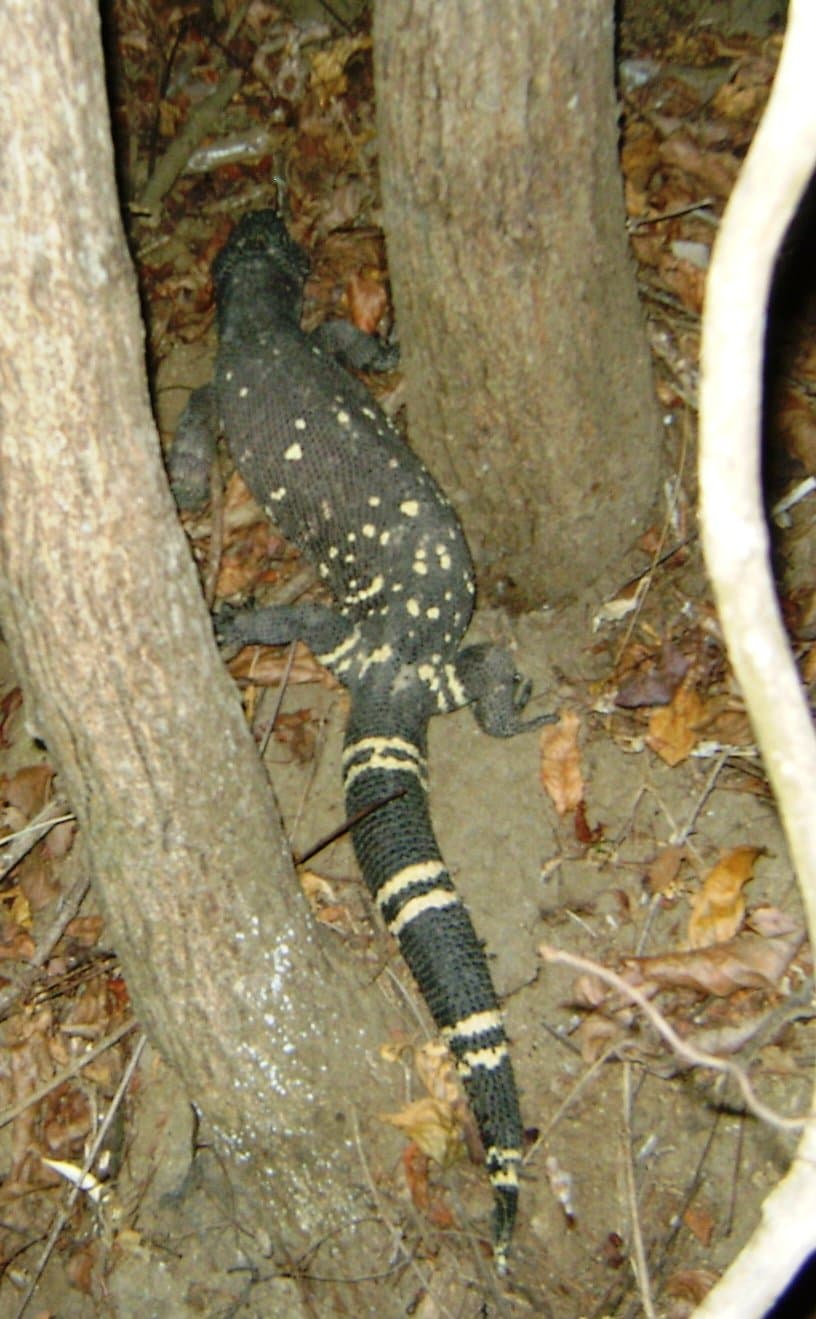
Guatemalan beaded lizards live only in the dry upper Motagua Valley of eastern Guatemala, a pocket of desert surrounded by mountains covered in humid forest. Their skin looks beaded because almost every scale has a tiny piece of bone inside. They move slowly, so instead of chasing prey they sniff out and dig up buried nests of eggs, baby birds and young mammals in the spring.[1]
Quick facts
- Scientific name
- Heloderma charlesbogerti[1]
- Lifespan
- 50 to 60 years.[1]
- Diet
- Carnivore. Eggs, nestling birds and young mammals dug from nests.[1]
- Habitat
- Dry scrub and cactus desert.[1]
- Where it lives
- Only the upper Motagua Valley of eastern Guatemala.[1]
- Babies
- Eggs laid in a deep burrow in early fall hatch about 250 days later.[1]
- Conservation status
- Endangered (IUCN Red List, assessed 2021).[2]
Fun facts
Vocabulary
- venomous
- Able to inject poison by biting or stinging.
- osteoderm
- A small bony plate inside the skin.
- hormone
- A chemical messenger in the body that controls how it works.
- rain shadow
- A dry area on one side of mountains that block rain clouds.
- endangered
- A conservation label meaning a species faces a very high risk of dying out in the wild.
See it in person
- Zoo AtlantaAtlanta, Georgia · All AnimalsSee this animal on the zoo's website ↗
Sources
- [1] Zoo Atlanta. “Guatemalan Beaded Lizard.” https://zooatlanta.org/animal/guatemalan-beaded-lizard/ (accessed 2026-10-02)
- [2] IUCN Red List of Threatened Species. “Heloderma charlesbogerti (Guatemala Beaded Lizard).” https://www.iucnredlist.org/species/181151381/181151790 (accessed 2026-10-02)
Facts last checked 2026-10-02.
More Lizards
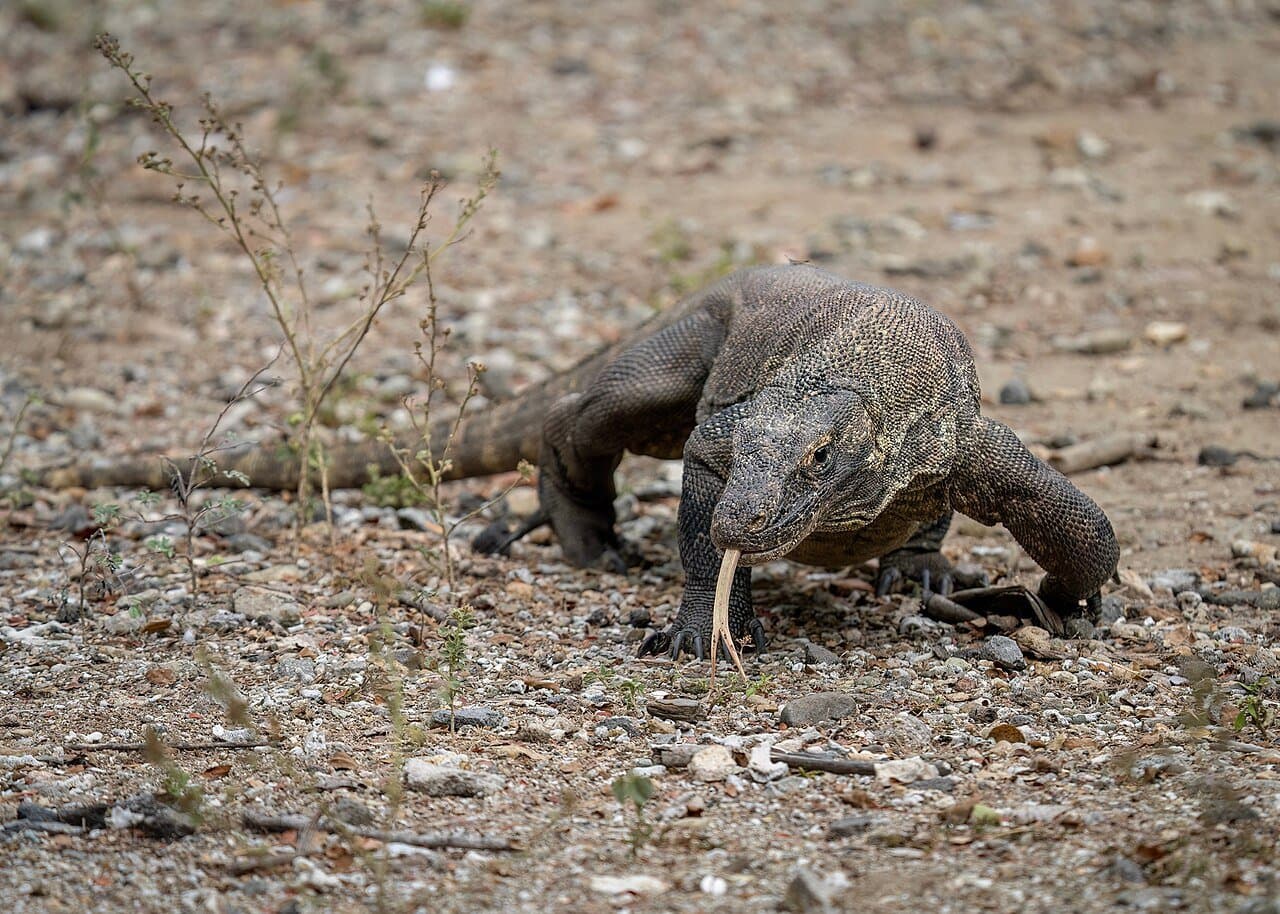 Komodo DragonVaranus komodoensisThe largest living lizard, a venomous predator found only on a few Indonesian islands that can smell food miles away.
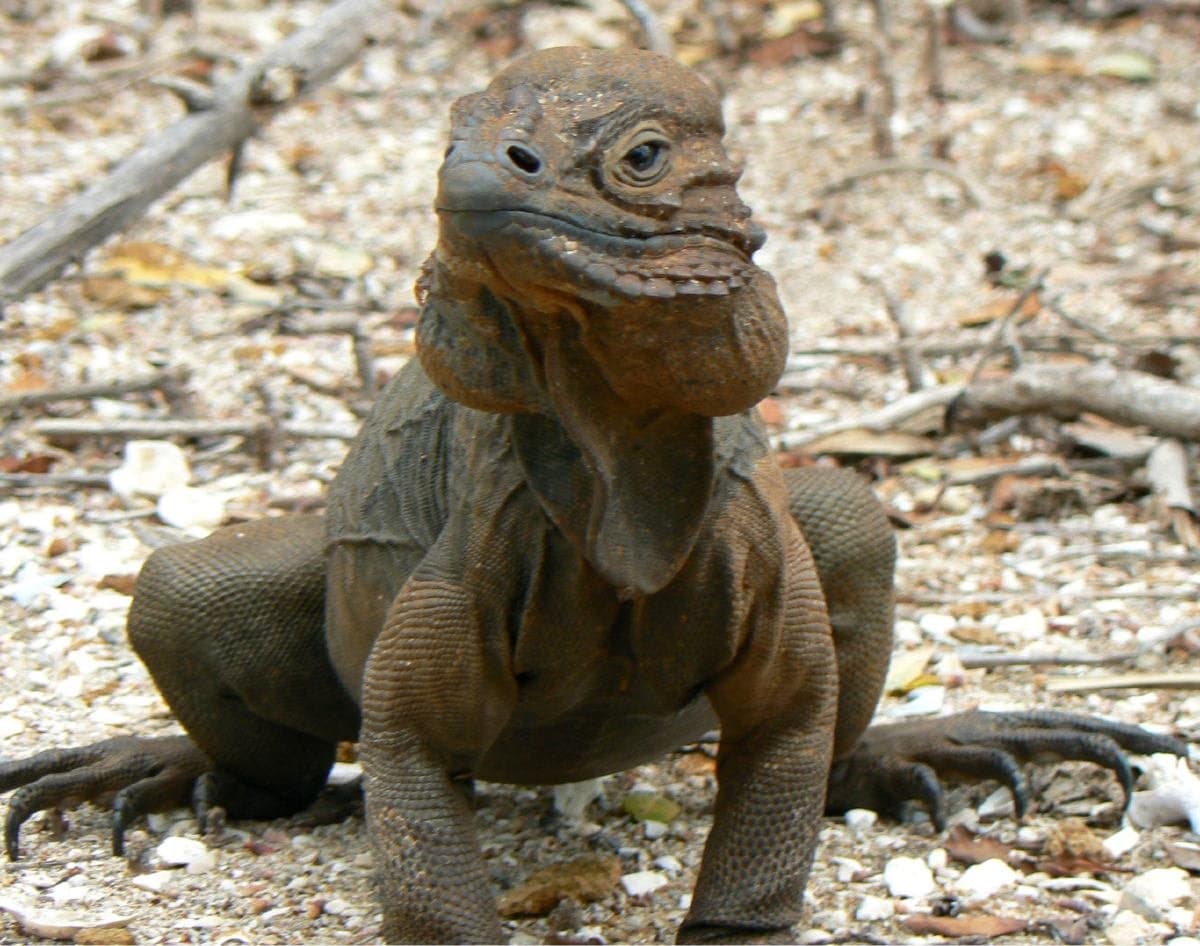 Rhinoceros IguanaCyclura cornutaAn endangered plant-eating lizard found only on the Caribbean island of Hispaniola, named for the horn-like scales on its snout.
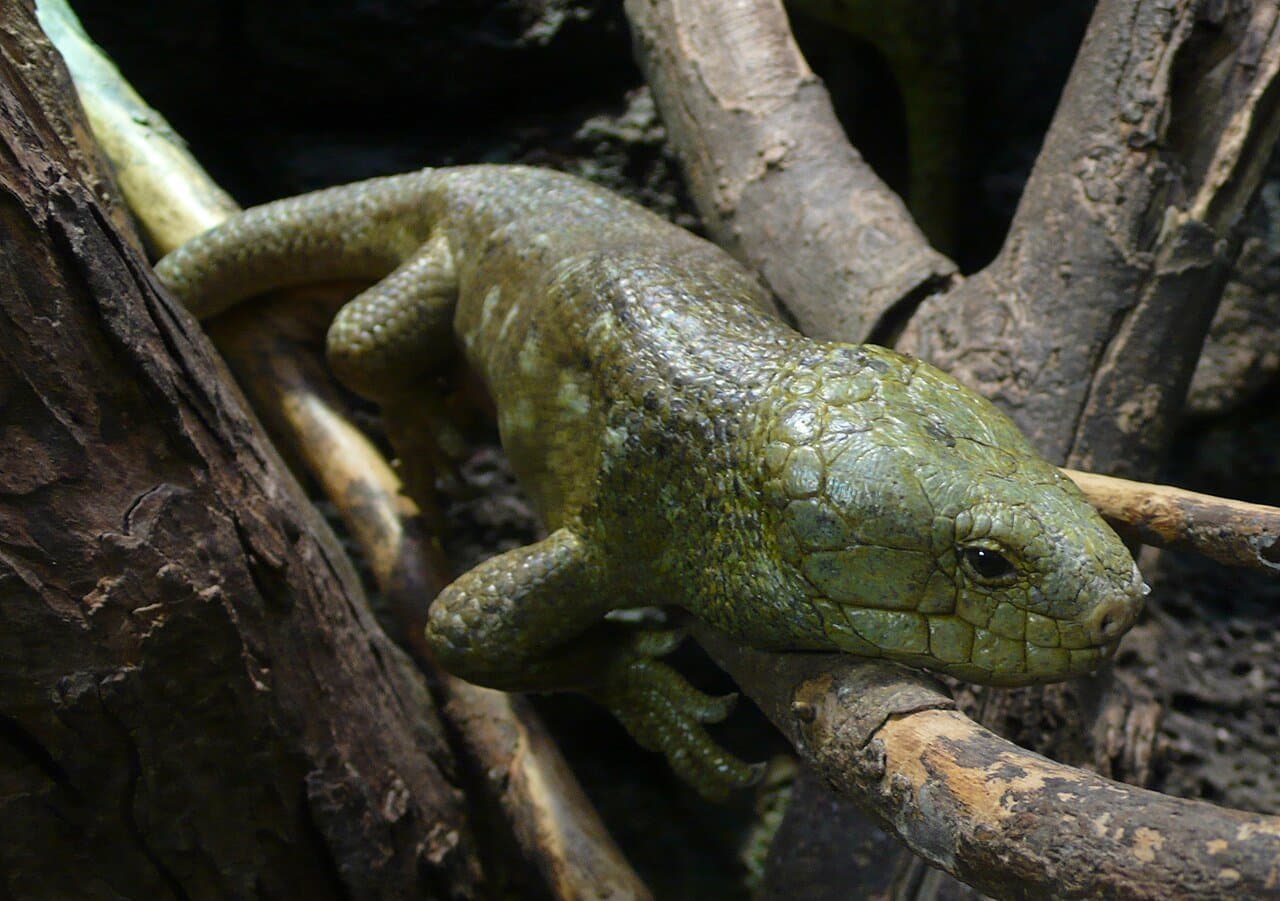 Solomon Islands SkinkCorucia zebrataThe world's largest skink, a tree-dwelling, mostly vegetarian lizard of the Solomon Islands with a tail that can grab branches.