
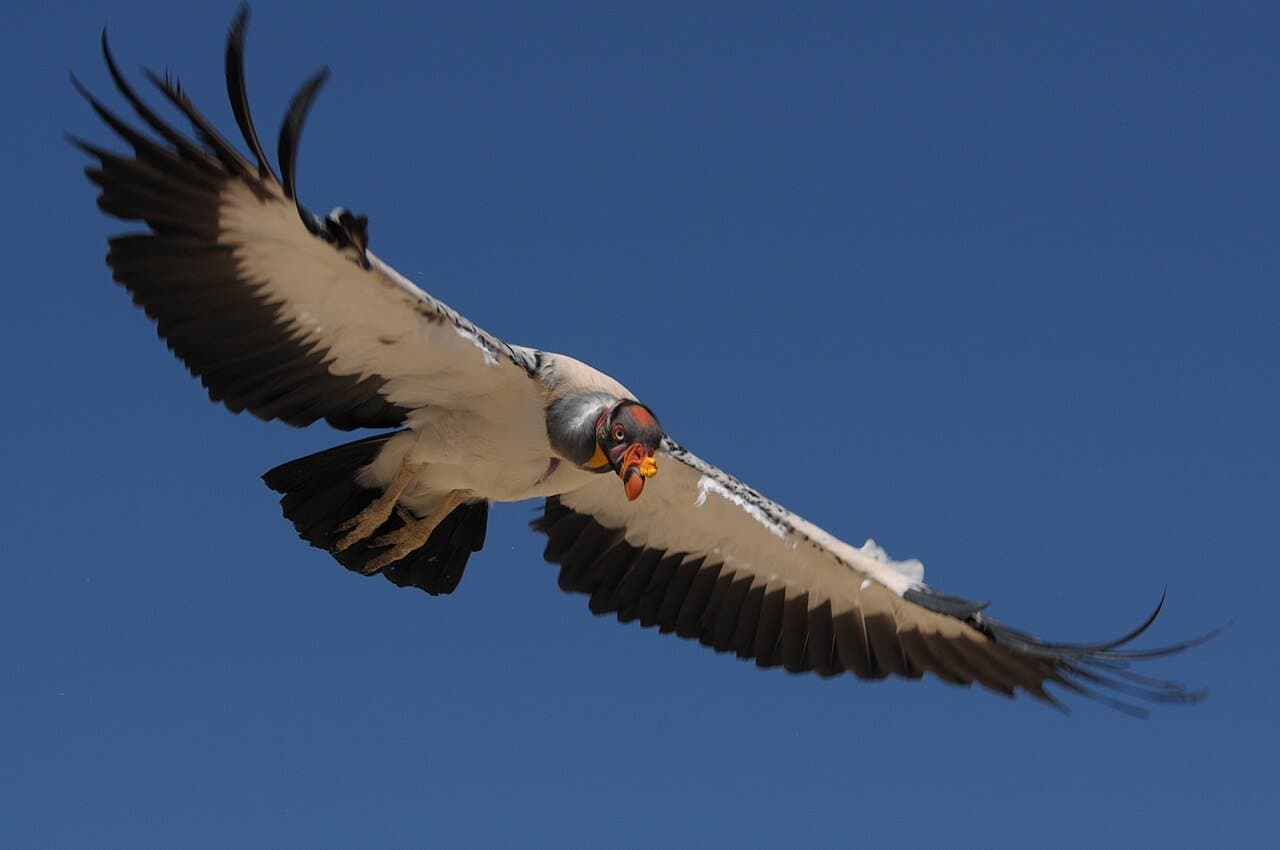
King Vulture
Sarcoramphus papa
A large black-and-white vulture of tropical forests from Mexico to Argentina with a brightly colored head.
Checking teacher reviews…
About the King Vulture
King vultures live from southern Mexico to northern Argentina, usually over lowland rainforests and sometimes savannas. Their wings can stretch nearly 80 inches, letting them soar for a long time without flapping. They are scavengers that eat only dead animals. Because they are big and strong, they can tear open tough hides that smaller vultures can't, which helps the smaller vultures eat too.[1]
Quick facts
- Scientific name
- Sarcoramphus papa[1]
- Size
- Wingspan up to nearly 80 inches.[1]
- Diet
- Scavenger. Only eats animals that are already dead.[1]
- Habitat
- Mostly rainforests, plus secondary forests and savannas, usually below 1,000 m.[1]
- Where it lives
- Southern Mexico to northern Argentina.[1]
- Group life
- Pairs raise their young together. Gathers with other vultures only at carcasses.[1]
- Babies
- One egg, laid in a rock crevice or rotting tree stump.[1]
- Conservation status
- Least Concern (IUCN Red List, assessed 2016).[2]
Fun facts
Vocabulary
- scavenger
- An animal that feeds on dead animals or leftover food.
- carcass
- The body of a dead animal.
- convergent evolution
- When unrelated animals become alike because they live in similar ways.
- New World
- North, Central and South America.
- soar
- To fly high without flapping, riding on moving air.
See it in person
- Zoo AtlantaAtlanta, Georgia · All AnimalsSee this animal on the zoo's website ↗
Sources
- [1] Zoo Atlanta. “King Vulture.” https://zooatlanta.org/animal/king-vulture/ (accessed 2026-10-02)
- [2] IUCN Red List of Threatened Species. “Sarcoramphus papa (King Vulture).” https://www.iucnredlist.org/species/22697645/93627003 (accessed 2026-10-02)
Facts last checked 2026-10-02.
More Birds of Prey
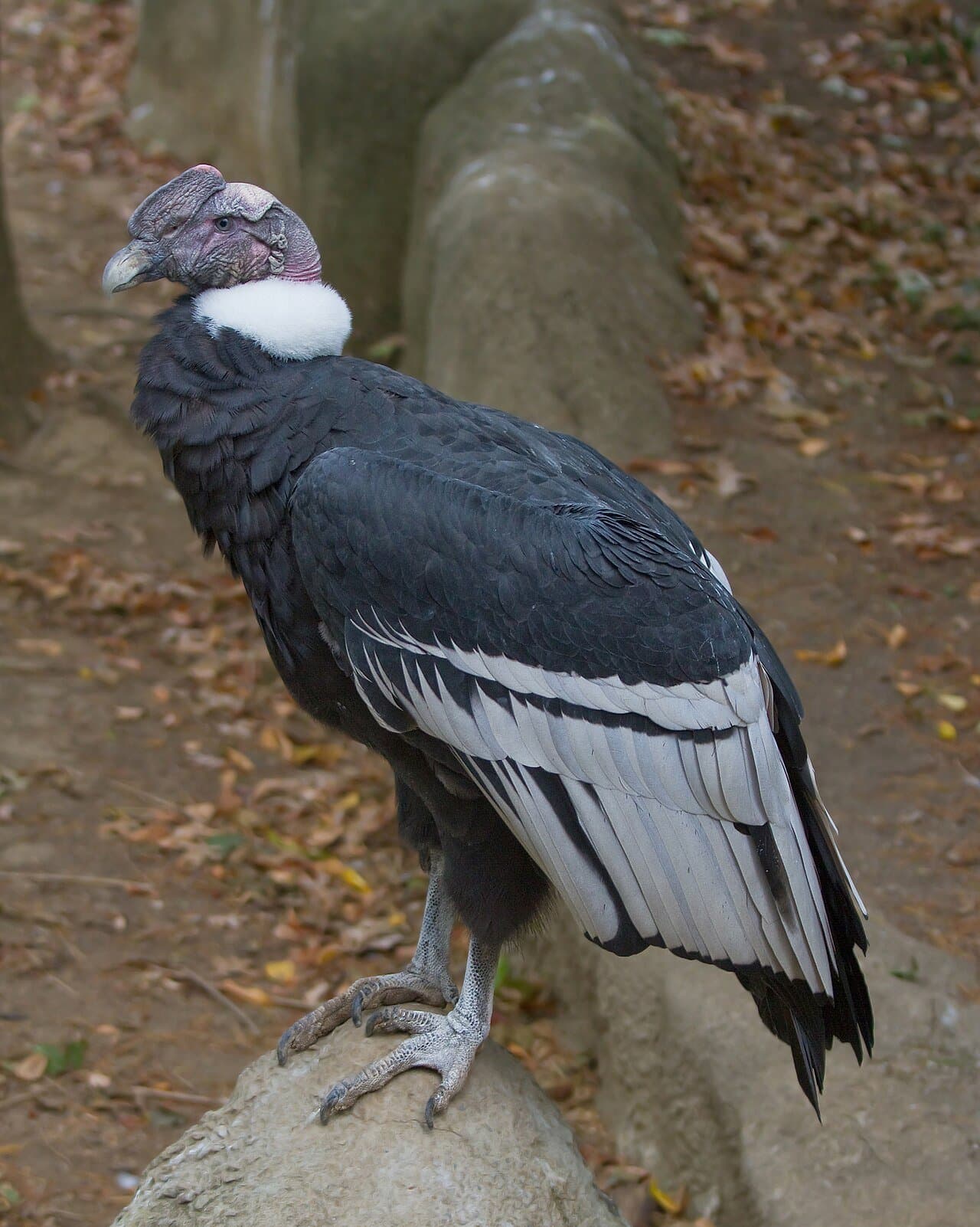 Andean CondorVultur gryphusA huge vulture of the Andes Mountains with a wingspan of about 3.2 meters, the longest of any land bird.
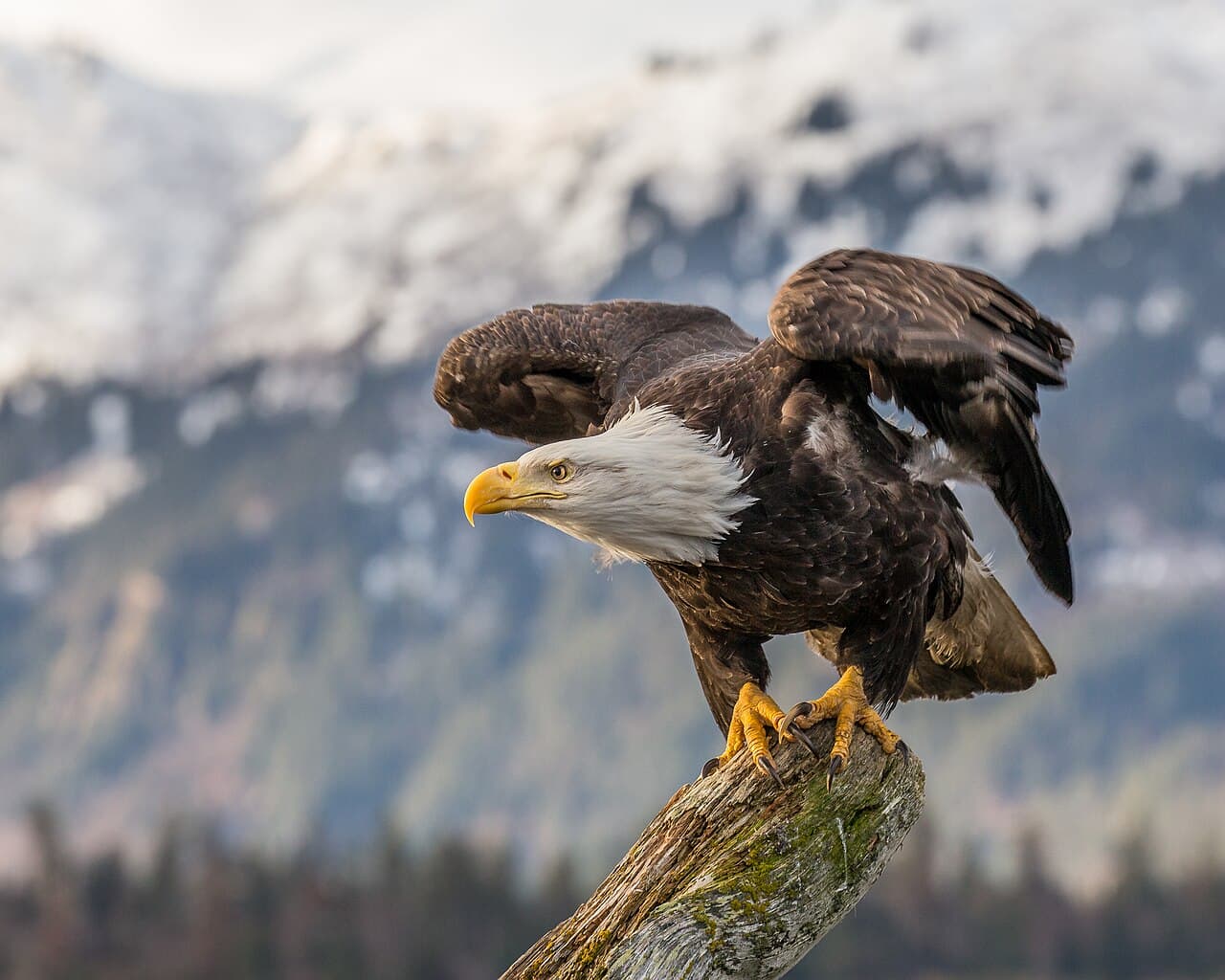 Bald EagleHaliaeetus leucocephalusThe national bird of the United States, a fish-eating eagle that came back from the edge of extinction.
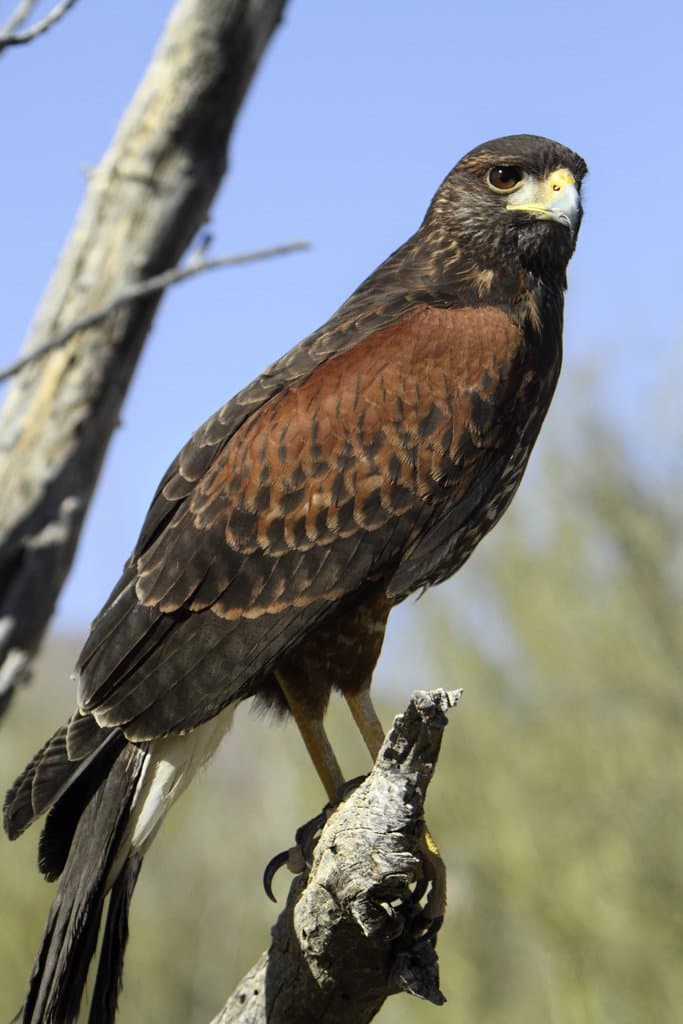 Harris's HawkParabuteo unicinctusA dark brown hawk of the Americas' dry lands, nicknamed the "wolf of the sky" because family groups hunt together.
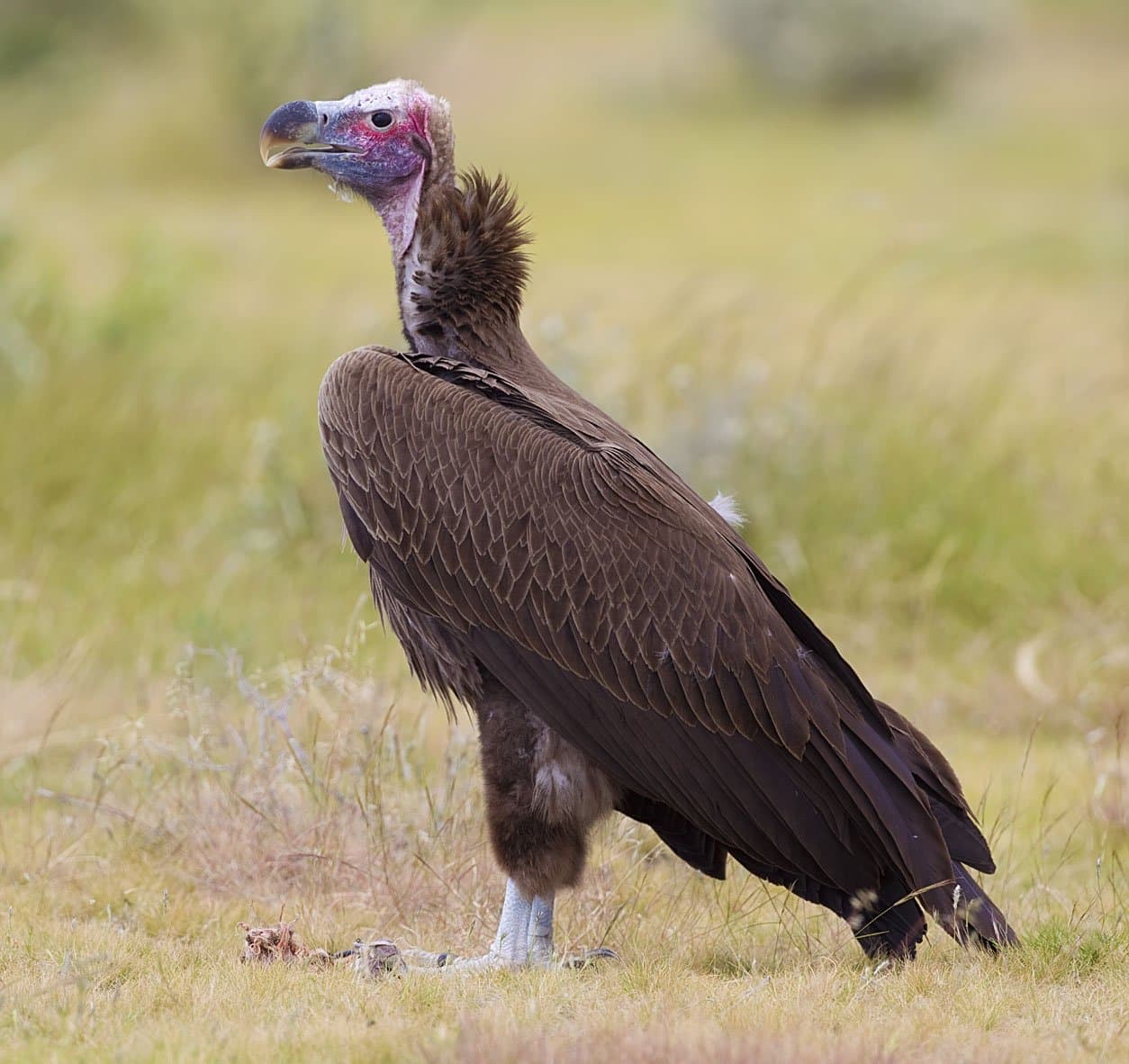 Lappet-Faced VultureTorgos tracheliotosAfrica's largest vulture, an endangered scavenger whose strong beak opens carcasses for other vultures.
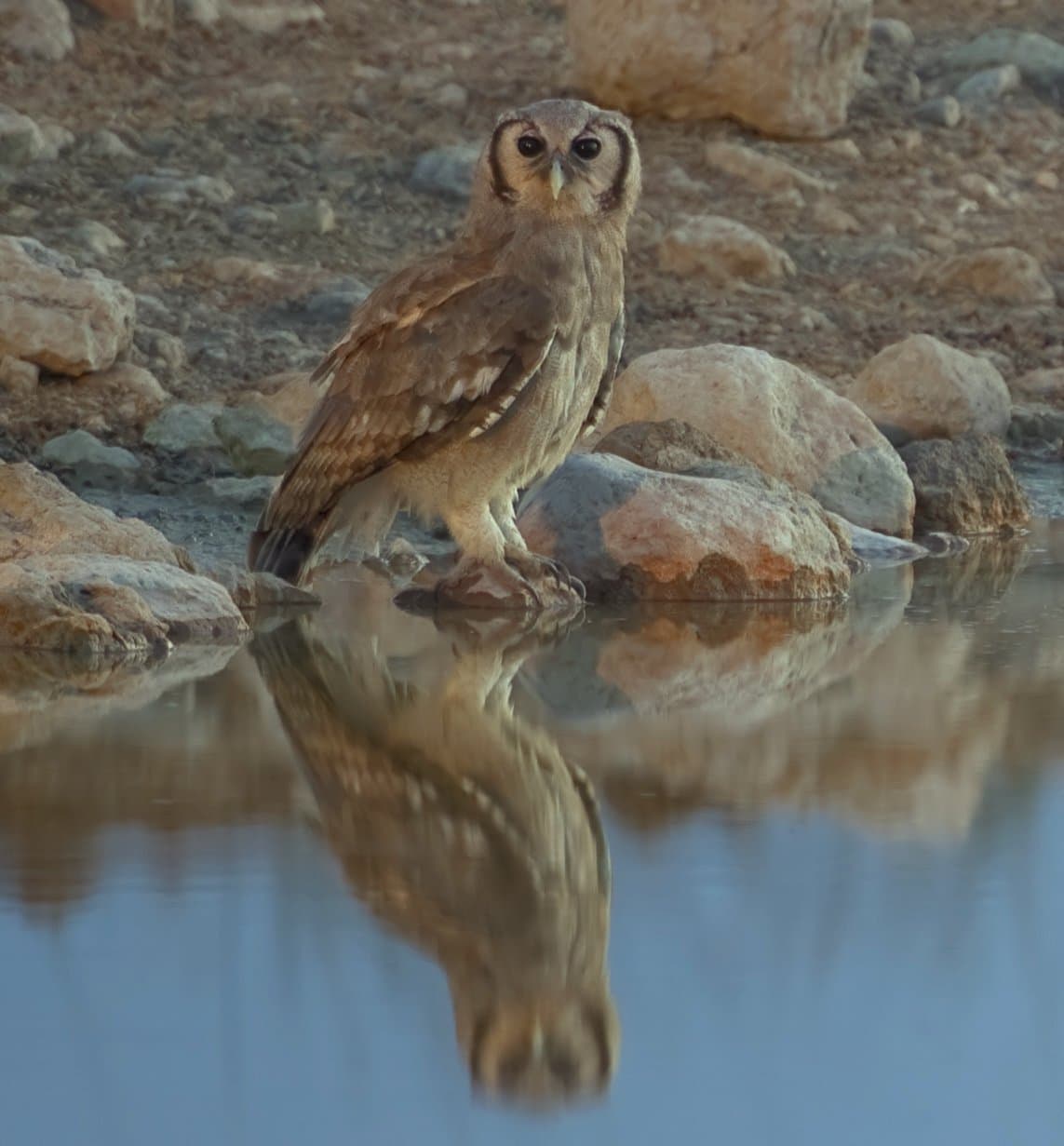 Milky Eagle OwlBubo lacteusOne of the world's larger owls, also called Verreaux's eagle-owl, with bare pink eyelids that show when it blinks.