
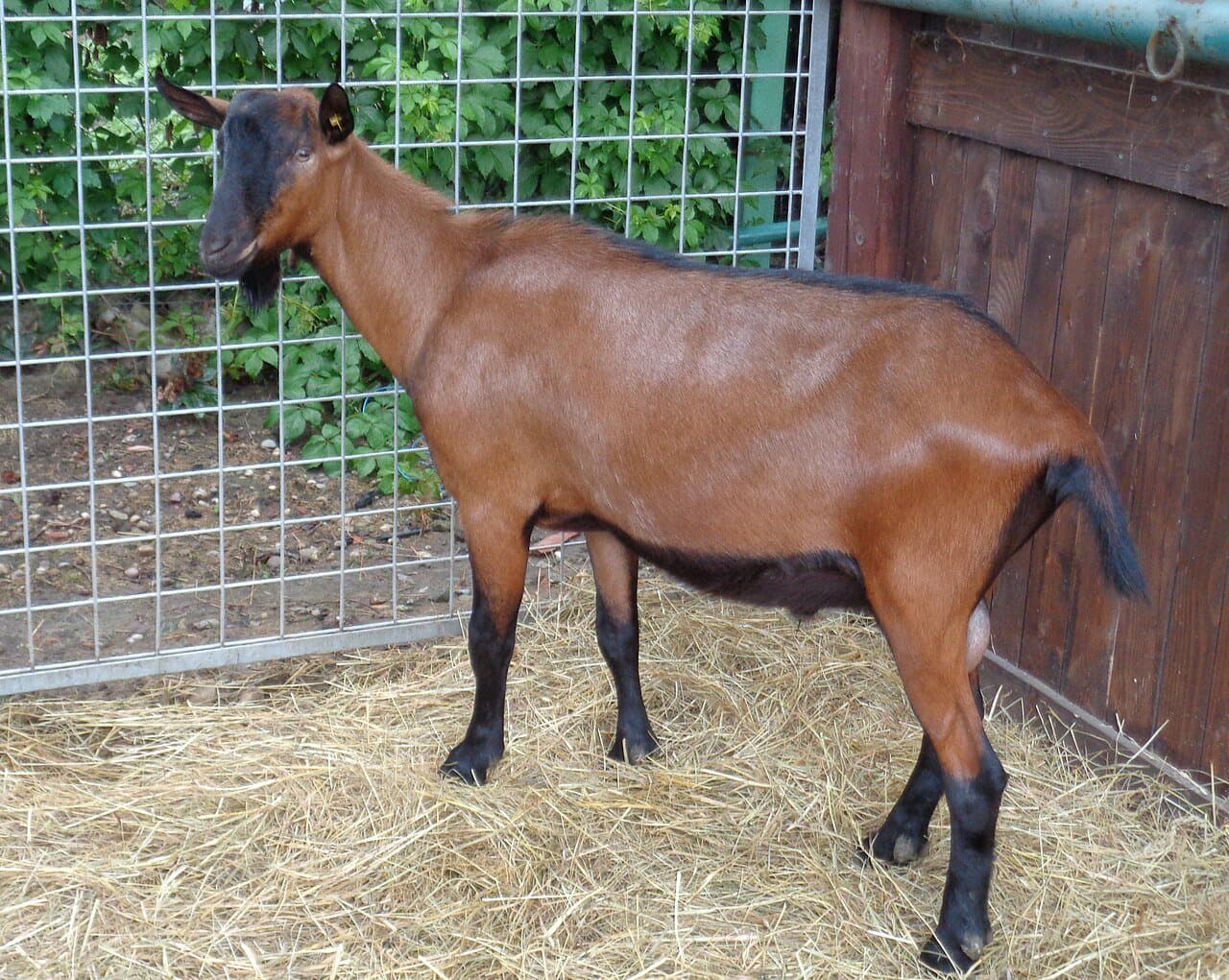
Oberhasli Goat
Capra aegagrus hircus
A reddish-brown Swiss dairy goat breed with black markings, prized for its milk and its sturdy, fearless nature.
Checking teacher reviews…
About the Oberhasli Goat
Oberhasli goats come from the Canton of Berne in Switzerland. They are light tan to deep reddish brown with black "points," and they have upright ears and straight faces. Females stand at least 28 inches tall and weigh 120 pounds or more. An Oberhasli can make about 1,600 pounds of milk a year.[1]
Quick facts
- Scientific name
- Capra aegagrus hircus[1]
- Size
- Females at least 28 inches at the withers. Males about 30 inches.[1]
- Weight
- Females 120 pounds or more. Males 150 pounds or more.[1]
- Lifespan
- About 10 years.[1]
- Diet
- Herbivore. Hay, plants, grain and produce.[1]
- Where it lives
- Developed in Switzerland; now kept worldwide, though purebreds are uncommon.[1]
- Babies
- Pregnancy lasts 148 to 156 days. Twins or triplets.[1]
Fun facts
Vocabulary
- domesticated
- Tamed and raised by people over many generations.
- breed
- A group of domestic animals that people have raised to share certain traits.
- points
- Darker coloring on an animal's face, legs and tail.
- purebred
- An animal whose parents are both the same breed.
- pack goat
- A goat trained to carry gear on hikes.
See it in person
- Zoo AtlantaAtlanta, Georgia · All AnimalsSee this animal on the zoo's website ↗
Sources
- [1] Zoo Atlanta. “Oberhasli Goat.” https://zooatlanta.org/animal/oberhasli-goat/ (accessed 2026-10-02)
Facts last checked 2026-10-02.
More Farm Animals
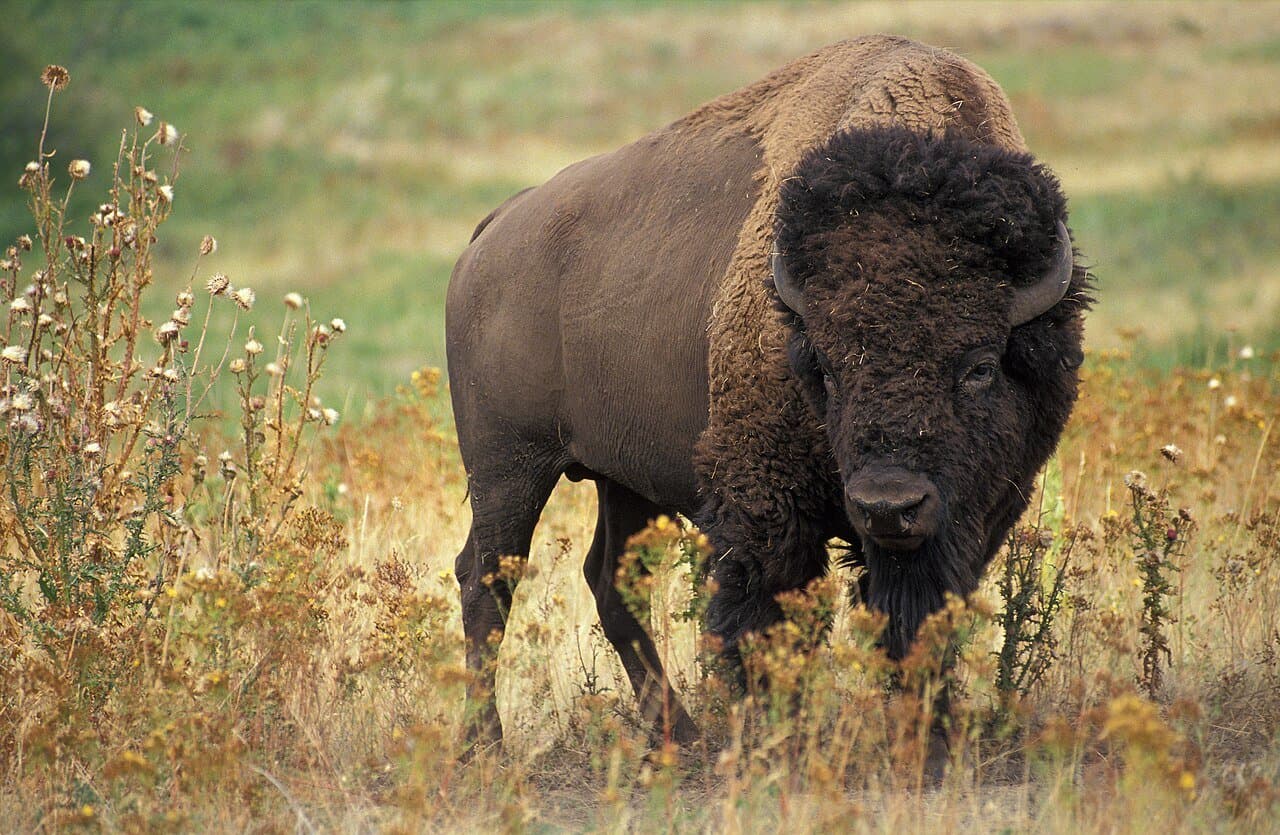 American BisonBison bisonA huge, shaggy grazer of North America that once numbered in the tens of millions and nearly disappeared.
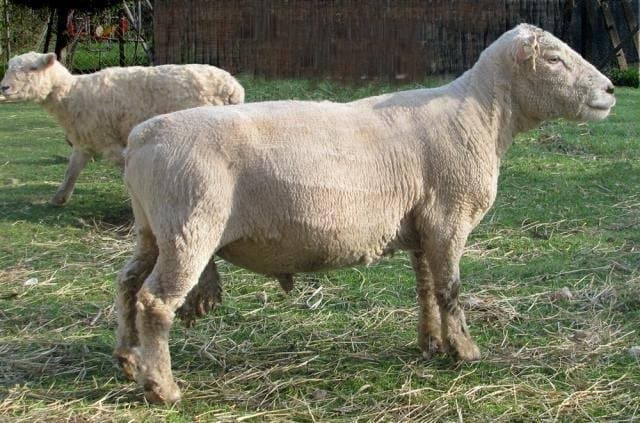 Babydoll Southdown SheepOvis ariesA small, teddy-bear-faced sheep breed from England's South Downs with some of the finest wool of any British breed.
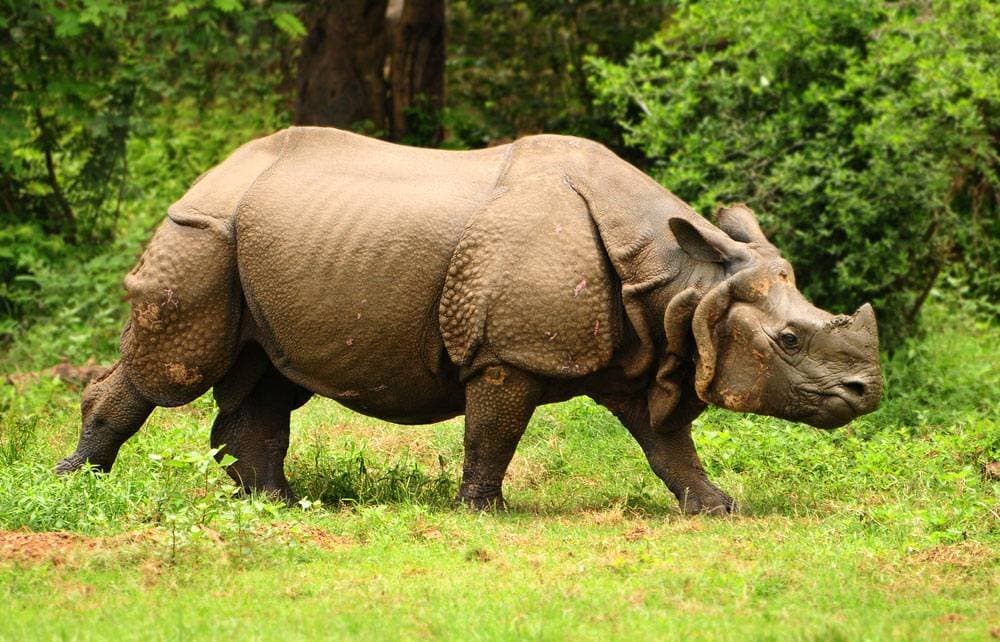 Greater One-Horned RhinocerosRhinoceros unicornisA huge, armor-looking rhino of India and Nepal with a single horn, whose numbers have recovered from about 150 animals to thousands.
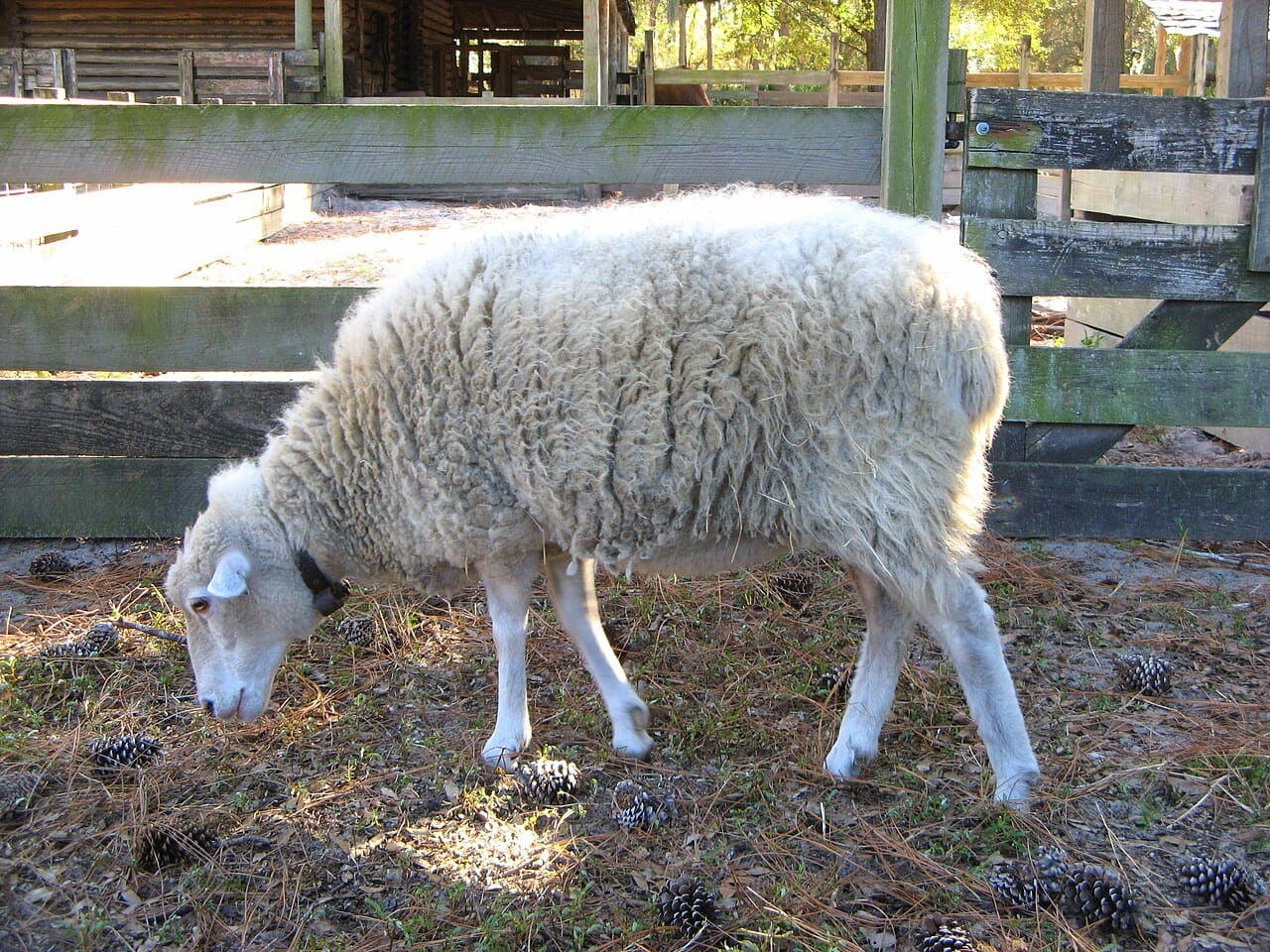 Gulf Coast Native SheepOvis ariesThe oldest type of sheep in the United States, a hardy breed descended from Spanish settlers' flocks that handles heat and humidity well.
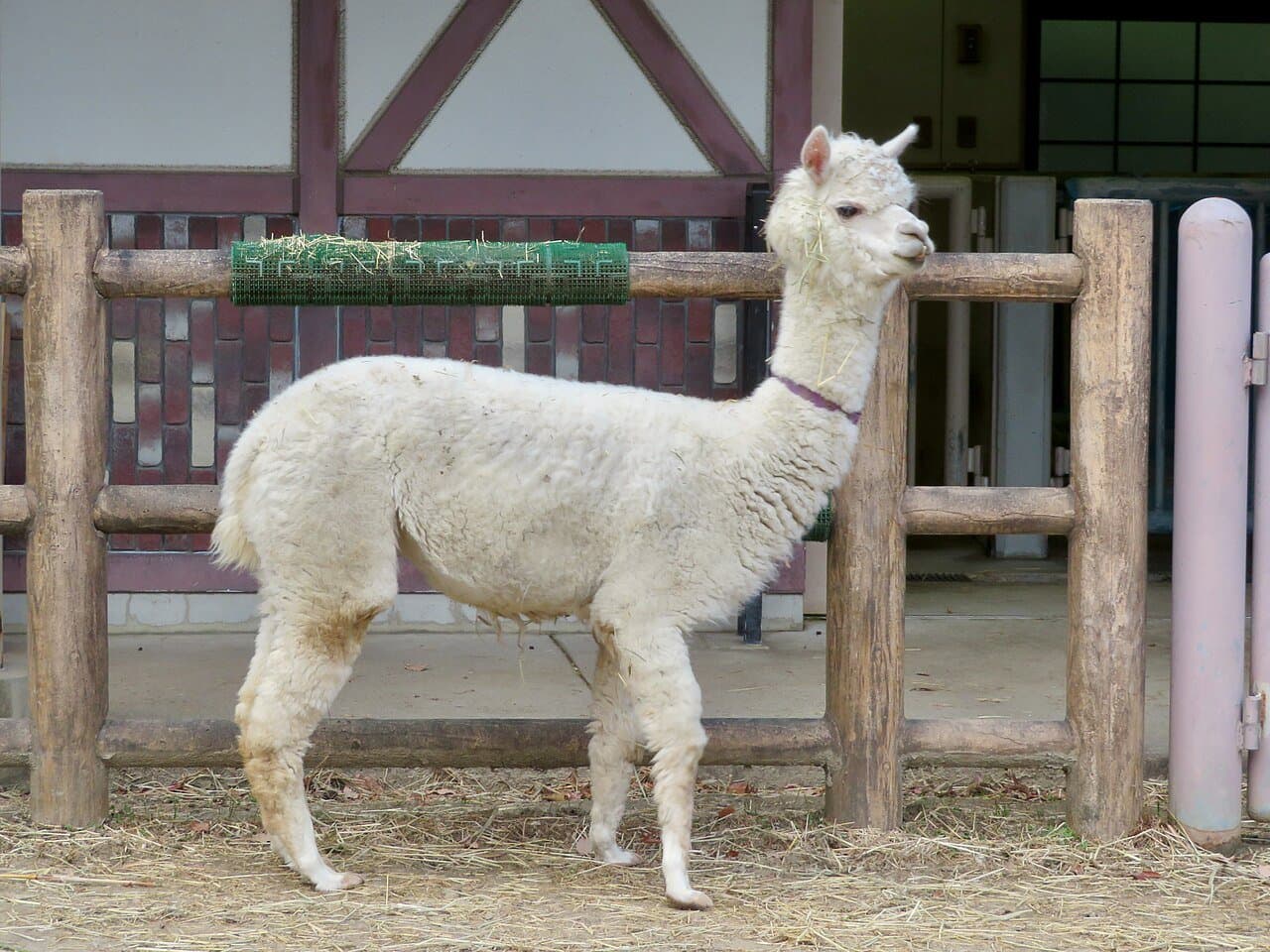 Huacaya AlpacaVicugna pacosA fluffy domestic alpaca first raised by Andean people in Peru more than 6,000 years ago for its soft, warm fleece.
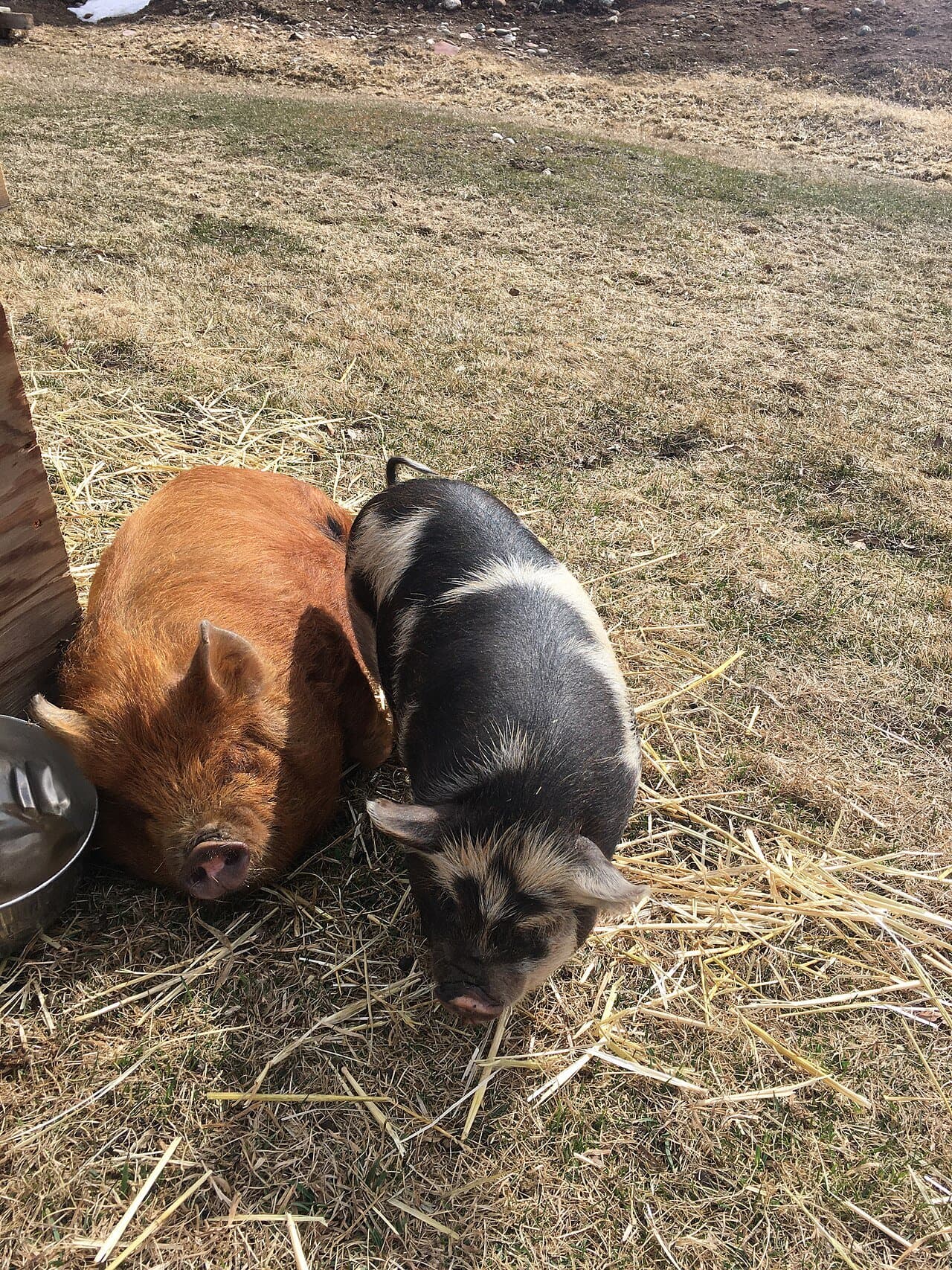 Kunekune PigSus scrofa domesticusA small, round, short-snouted pig breed kept by the Maori people of New Zealand, often with two tassels hanging from its chin.
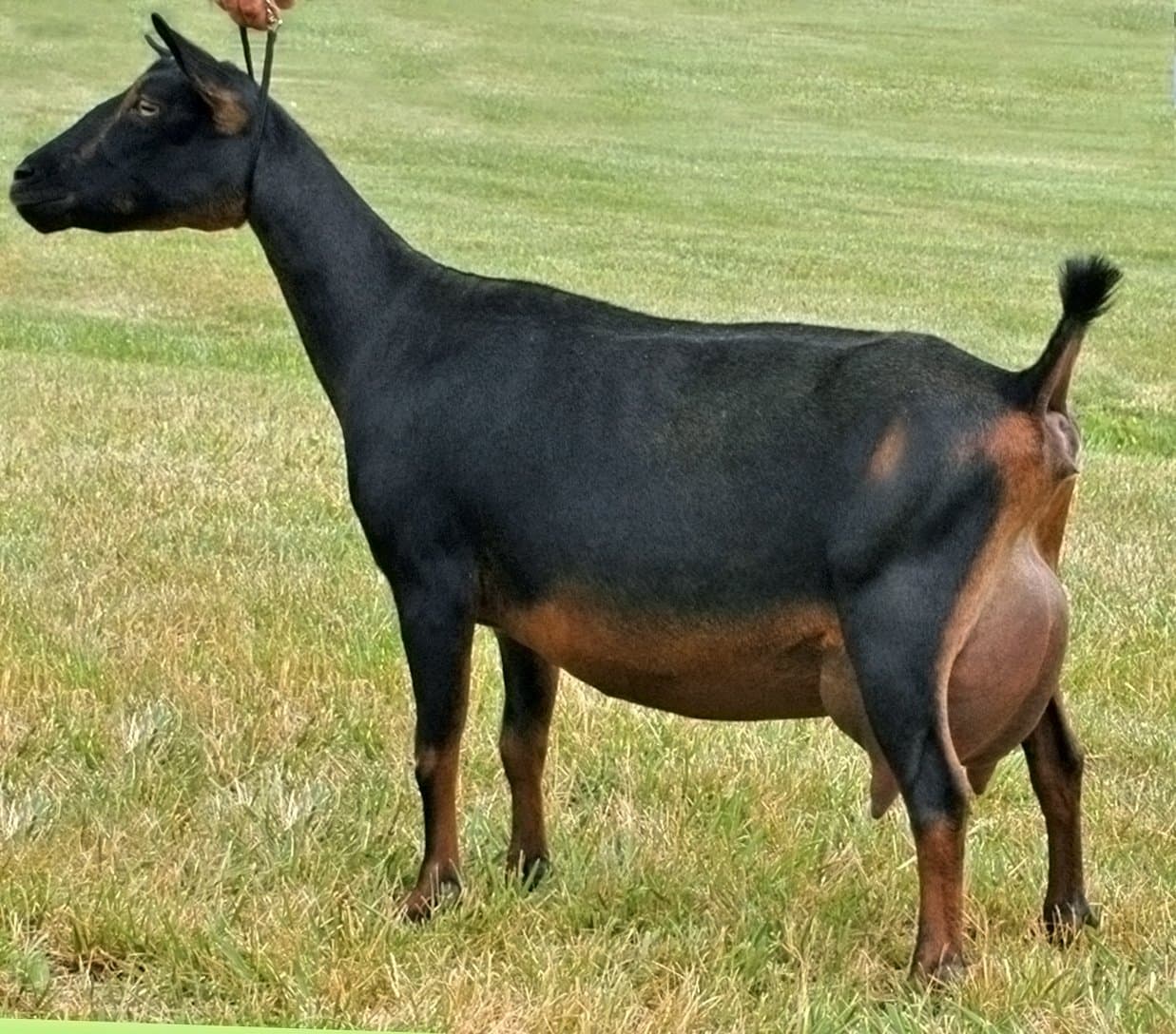 Nigerian Dwarf GoatCapra aegagrus hircusA small, easygoing dairy goat breed of West African ancestry known for rich milk, often born three or four at a time.
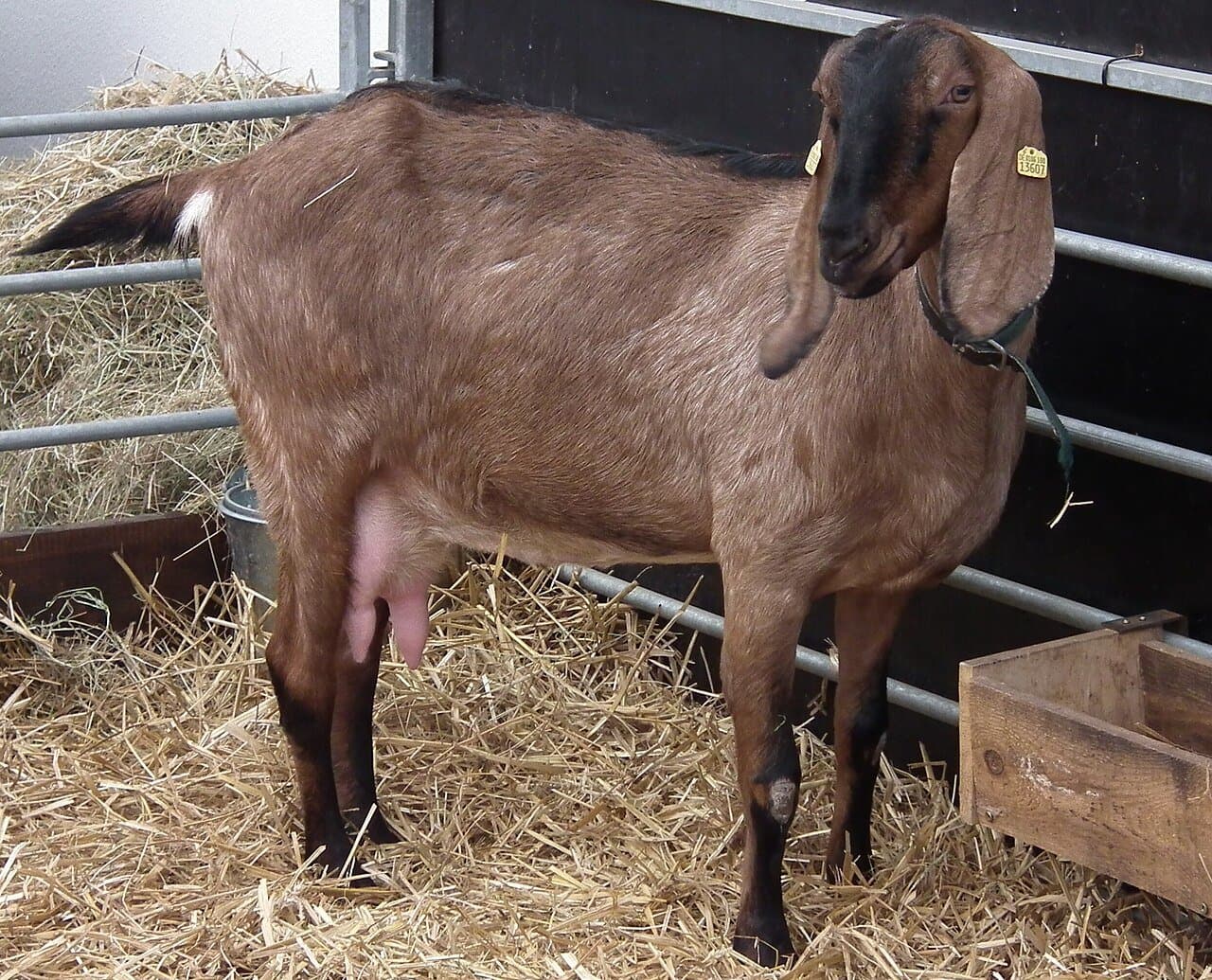 Nubian GoatCapra aegagrus hircusA tall dairy goat breed with long, floppy ears and a rounded nose, developed in England from British, African and Indian goats.
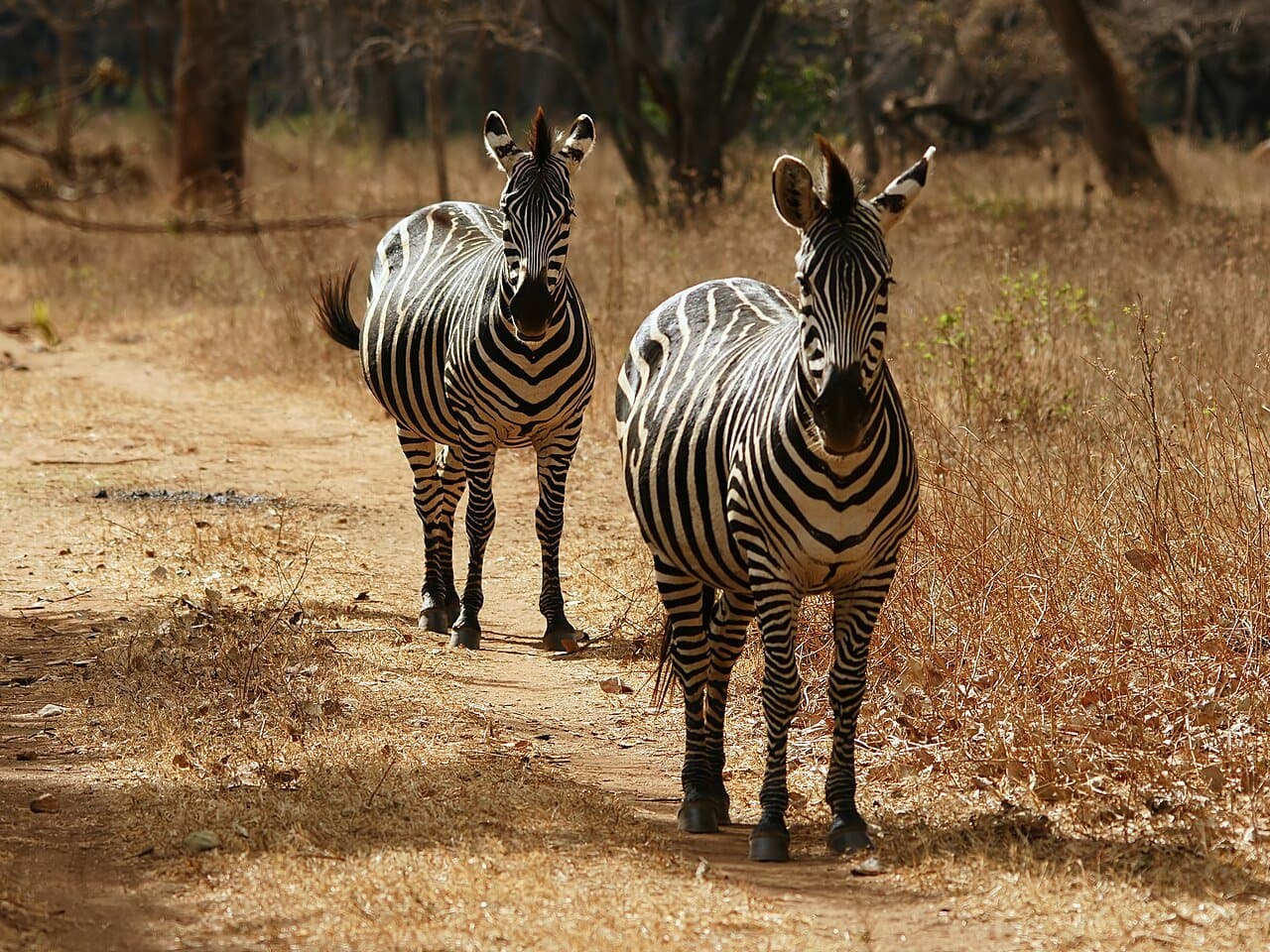 Plains ZebraEquus quagga (subspecies include Grant's zebra)The most common zebra, a grass-grazing striped horse relative of eastern and southern Africa whose stripe pattern is one-of-a-kind on every animal. Grant's zebra is one kind.
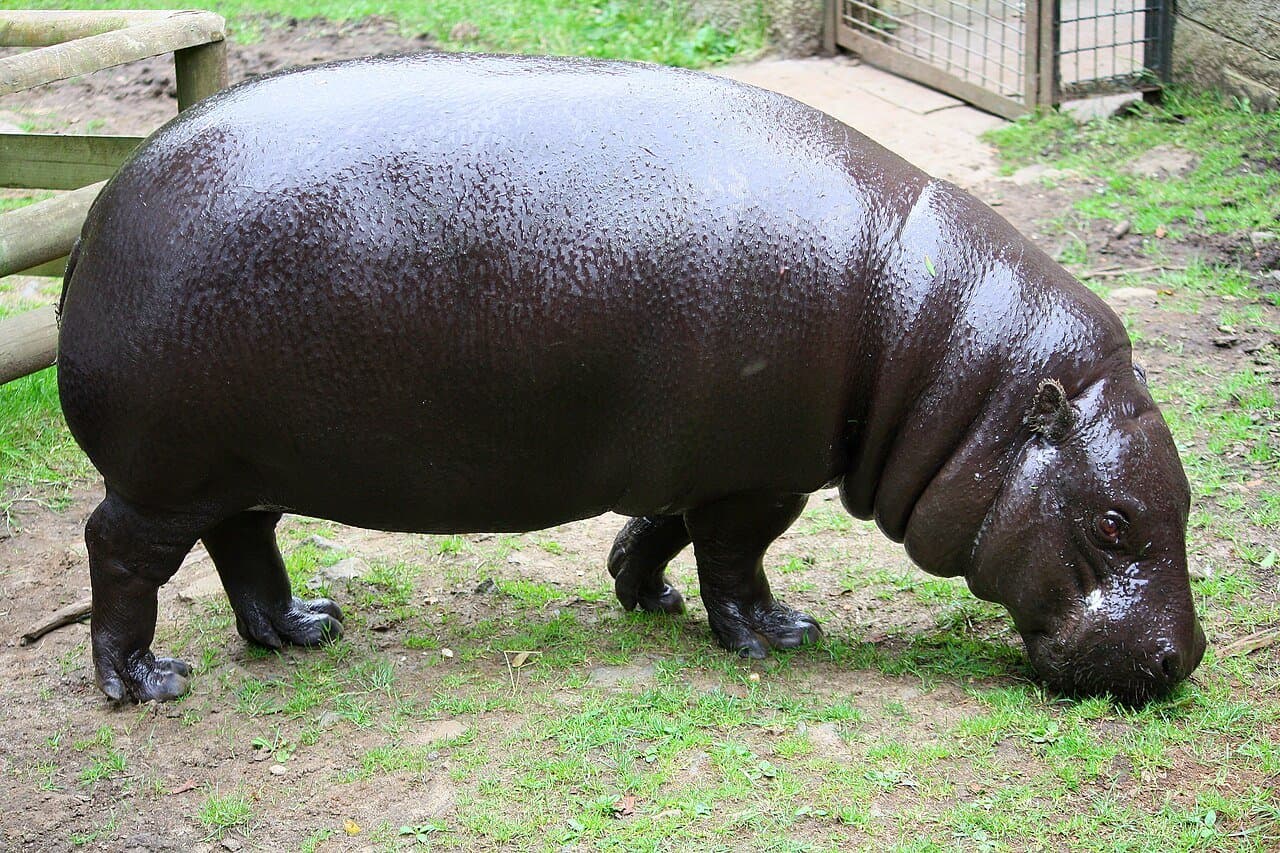 Pygmy HippopotamusChoeropsis liberiensisA small, shy, endangered hippo that lives alone in the forests and swamps of West Africa, mostly in Liberia.
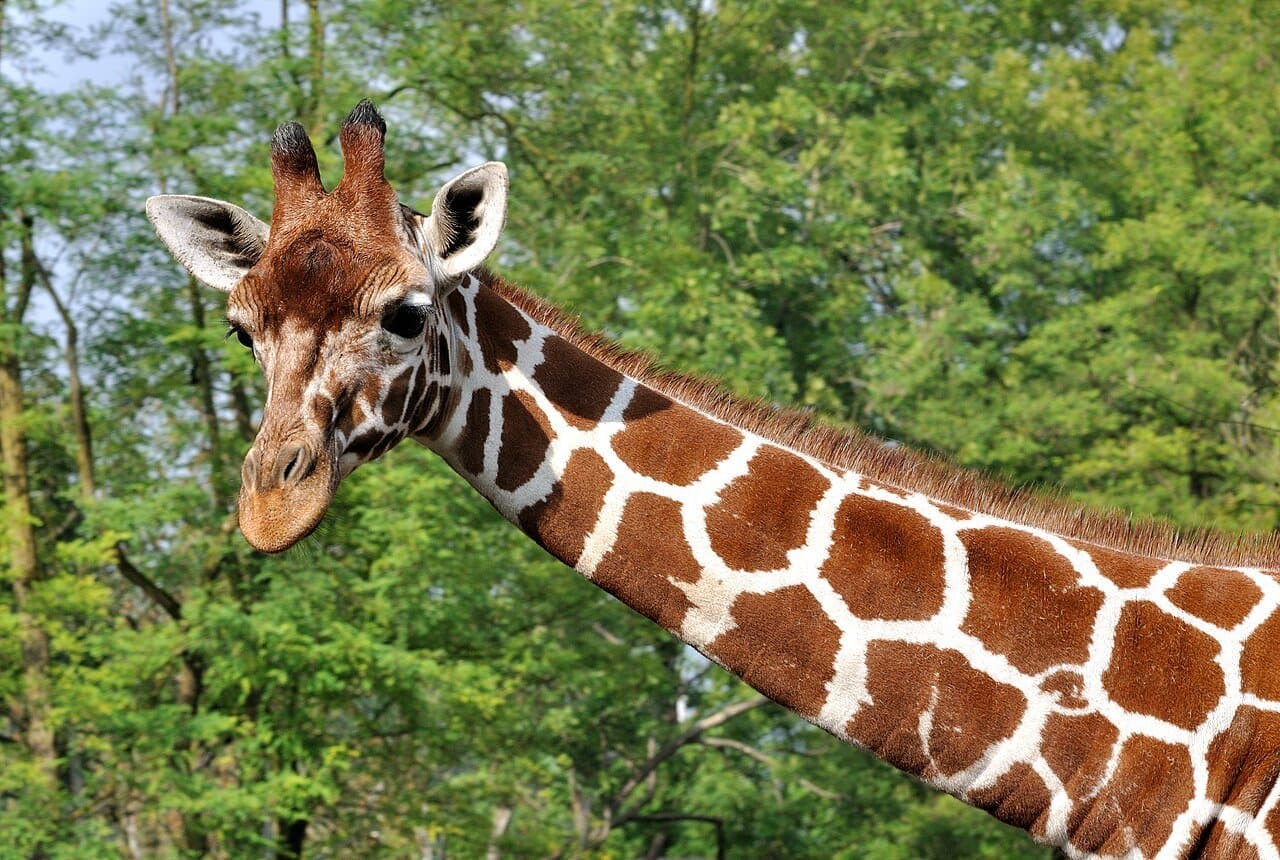 Reticulated GiraffeGiraffa reticulata (also listed as Giraffa camelopardalis reticulata)An endangered giraffe of northern Kenya with orange-brown patches outlined by a network of bright white lines.
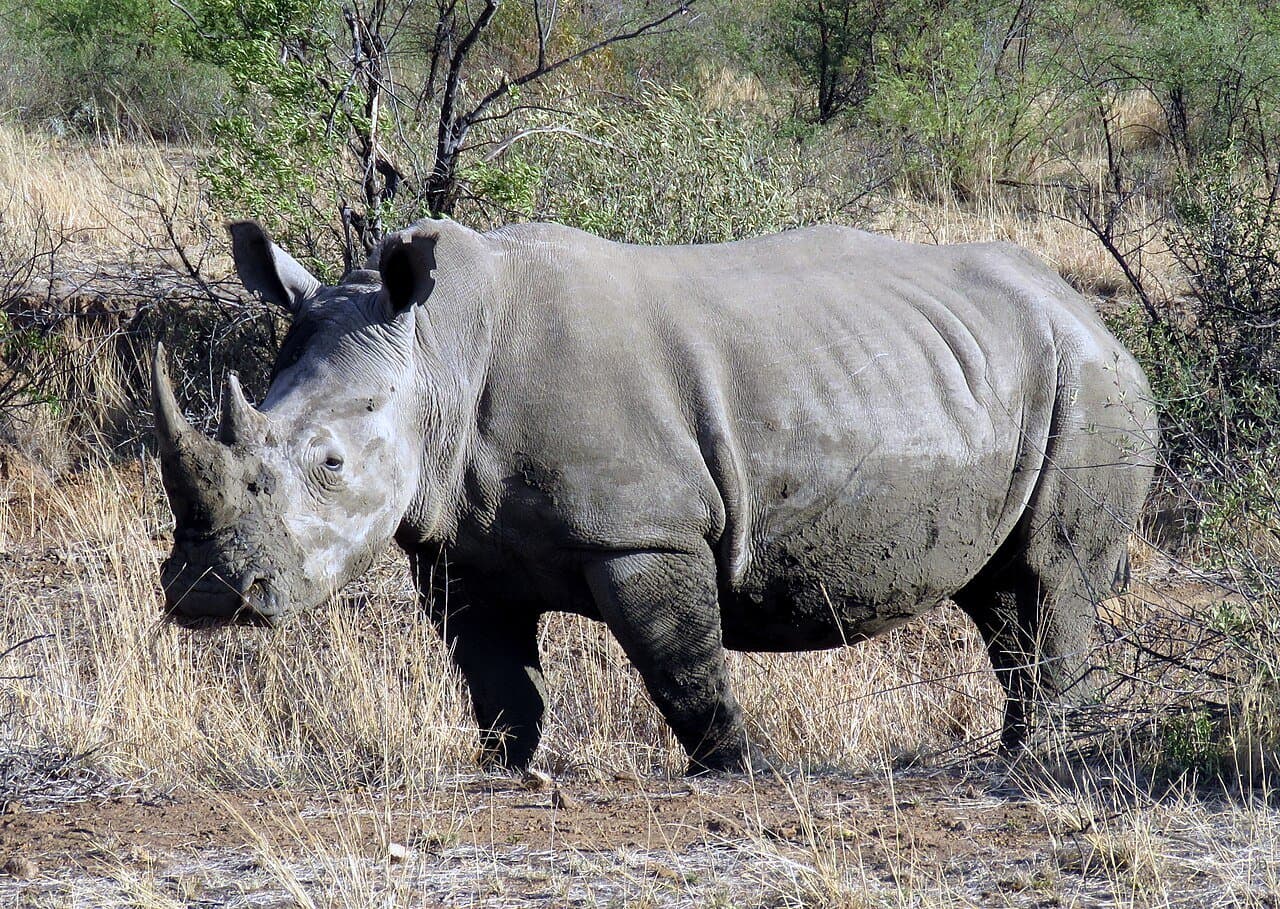 Southern White RhinocerosCeratotherium simum simumThe largest rhino, a wide-lipped grass grazer of southern Africa that came back from near extinction to about 20,000 animals.