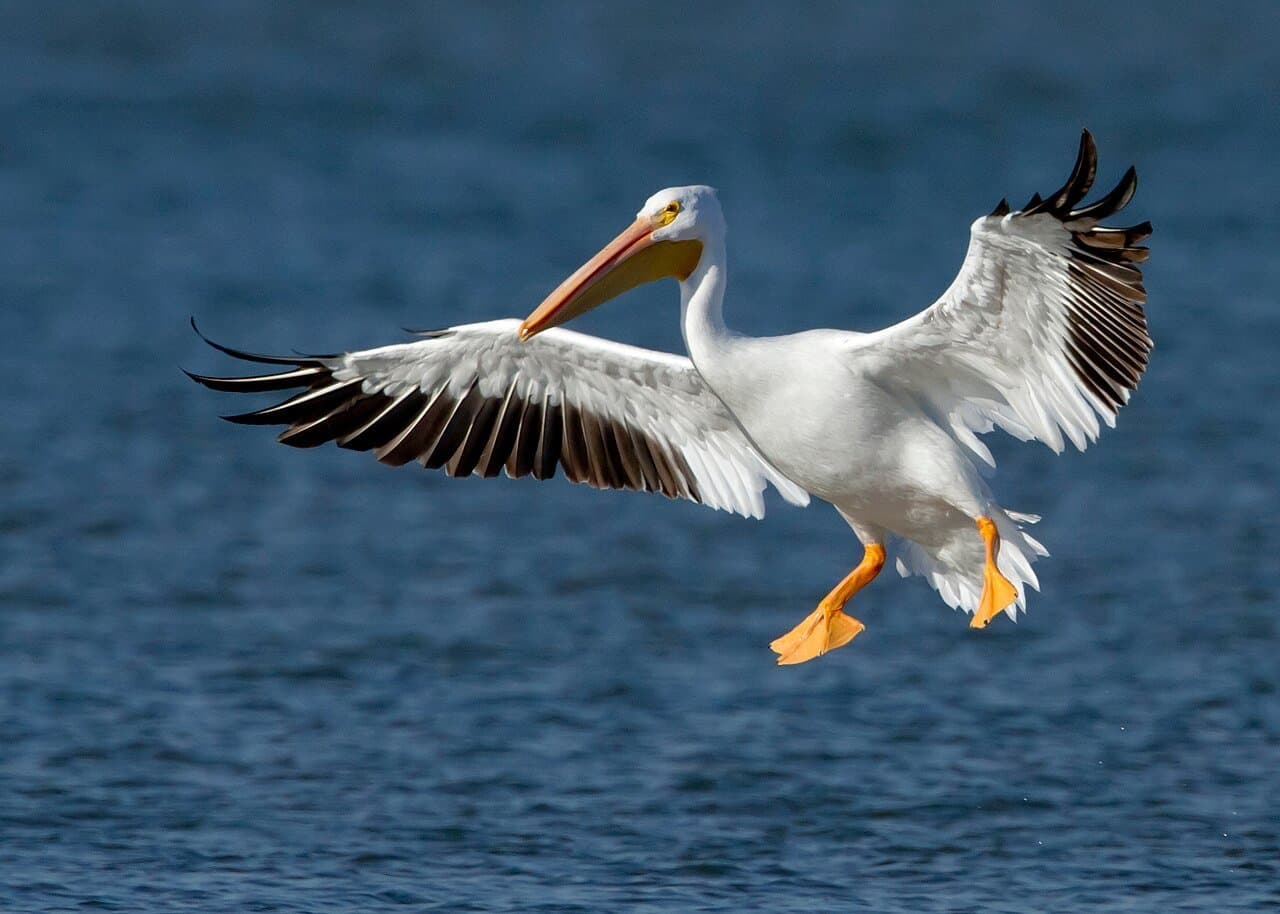
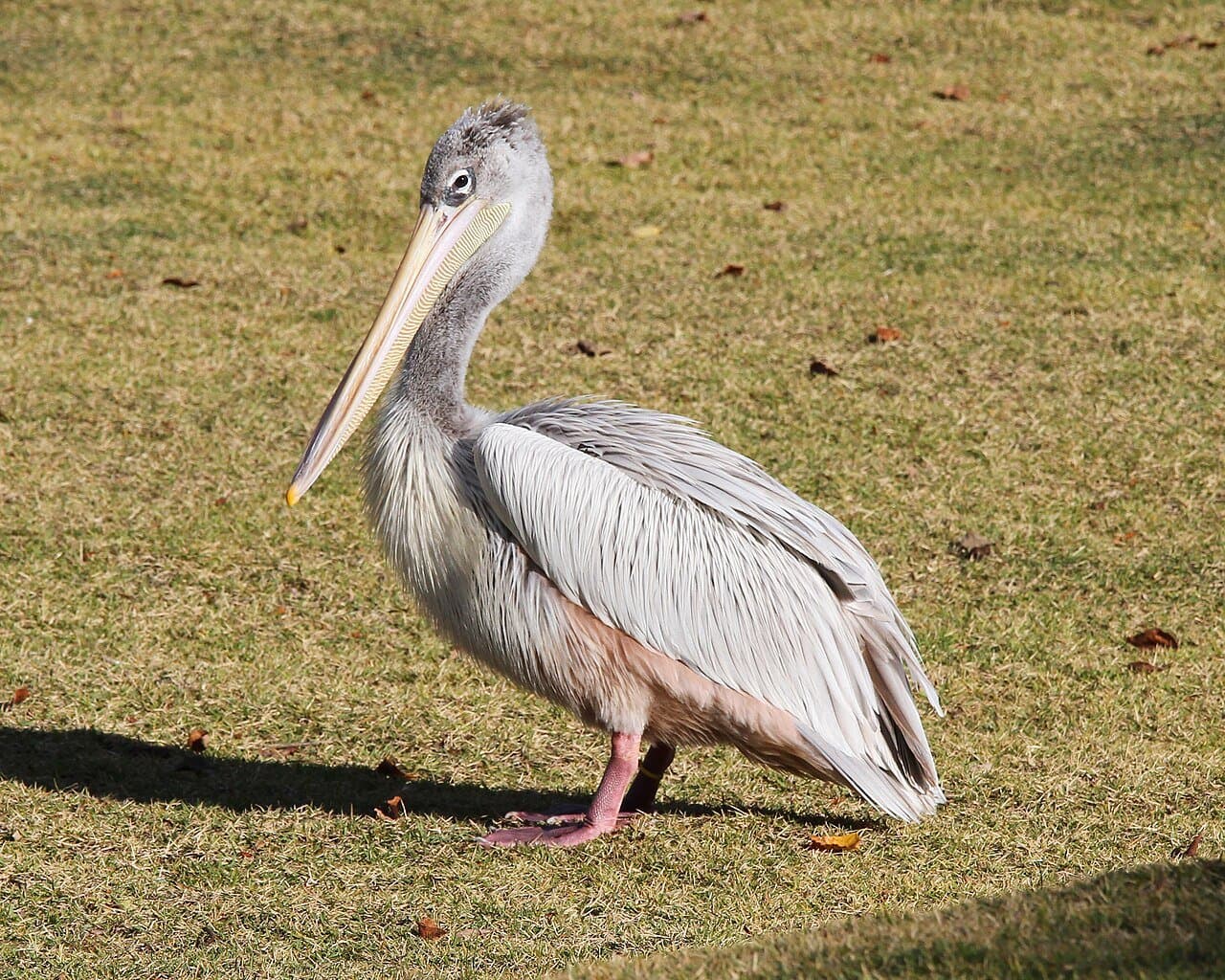
Pink-Backed Pelican
Pelecanus rufescens
One of the smallest pelicans, a gray African pelican with a pinkish back that nests in trees.
Checking teacher reviews…
About the Pink-Backed Pelican
Pink-backed pelicans are about 4 feet long, weigh 9 to 15.5 pounds and have a wingspan of 7 to 9.5 feet. They are mostly gray with a pinkish back; the pink comes from oil spread while preening. They live near lakes, rivers, ponds and swamps in sub-Saharan Africa and along the Red Sea, and eat almost only fish, catching them alone with a quick lunge.[1]
Quick facts
- Scientific name
- Pelecanus rufescens[1]
- Size
- 49 to 51 inches long, with a wingspan of 7 to 9.5 feet.[1]
- Weight
- 9 to 15.5 pounds.[1]
- Lifespan
- 15 to 25 years in the wild. Up to 54 in human care.[1]
- Diet
- Carnivore. Almost only fish.[1]
- Habitat
- Freshwater lakes, rivers, ponds and swamps.[1]
- Where it lives
- Sub-Saharan Africa and the western Arabian Peninsula along the Red Sea.[1]
- Group life
- Hunts alone; roosts and nests in flocks.[1]
- Babies
- About two eggs in a tree nest. Young fly at 70 to 85 days.[1]
- Conservation status
- Least Concern (IUCN Red List, assessed 2016).[2]
Fun facts
Vocabulary
- pouch
- A stretchy bag of skin under a pelican's bill used to scoop fish.
- brood patch
- A bare patch of skin a bird uses to warm its eggs.
- preen
- To clean and arrange feathers with the beak.
- fossil
- The preserved remains or traces of an animal or plant from long ago.
- least concern
- A conservation label meaning a species is widespread and not at risk of dying out soon.
See it in person
- San Francisco Zoo & GardensSan Francisco, California · BirdsSee this animal on the zoo's website ↗
Sources
- [1] San Francisco Zoo & Gardens. “Pink-backed pelican.” https://www.sfzoo.org/pink-backed-pelican/ (accessed 2026-10-02)
- [2] IUCN Red List of Threatened Species. “Pelecanus rufescens (Pink-backed Pelican).” https://www.iucnredlist.org/species/22697595/111822418 (accessed 2026-10-02)
Facts last checked 2026-10-02.