
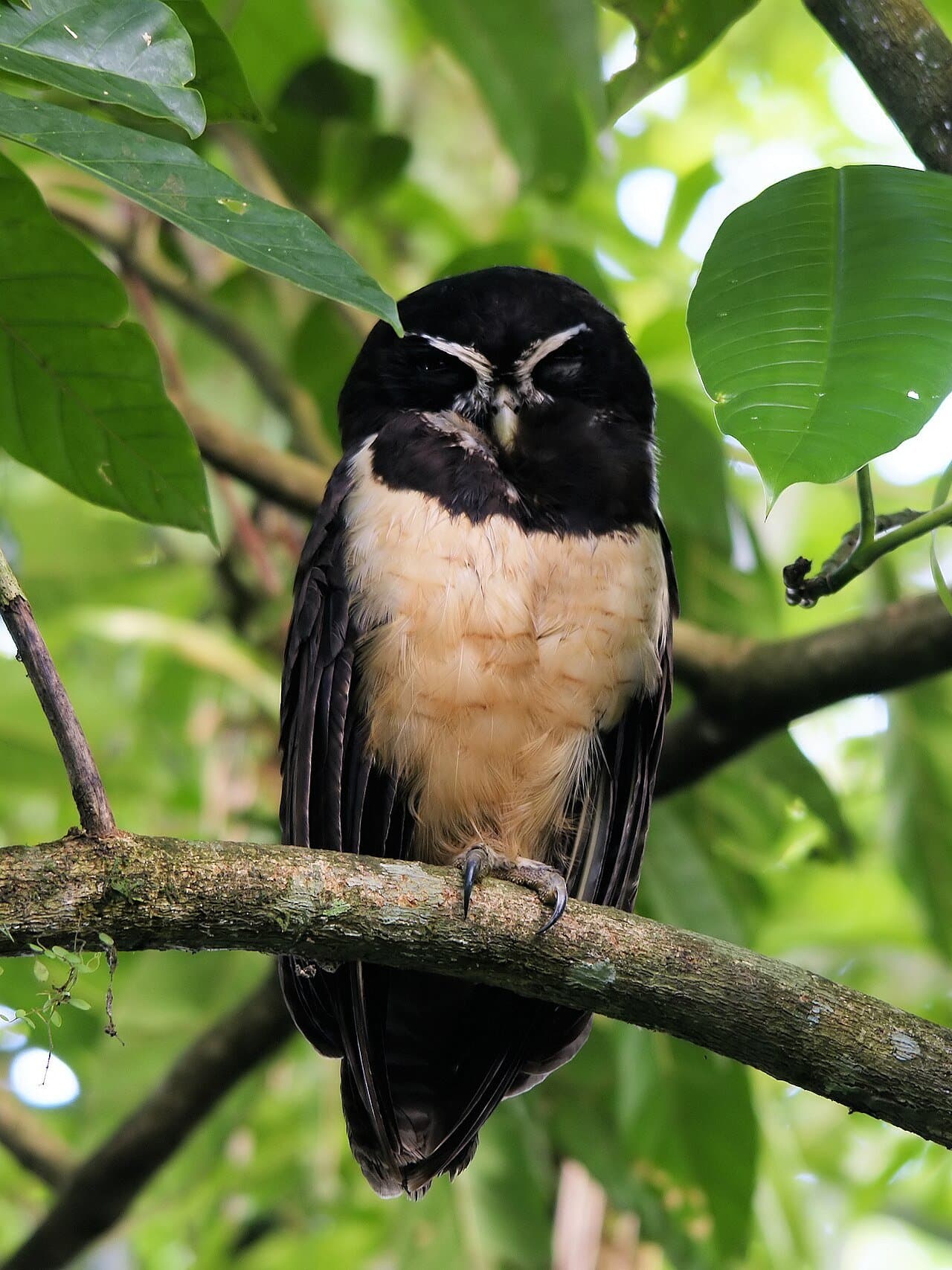
Spectacled Owl
Pulsatrix perspicillata
The largest tropical owl of the Americas, a brown owl with white "eyeglasses" around its yellow eyes.
Checking teacher reviews…
About the Spectacled Owl
Spectacled owls are the largest tropical owls in the Americas, up to 18 inches long and nearly 2 pounds. They are brown above and buff-white below, with white markings around their yellow eyes that look like spectacles. They live in dense tropical forests and woodlands near water from Mexico to northern Argentina, and eat small mammals, insects, birds, reptiles, frogs and crabs.[1]
Quick facts
- Scientific name
- Pulsatrix perspicillata[1]
- Size
- Up to 18 inches long.[1]
- Weight
- Up to 1.9 pounds. Females are larger.[1]
- Lifespan
- Up to 35 years in the wild.[1]
- Diet
- Carnivore. Small mammals, insects, birds, reptiles, frogs and crustaceans.[1]
- Habitat
- Dense tropical forests and woodlands near water.[1]
- Where it lives
- Mexico through Central America to northern Argentina, plus Trinidad and Tobago.[1]
- Group life
- Pairs that may stay together several years.[1]
- Babies
- 1 or 2 eggs in a tree hole, incubated about 36 days.[1]
- Conservation status
- Least Concern (IUCN Red List, assessed 2018).[2]
Fun facts
Vocabulary
- spectacles
- An old word for eyeglasses.
- nocturnal
- Active mainly at night.
- owl pellet
- A ball of bones, fur and feathers that an owl coughs up because it can't digest them.
- plumage
- A bird's feathers.
- juvenile
- A young animal that is not yet an adult.
See it in person
- San Francisco Zoo & GardensSan Francisco, California · BirdsSee this animal on the zoo's website ↗
Sources
- [1] San Francisco Zoo & Gardens. “Spectacled Owl.” https://www.sfzoo.org/spectacled-owl/ (accessed 2026-10-02)
- [2] IUCN Red List of Threatened Species. “Pulsatrix perspicillata (Spectacled Owl).” https://www.iucnredlist.org/species/22689180/130161018 (accessed 2026-10-02)
Facts last checked 2026-10-02.
More Owls
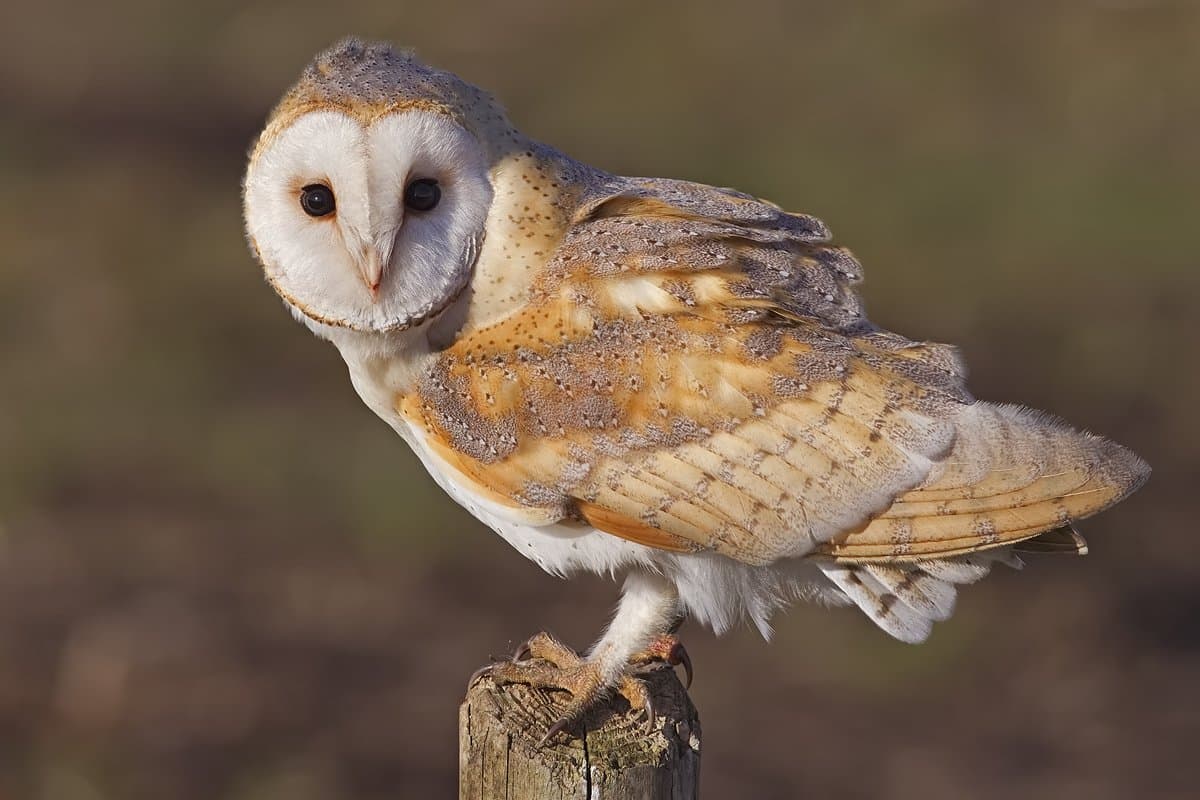 Barn OwlTyto albaA pale owl with a white heart-shaped face, found on every continent except Antarctica, that hunts mice and voles by sound alone.
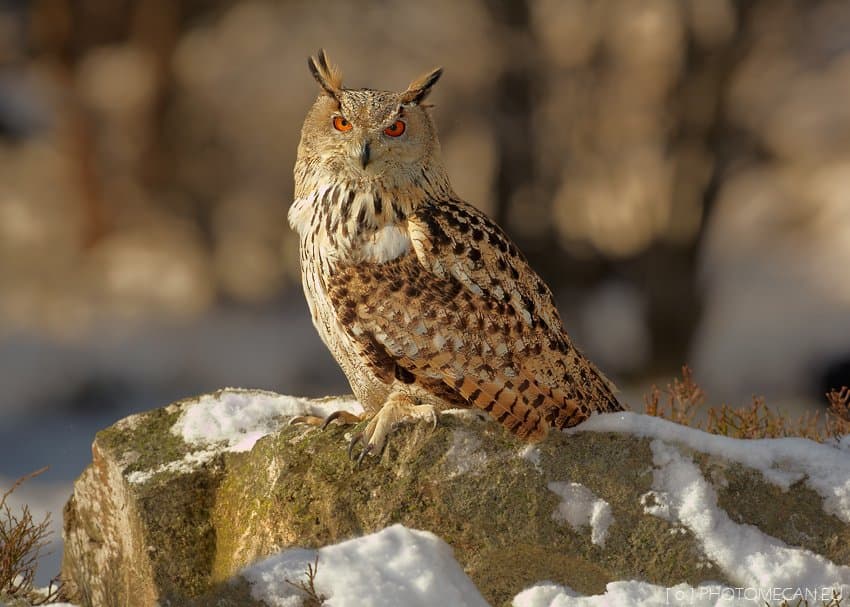 Eurasian Eagle-OwlBubo buboOne of the world's largest owls, with orange eyes, tall ear tufts and a wingspan up to six feet.
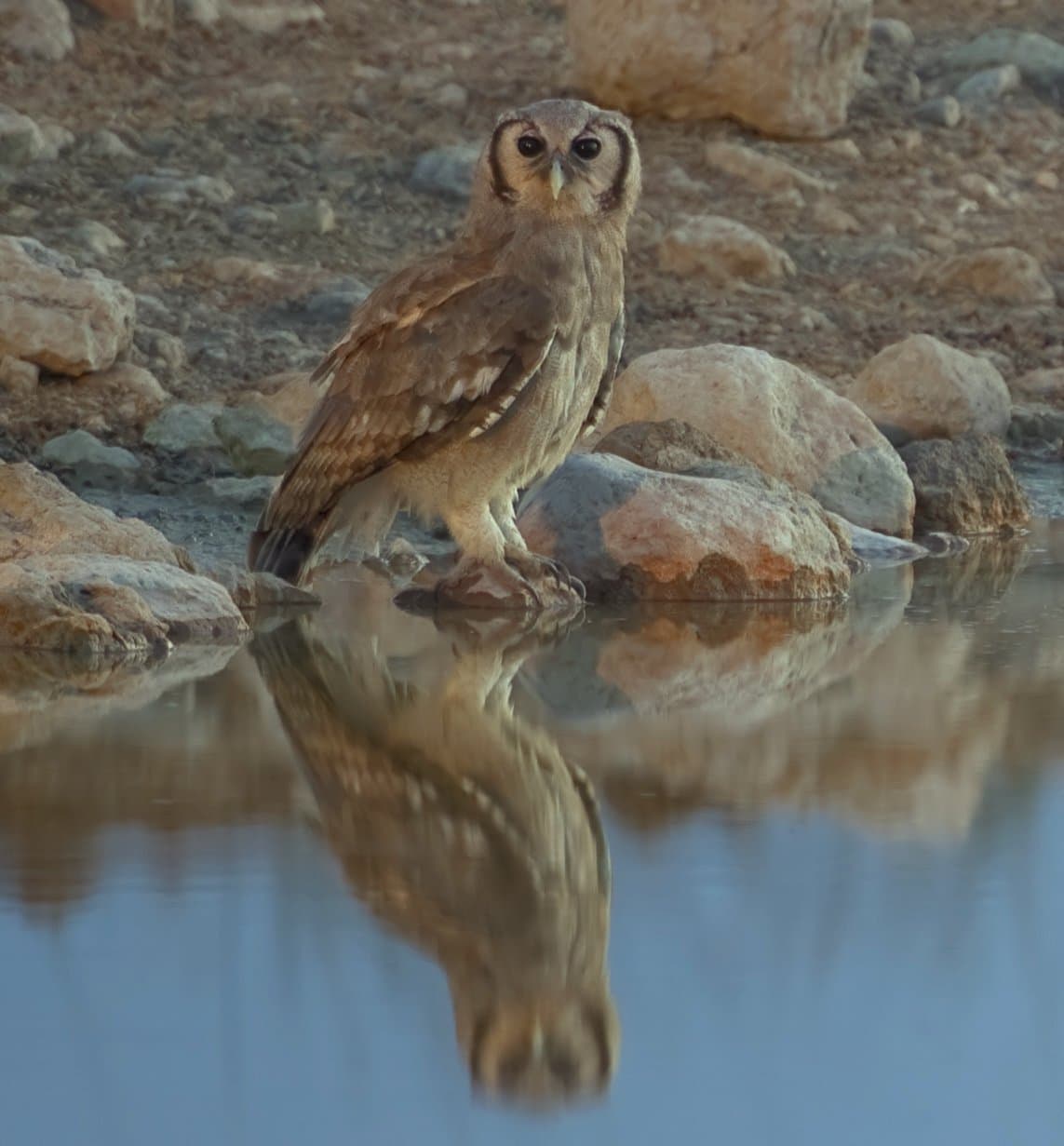 Milky Eagle OwlBubo lacteusOne of the world's larger owls, also called Verreaux's eagle-owl, with bare pink eyelids that show when it blinks.