
Invertebrates
Animals without a backbone, such as insects, spiders and crabs.
Subcategories
12 entries
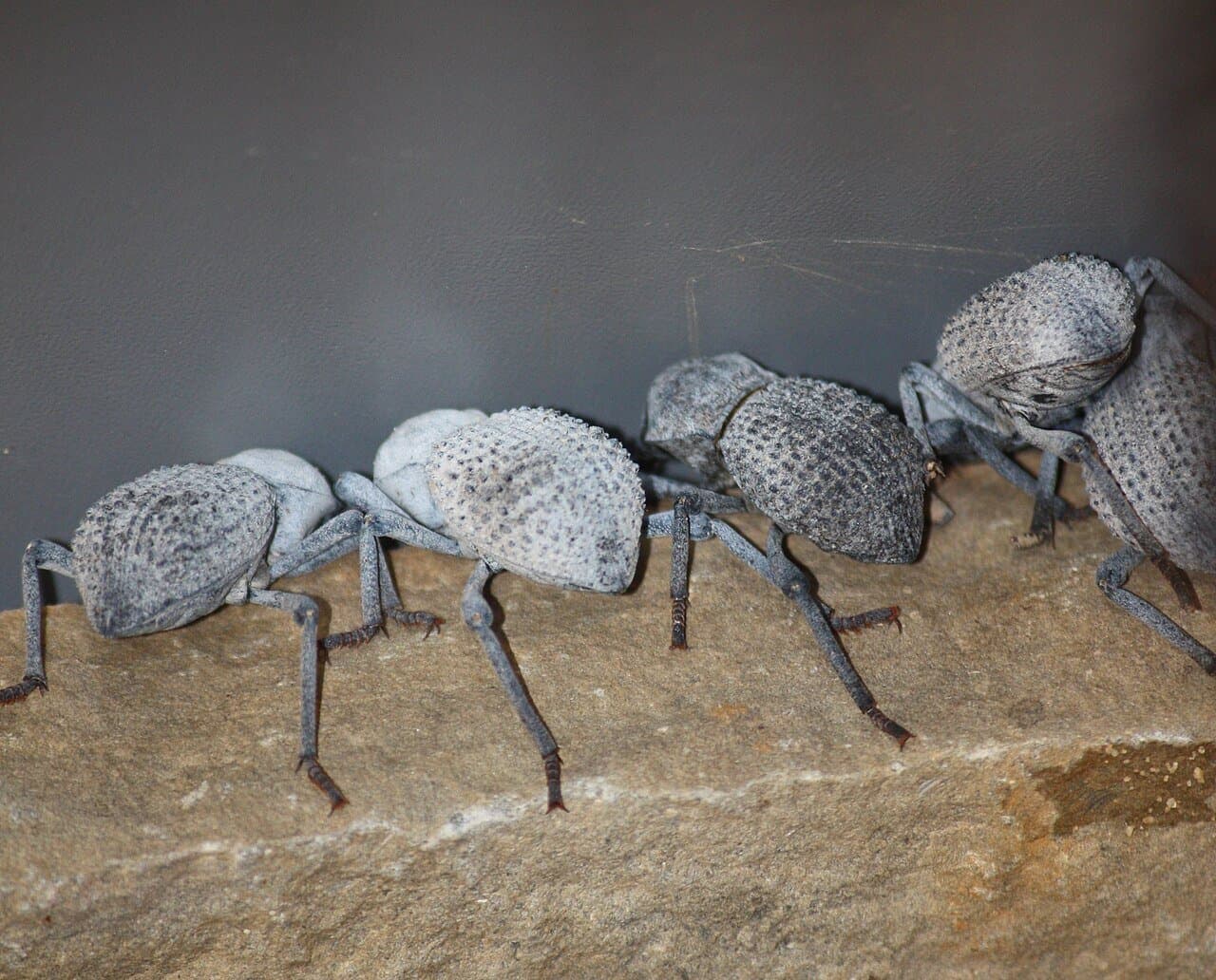 Blue Death-Feigning BeetleCryptoglossa verrucosaA pale blue desert beetle from the southwestern U.S. that flops over and plays dead when startled.
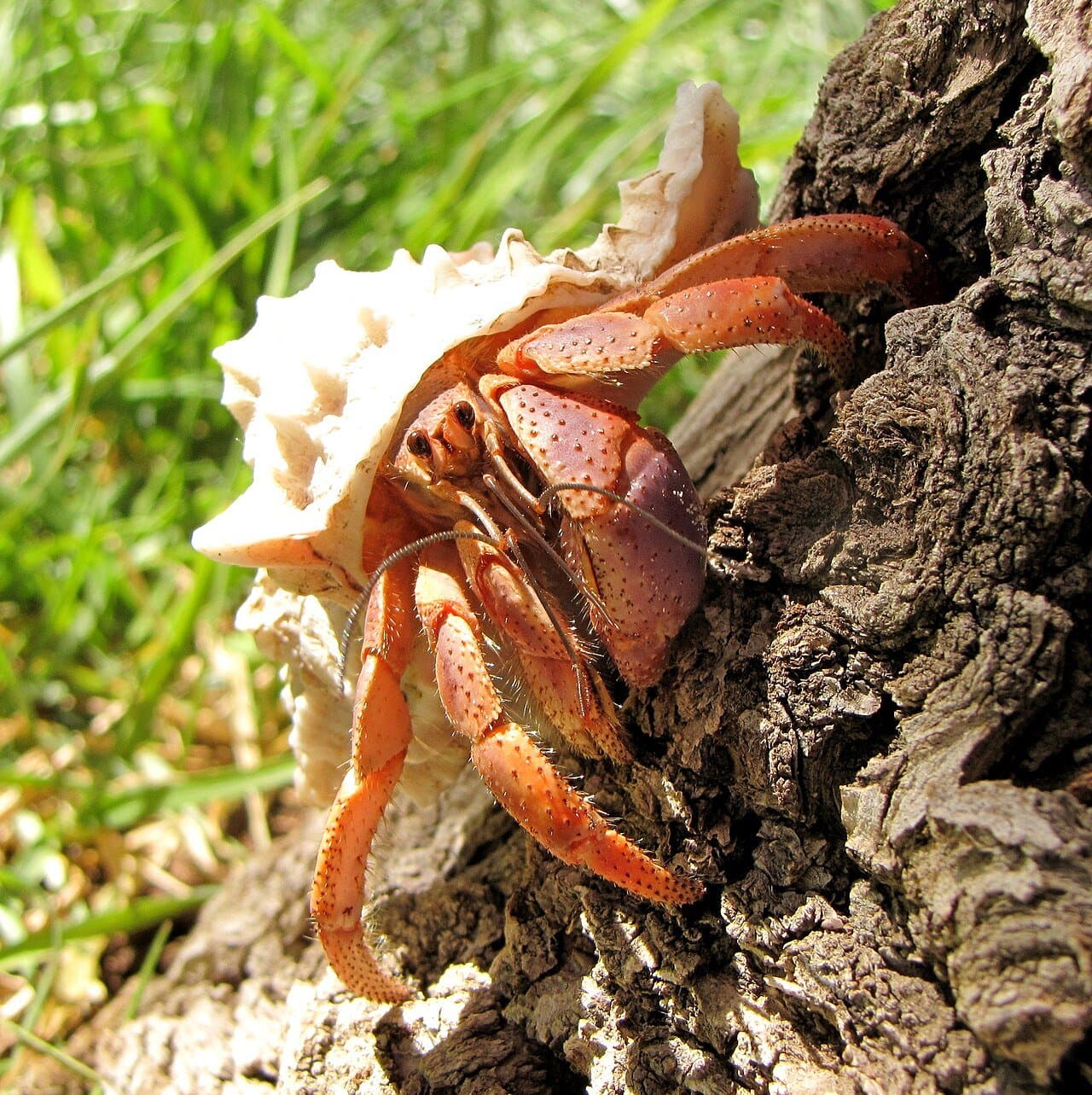 Caribbean Hermit CrabCoenobita clypeatusA land-dwelling hermit crab of tropical Atlantic shores that protects its soft body inside a borrowed seashell.
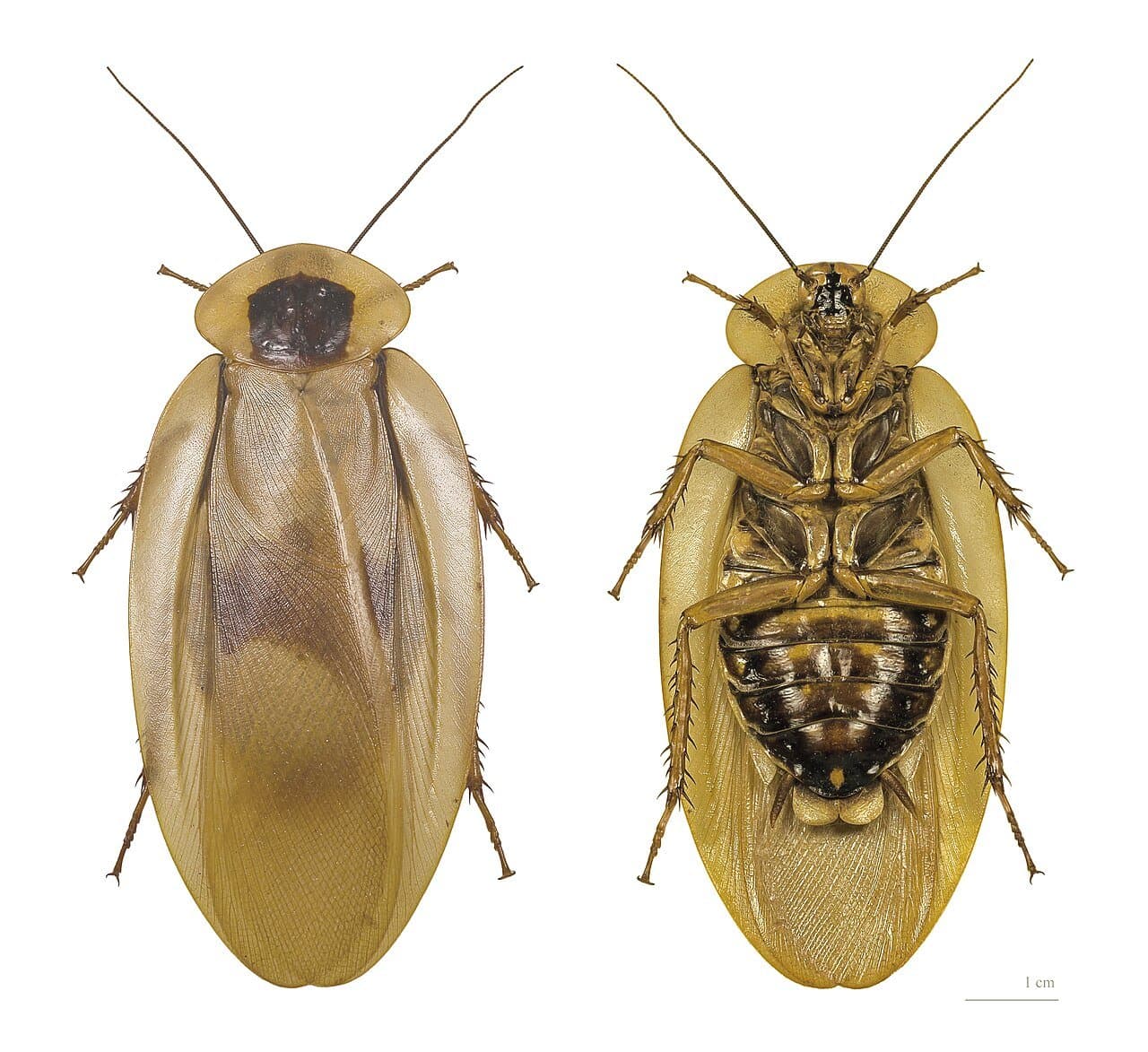 Giant CockroachBlaberus speciesA big, glossy tropical cockroach from Central and South America that grows three inches long and helps break down dead plants.
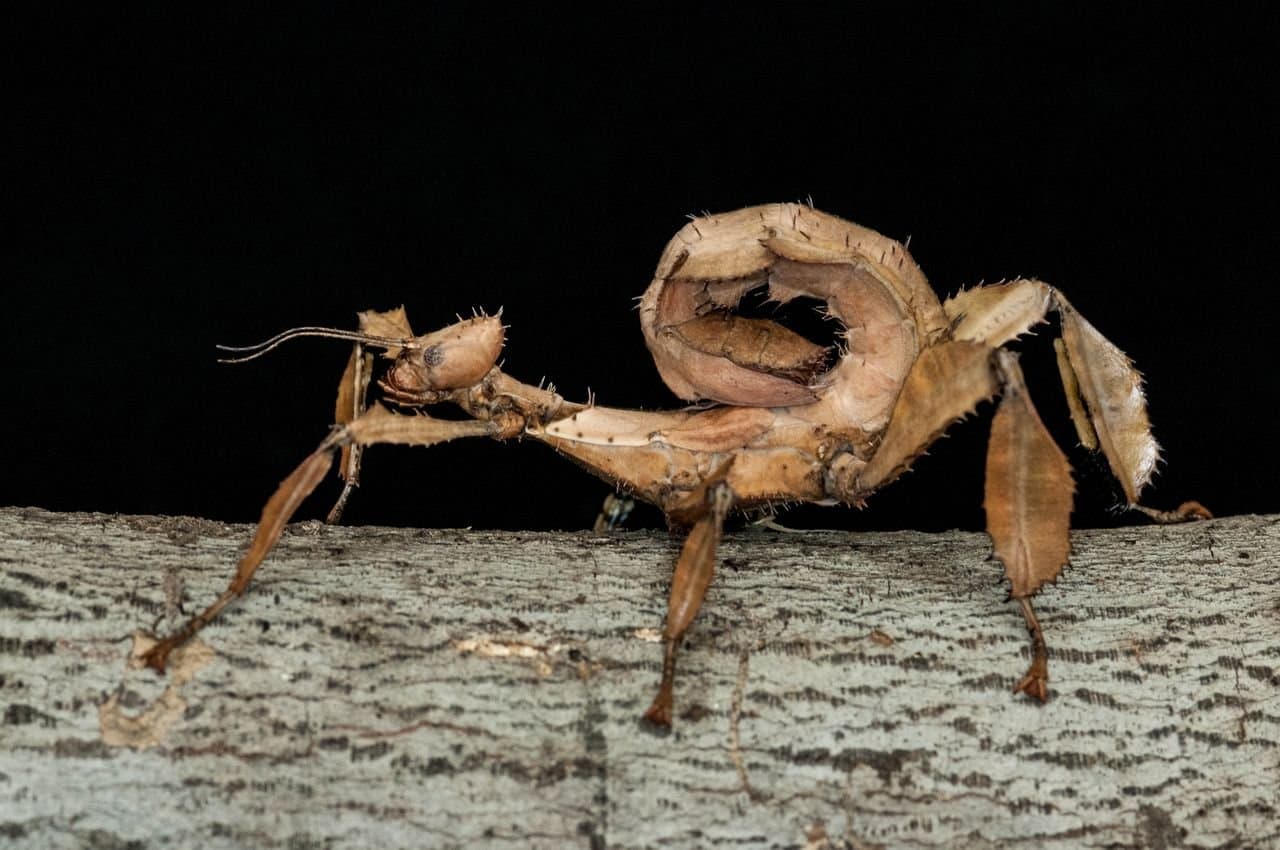 Giant Prickly Stick InsectExtatosoma tiaratumA spiky Australian stick insect, also called the Australian walking stick, that curls its tail up like a scorpion to scare predators.
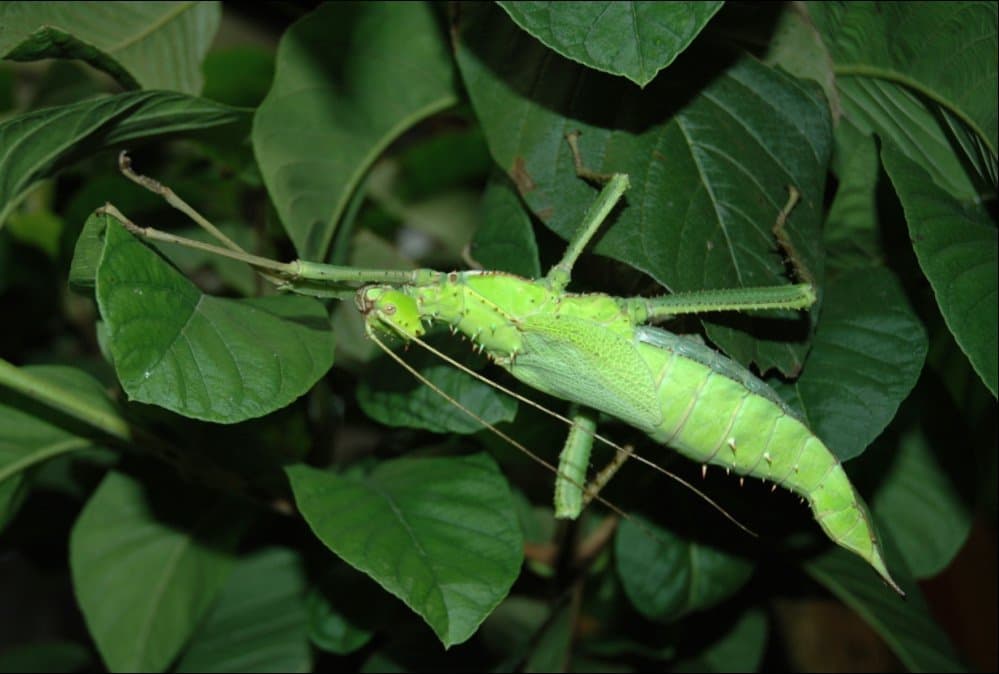 Jungle NymphHeteropteryx dilatataA big, thorny, leaf-green stick insect of tropical rainforests whose females snap their spiny back legs together in defense.
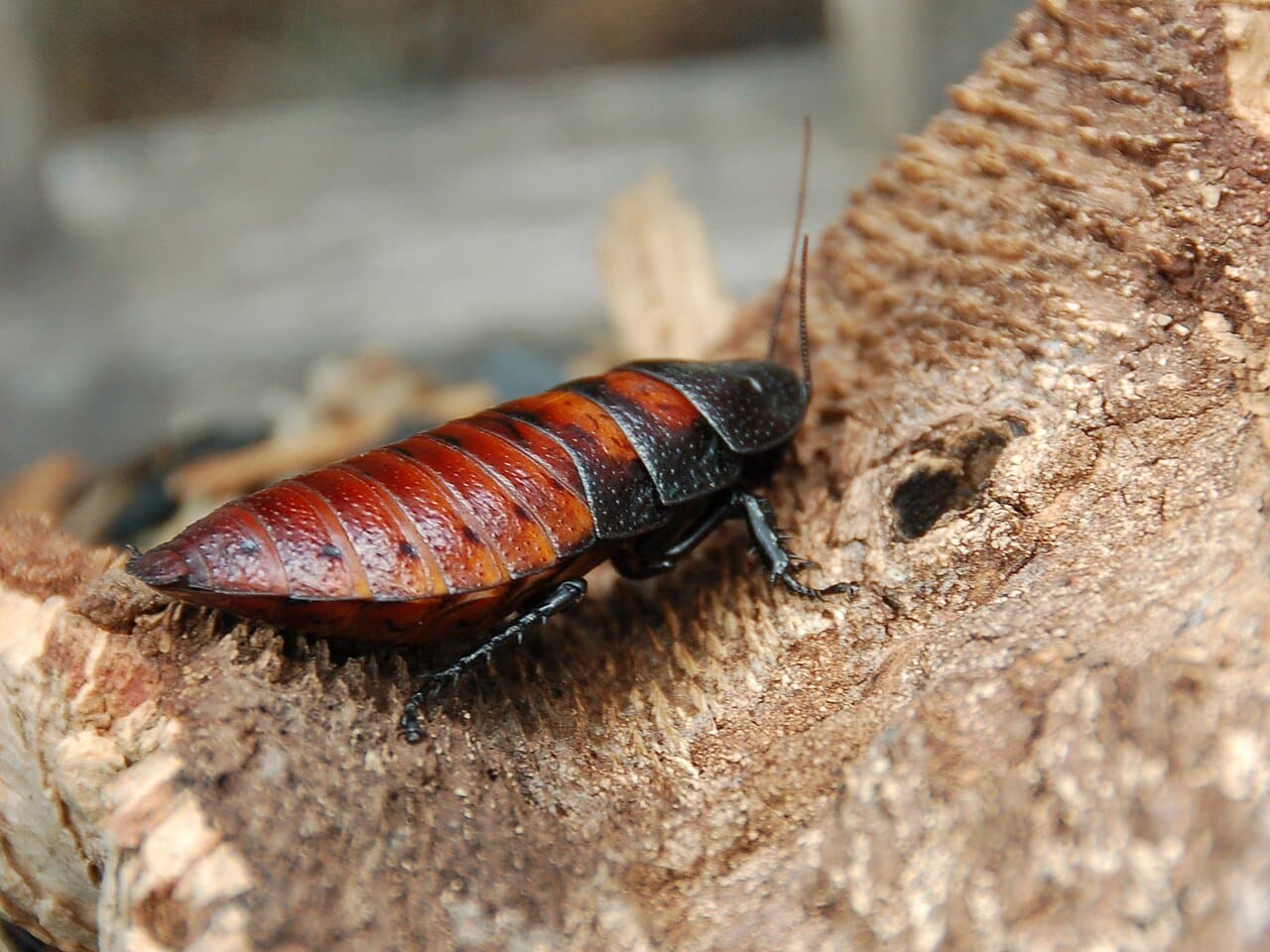 Madagascar Hissing CockroachGromphadorhina portentosaA large, wingless cockroach from Madagascar that hisses by pushing air out of its breathing holes.
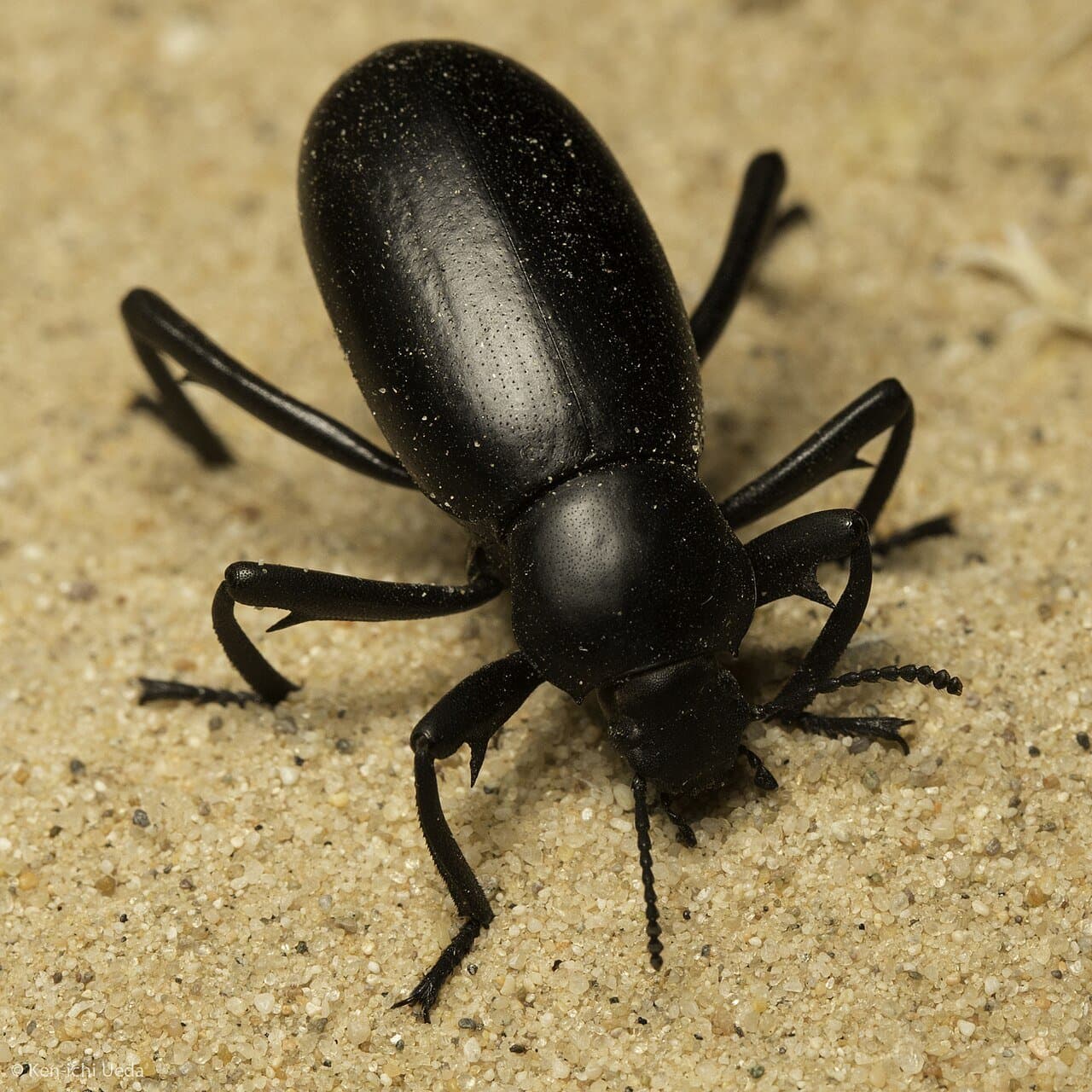 Pinacate BeetleEleodes speciesA black desert darkling beetle of the western U.S., also called the stink beetle, that does a headstand and sprays a bad smell.
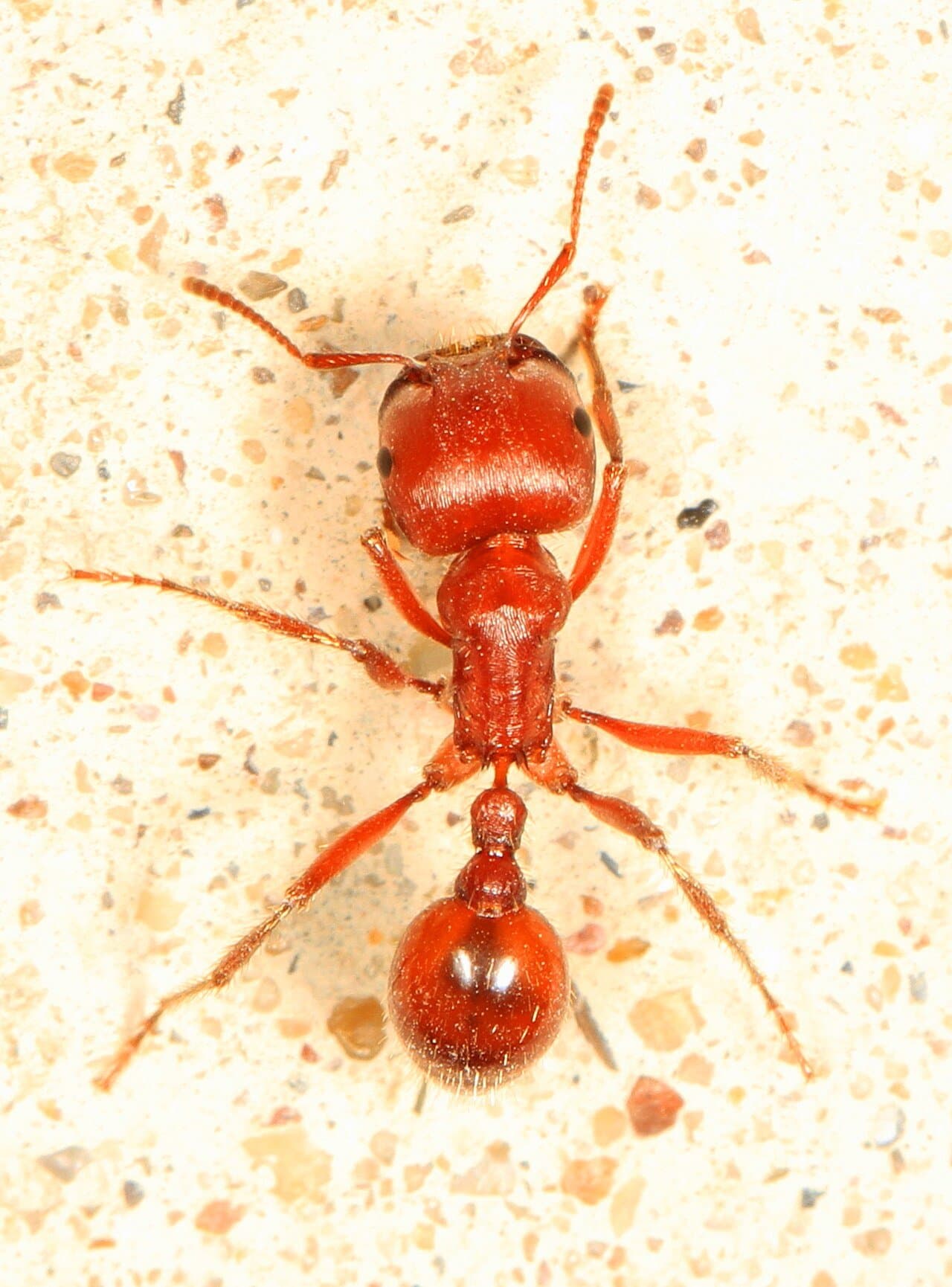 Red Harvester AntPogonomyrmex barbatusA seed-collecting desert ant of the southwestern U.S. with a painful sting, often mistaken for fire ants.
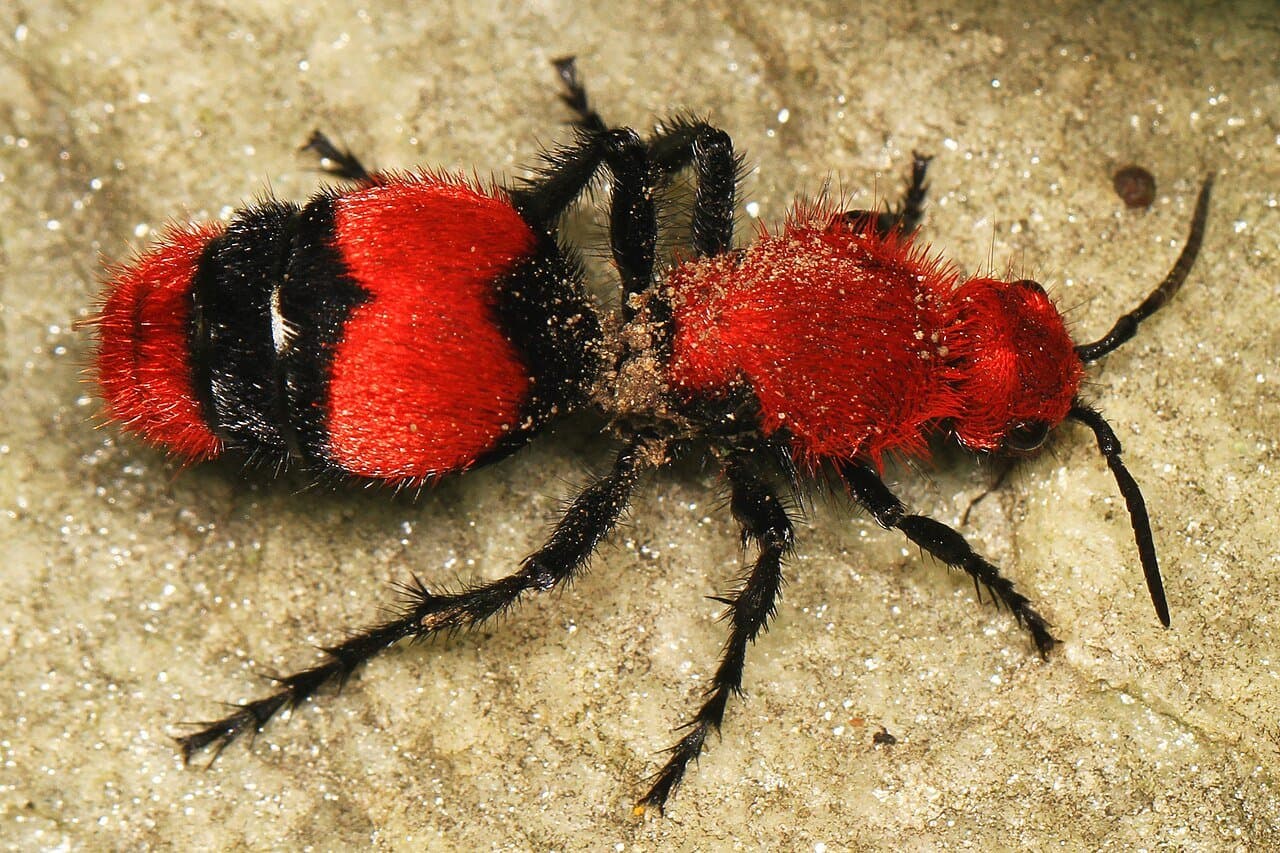 Velvet AntFamily MutillidaeNot an ant at all: a fuzzy, brightly colored wasp whose wingless females have a very painful sting.
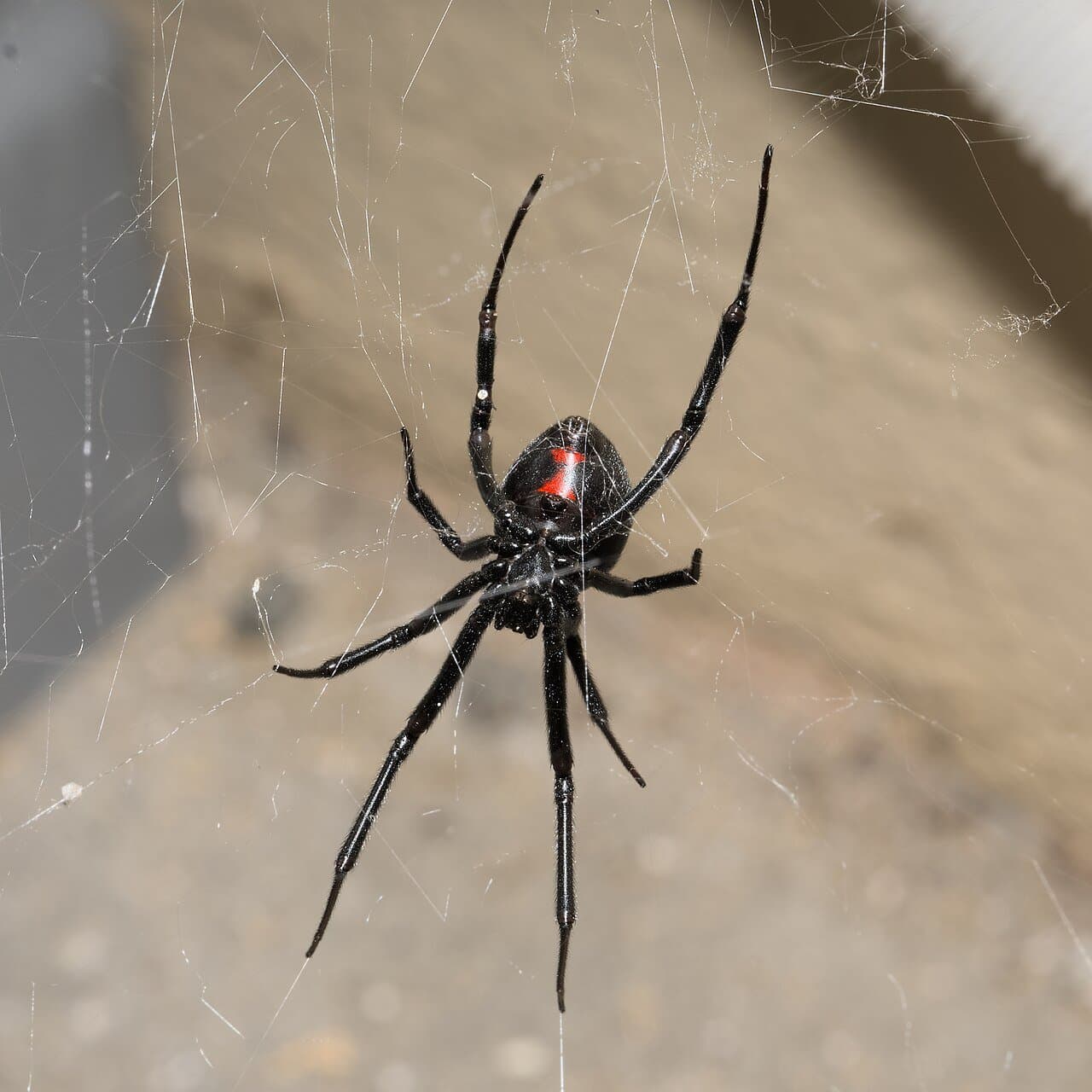 Western Black WidowLatrodectus hesperusA shy, venomous North American spider whose shiny black females have a red hourglass mark on the belly.
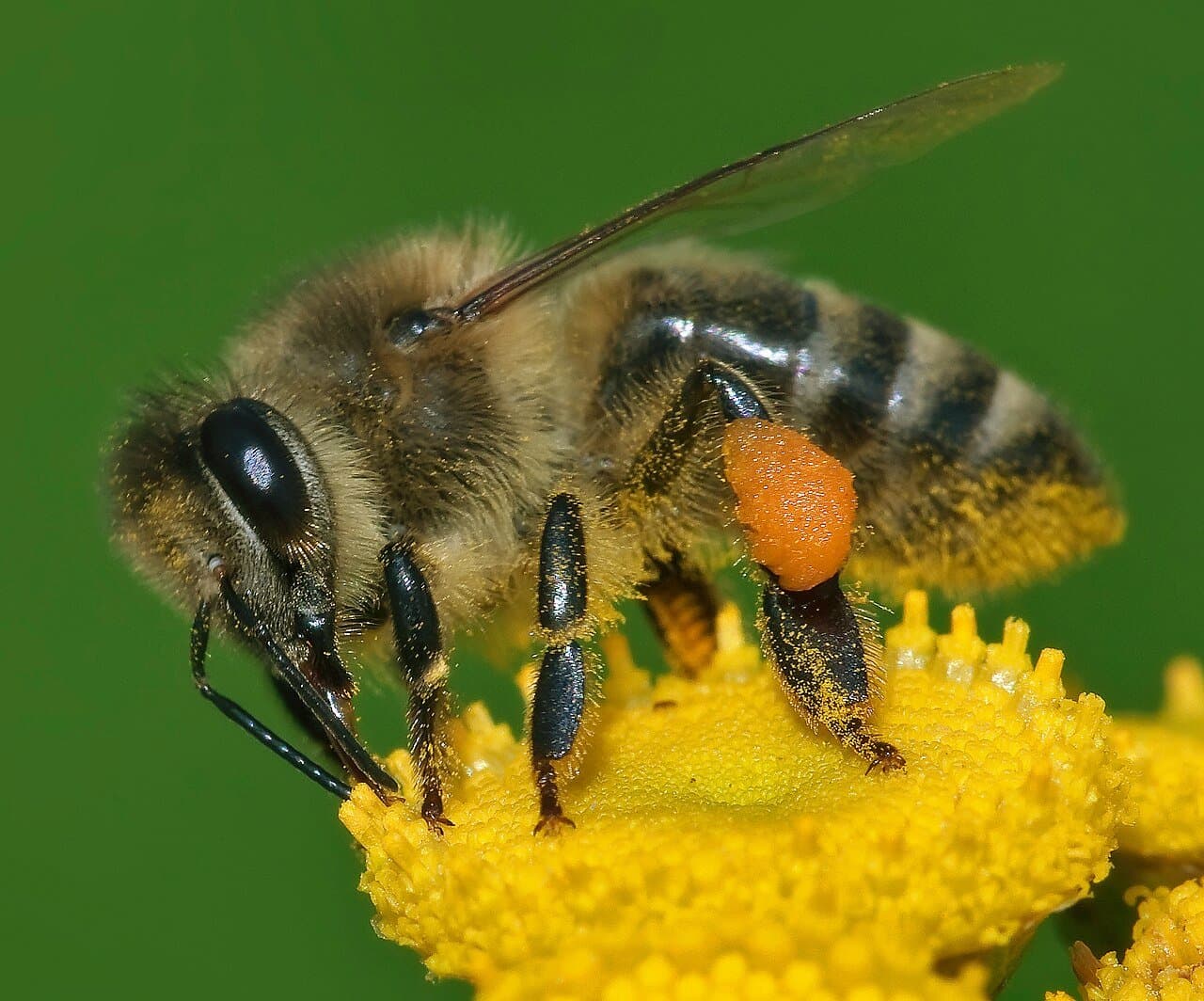 Western Honey BeeApis melliferaThe familiar honey-making bee, which lives in large, organized hives with a queen, drones and workers.
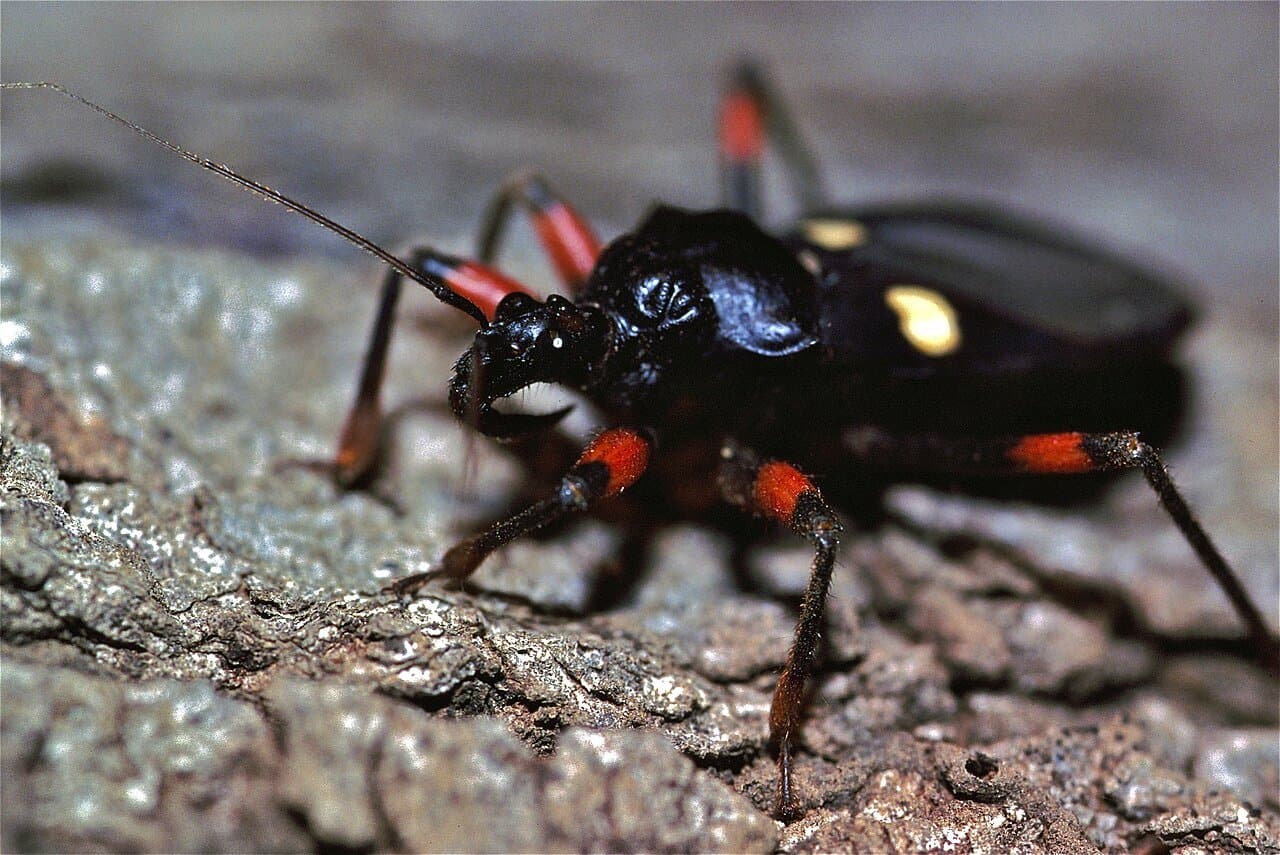 White-Spotted Assassin BugPlatymeris biguttataA black African assassin bug with two big white spots that stabs insect prey with its beak and injects digestive juices.