
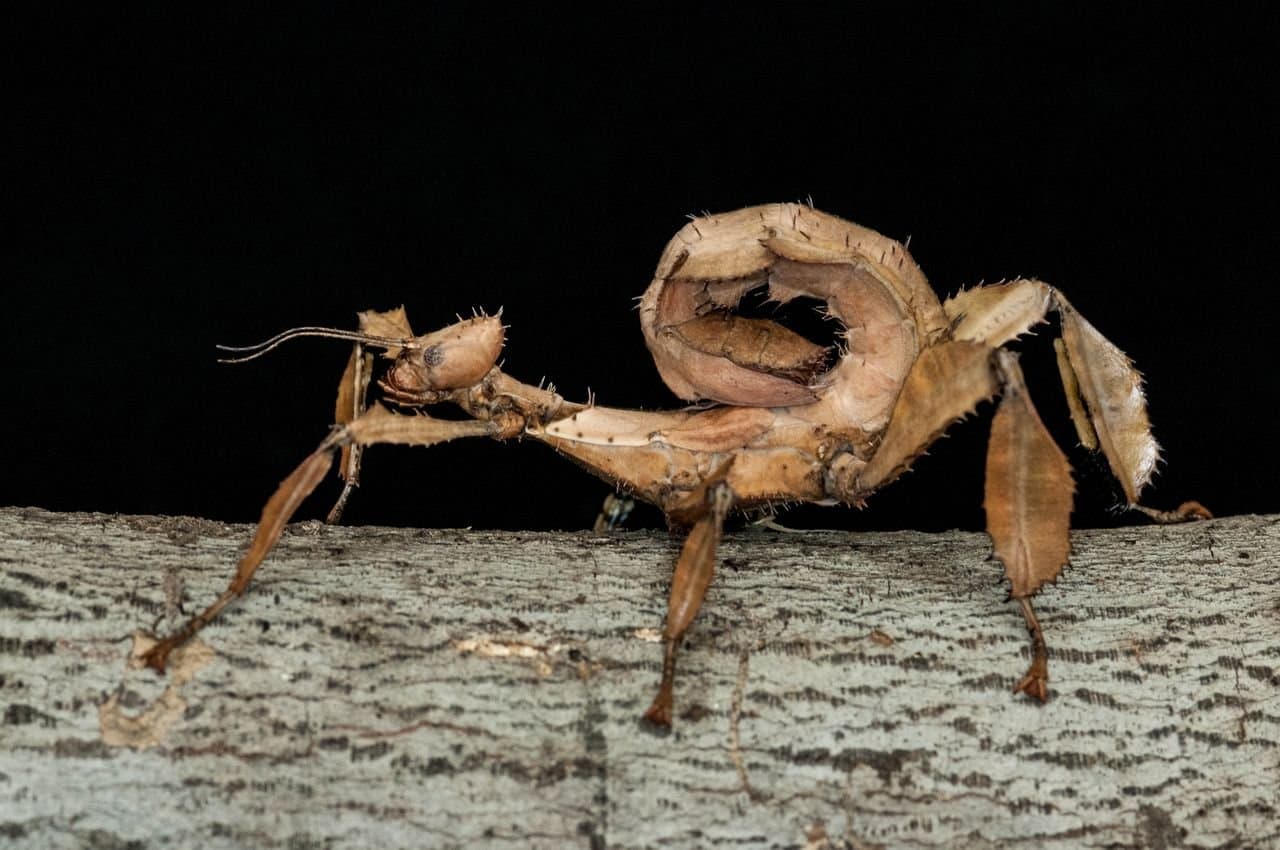
Giant Prickly Stick Insect
Extatosoma tiaratum
A spiky Australian stick insect, also called the Australian walking stick, that curls its tail up like a scorpion to scare predators.
Checking teacher reviews…
About the Giant Prickly Stick Insect
Giant prickly stick insects live in Australia's tropical forests and eat eucalyptus leaves. Females grow about 8 inches long and are covered in thorn-like spikes for defense and camouflage. Males are smaller and thinner, about 4 inches, with spikes only around the head, and they have long wings and fly well.[1]
Quick facts
Fun facts
Vocabulary
- stick insect
- An insect whose long, thin body looks like a twig.
- sexually dimorphic
- Having males and females that look different.
- camouflage
- Colors, patterns or shapes that help an animal blend in.
- eucalyptus
- A kind of Australian tree with oily, strong-smelling leaves.
- insect
- A small animal with six legs and a body in three parts: head, thorax and abdomen.
See it in person
- San Francisco Zoo & GardensSan Francisco, California · InvertebratesSee this animal on the zoo's website ↗
Sources
- [1] San Francisco Zoo & Gardens. “Australian Walking Stick.” https://www.sfzoo.org/australian-walking-stick/ (accessed 2026-10-02)
Facts last checked 2026-10-02.
More Insects
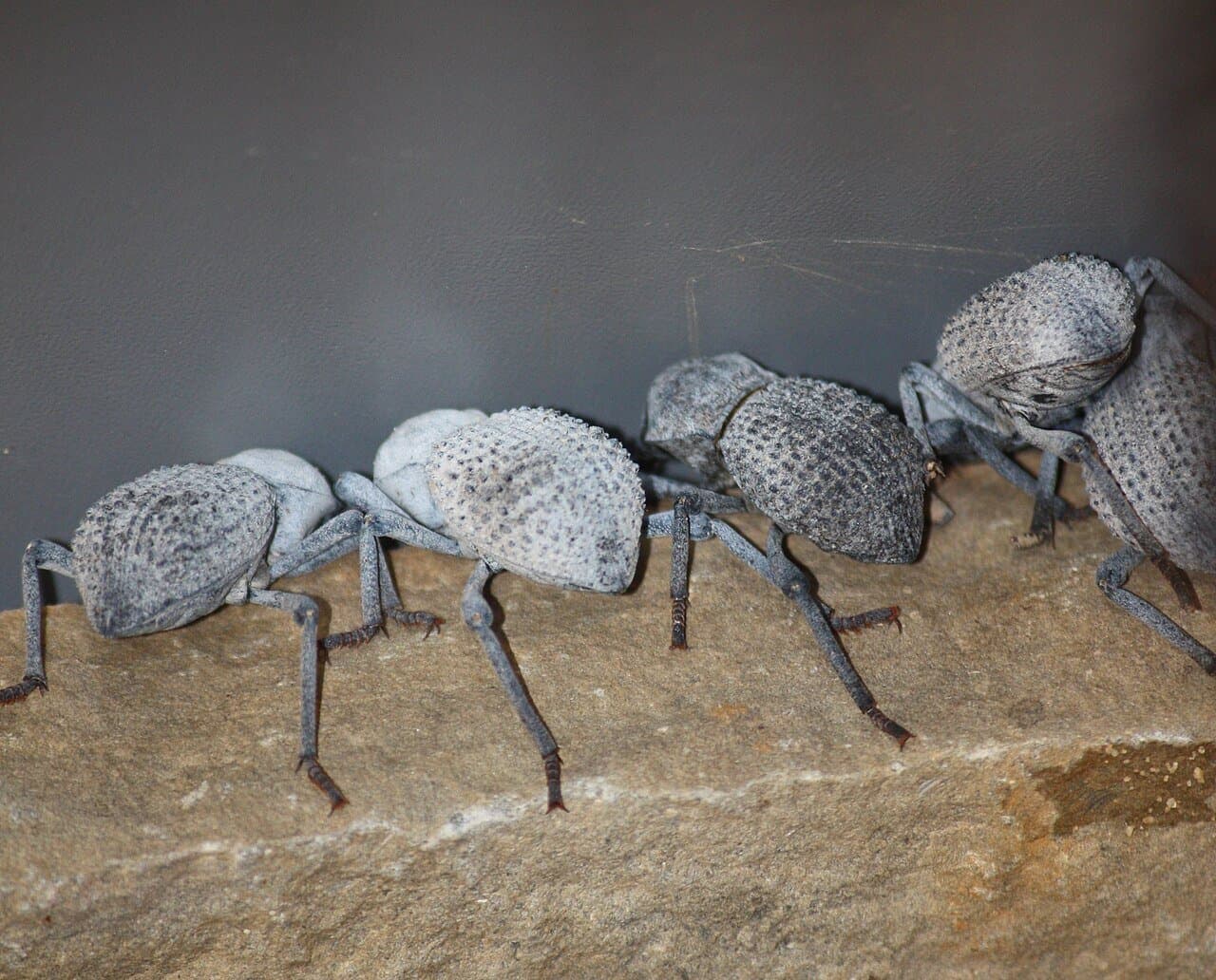 Blue Death-Feigning BeetleCryptoglossa verrucosaA pale blue desert beetle from the southwestern U.S. that flops over and plays dead when startled.
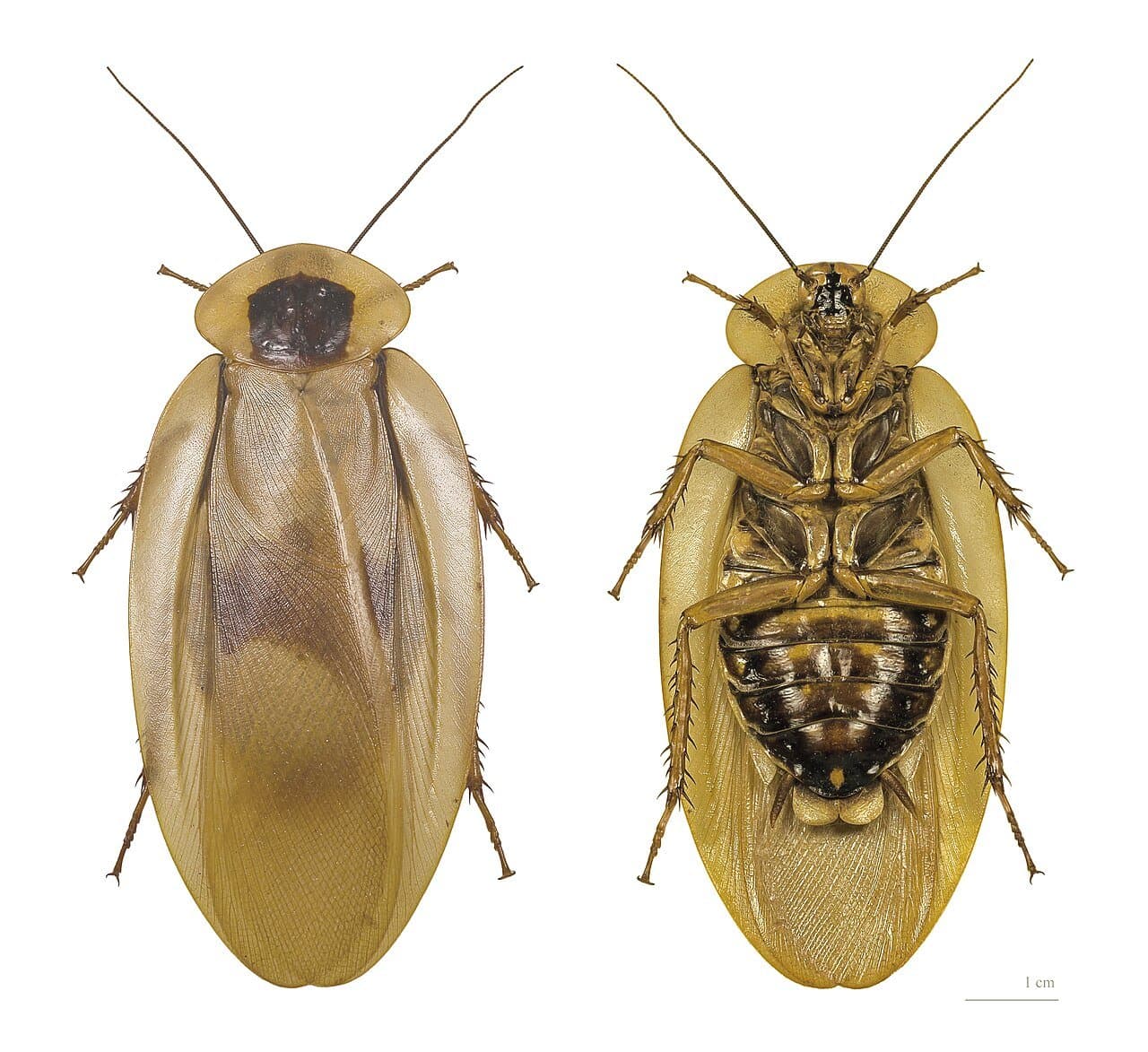 Giant CockroachBlaberus speciesA big, glossy tropical cockroach from Central and South America that grows three inches long and helps break down dead plants.
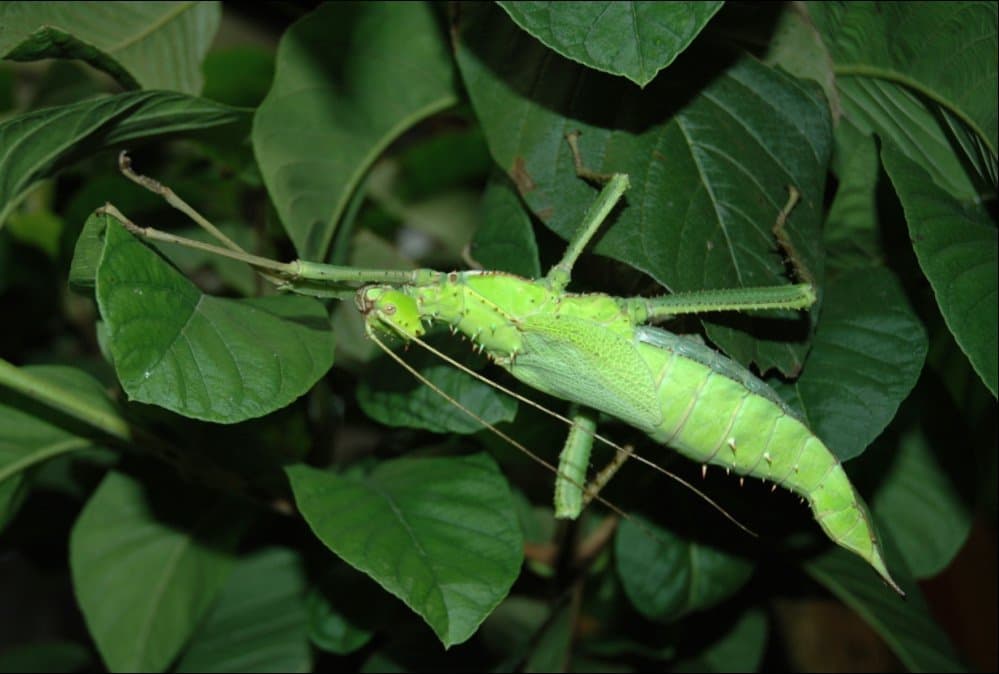 Jungle NymphHeteropteryx dilatataA big, thorny, leaf-green stick insect of tropical rainforests whose females snap their spiny back legs together in defense.
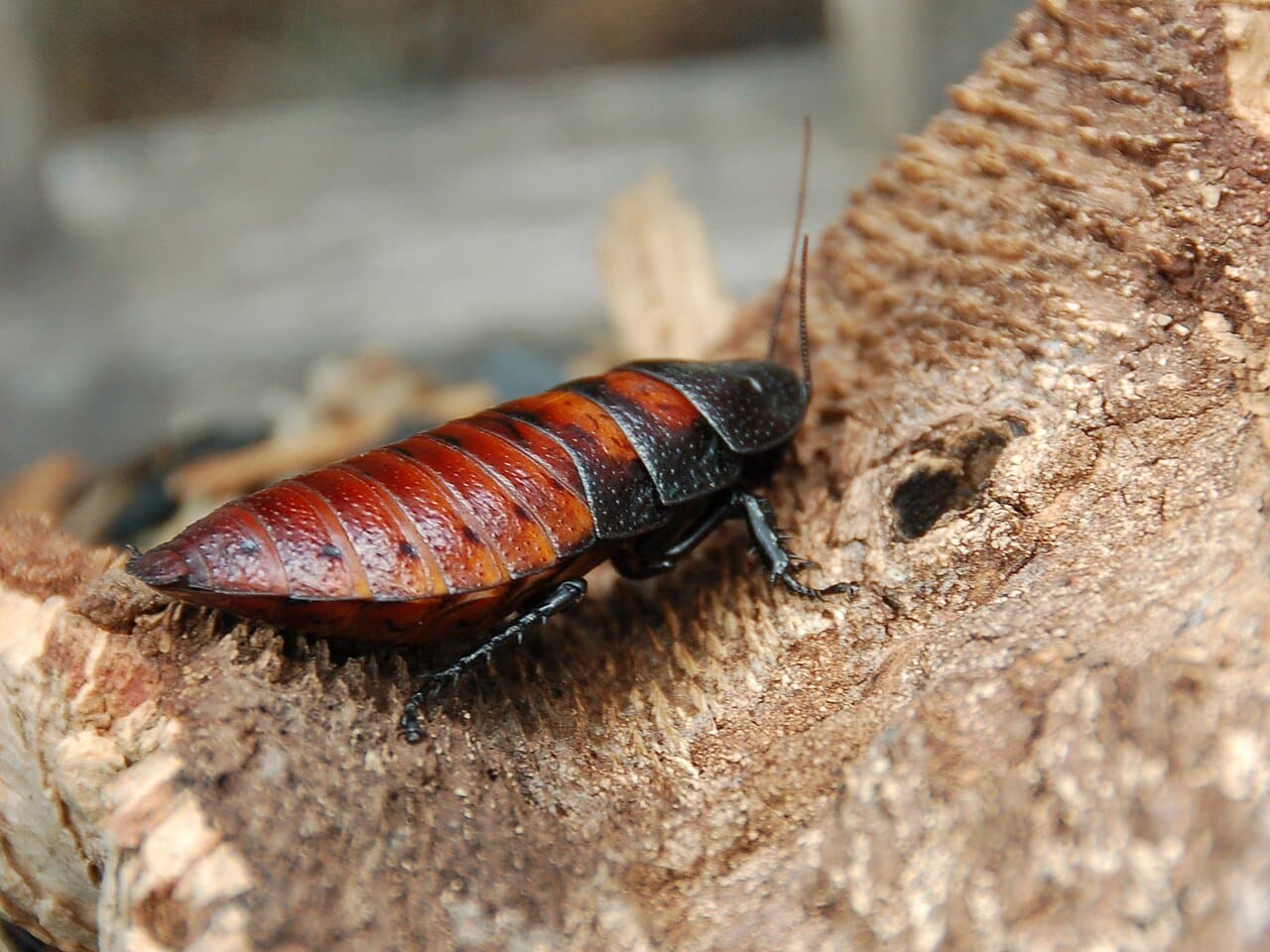 Madagascar Hissing CockroachGromphadorhina portentosaA large, wingless cockroach from Madagascar that hisses by pushing air out of its breathing holes.
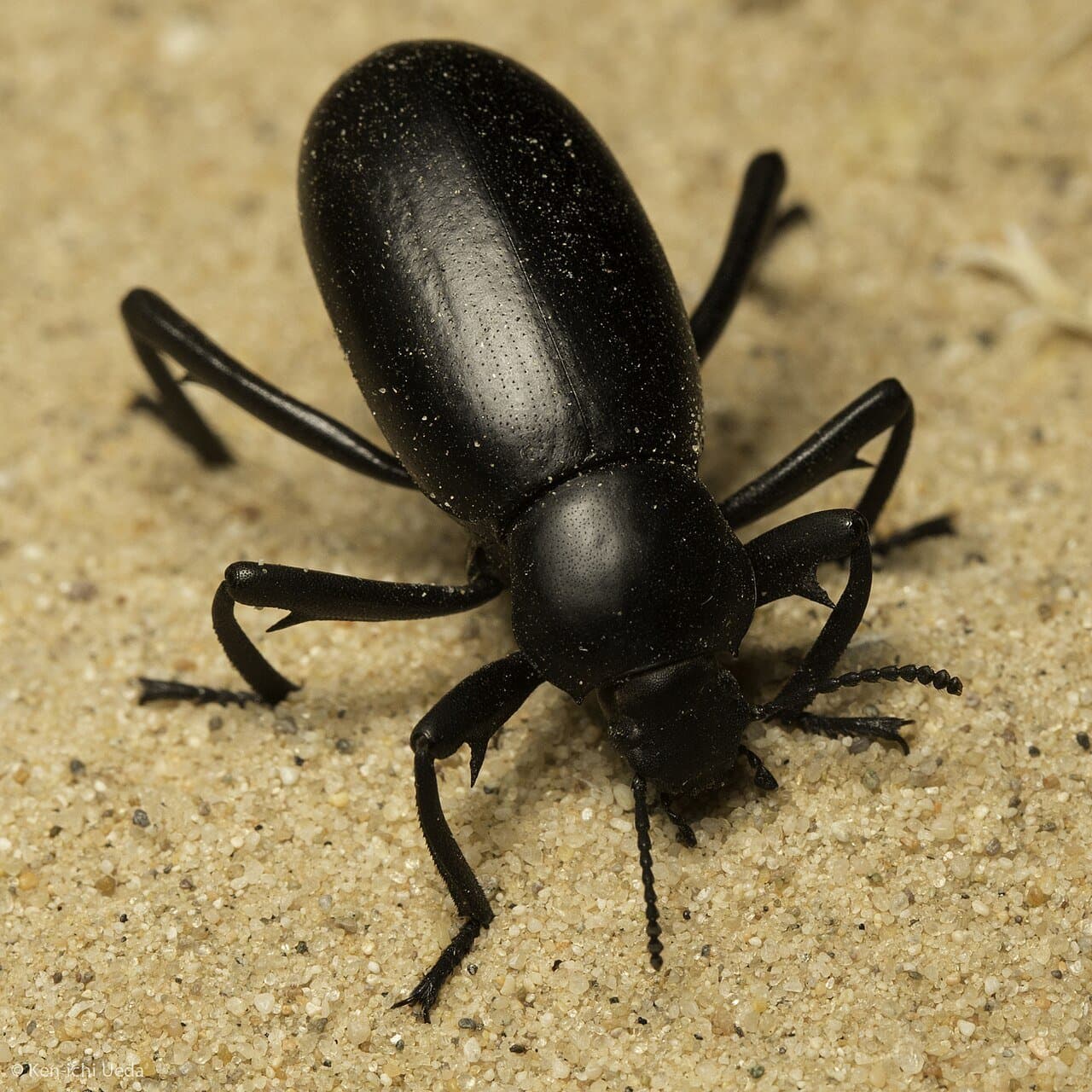 Pinacate BeetleEleodes speciesA black desert darkling beetle of the western U.S., also called the stink beetle, that does a headstand and sprays a bad smell.
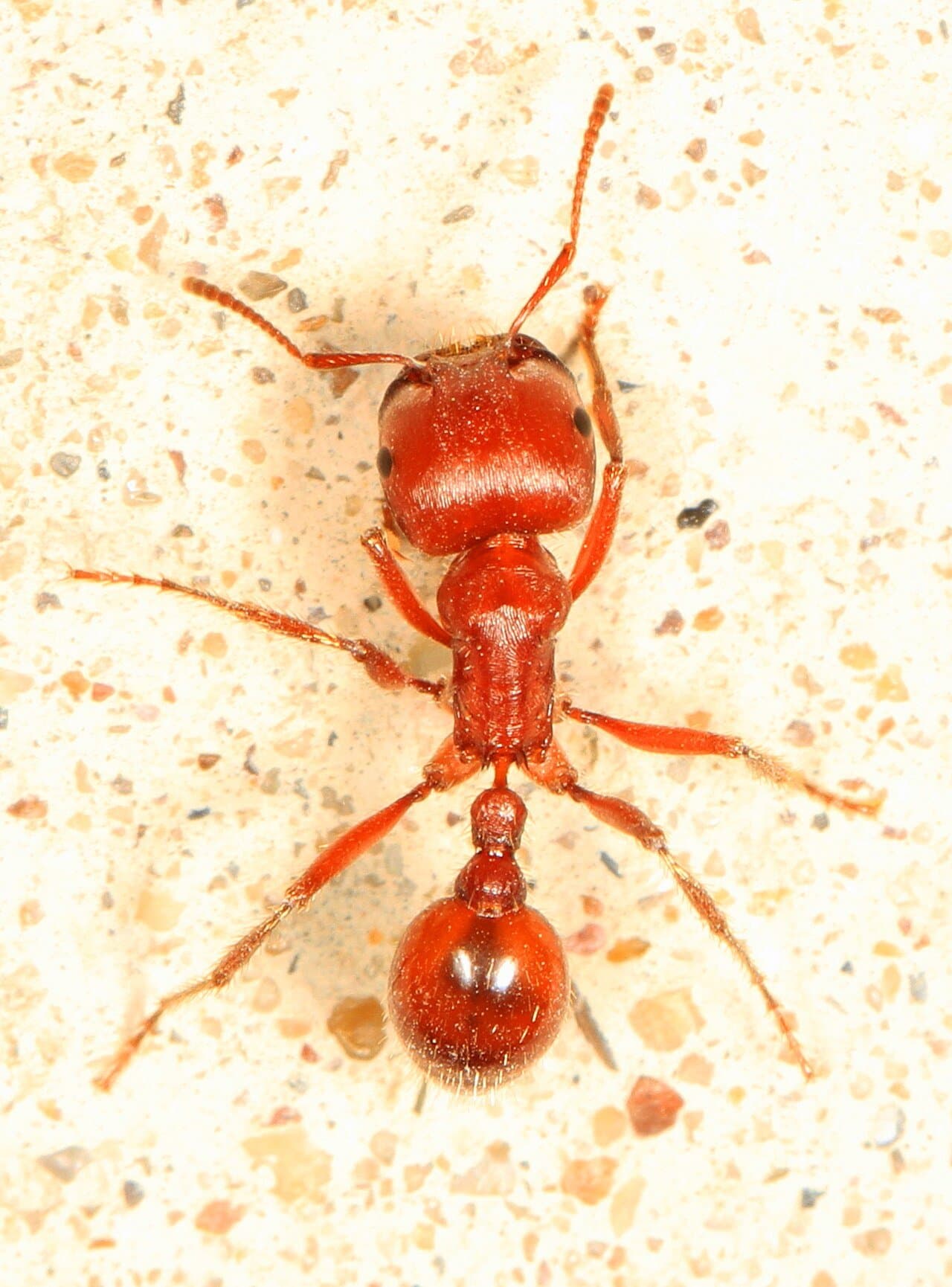 Red Harvester AntPogonomyrmex barbatusA seed-collecting desert ant of the southwestern U.S. with a painful sting, often mistaken for fire ants.
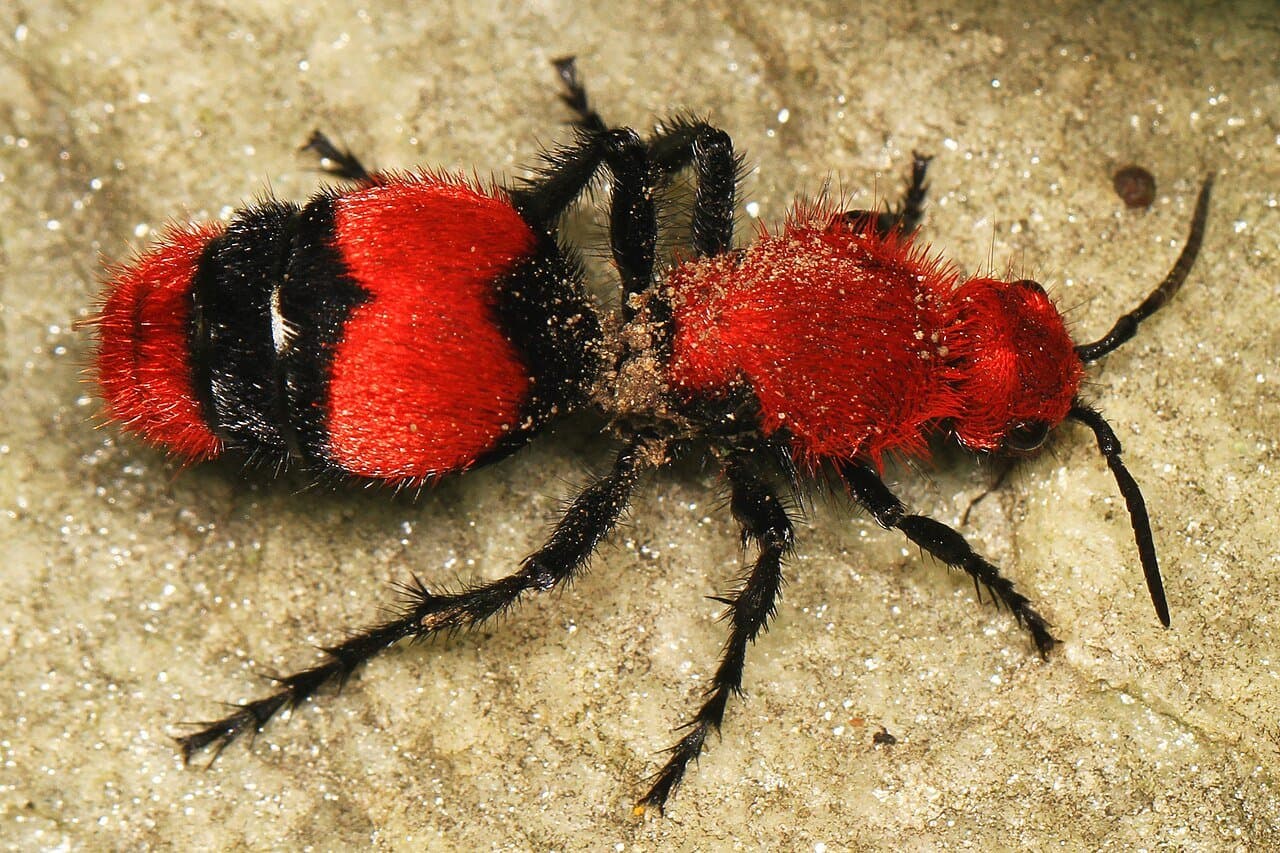 Velvet AntFamily MutillidaeNot an ant at all: a fuzzy, brightly colored wasp whose wingless females have a very painful sting.
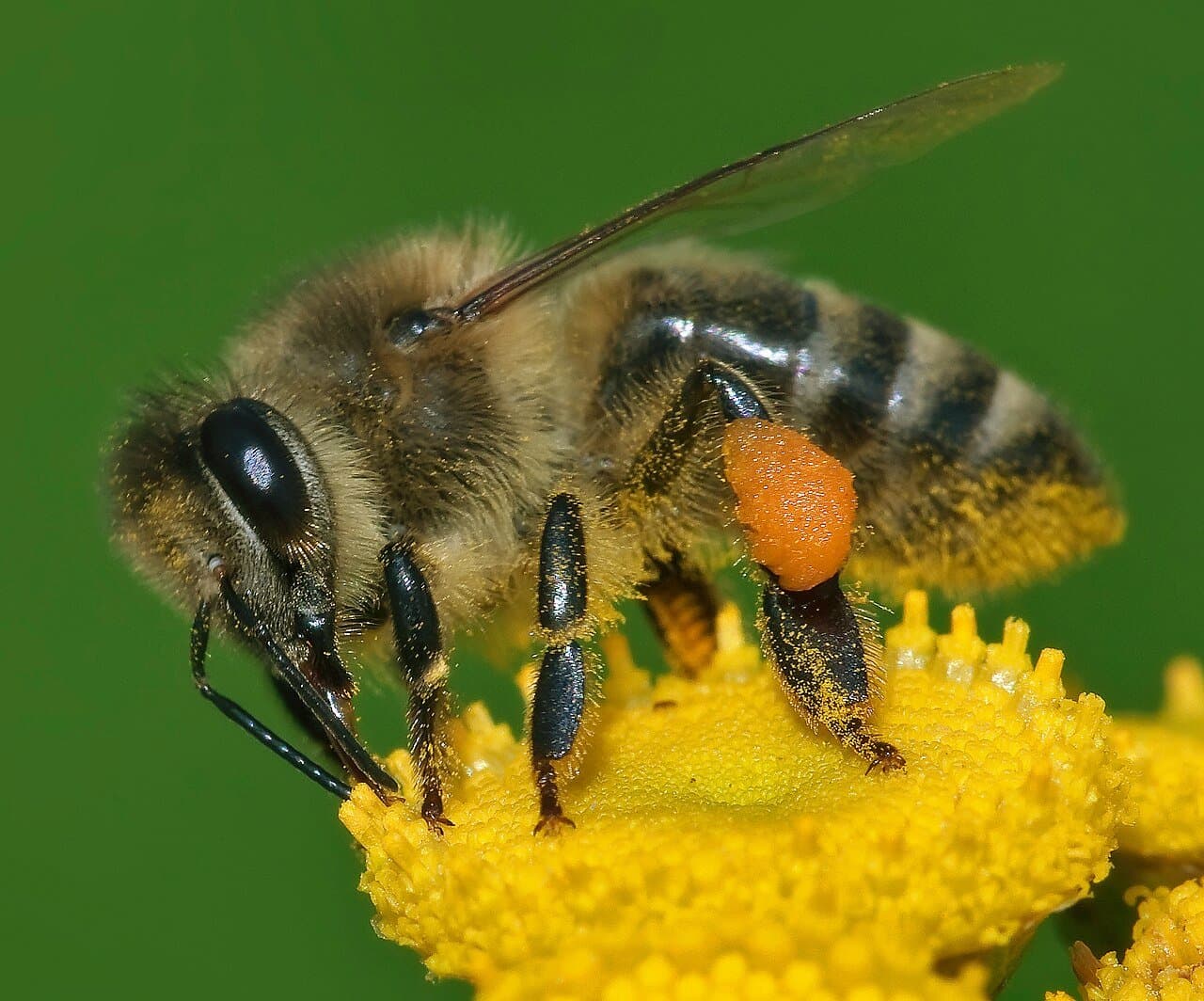 Western Honey BeeApis melliferaThe familiar honey-making bee, which lives in large, organized hives with a queen, drones and workers.
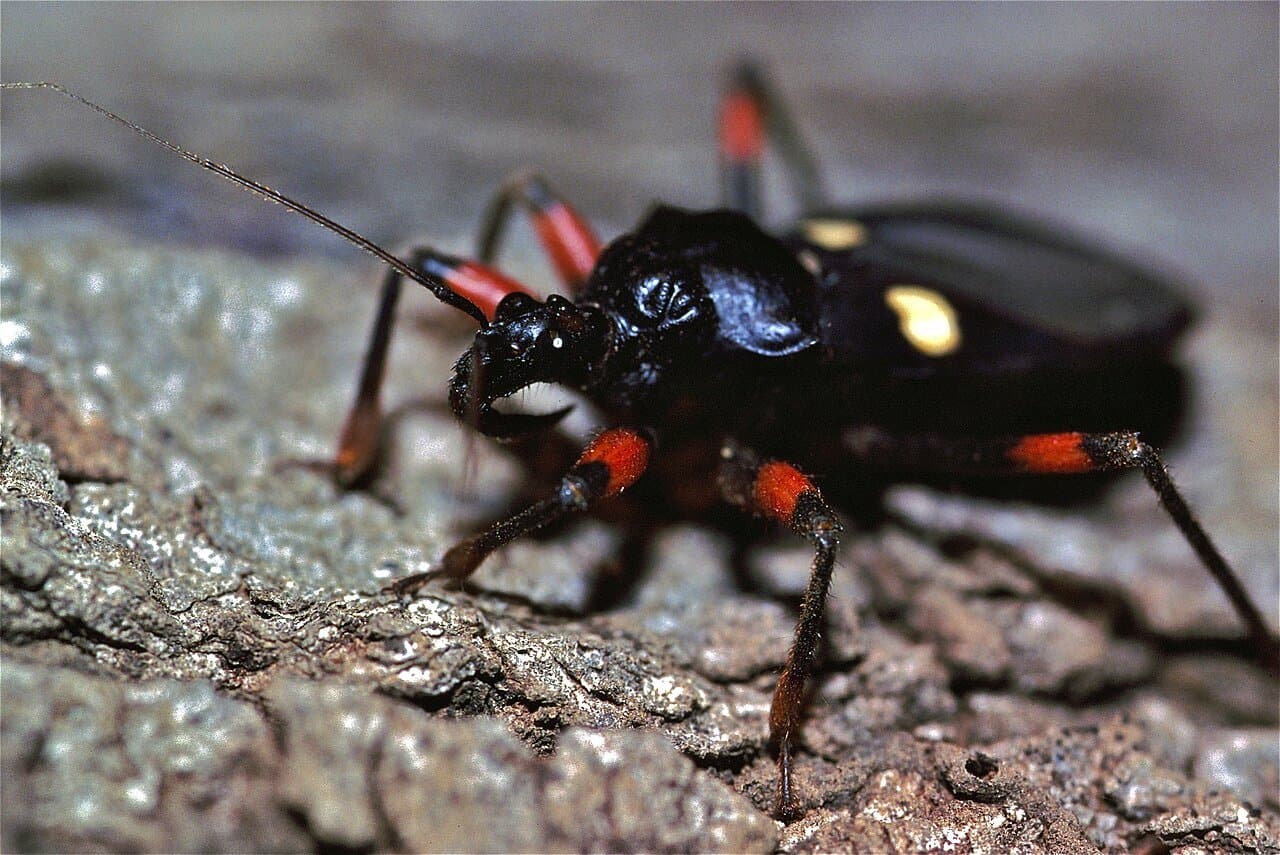 White-Spotted Assassin BugPlatymeris biguttataA black African assassin bug with two big white spots that stabs insect prey with its beak and injects digestive juices.