
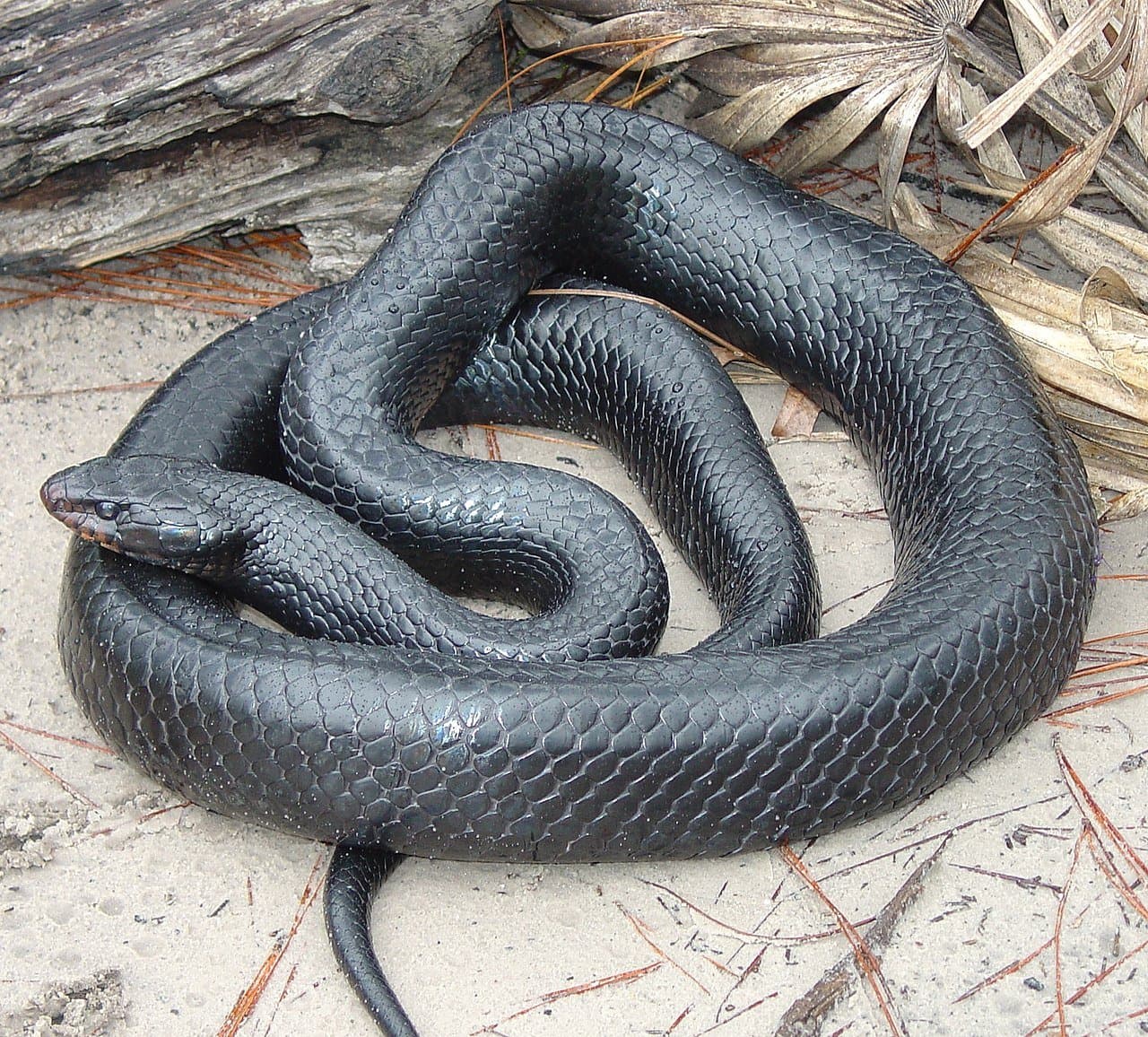
Eastern Indigo Snake
Drymarchon couperi
The largest native nonvenomous snake in the United States, a glossy black snake that shines blue in sunlight and even eats rattlesnakes.
Checking teacher reviews…
About the Eastern Indigo Snake
Eastern indigo snakes are the largest native nonvenomous snakes in the U.S., reaching up to 8 feet. They live in longleaf pine forests, sandhills, wetlands and coastal scrub, and healthy populations remain mainly in southern Georgia and Florida. They often hide in gopher tortoise burrows. Instead of squeezing their prey, they overpower it with strong jaws and swallow it whole.[1]
Quick facts
- Scientific name
- Drymarchon couperi[1]
- Size
- Up to 8 feet long. Males are usually larger.[1]
- Lifespan
- Can approach 20 years.[1]
- Diet
- Carnivore. Almost any animal it can overpower, including venomous snakes.[1]
- Habitat
- Longleaf pine forests, sandhills, pine flatwoods, wetlands and coastal scrub.[1]
- Where it lives
- The southeastern Coastal Plain; now mainly southern Georgia and Florida.[1]
- Babies
- 4 to 12 eggs, which take about three months to hatch.[1]
- Conservation status
- Least Concern (IUCN Red List, assessed 2007).[2]
Fun facts
Vocabulary
- nonvenomous
- Not able to inject poison.
- iridescent
- Showing shimmering colors that change with the angle of light.
- immune
- Protected from being harmed by something, like a poison.
- fragmented
- Broken into small, separated pieces.
- longleaf pine
- A tall pine tree that once covered much of the southeastern U.S.
See it in person
- Zoo AtlantaAtlanta, Georgia · All AnimalsSee this animal on the zoo's website ↗
Sources
- [1] Zoo Atlanta. “Eastern Indigo Snake.” https://zooatlanta.org/animal/eastern-indigo-snake/ (accessed 2026-10-02)
- [2] IUCN Red List of Threatened Species. “Drymarchon couperi.” https://www.iucnredlist.org/species/63773/12714602 (accessed 2026-10-02)
Facts last checked 2026-10-02.
More Snakes
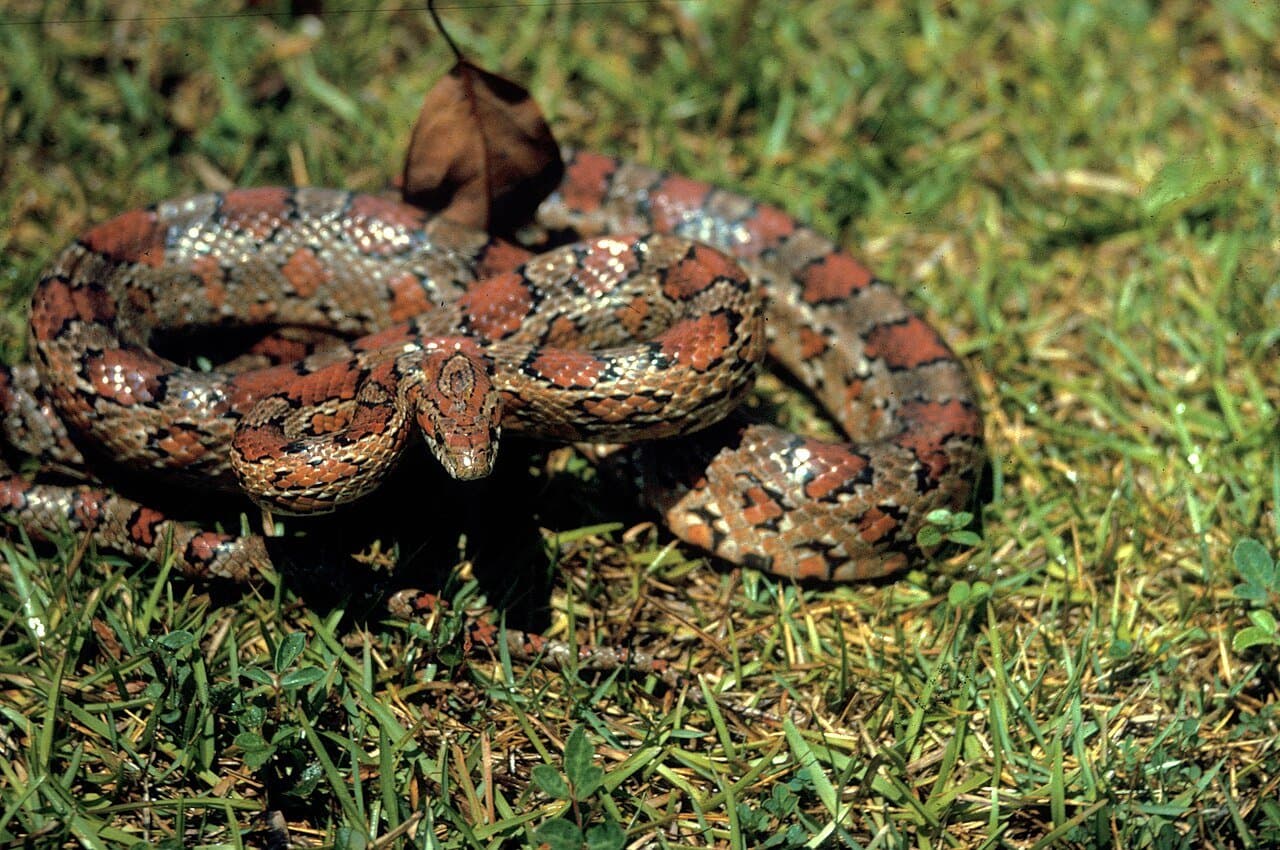 Corn SnakePantherophis guttatusA harmless orange-and-red constrictor of the eastern United States, also called the red rat snake, with a belly like Flint corn.
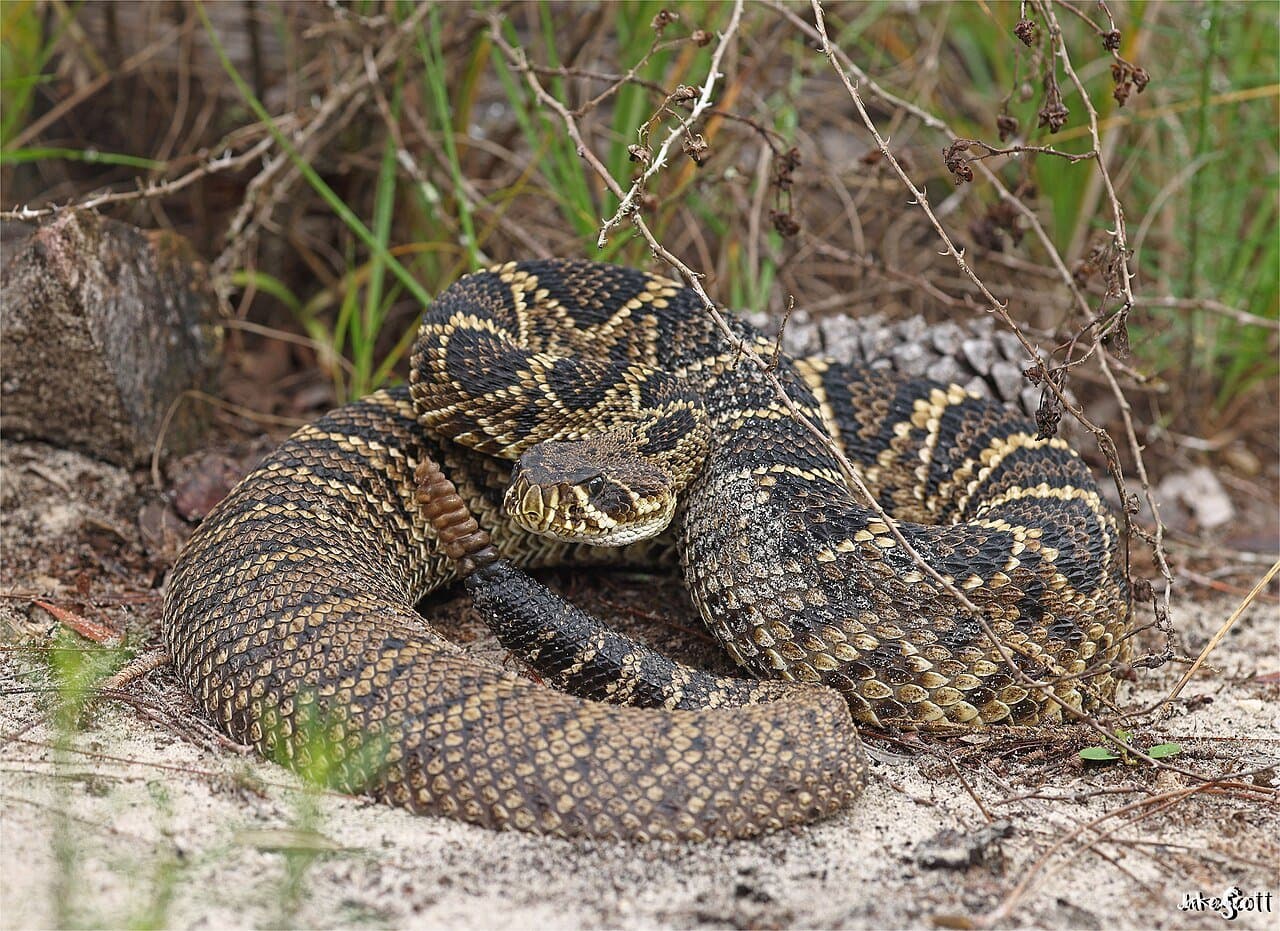 Eastern Diamondback RattlesnakeCrotalus adamanteusThe largest venomous snake in the United States, a quiet, reclusive rattlesnake of southeastern pine forests.
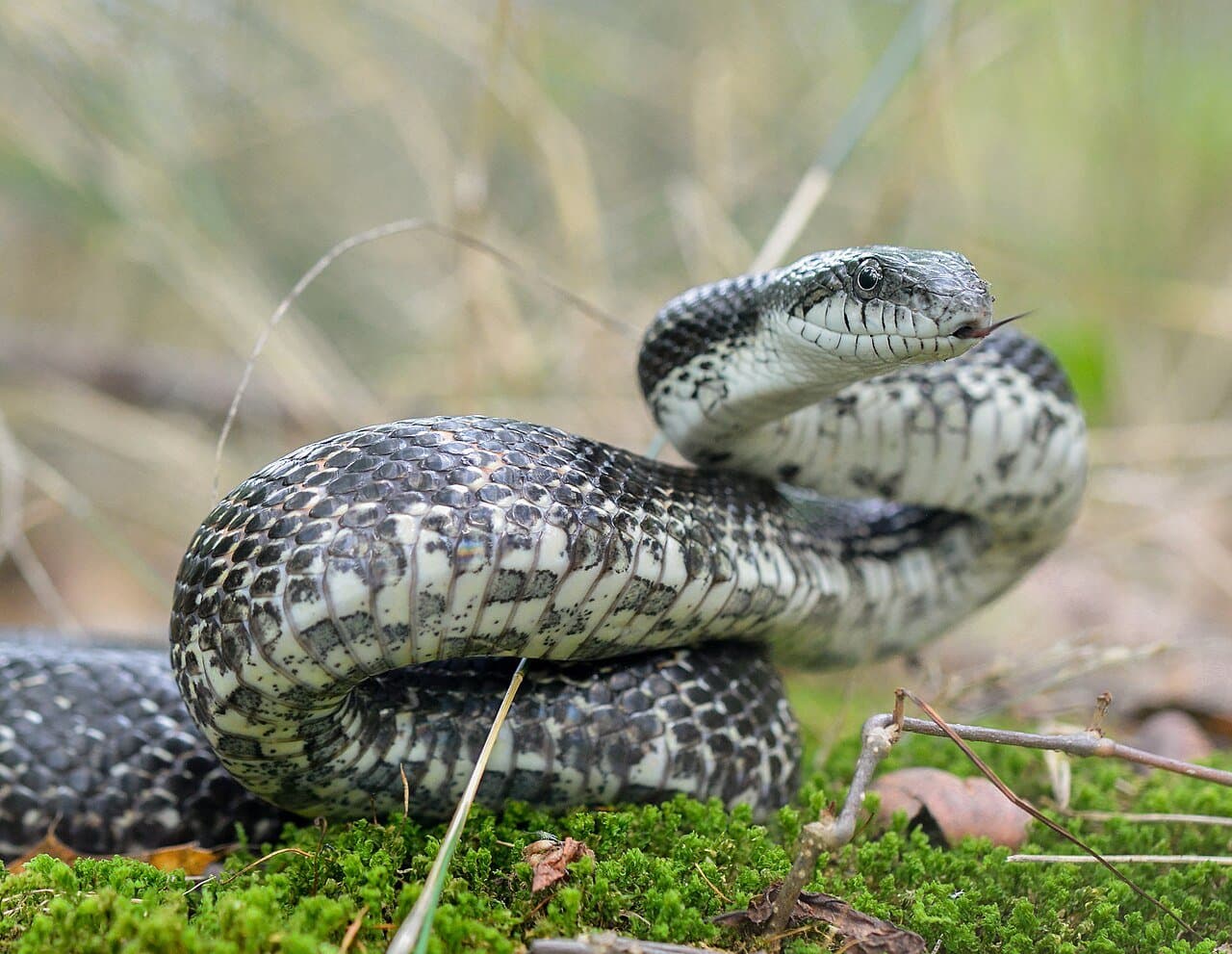 Gray Rat SnakePantherophis spiloidesA harmless, tree-climbing constrictor of the eastern and southeastern United States that eats rodents, birds and eggs.
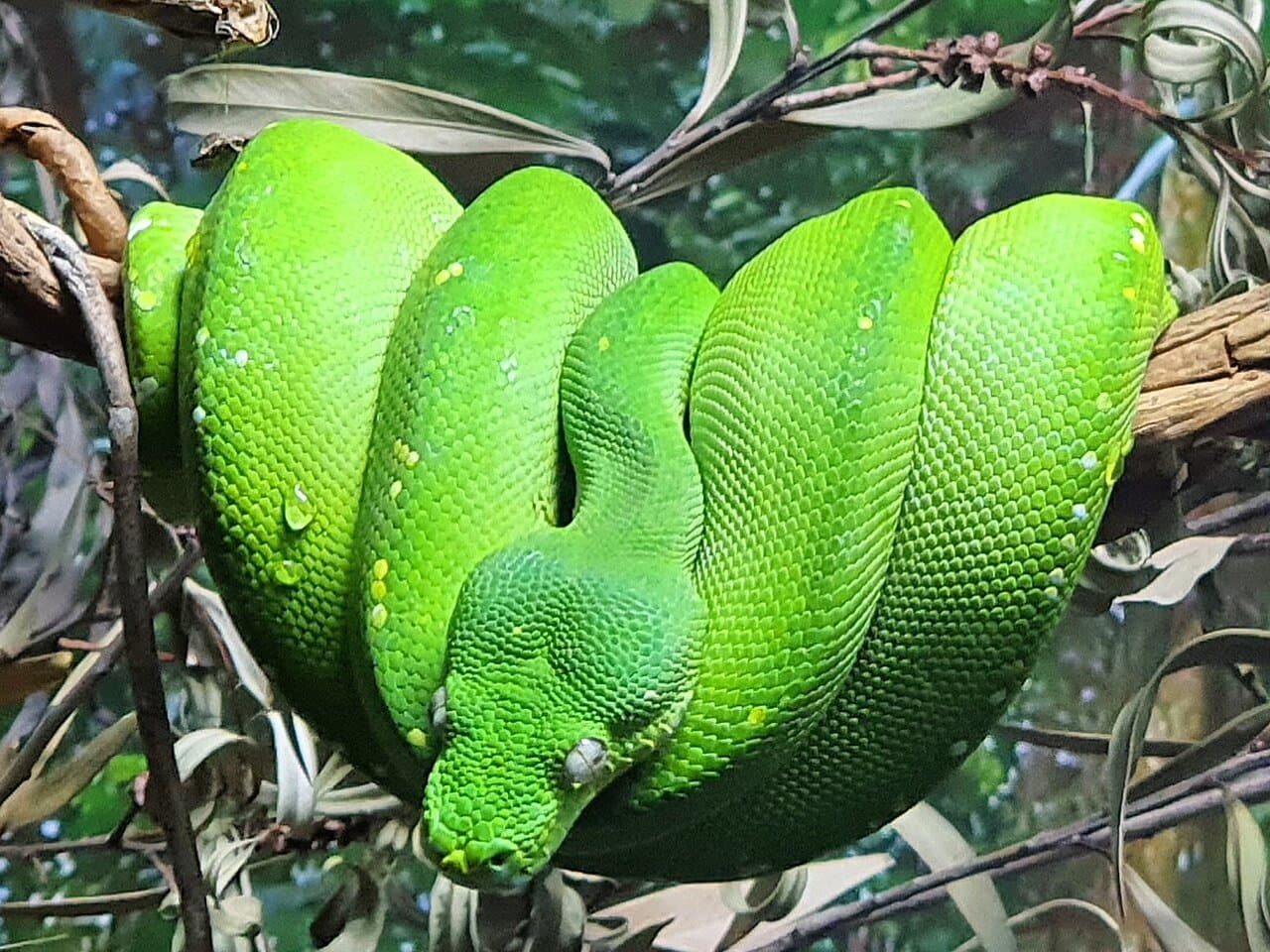 Green Tree PythonMorelia viridisA bright green rainforest python of New Guinea and northern Australia whose babies hatch yellow or red and later turn green.
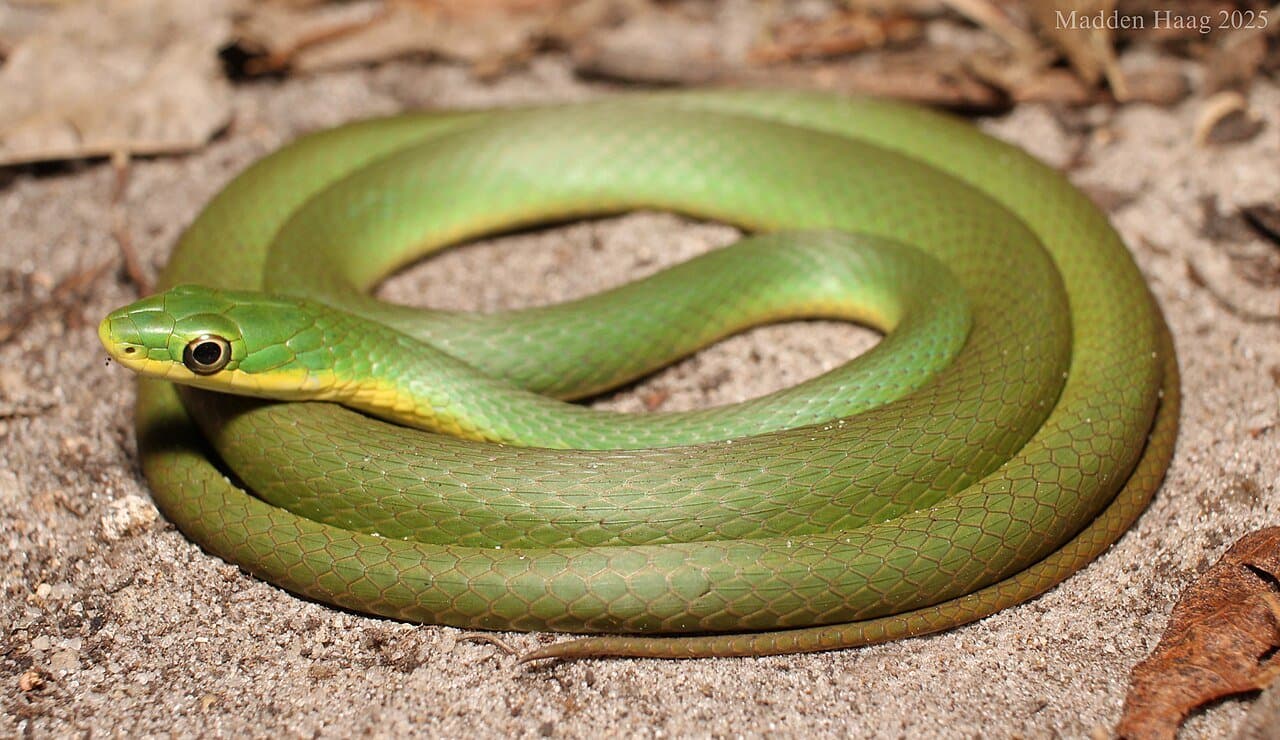 Rough Green SnakeOpheodrys aestivusA slender, harmless green snake of the southeastern United States that lives in shrubs and trees and eats insects and spiders.
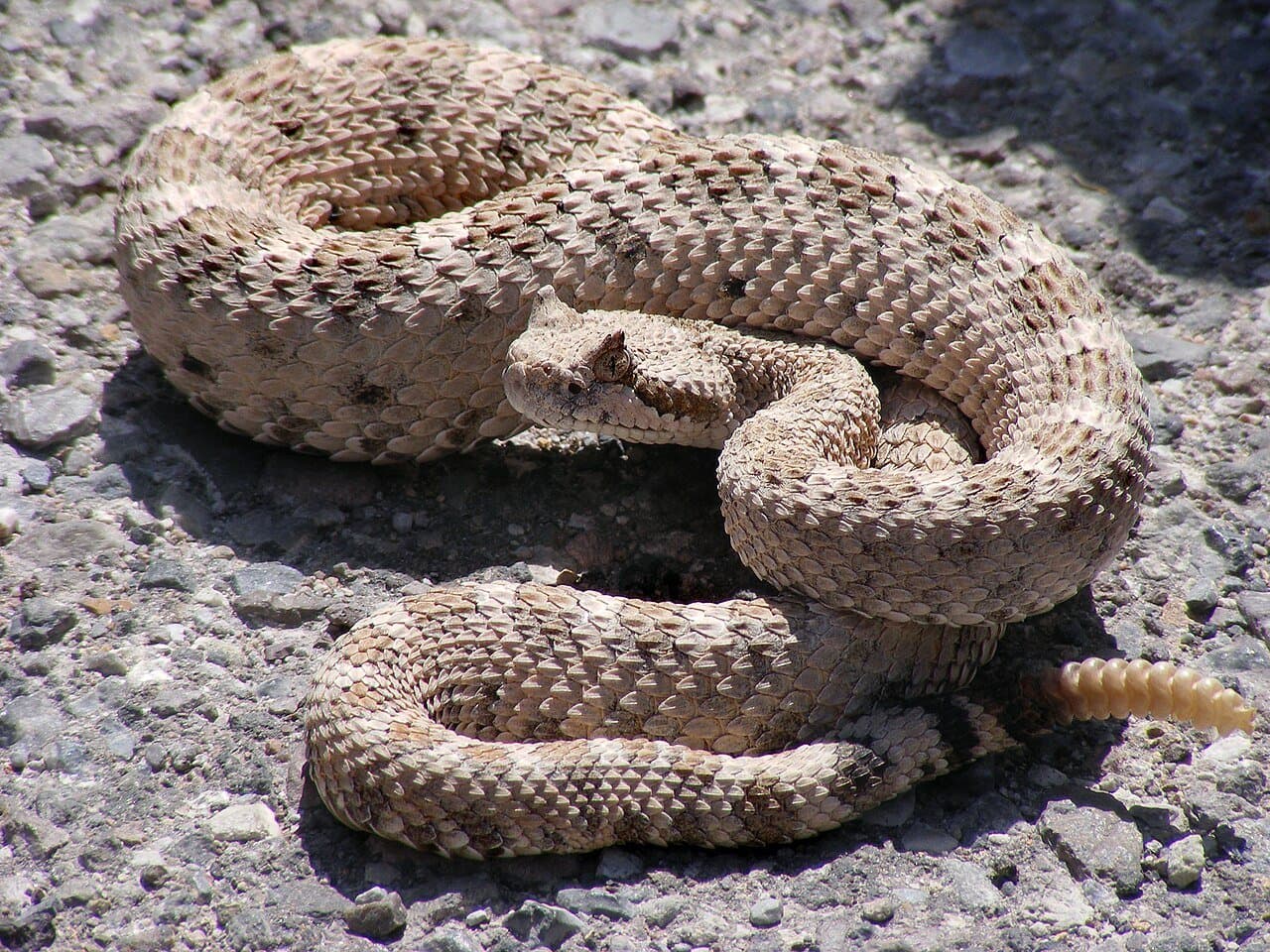 SidewinderCrotalus cerastesA small desert rattlesnake of the southwestern U.S. and Mexico that moves sideways across loose sand, making it the fastest rattlesnake.