
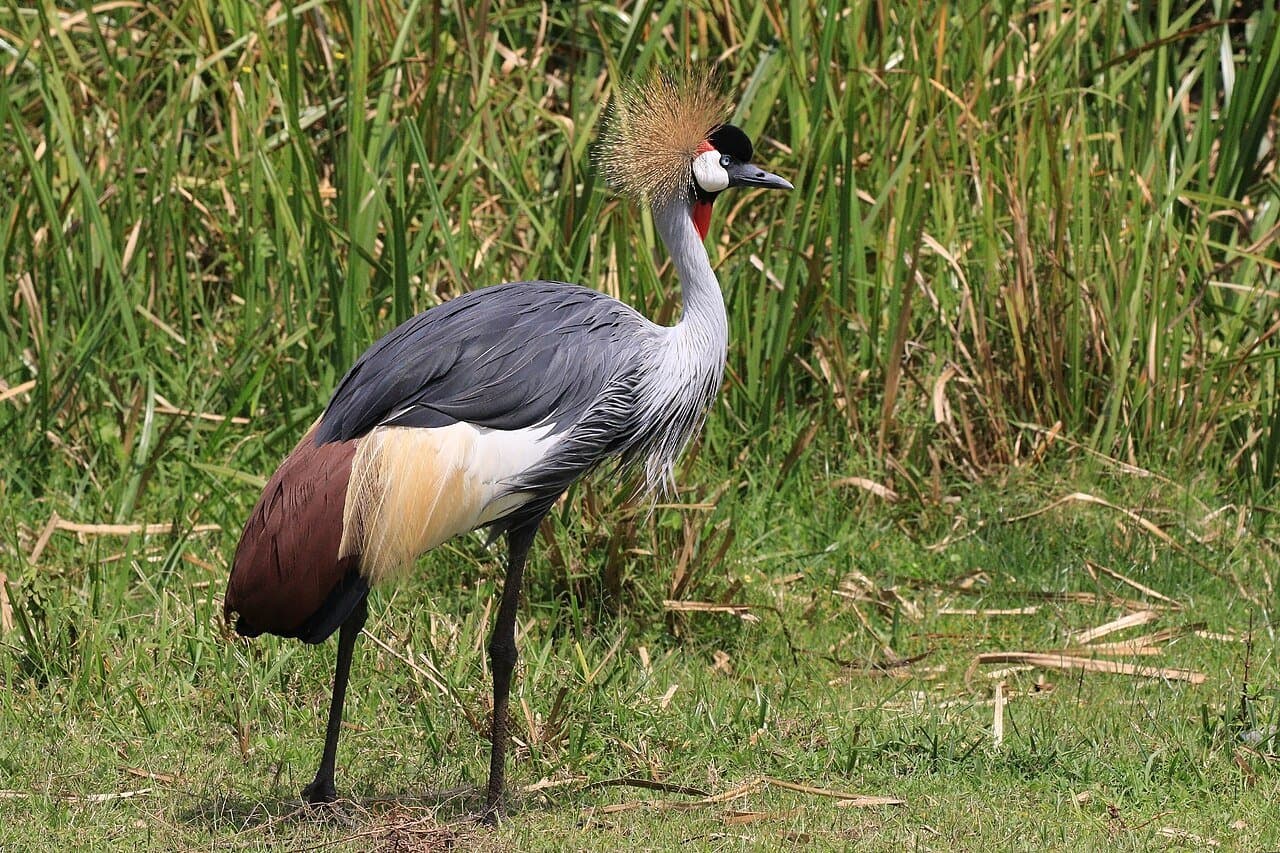
Grey Crowned Crane
Balearica regulorum (East African crowned crane: B. r. gibbericeps)
An endangered African crane with a crown of stiff golden feathers, shown on the flag of Uganda. Also called the East African crowned crane.
Checking teacher reviews…
About the Grey Crowned Crane
Grey crowned cranes live in East and southern Africa, from Uganda and Kenya down to South Africa. They stand about 3 feet tall and have grey bodies, white wings, white cheek patches, a red pouch under the chin and a crown of stiff golden feathers. They eat grass tips, seeds, insects and small animals, and sometimes crops like maize and millet. Crowned cranes are the only cranes that roost in trees.[1][2]
Quick facts
- Scientific name
- Balearica regulorum (East African crowned crane: B. r. gibbericeps)[1]
- Size
- About 3 feet (104 cm) tall.[1]
- Weight
- About 8 pounds (3.6 kg).[1]
- Diet
- Omnivore. Grass tips, seeds, insects and other invertebrates, small vertebrates, and crops such as groundnuts, soybeans, maize and millet.[1]
- Where it lives
- From the eastern Democratic Republic of Congo, Uganda and Kenya to southeastern South Africa. Most common in Uganda, Kenya and Tanzania.[1]
Fun facts
- Crowned cranes are the only cranes that roost in trees.[2]
- Uganda's flag shows a crowned crane, making it one of the few national flags with a bird on it.[2]
- Cranes young and old do elaborate dances, sometimes just for fun.[2]
- A grey crowned crane has a red pouch of skin under its chin called a gular sac.[1]
Vocabulary
- roost
- To rest or sleep perched up high, such as on a tree branch.
- wetland
- Land that is covered by shallow water some or all of the year, like a marsh or swamp.
- gular sac
- A pouch of bare skin on a bird's throat.
- invertebrate
- An animal without a backbone, such as an insect or worm.
- subspecies
- A group within a species that lives in a certain area and looks a little different from other groups.
See it in person
- Montgomery ZooMontgomery, Alabama · AfricaSee this area on the zoo's website ↗
- Montgomery ZooMontgomery, Alabama · Africa ForestSee this area on the zoo's website ↗
Sources
- [1] International Crane Foundation. “Grey Crowned Crane.” https://savingcranes.org/species/grey-crowned-crane/ (accessed 2026-10-02)
- [2] San Diego Zoo Wildlife Alliance. “Crane.” https://animals.sandiegozoo.org/animals/crane (accessed 2026-10-02)
- [3] IUCN Red List of Threatened Species. “Balearica regulorum (Grey Crowned Crane).” https://www.iucnredlist.org/species/22692046/240198049 (accessed 2026-10-02)
Facts last checked 2026-10-02.
More Wading Birds
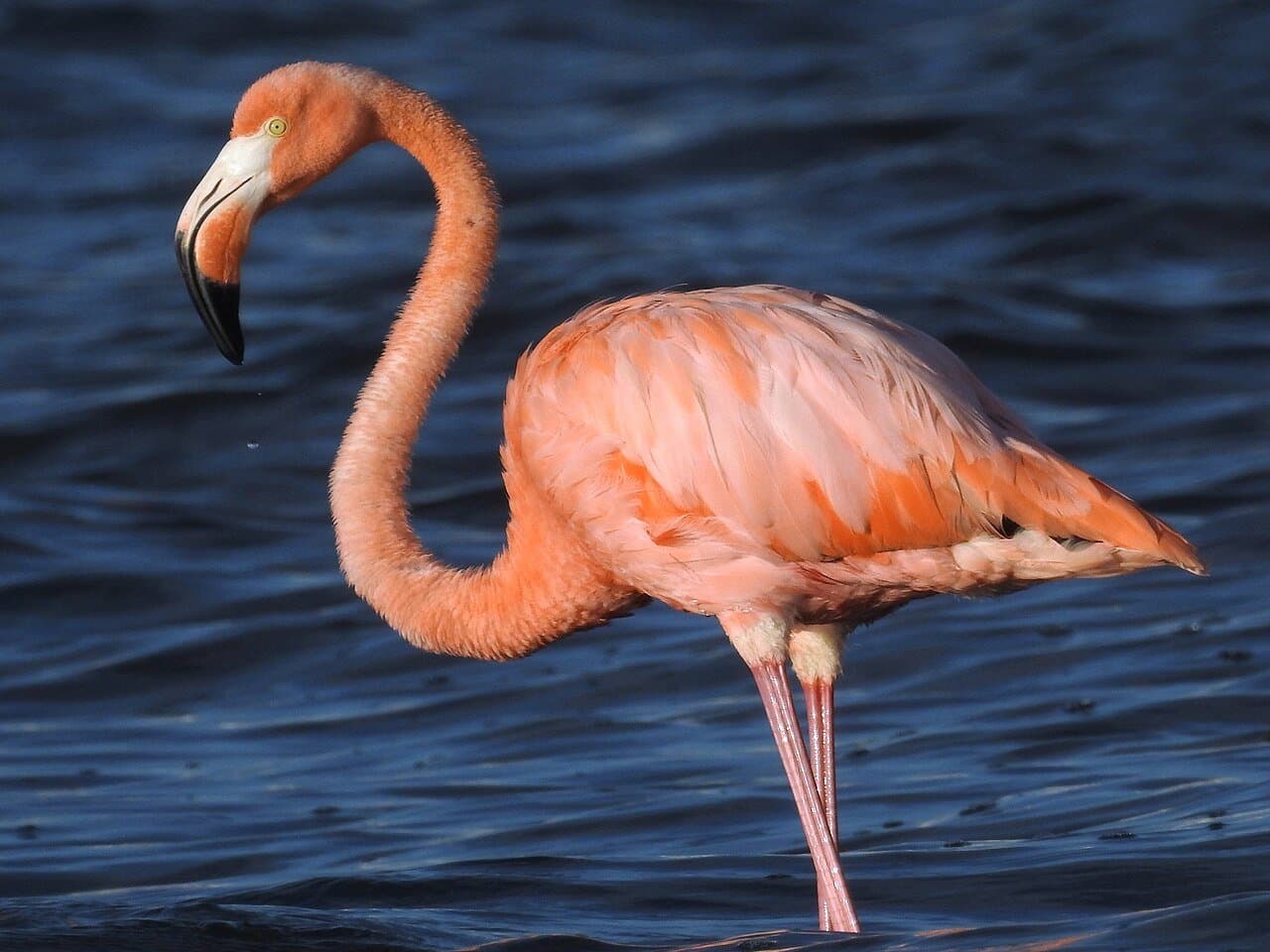 American FlamingoPhoenicopterus ruberThe brightest-colored flamingo, also called the Caribbean flamingo, that filter-feeds with its bill upside down.
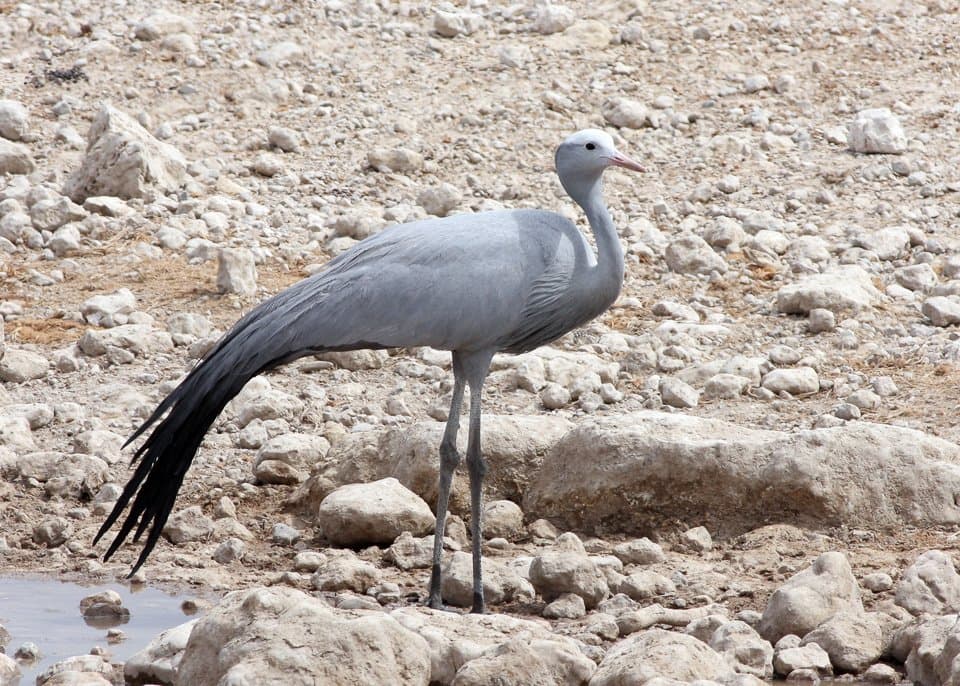 Blue CraneAnthropoides paradiseusThe national bird of South Africa, a blue-gray crane of grasslands famous for courtship dances that can last for hours.
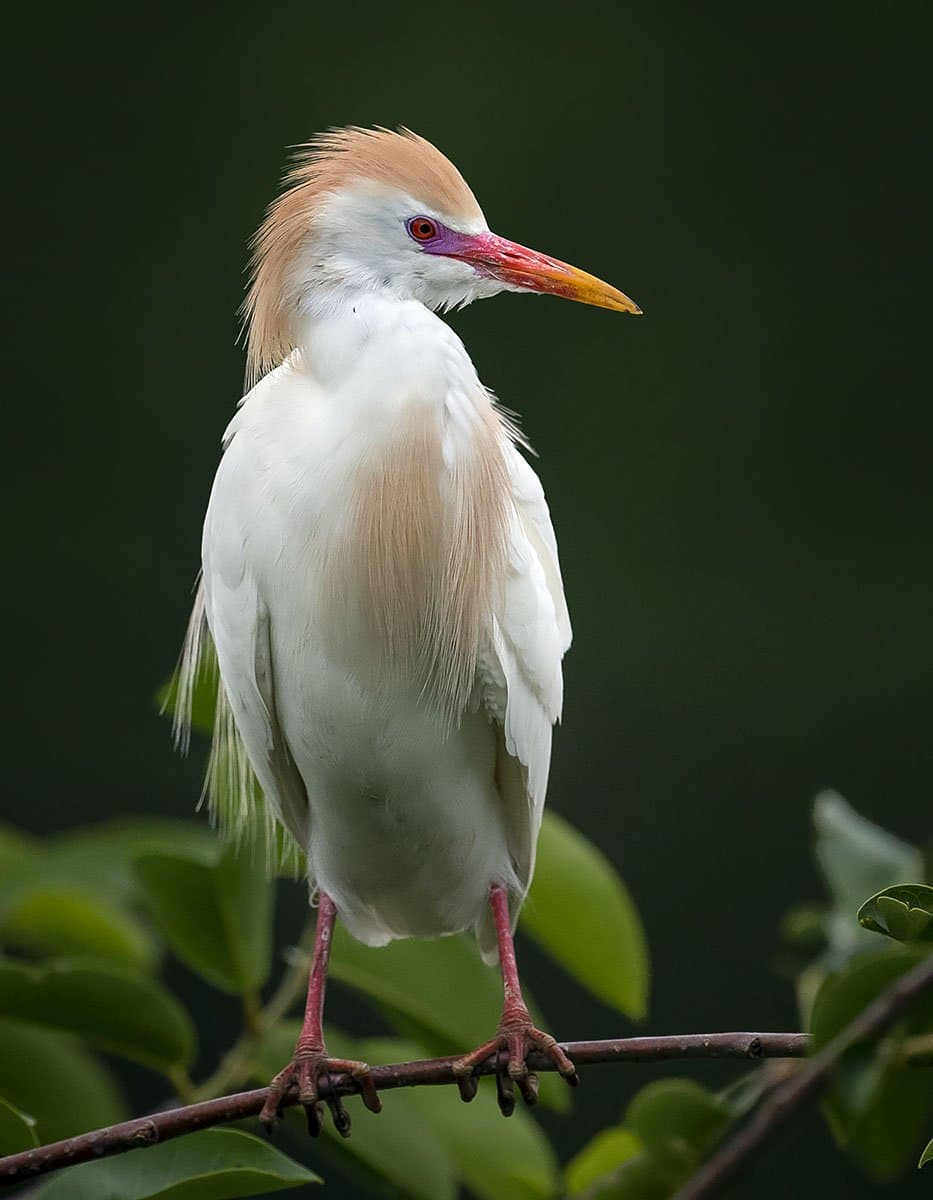 Cattle EgretBubulcus ibisA small white heron that follows grazing animals to catch the insects they stir up, and has spread from Africa around the world.
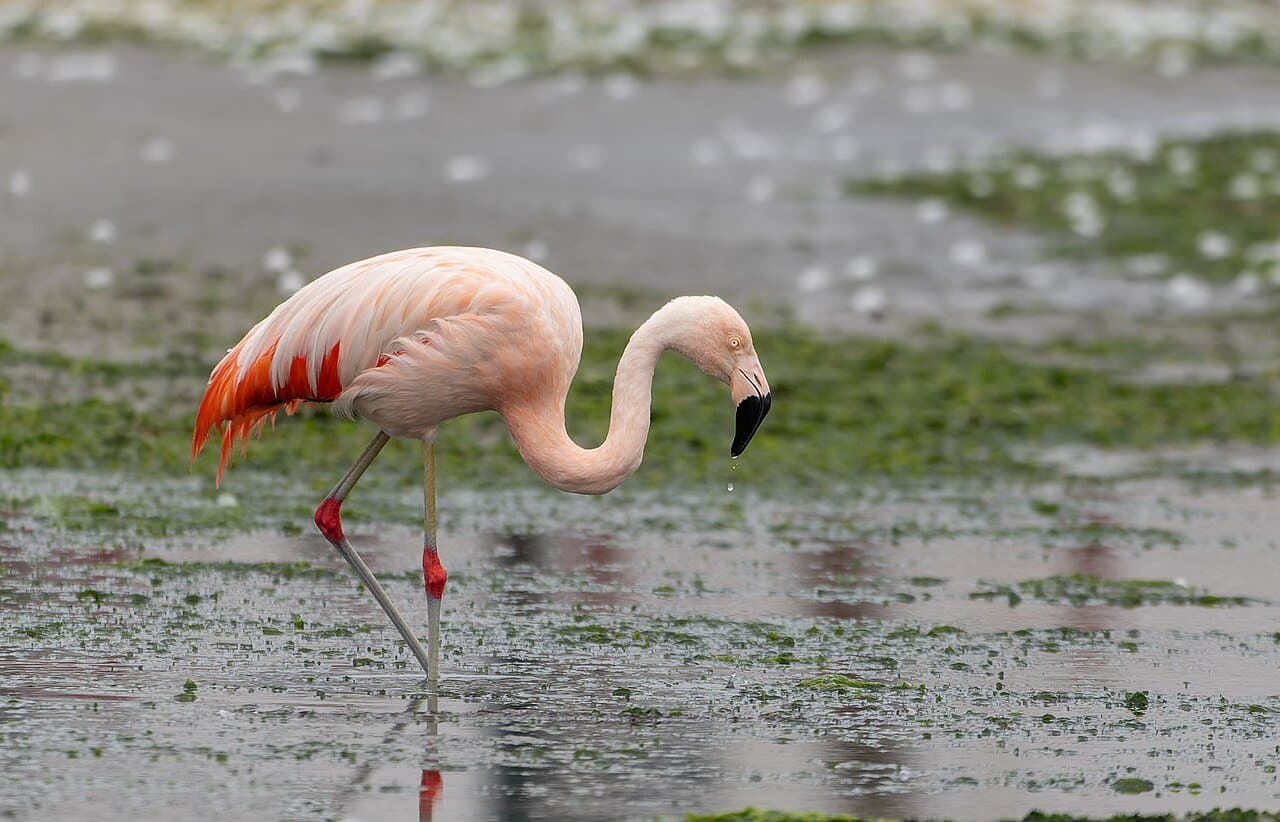 Chilean FlamingoPhoenicopterus chilensisA pink flamingo of the high, cold salt flats of the southern Andes that feeds with its head upside down.
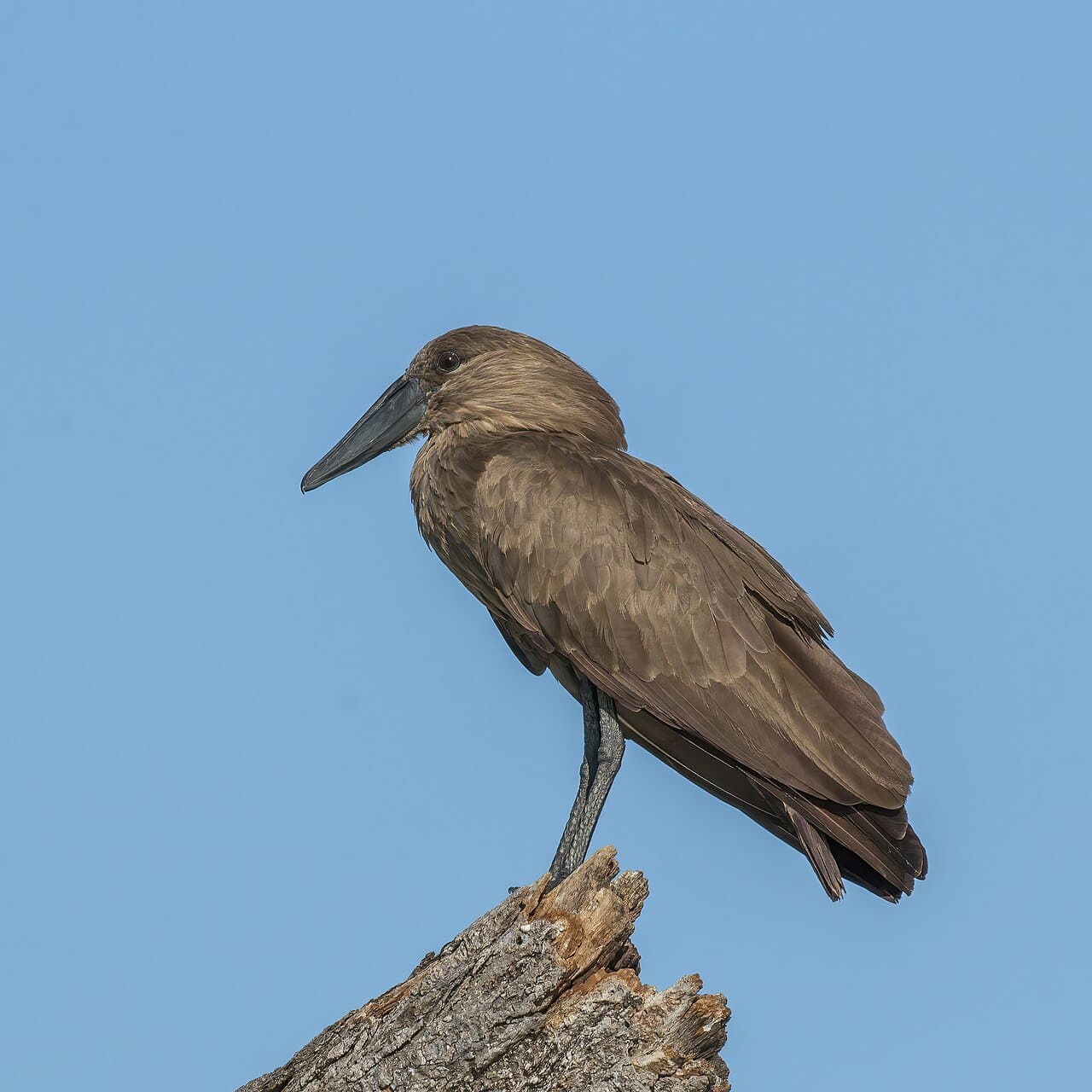 HamerkopScopus umbrettaA brown African wading bird with a hammer-shaped head that builds the biggest nest of any bird in Africa.
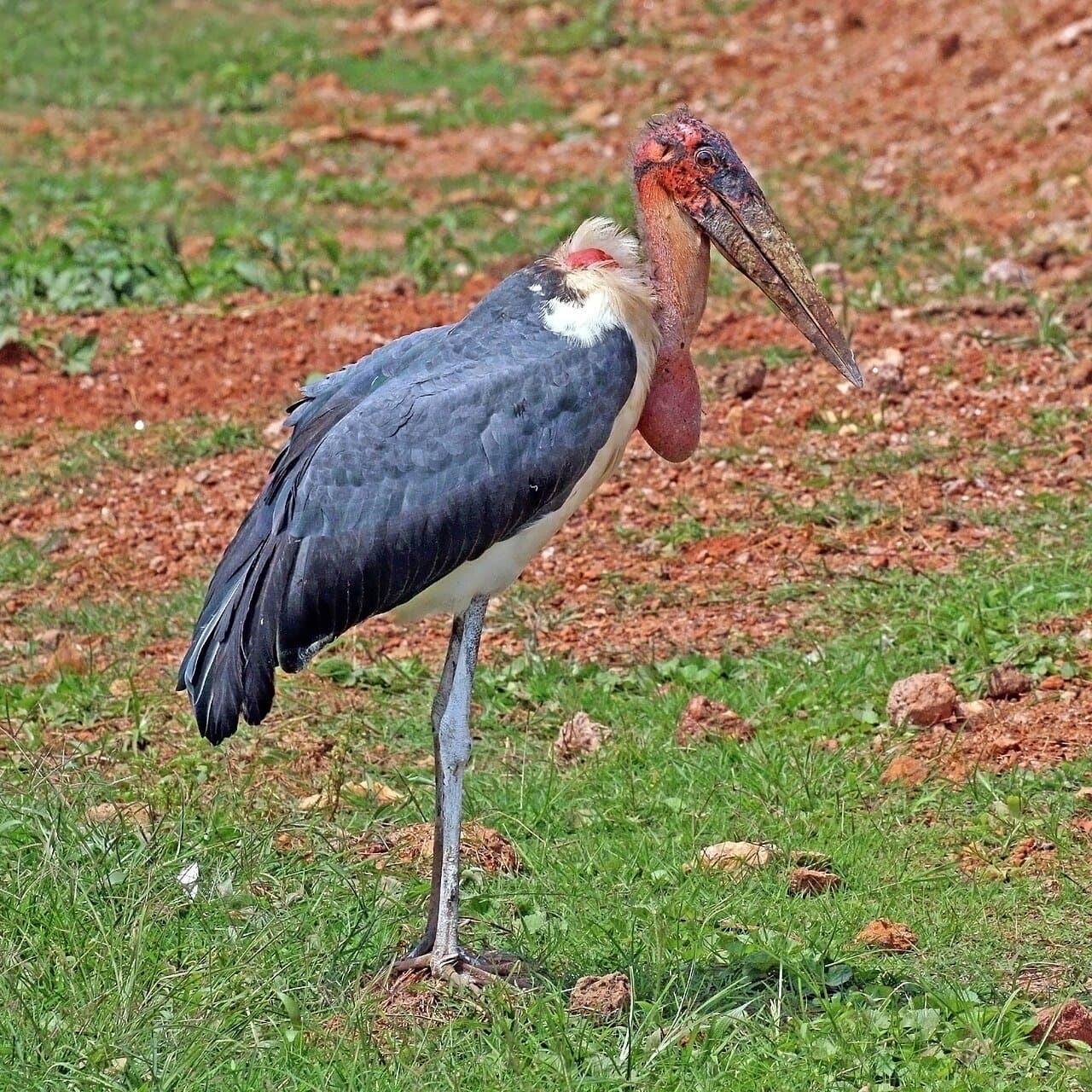 Marabou StorkLeptoptilos crumeniferA huge, bald-headed African stork that feeds mostly on dead animals and often gathers near lakes, rivers, garbage dumps and fishing villages.
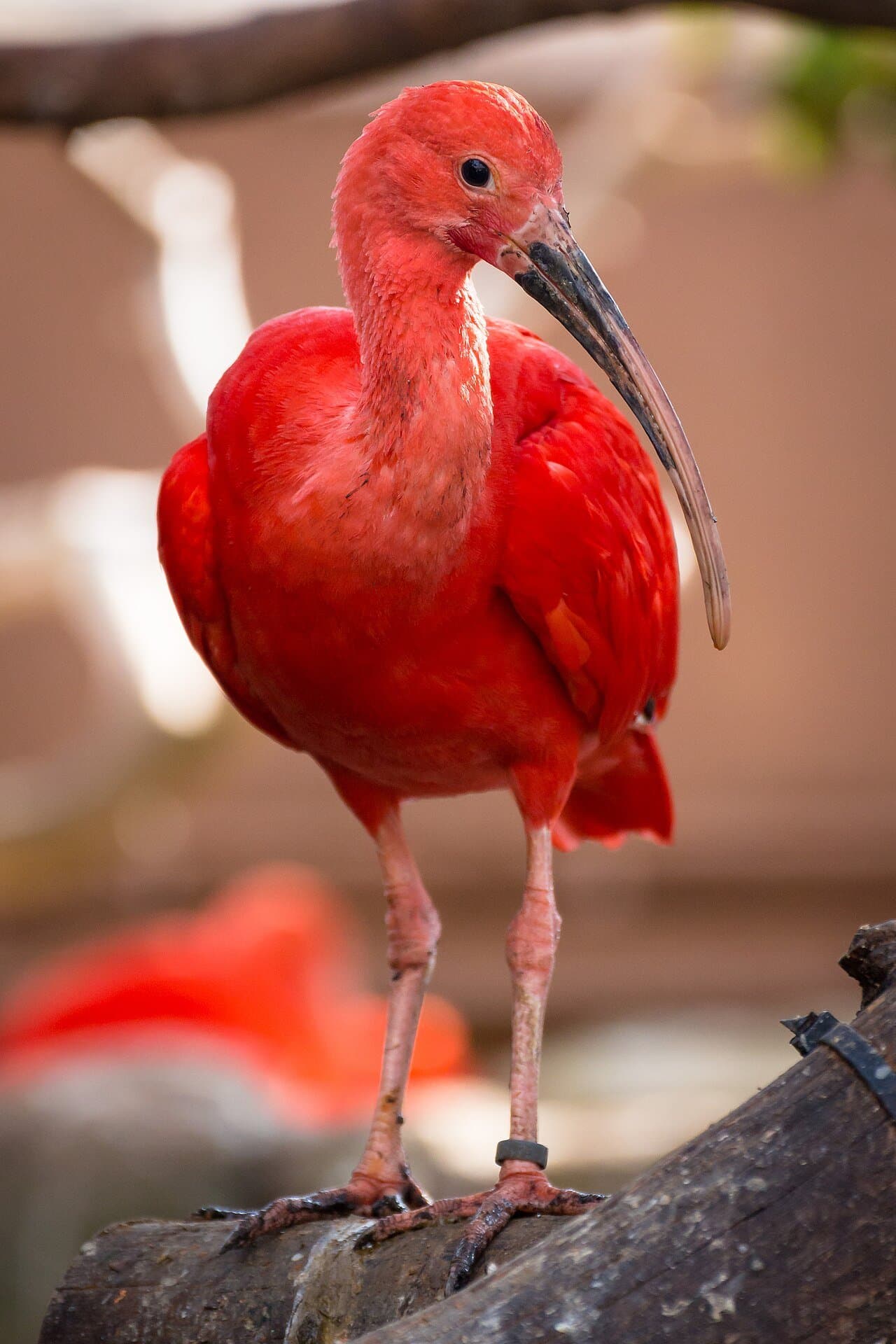 Scarlet IbisEudocimus ruberA bright red wading bird of northern South America that feeds mostly on crayfish and small crabs.
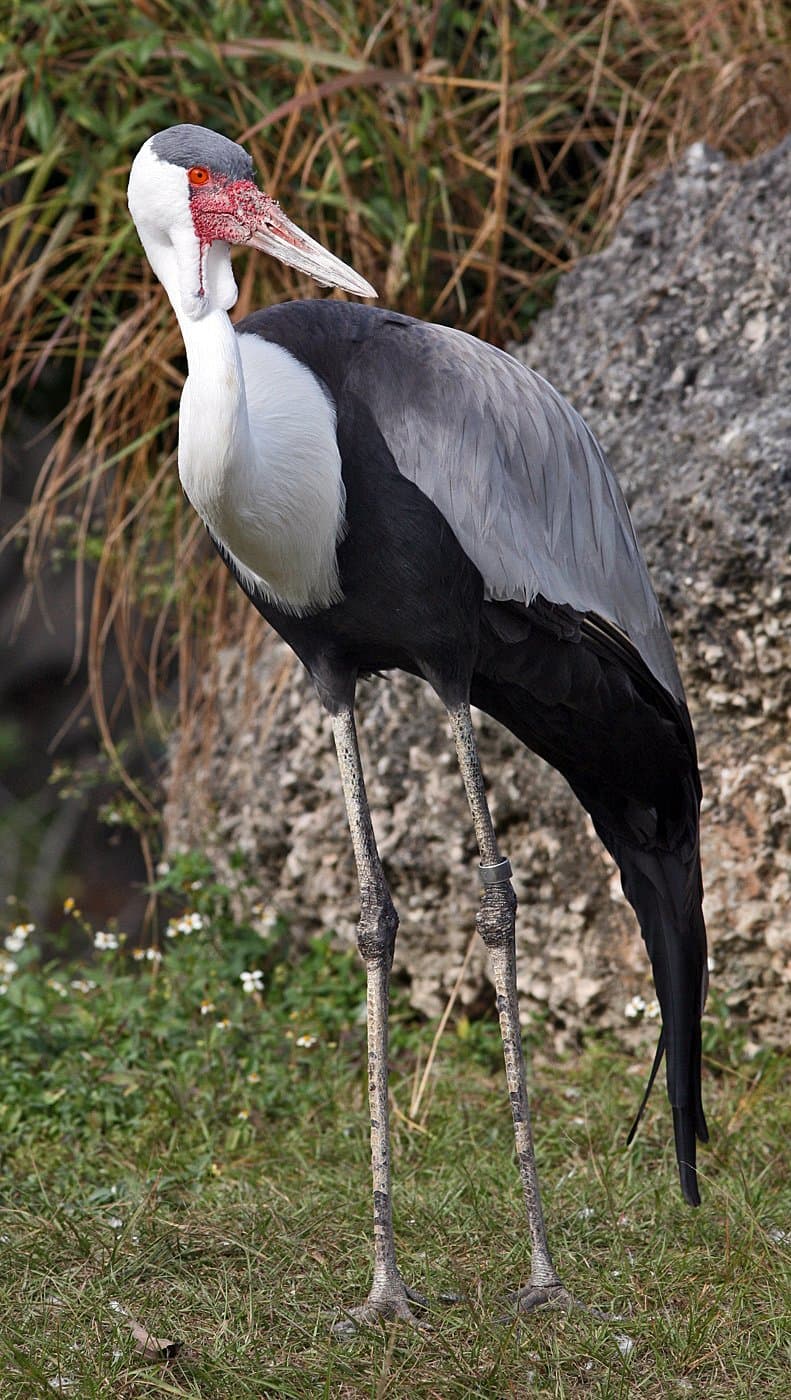 Wattled CraneBugeranus carunculatusA tall African wetland crane with flaps of skin hanging from its chin that shrink when it's nervous and lengthen when it's excited.
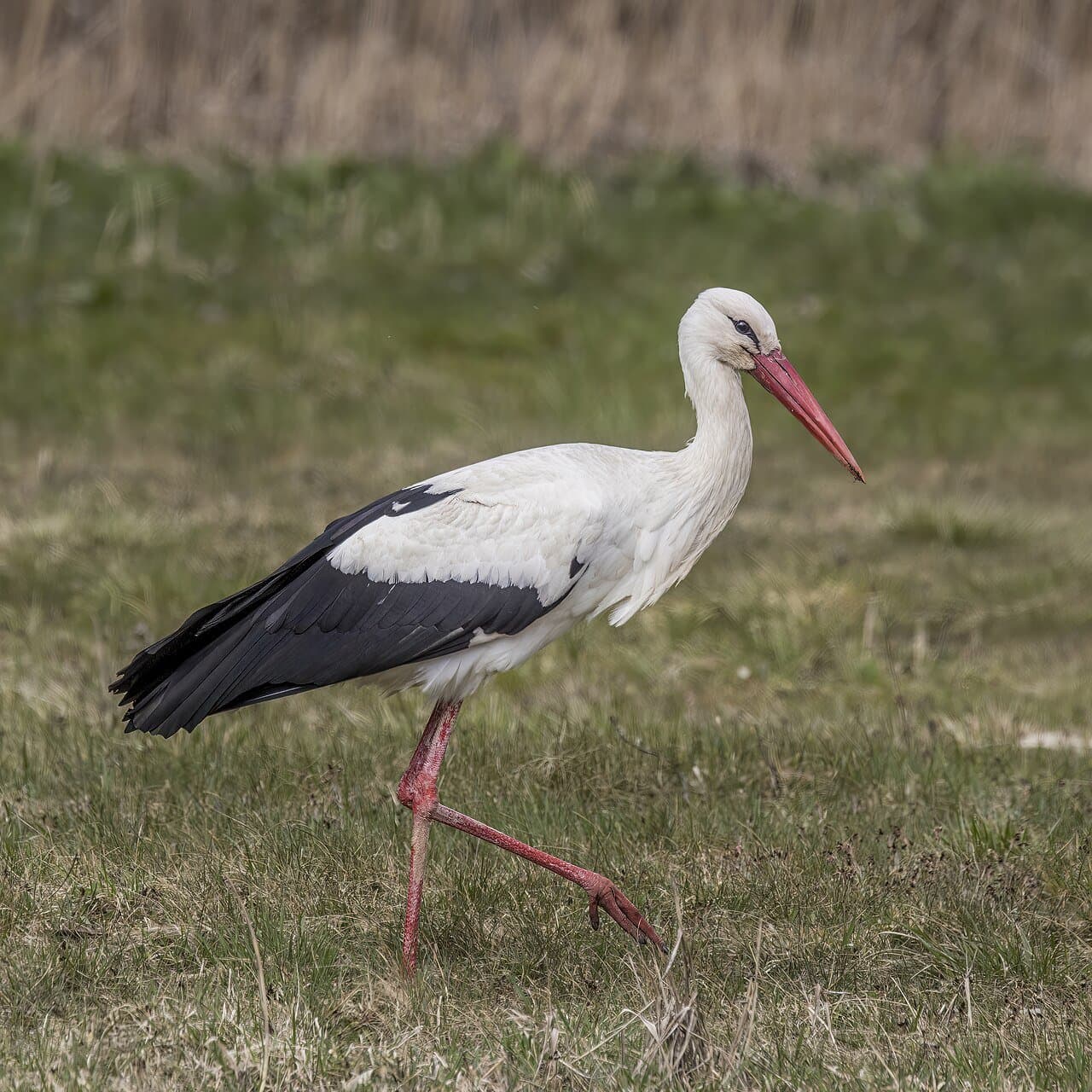 White StorkCiconia ciconiaA big white-and-black bird with a red bill that breeds in Europe, winters in Africa and inspired the story of storks delivering babies.