
Animals at Montgomery Zoo
Every animal below can be seen at Montgomery Zoo in Montgomery, Alabama. Use these pages to prepare for a field trip or follow up afterward.
Visit the Montgomery Zoo website ↗Africa (16)
See this area on the zoo's website ↗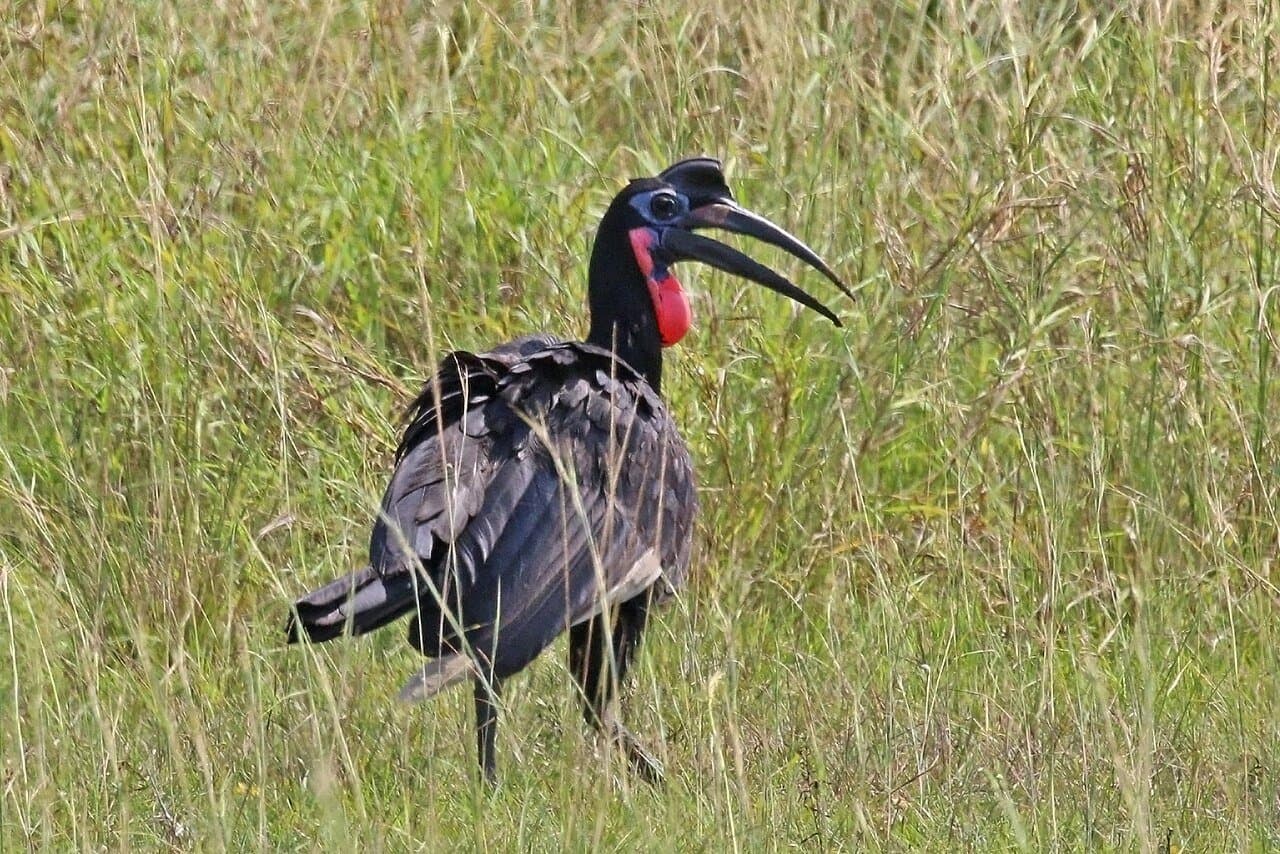 Abyssinian Ground HornbillBucorvus abyssinicusA big black hornbill of African savannas that walks the ground hunting snakes, lizards and small mammals. Also called the northern ground hornbill.
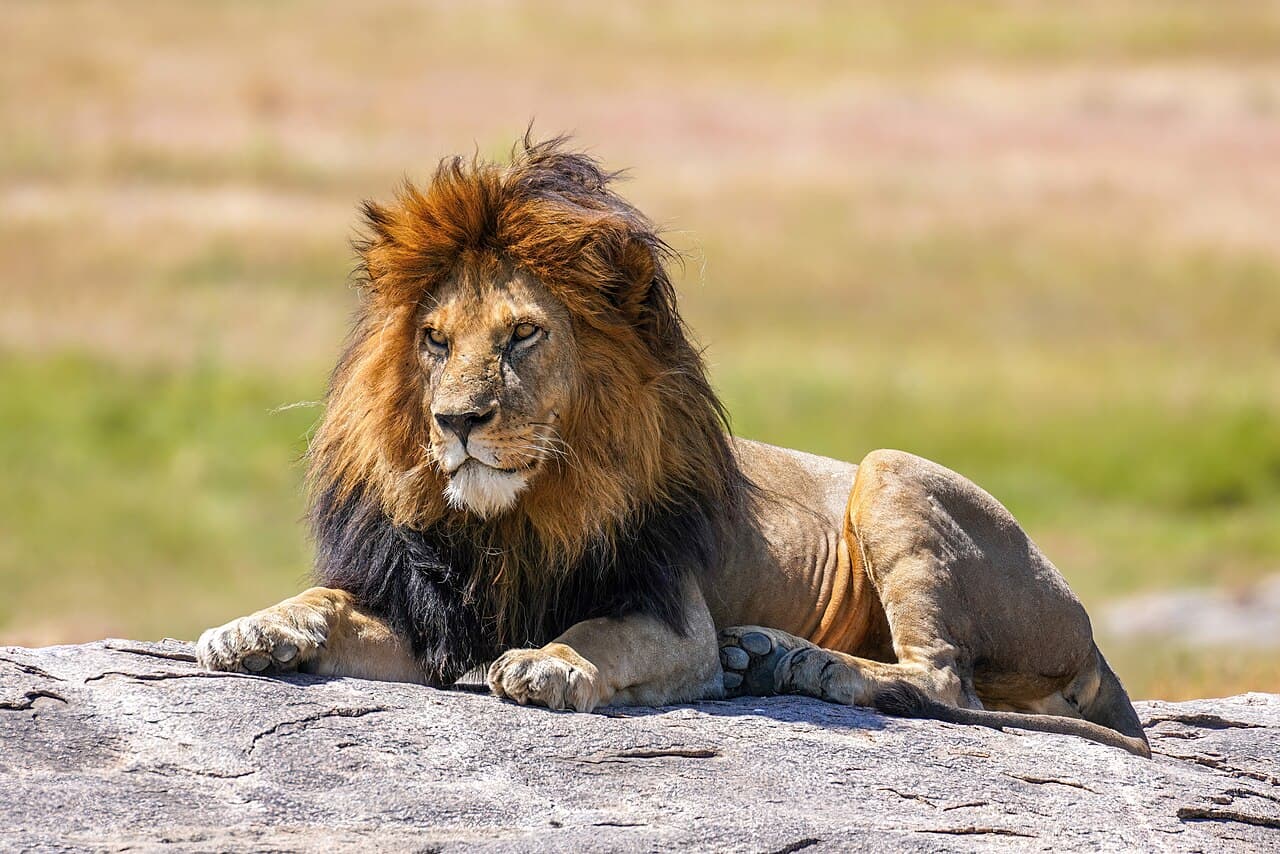 LionPanthera leoA large wild cat of the African savanna that lives in family groups called prides.
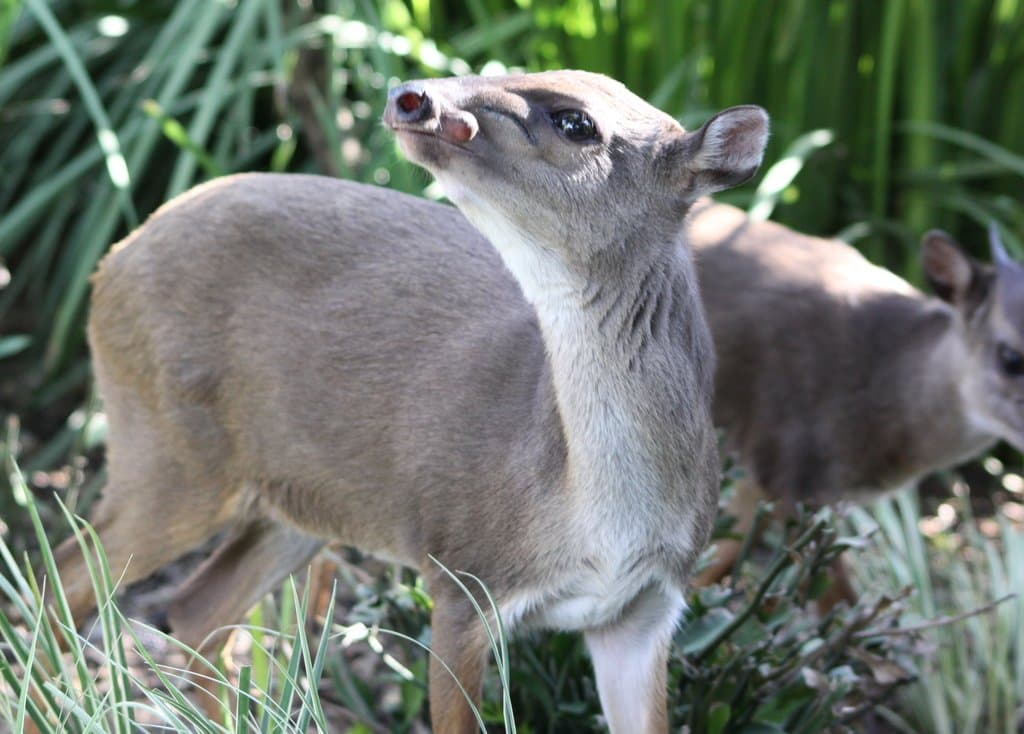 Blue DuikerPhilantomba monticolaA tiny forest antelope of central and southern Africa that weighs only 9 to 13 pounds and lives in pairs.
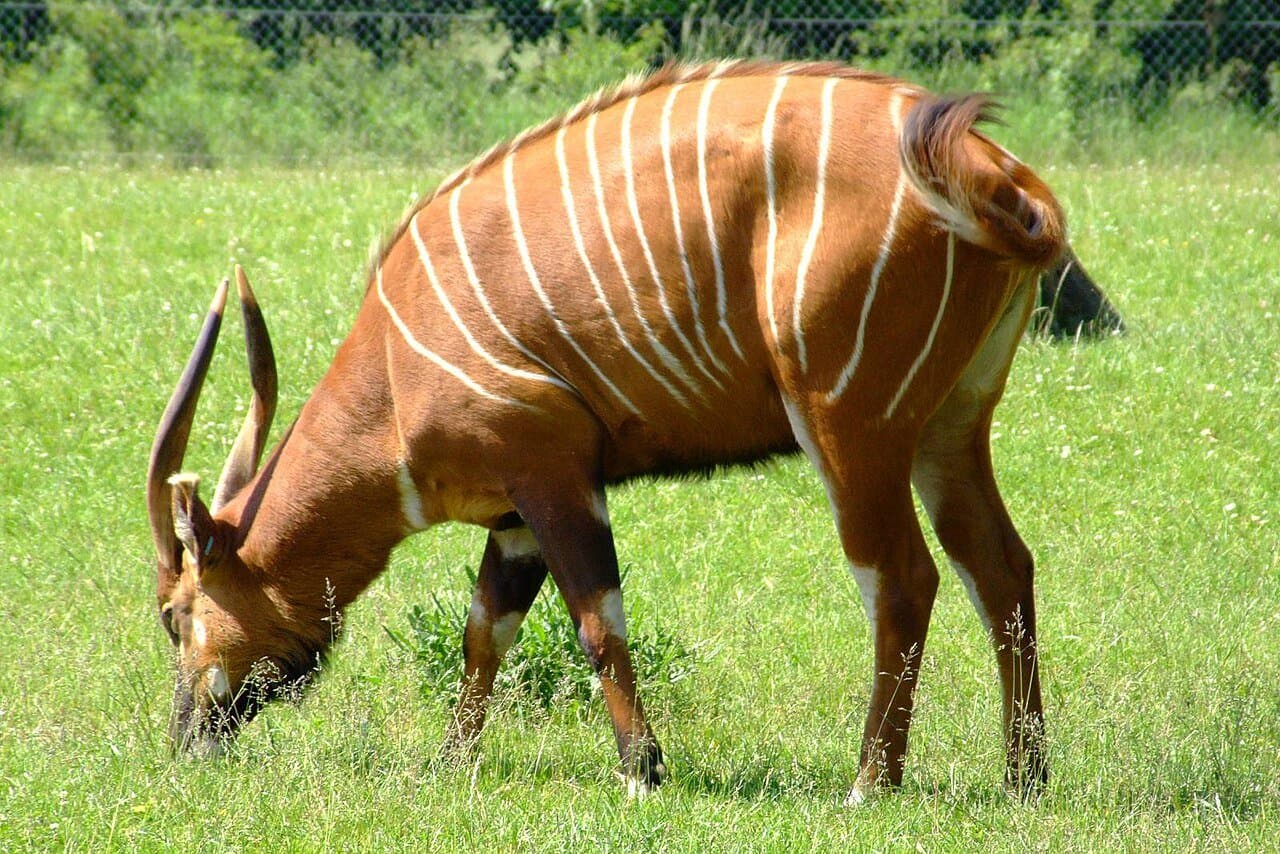 BongoTragelaphus eurycerusA large forest antelope of tropical Africa with 10 to 15 pale stripes down each side and horns up to 3 feet long.
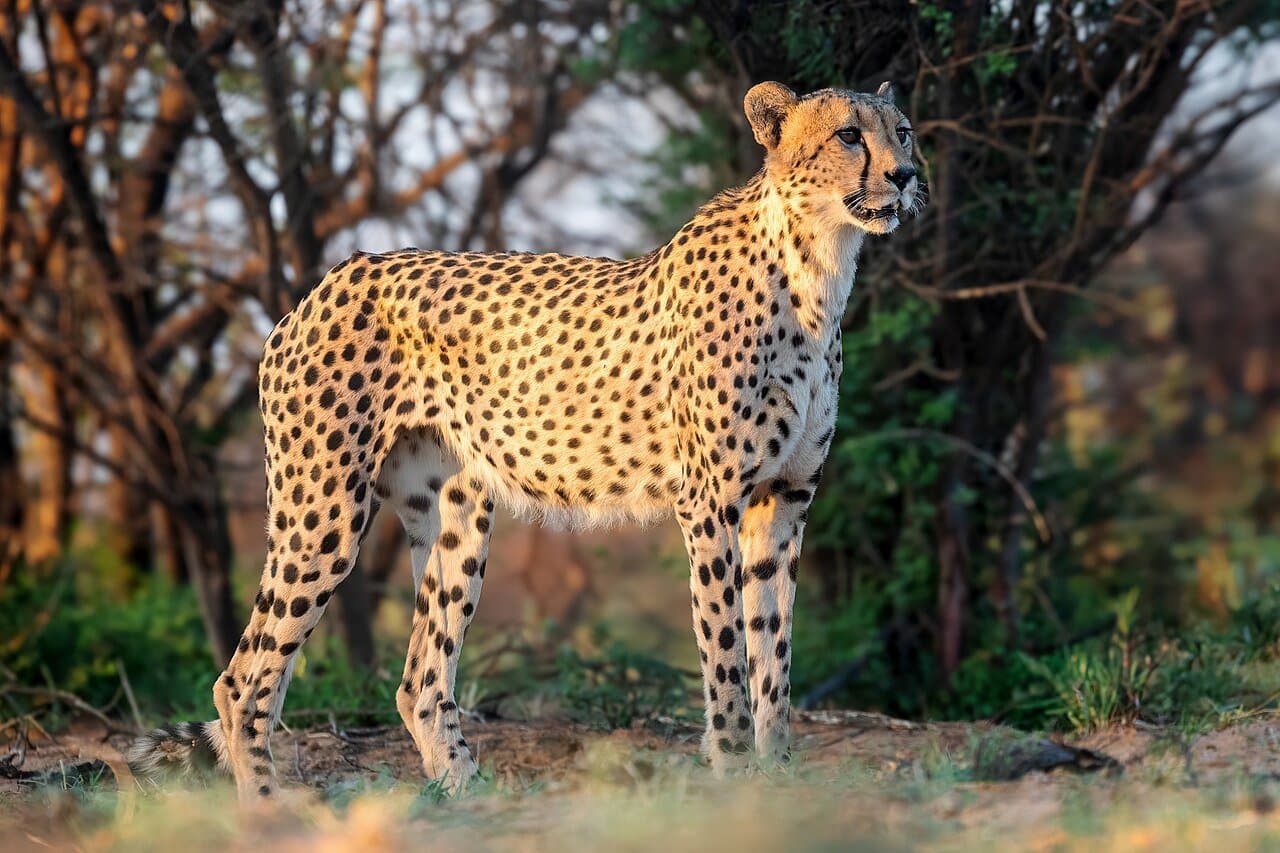 CheetahAcinonyx jubatusA slim spotted cat of African grasslands, built for speed, that can sprint 60 to 70 miles per hour.
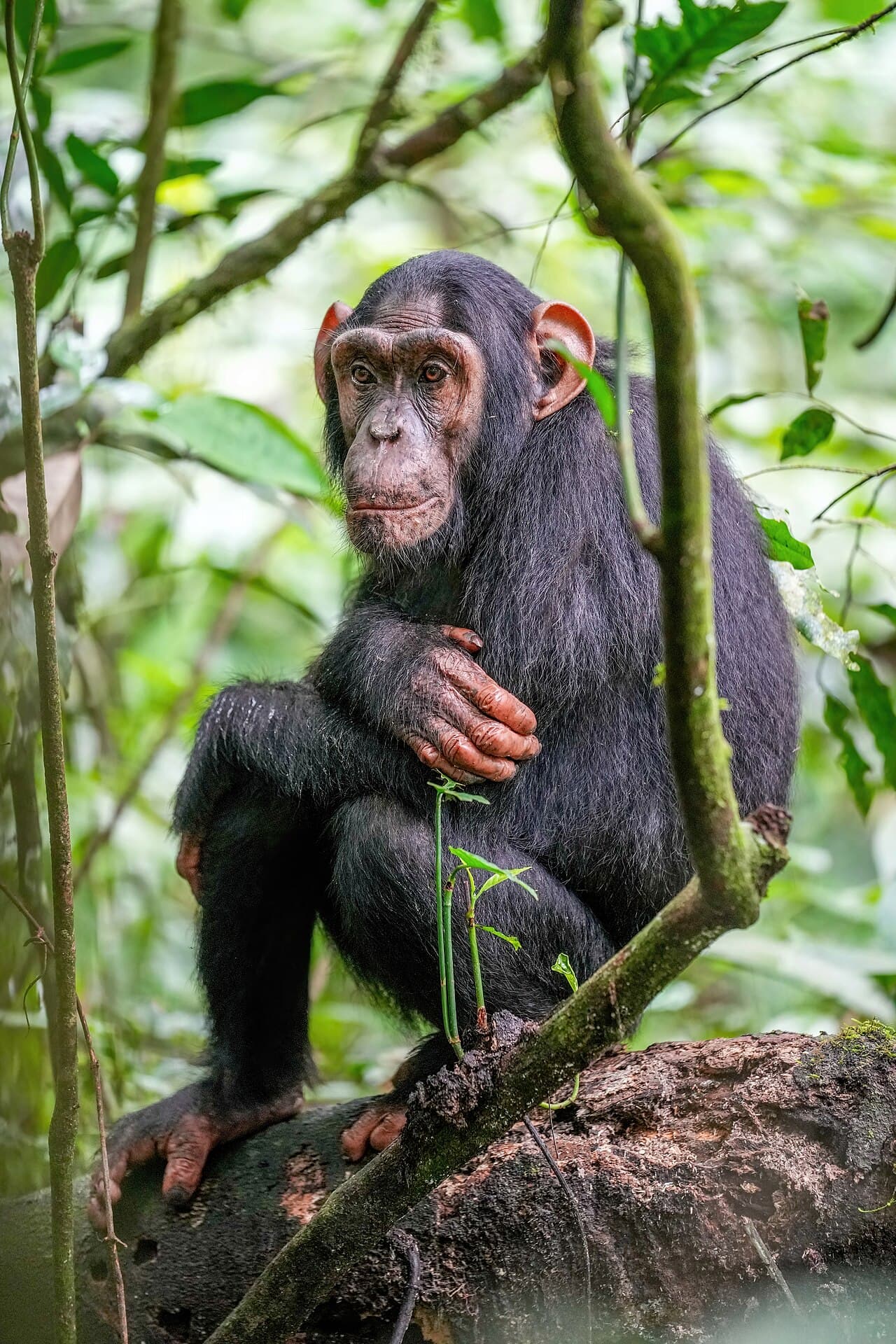 ChimpanzeePan troglodytesAn endangered, tool-using great ape of African forests that lives in large communities.
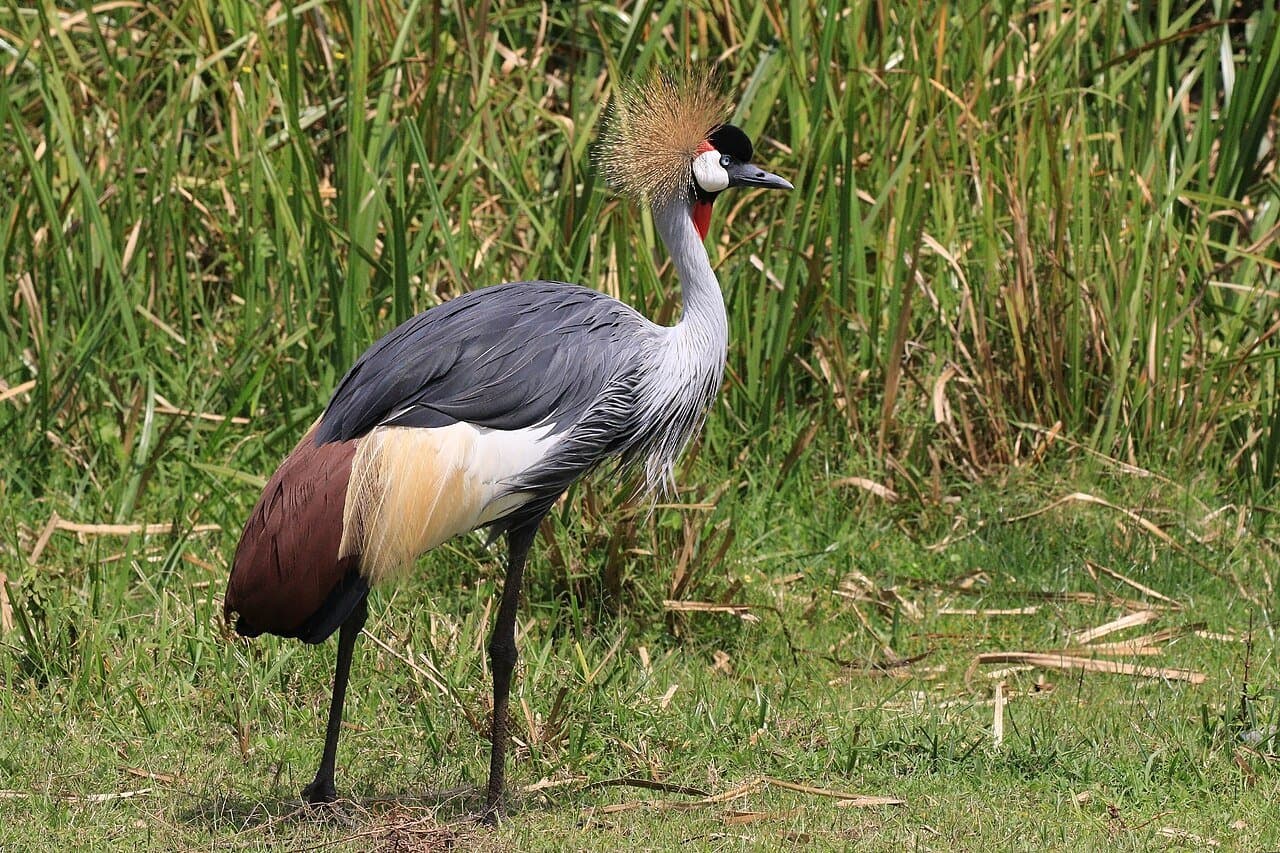 Grey Crowned CraneBalearica regulorum (East African crowned crane: B. r. gibbericeps)An endangered African crane with a crown of stiff golden feathers, shown on the flag of Uganda. Also called the East African crowned crane.
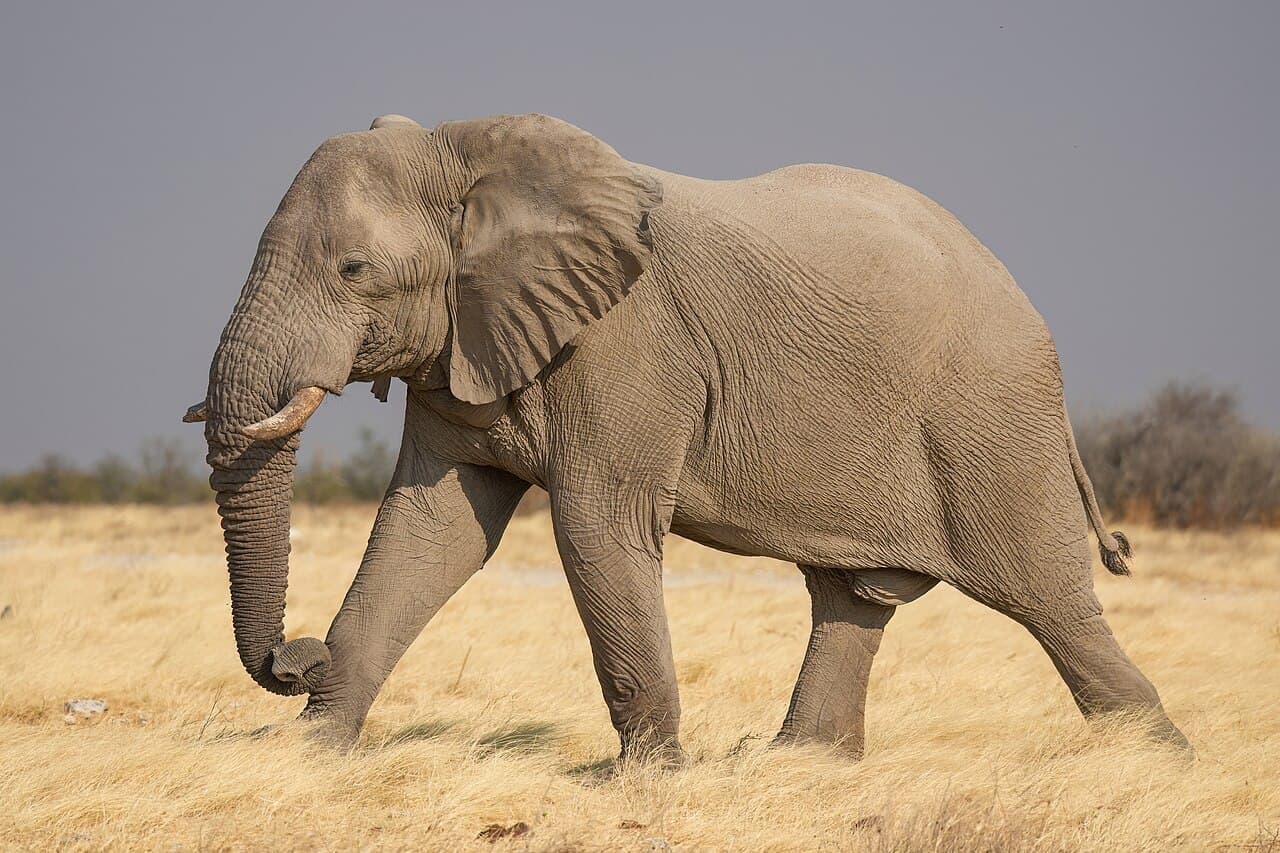 African Savanna ElephantLoxodonta africanaA huge plant-eater of Africa that lives in family herds led by an older female. African elephants are the largest mammals on land.
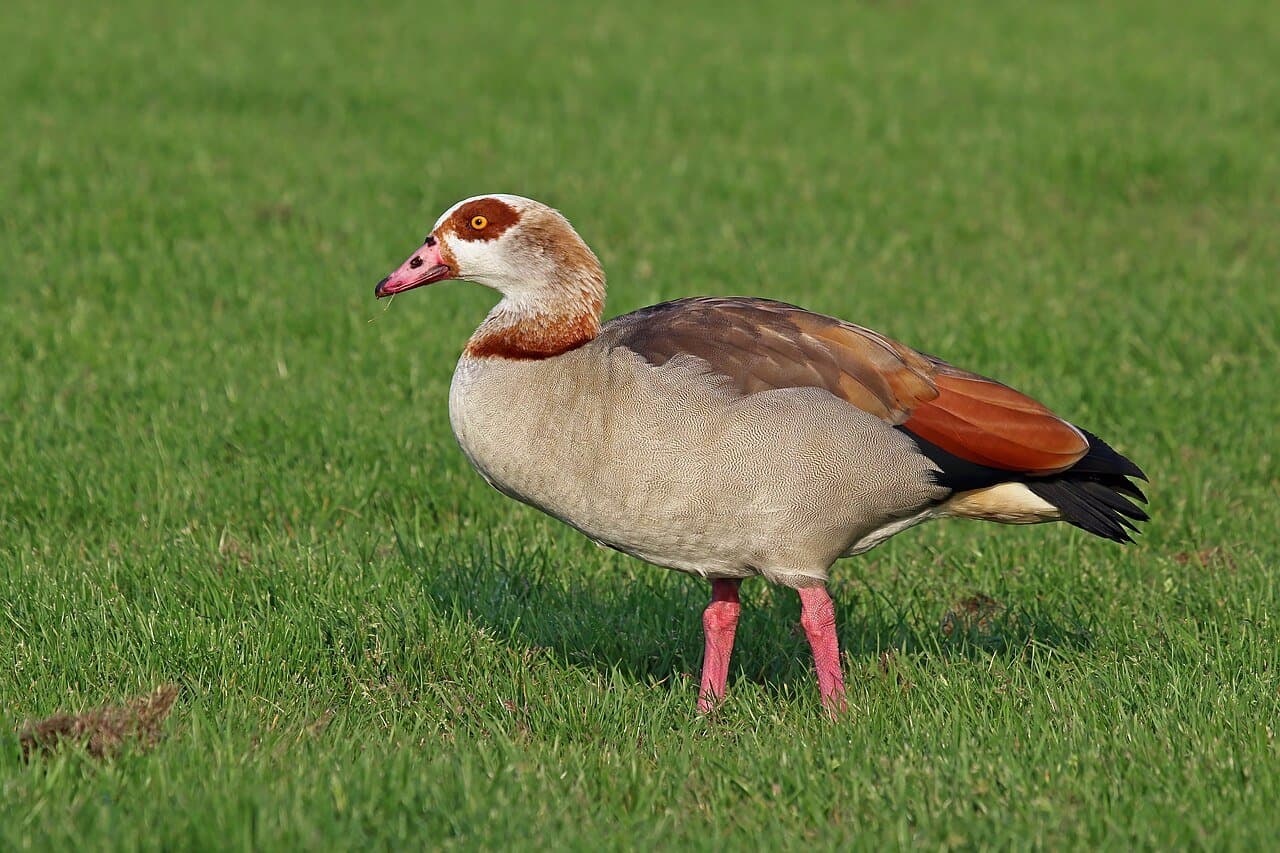 Egyptian GooseAlopochen aegyptiacaA brown African waterbird with dark eye patches that grazes near rivers and lakes and has spread to parts of Europe.
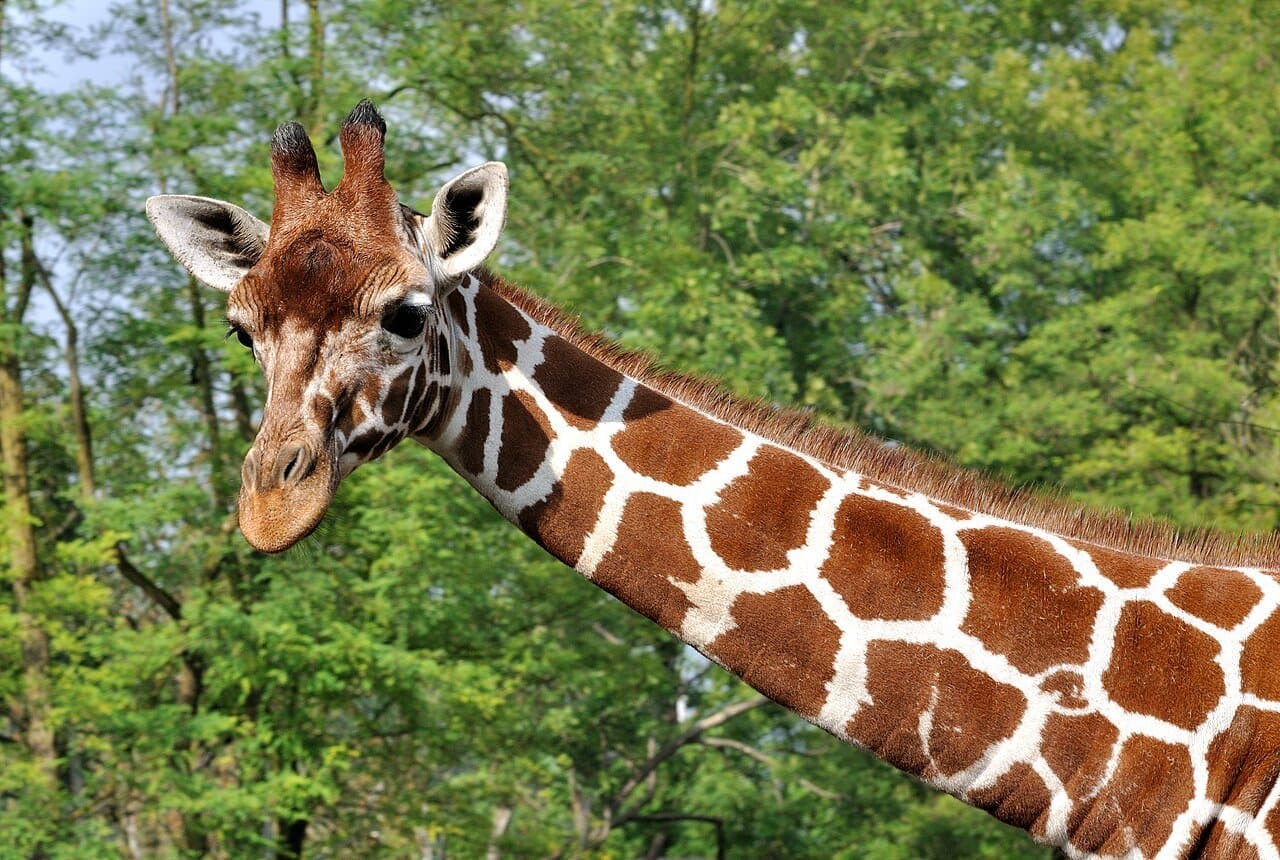 Reticulated GiraffeGiraffa reticulata (also listed as Giraffa camelopardalis reticulata)An endangered giraffe of northern Kenya with orange-brown patches outlined by a network of bright white lines.
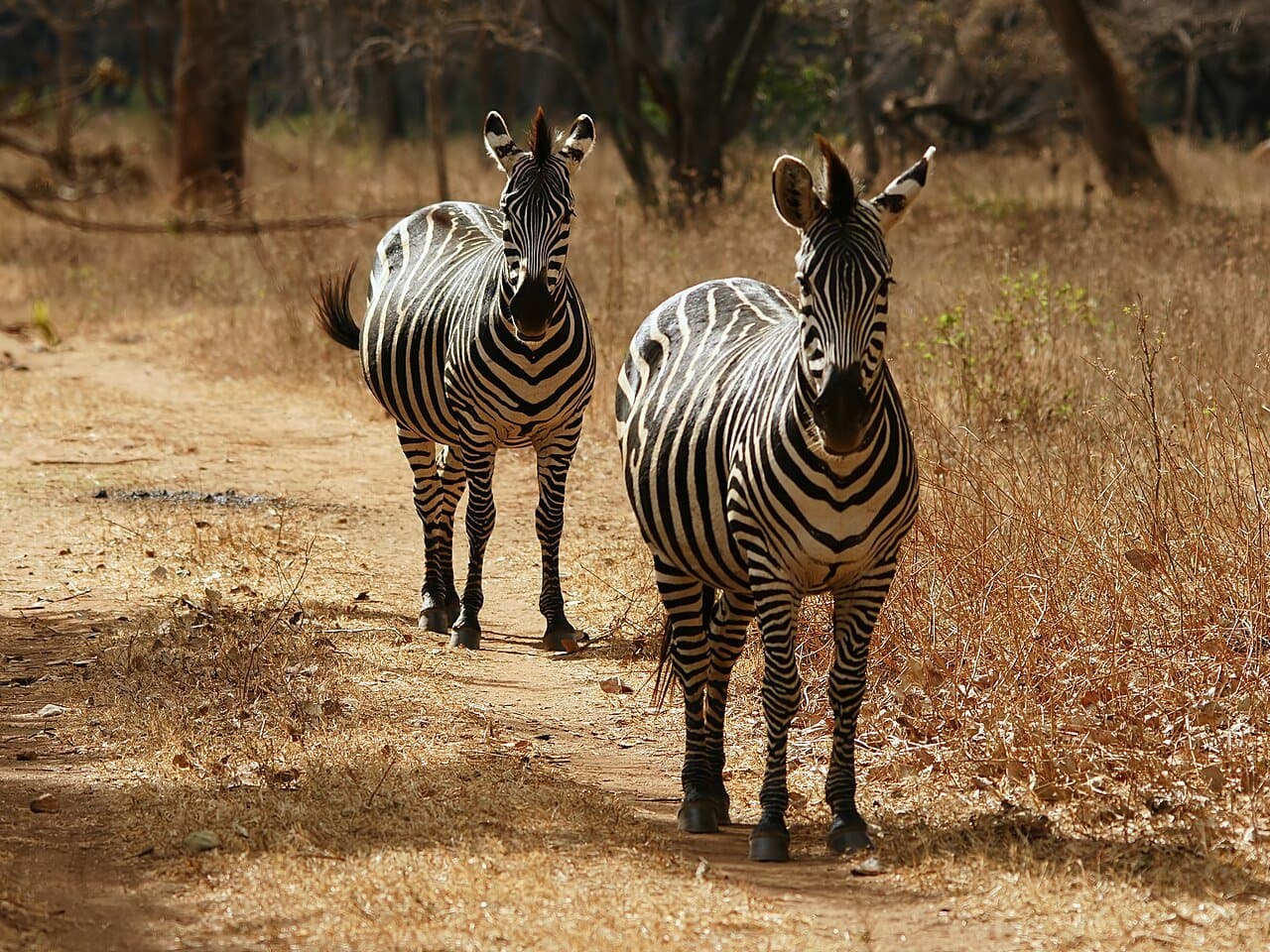 Plains ZebraEquus quagga (subspecies include Grant's zebra)The most common zebra, a grass-grazing striped horse relative of eastern and southern Africa whose stripe pattern is one-of-a-kind on every animal. Grant's zebra is one kind.
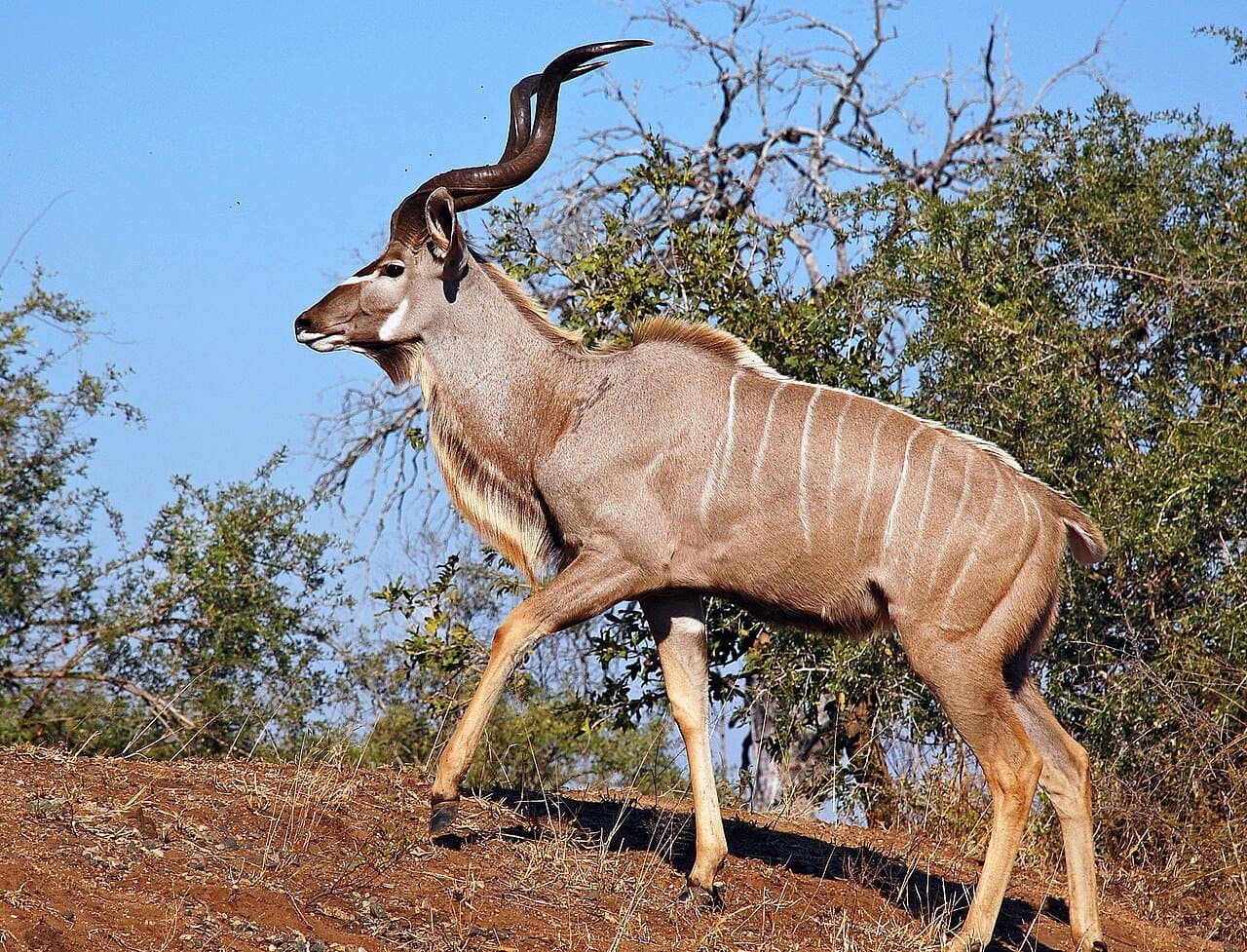 Greater KuduTragelaphus strepsicerosA large striped antelope of African woodlands whose males grow long, spiral horns with about two and a half twists.
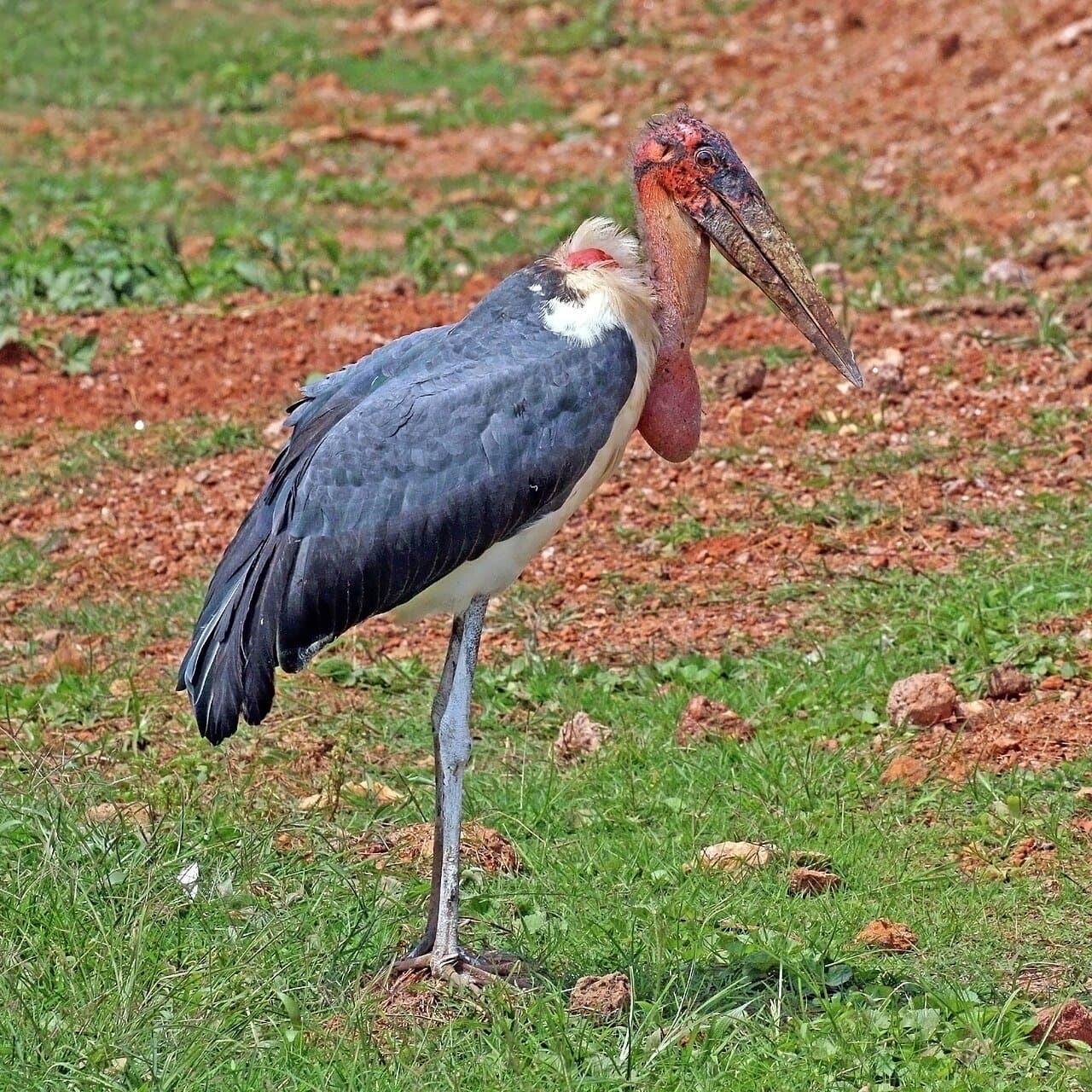 Marabou StorkLeptoptilos crumeniferA huge, bald-headed African stork that feeds mostly on dead animals and often gathers near lakes, rivers, garbage dumps and fishing villages.
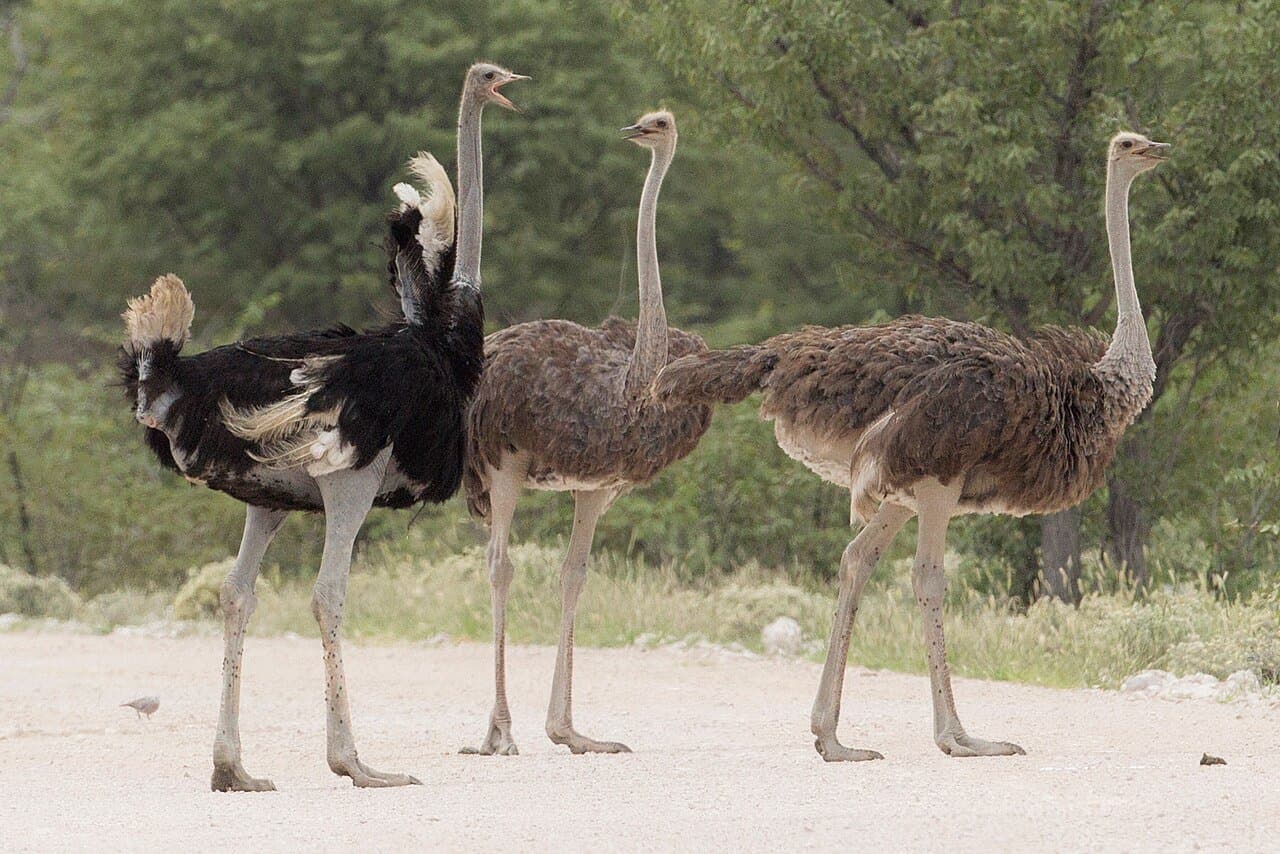 OstrichStruthio camelusThe world's largest bird, a fast-running flightless bird of African savannas that lays the largest egg on Earth.
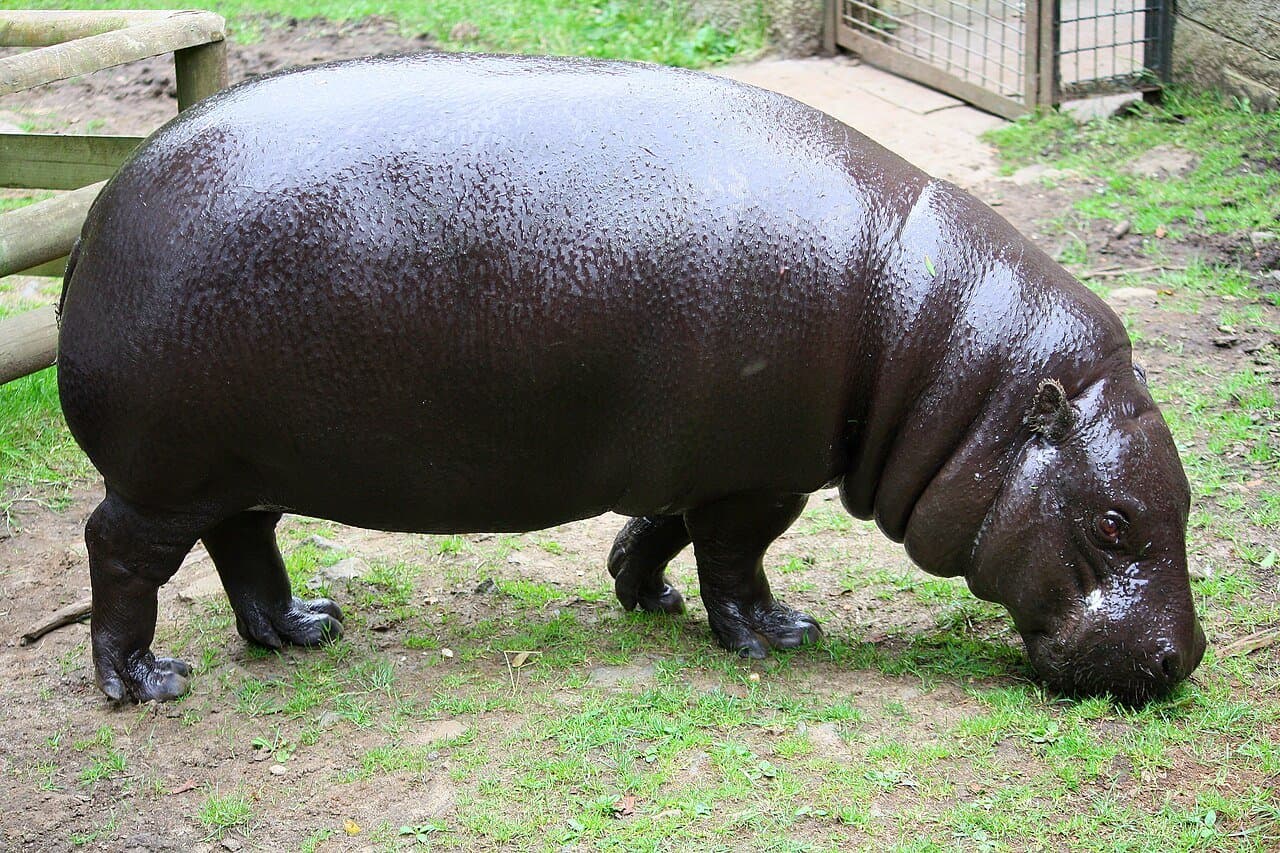 Pygmy HippopotamusChoeropsis liberiensisA small, shy, endangered hippo that lives alone in the forests and swamps of West Africa, mostly in Liberia.
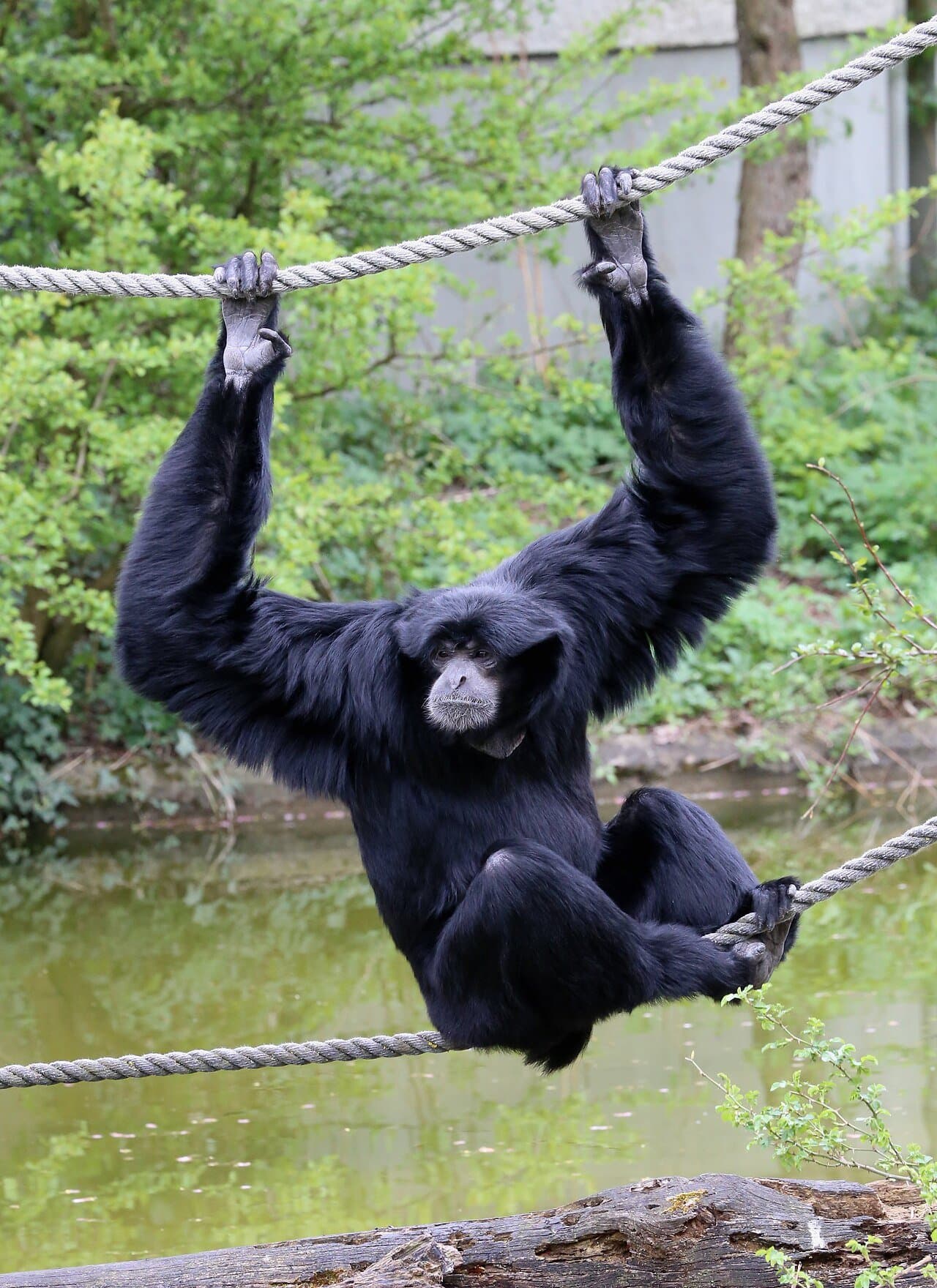 SiamangSymphalangus syndactylusA long-armed gibbon of Southeast Asian rainforests that calls with a deep boom, using a throat sac that swells as big as a grapefruit.
Australia (3)
See this area on the zoo's website ↗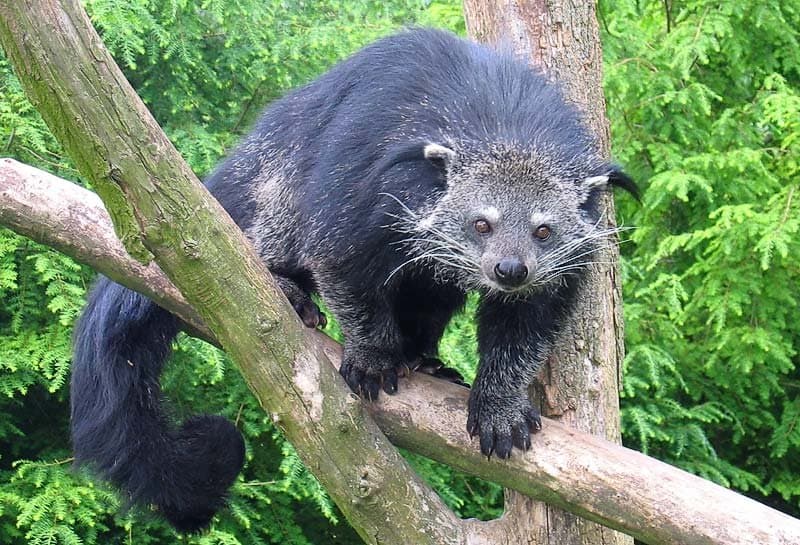 BinturongArctictis binturongA shaggy, tree-climbing "bearcat" of Southeast Asia that smells like popcorn and grips branches with its tail.
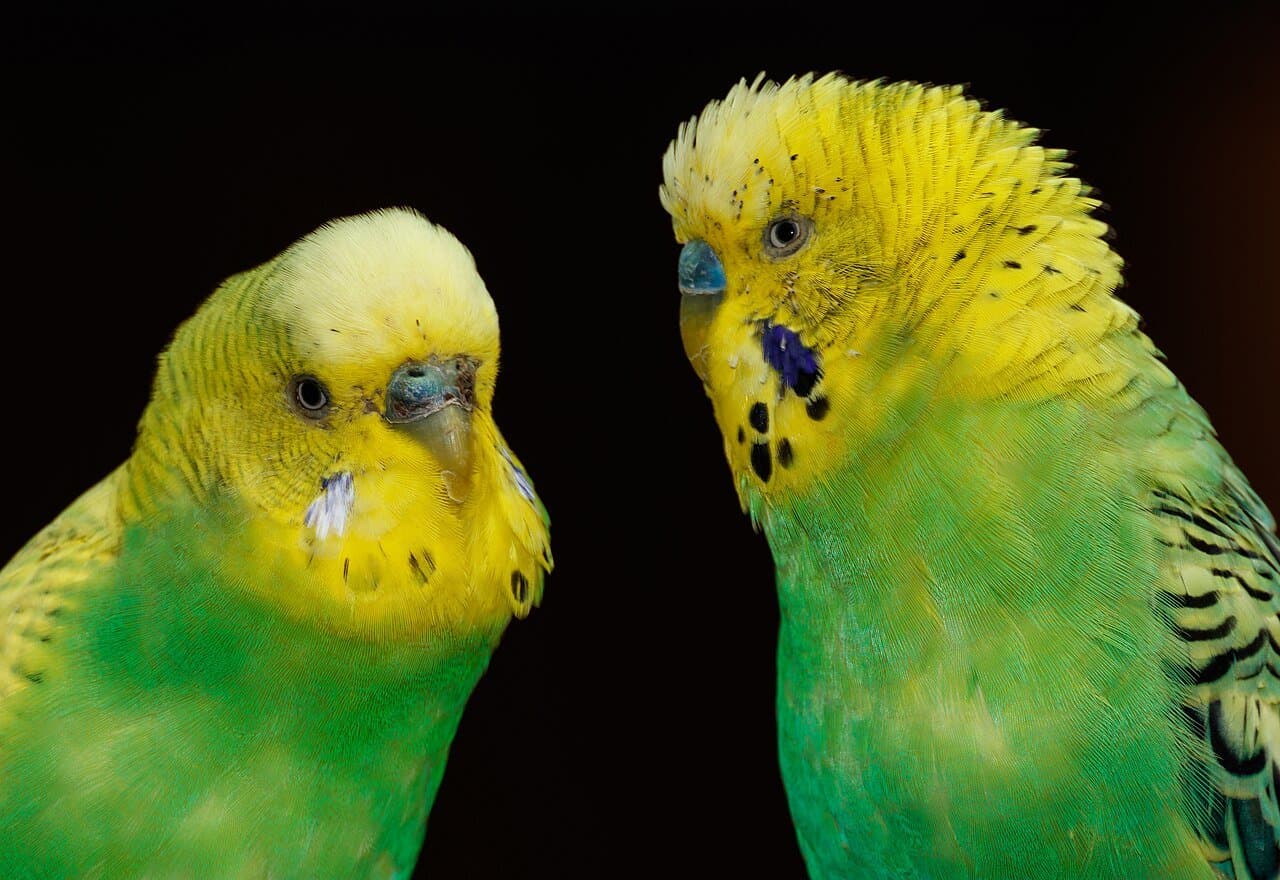 BudgerigarMelopsittacus undulatusA small green-and-yellow parrot of Australia's dry interior, and the most widely known pet bird in the world.Pygmy HippopotamusChoeropsis liberiensisA small, shy, endangered hippo that lives alone in the forests and swamps of West Africa, mostly in Liberia.
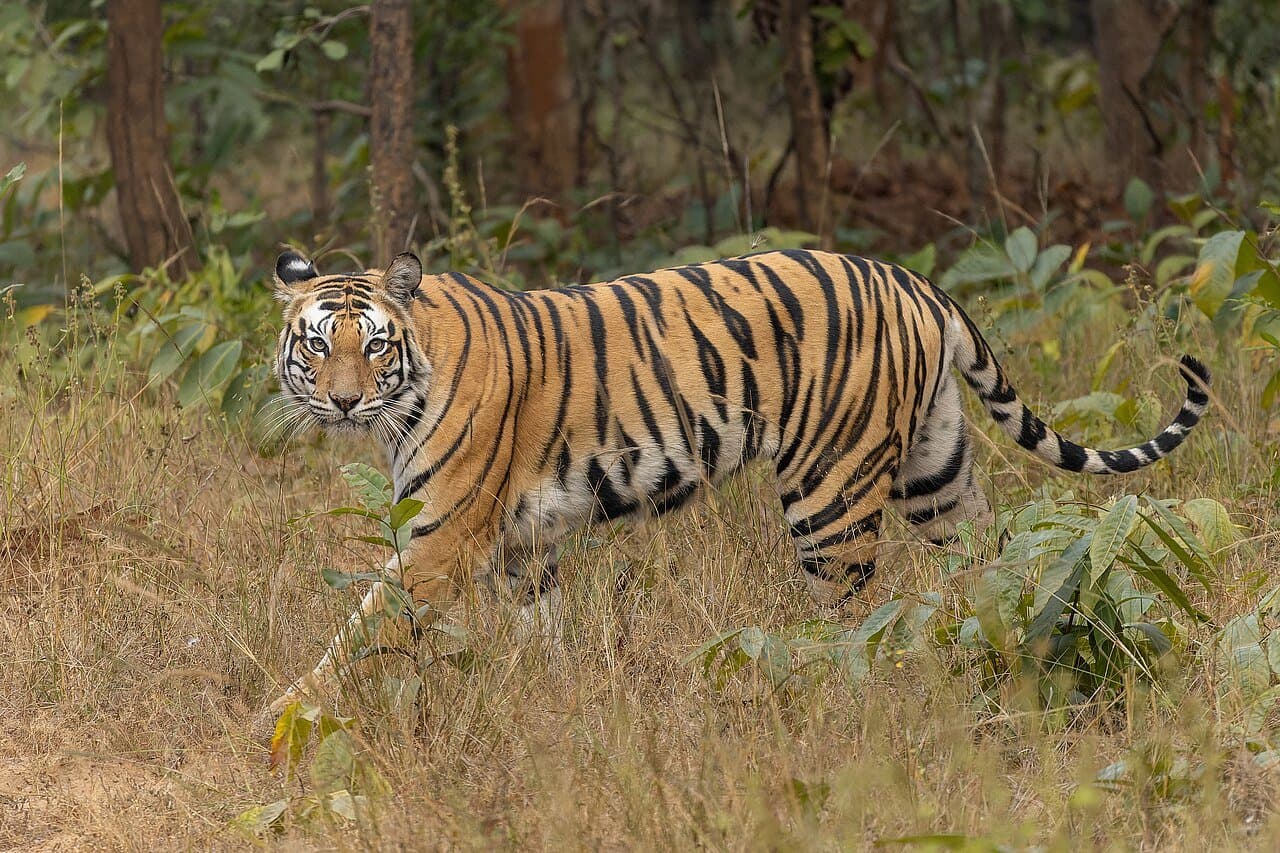 Bengal TigerPanthera tigris tigrisAn endangered striped big cat of India and nearby countries that hunts alone and is an excellent swimmer.
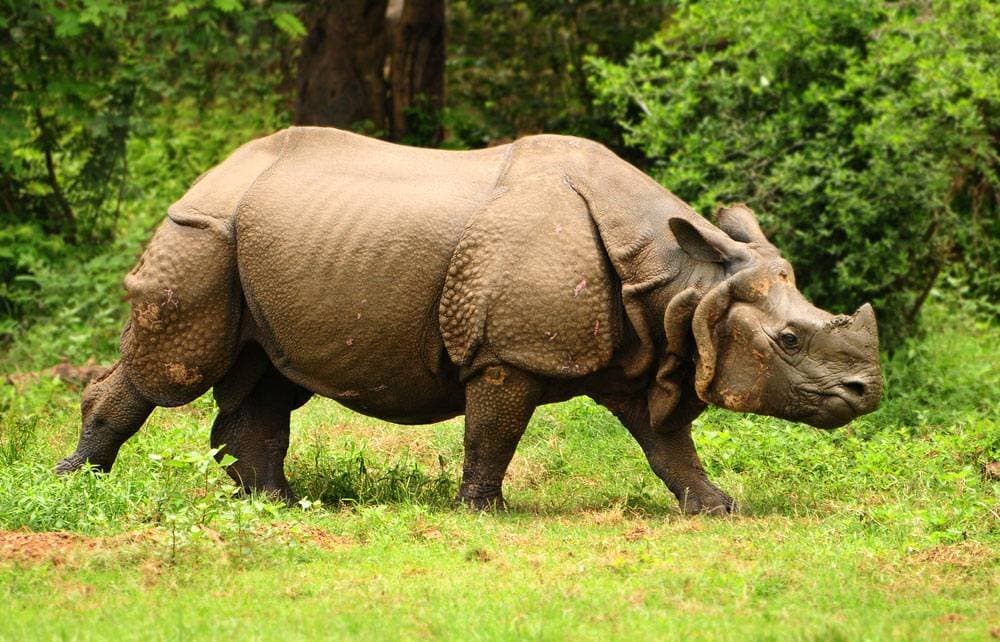 Greater One-Horned RhinocerosRhinoceros unicornisA huge, armor-looking rhino of India and Nepal with a single horn, whose numbers have recovered from about 150 animals to thousands.
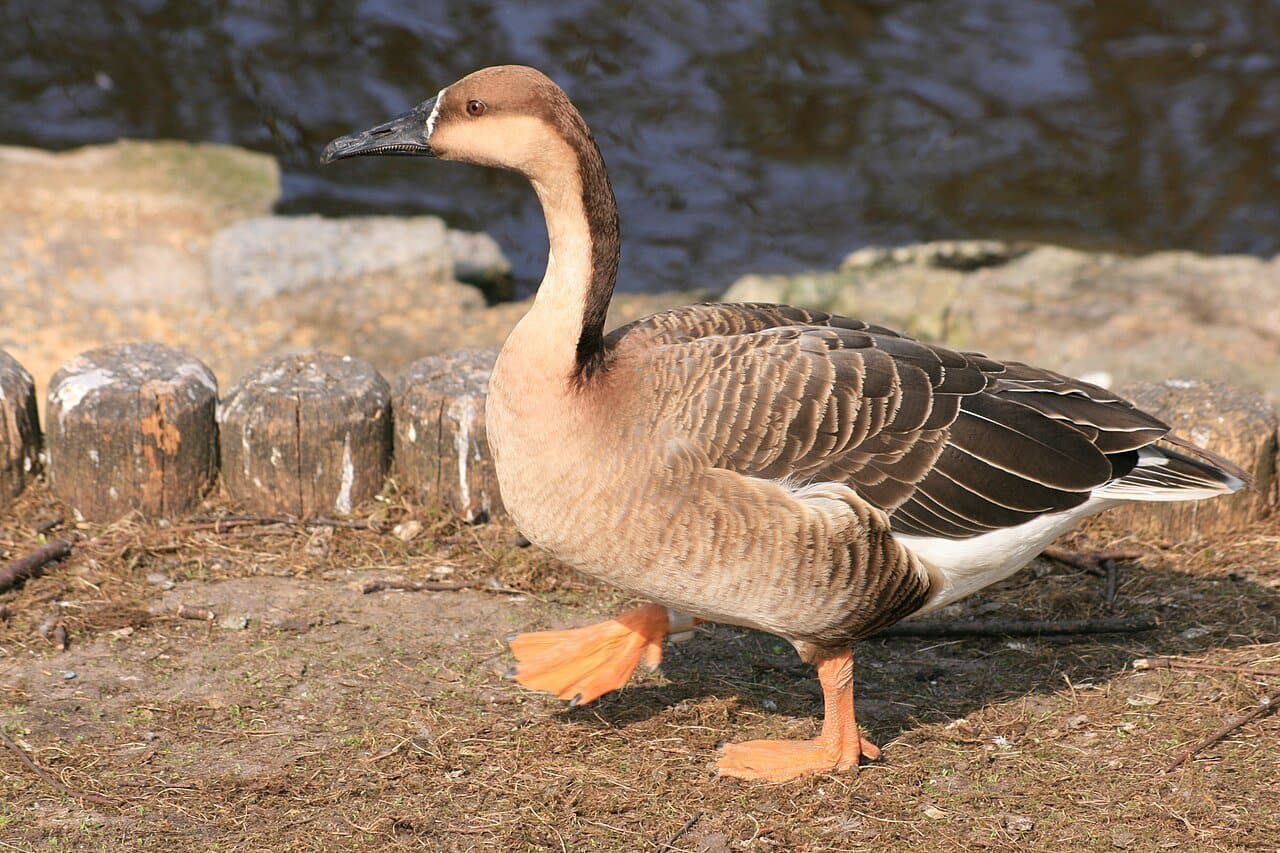 Swan GooseAnser cygnoidesAn endangered long-necked goose of eastern Asia that migrates thousands of kilometers and is the ancestor of the Chinese domestic goose.
North America (8)
See this area on the zoo's website ↗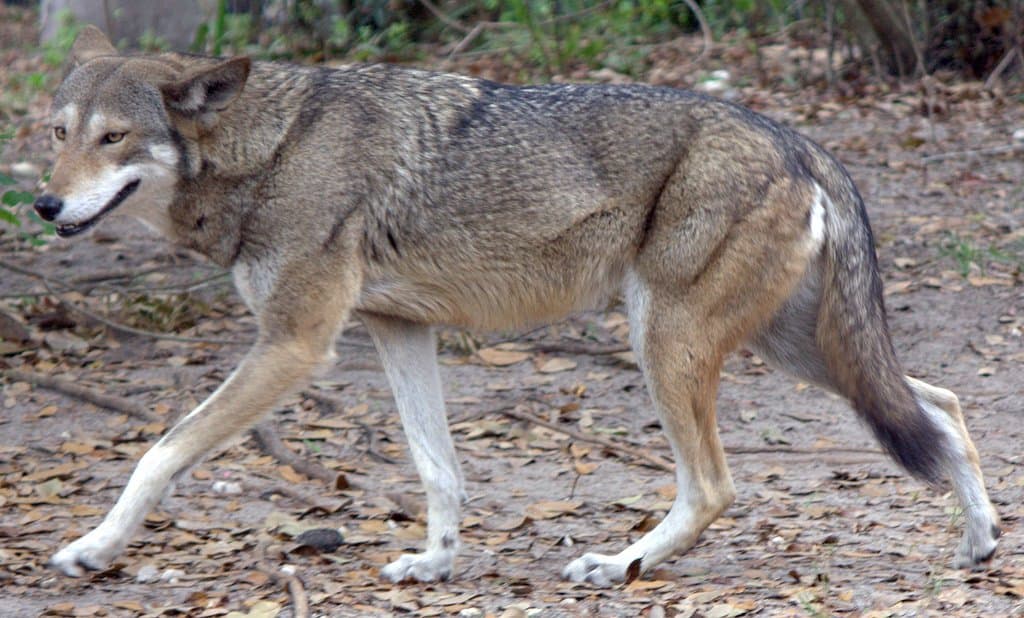 Red WolfCanis rufusThe world's most endangered wolf, a family-pack hunter that now lives in the wild only in eastern North Carolina.
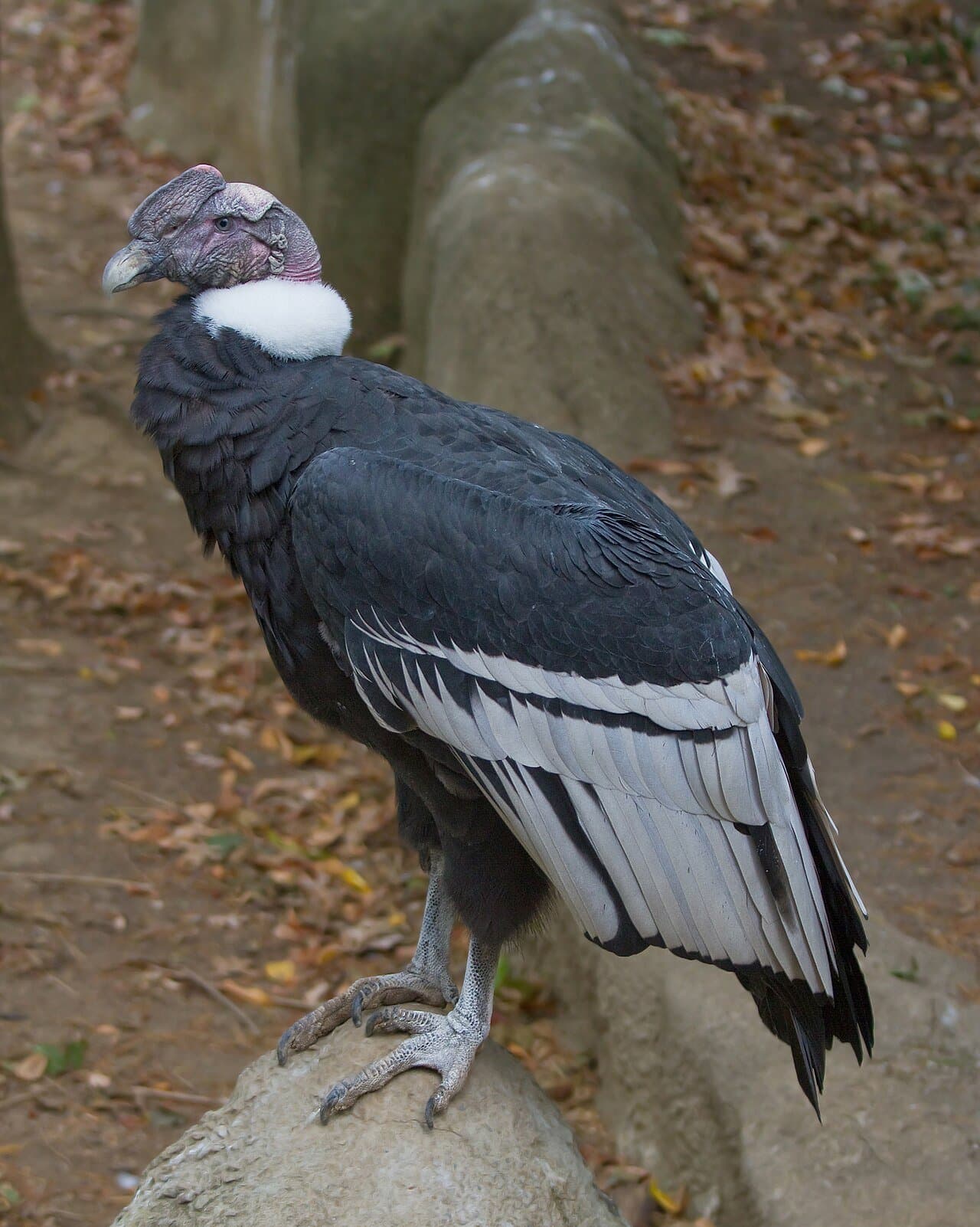 Andean CondorVultur gryphusA huge vulture of the Andes Mountains with a wingspan of about 3.2 meters, the longest of any land bird.
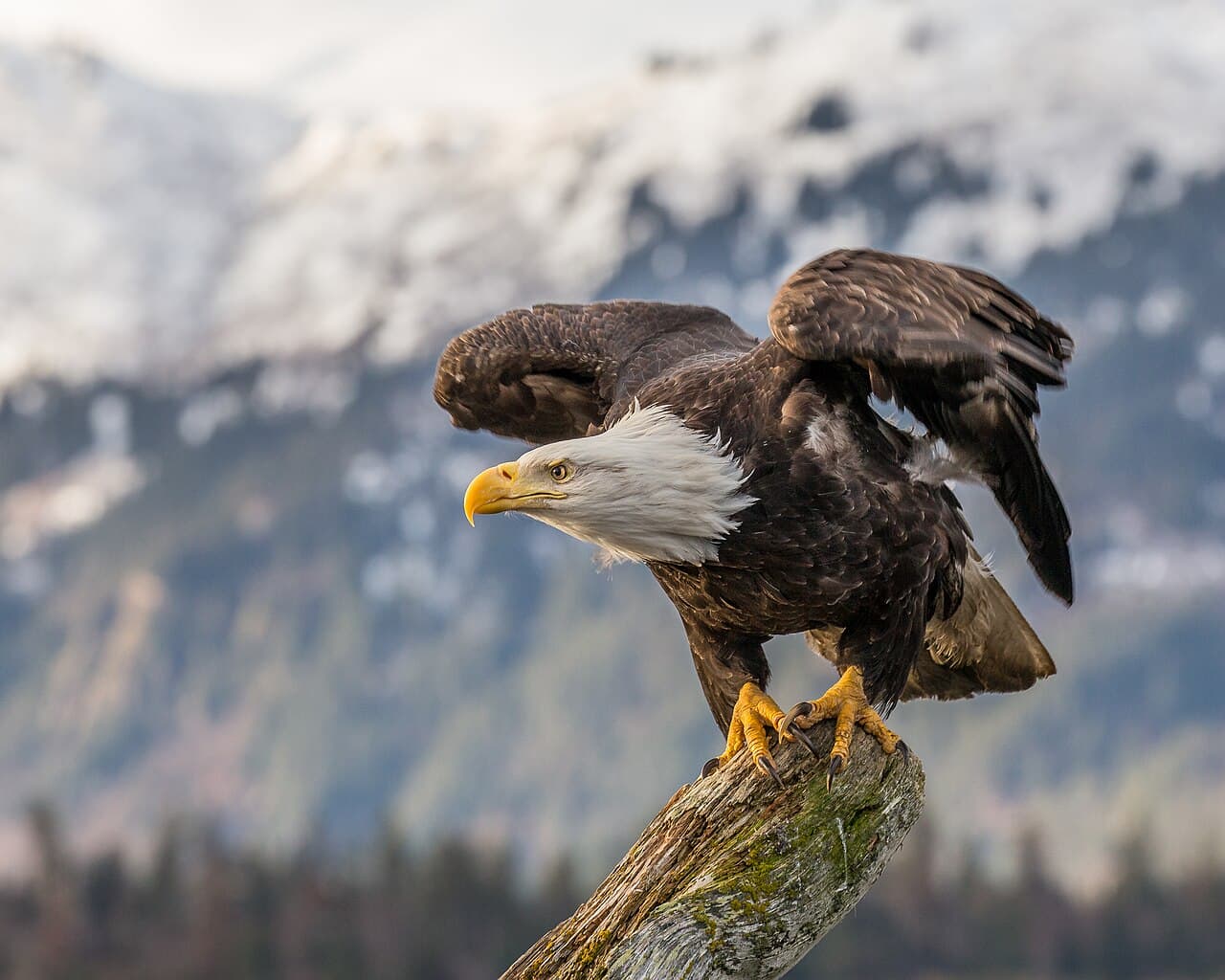 Bald EagleHaliaeetus leucocephalusThe national bird of the United States, a fish-eating eagle that came back from the edge of extinction.
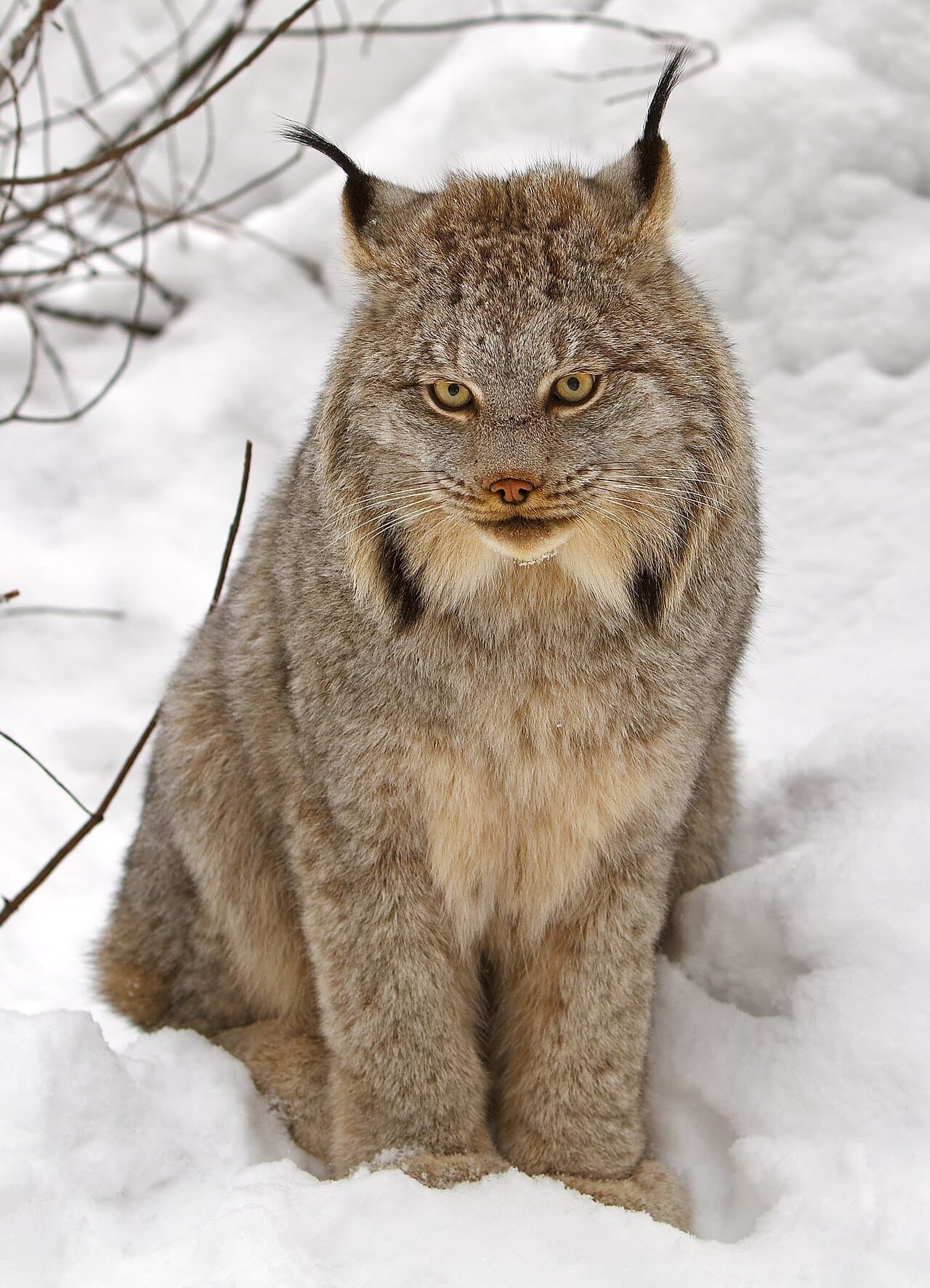 Canada LynxLynx canadensisA northern forest cat with black ear tufts and big furry feet that let it walk on snow while it hunts snowshoe hares.
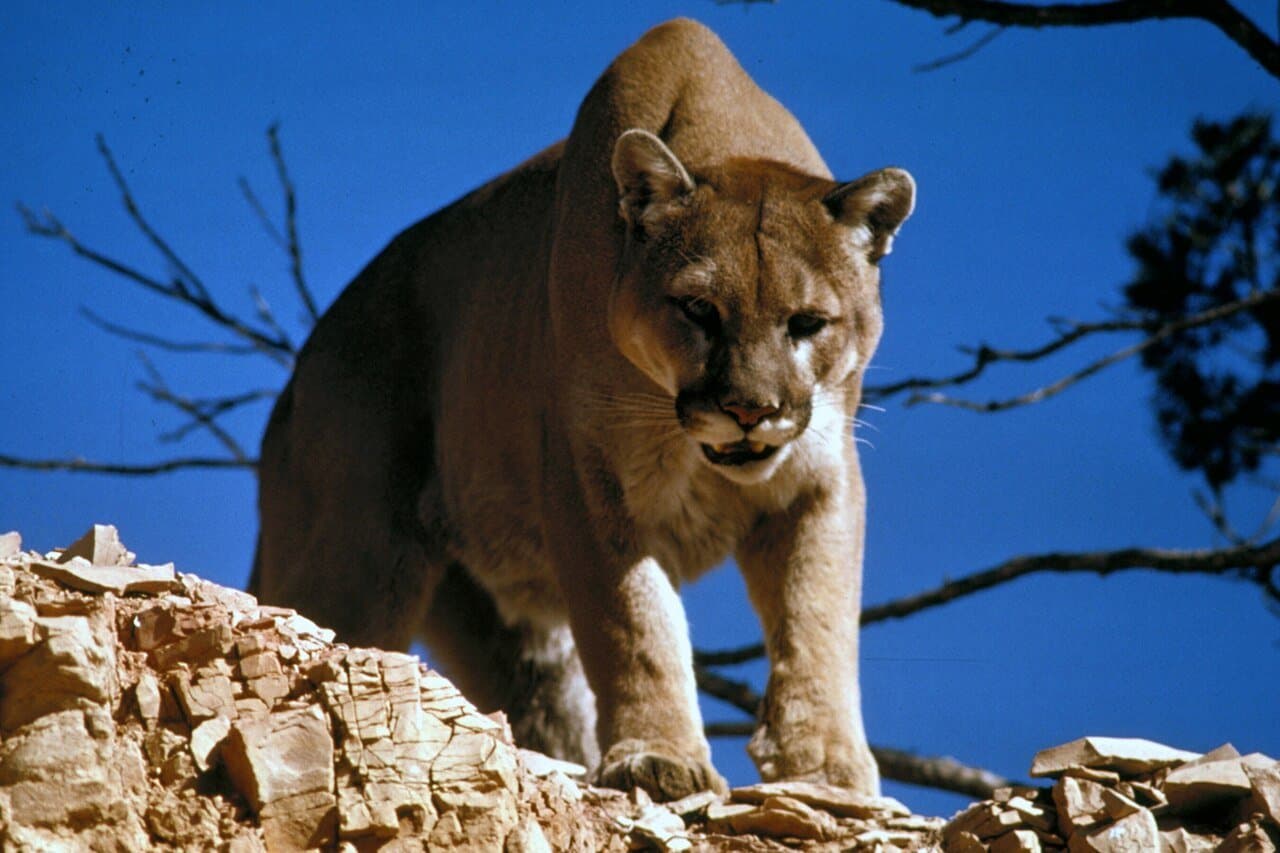 CougarPuma concolorA large, solitary wild cat of the Americas, also called a mountain lion, puma or panther, that hunts mostly deer.
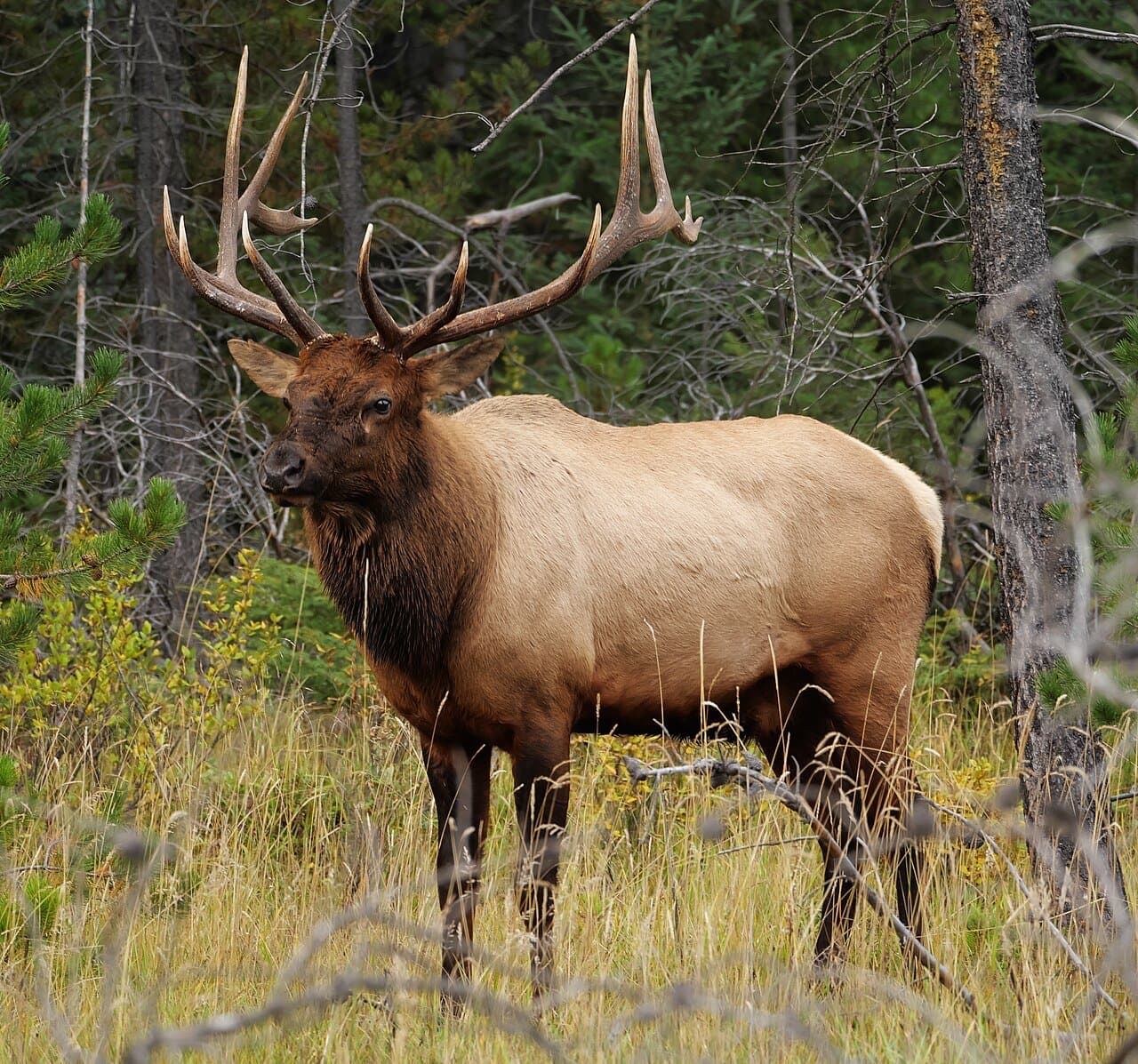 ElkCervus canadensisA large North American deer whose males grow huge antlers every year and fill autumn valleys with high-pitched bugling.
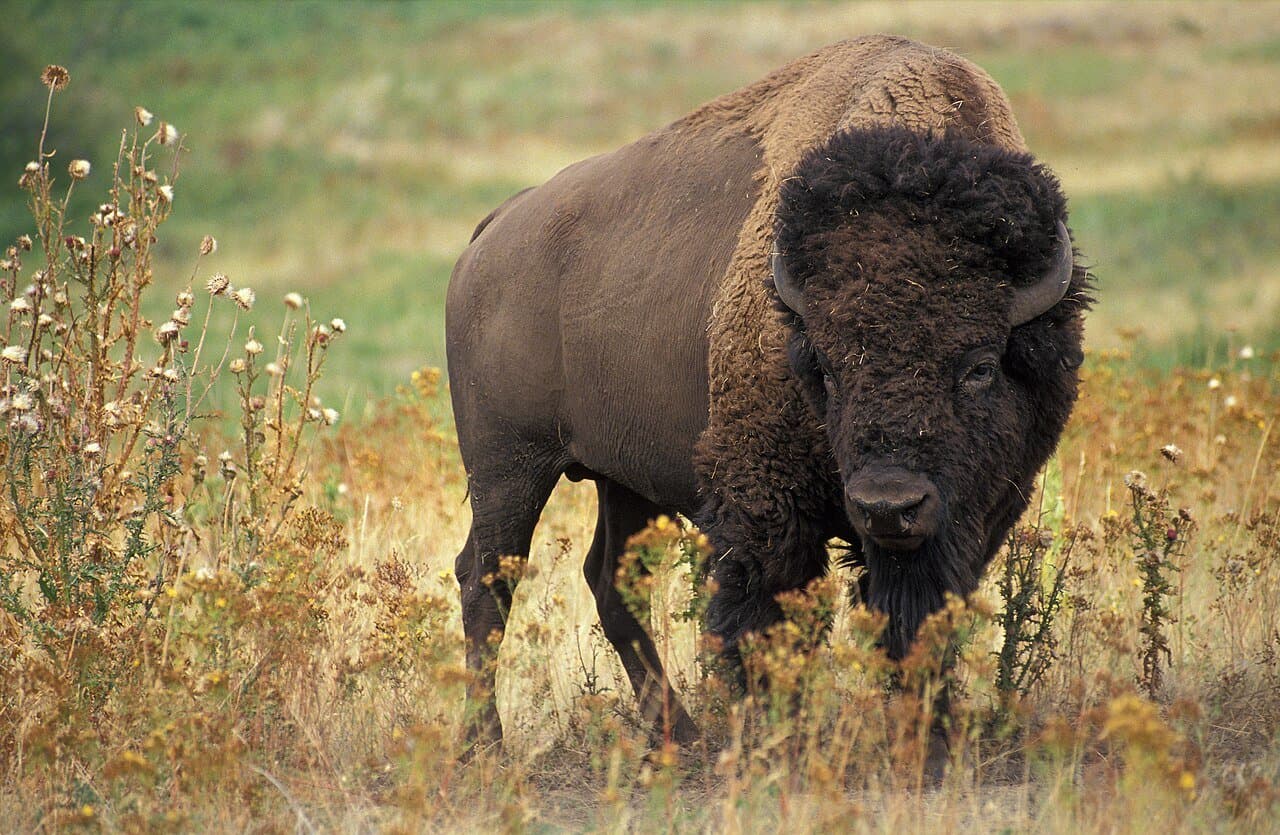 American BisonBison bisonA huge, shaggy grazer of North America that once numbered in the tens of millions and nearly disappeared.
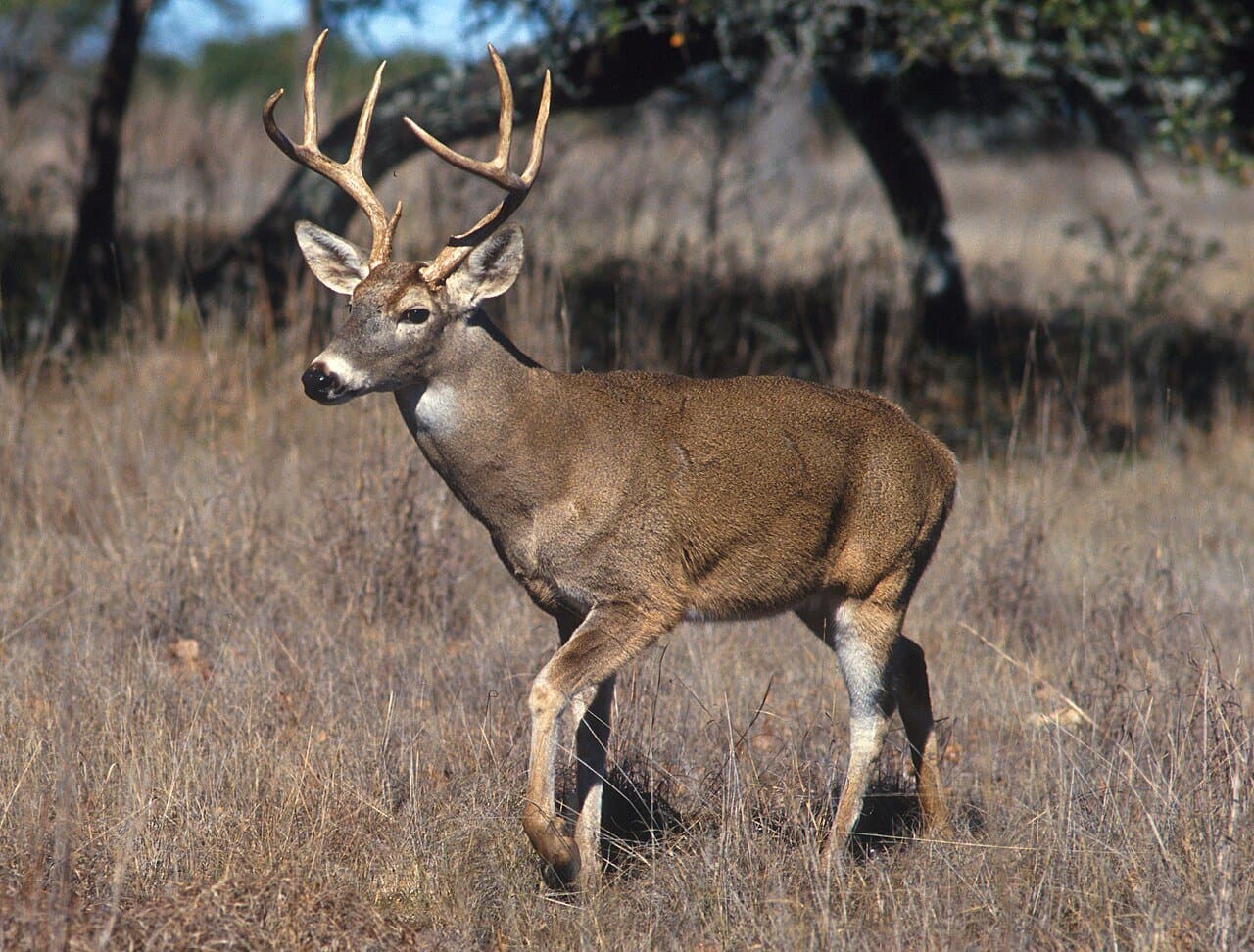 White-Tailed DeerOdocoileus virginianusA common deer of the Americas that flashes its white tail as a warning and bounds away at up to 30 miles per hour.
South America (16)
See this area on the zoo's website ↗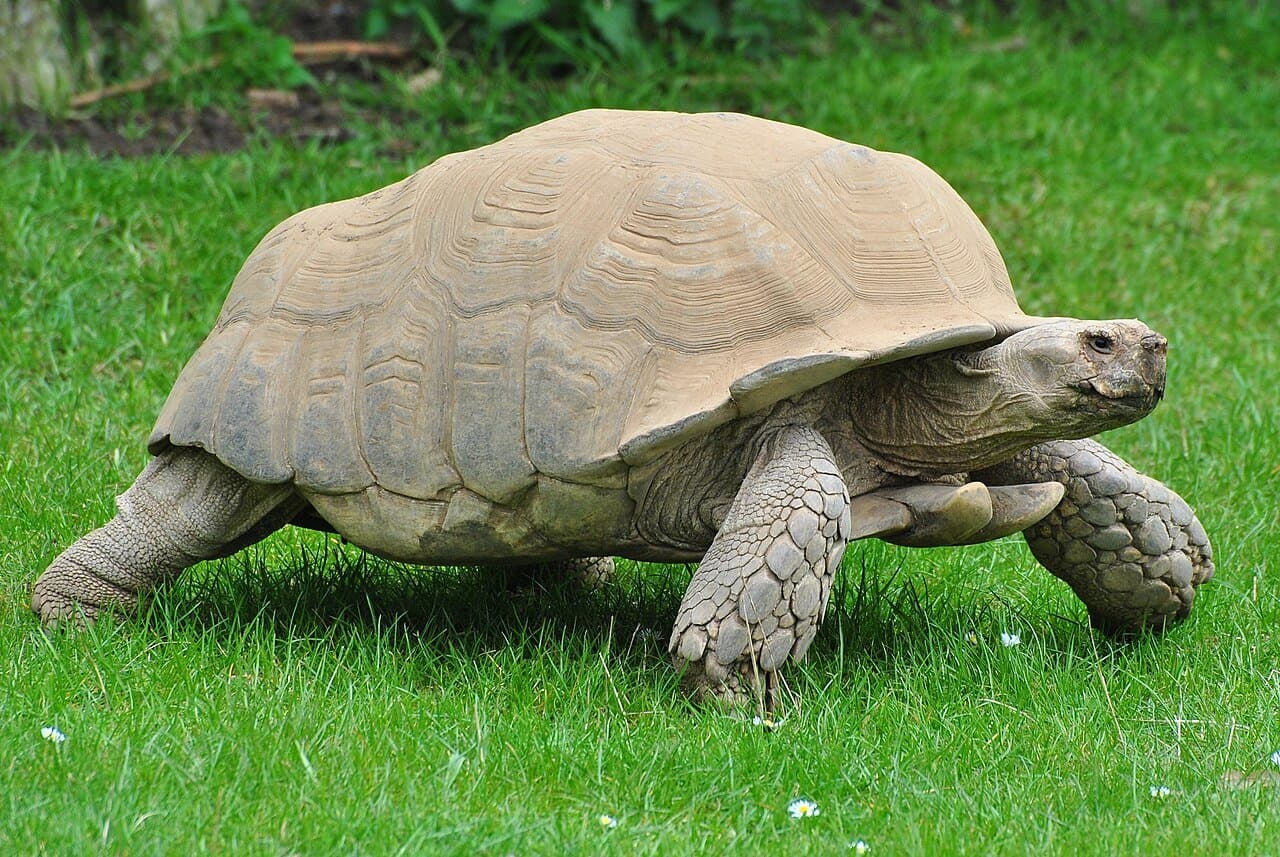 African Spurred TortoiseCentrochelys sulcata (also called Geochelone sulcata)The largest mainland African tortoise, a burrowing plant-eater of the dry lands south of the Sahara, also called the sulcata tortoise.
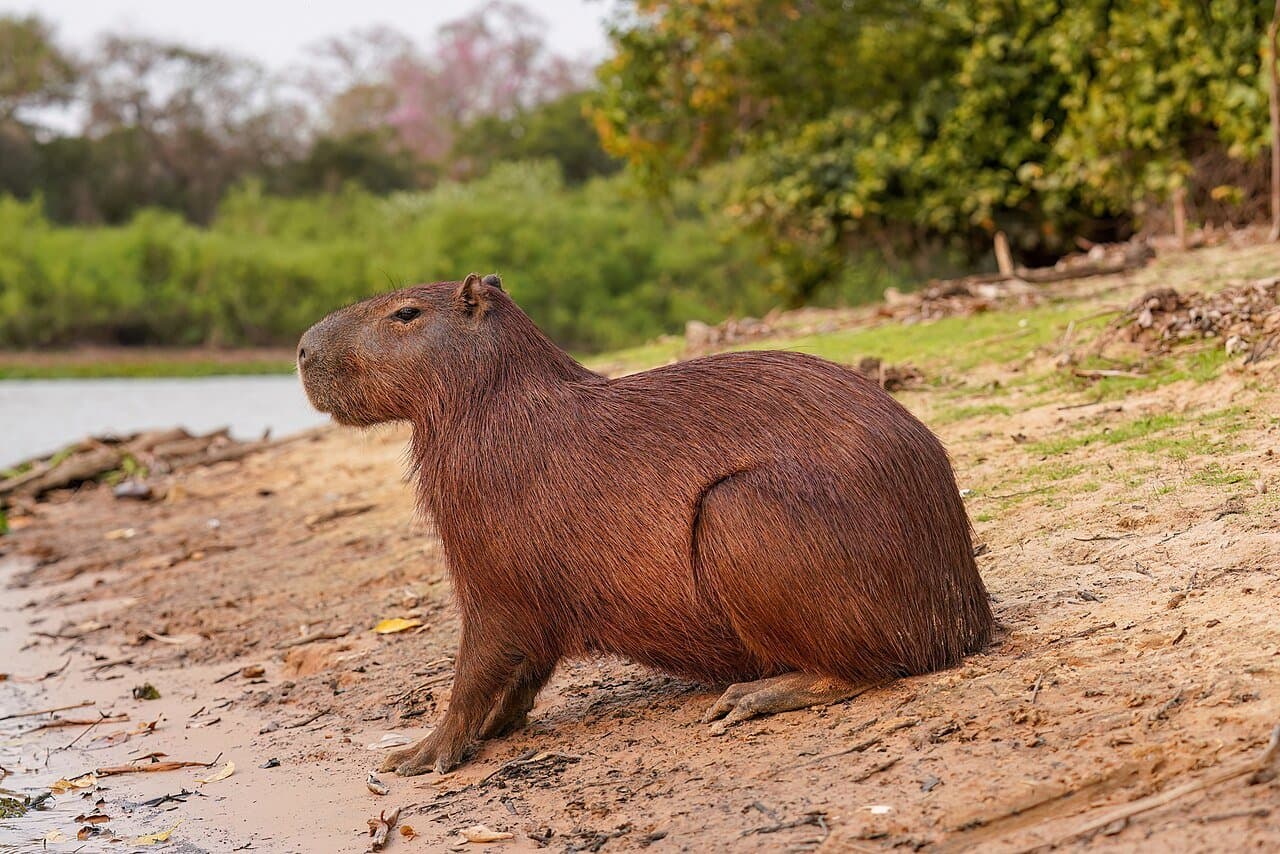 CapybaraHydrochoerus hydrochaerisThe world's largest rodent, a grass-eating swimmer of South American riverbanks that lives in groups.
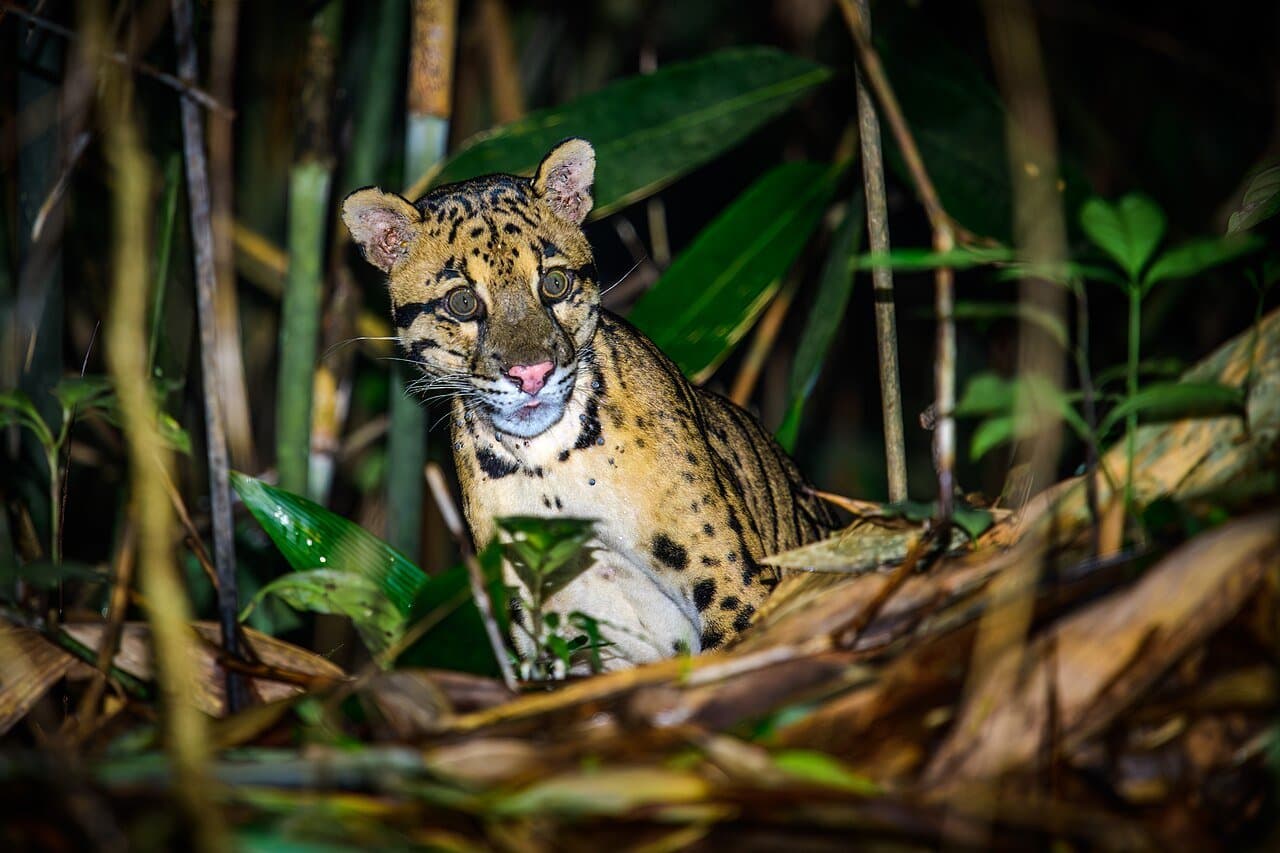 Clouded LeopardNeofelis nebulosaA tree-climbing wild cat of Asian forests with cloud-shaped spots and the longest canine teeth for its skull size of any wild cat.
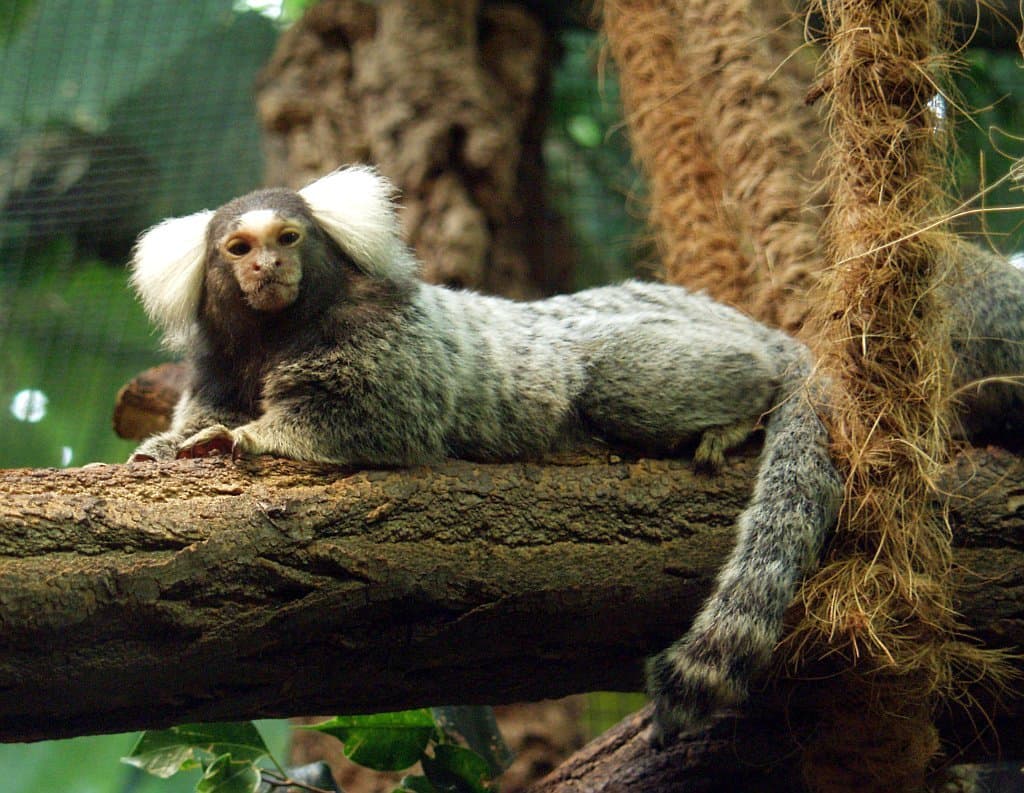 Common MarmosetCallithrix jacchusA tiny tree-sap-eating monkey of northeastern Brazil with white ear tufts, usually born as twins.
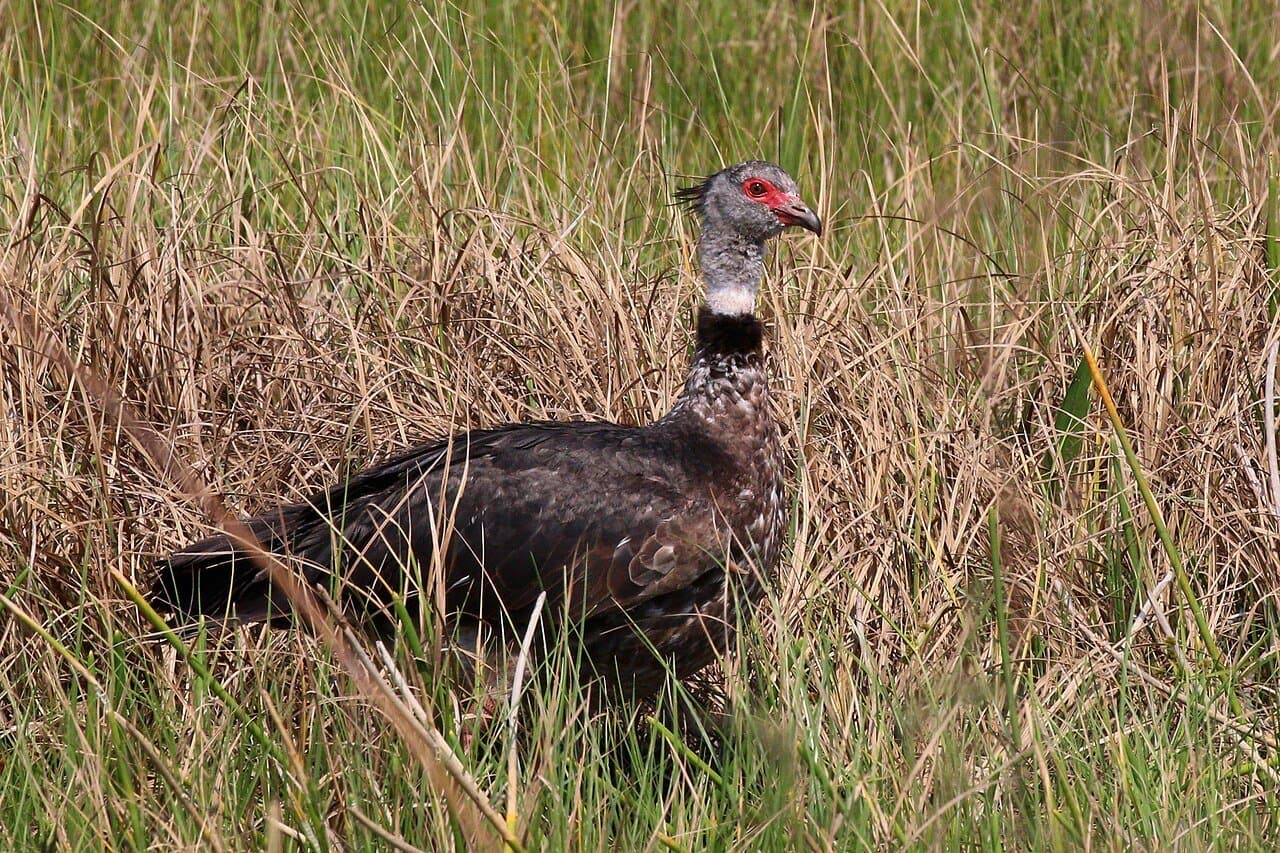 Southern ScreamerChauna torquataA South American wetland bird, also called the crested screamer, whose call carries up to 3 km and whose wings have sharp spurs.
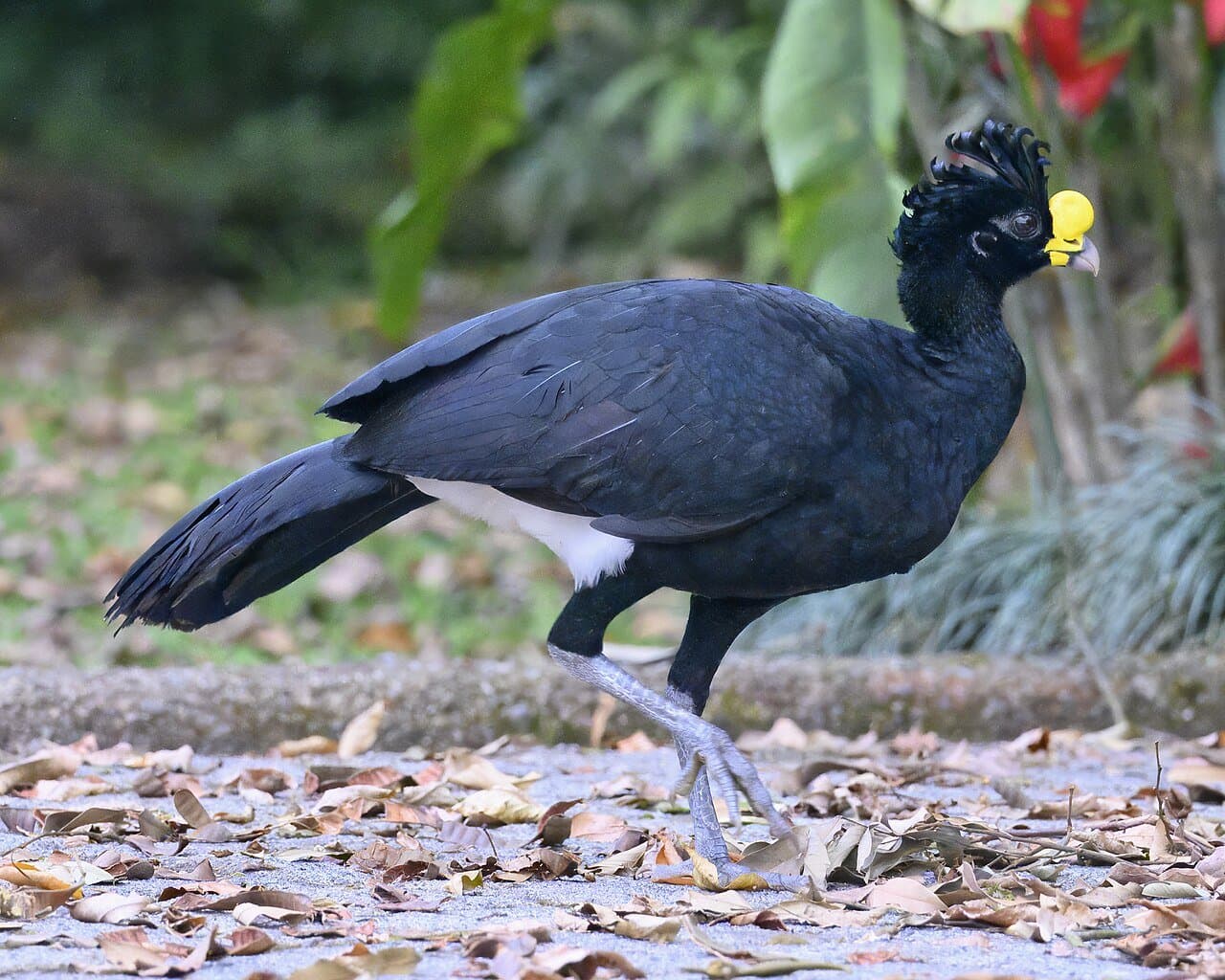 Great CurassowCrax rubraA vulnerable fruit-eating forest bird of Mexico, Central America and northwestern South America.
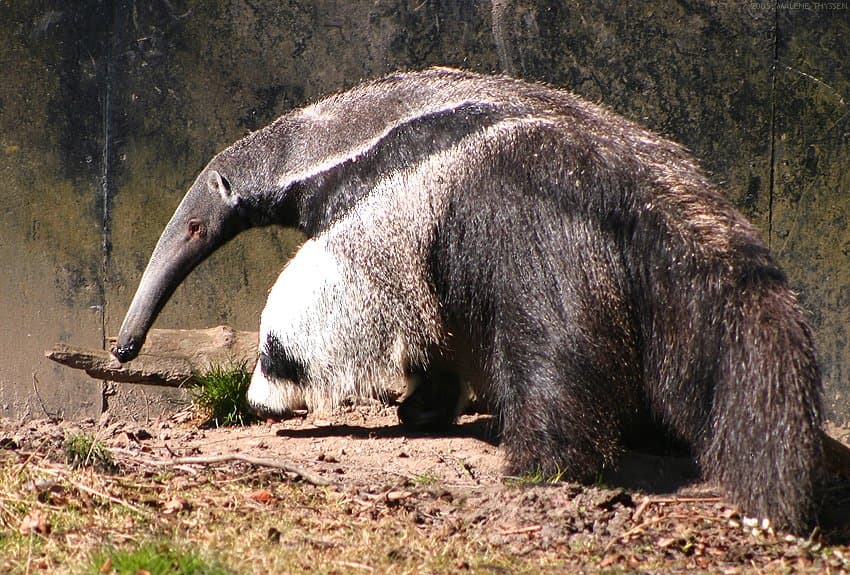 Giant AnteaterMyrmecophaga tridactylaA toothless insect-eater of Central and South America that flicks its 2-foot tongue up to 150 times a minute.
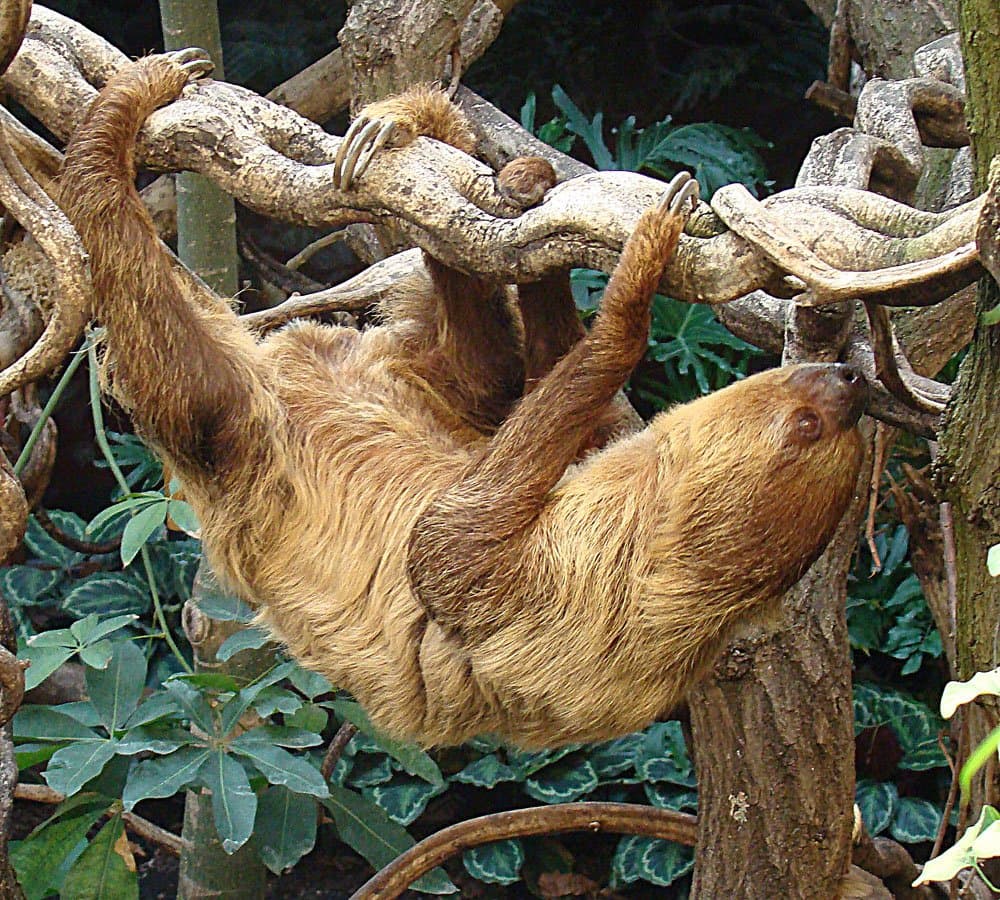 Two-Toed SlothCholoepus didactylusAn upside-down rainforest mammal of Central and South America that sleeps about 15 hours a day and grows algae in its fur.
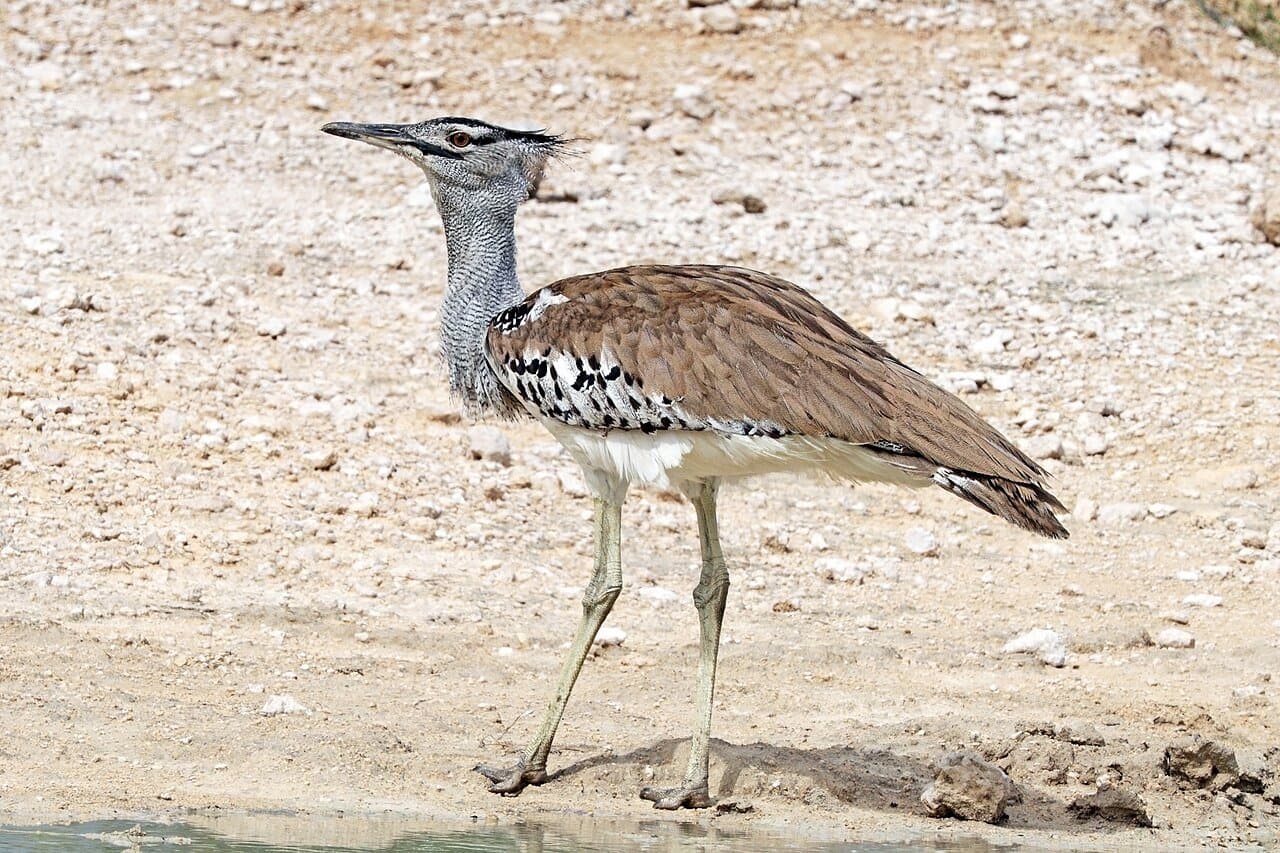 Kori BustardArdeotis koriOne of the world's heaviest flying birds, a ground-walking hunter of African grasslands that puffs up its neck to show off.
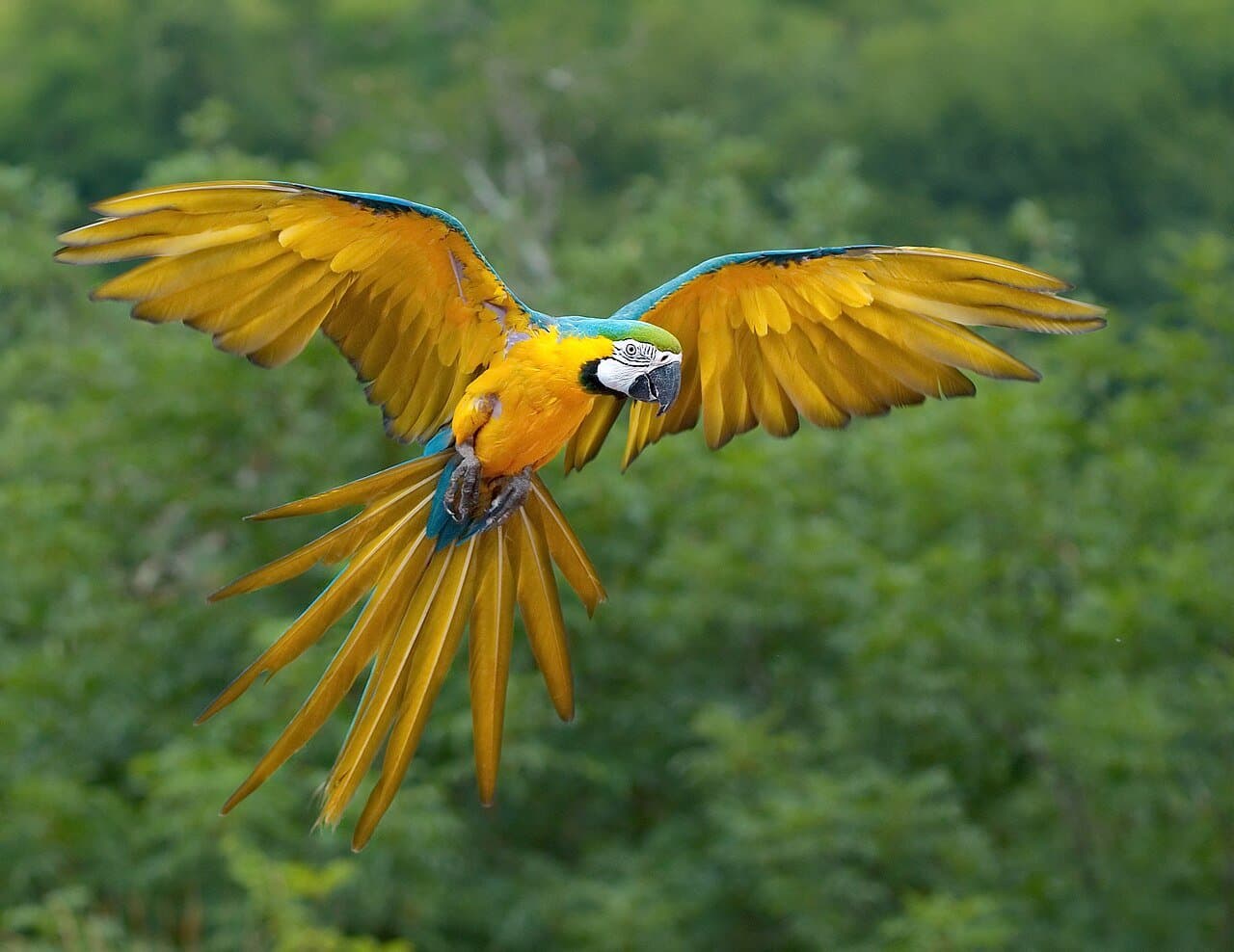 Blue-and-Yellow MacawAra araraunaA big blue-and-gold parrot of South American rainforests that mates for life and eats clay from riverbanks.
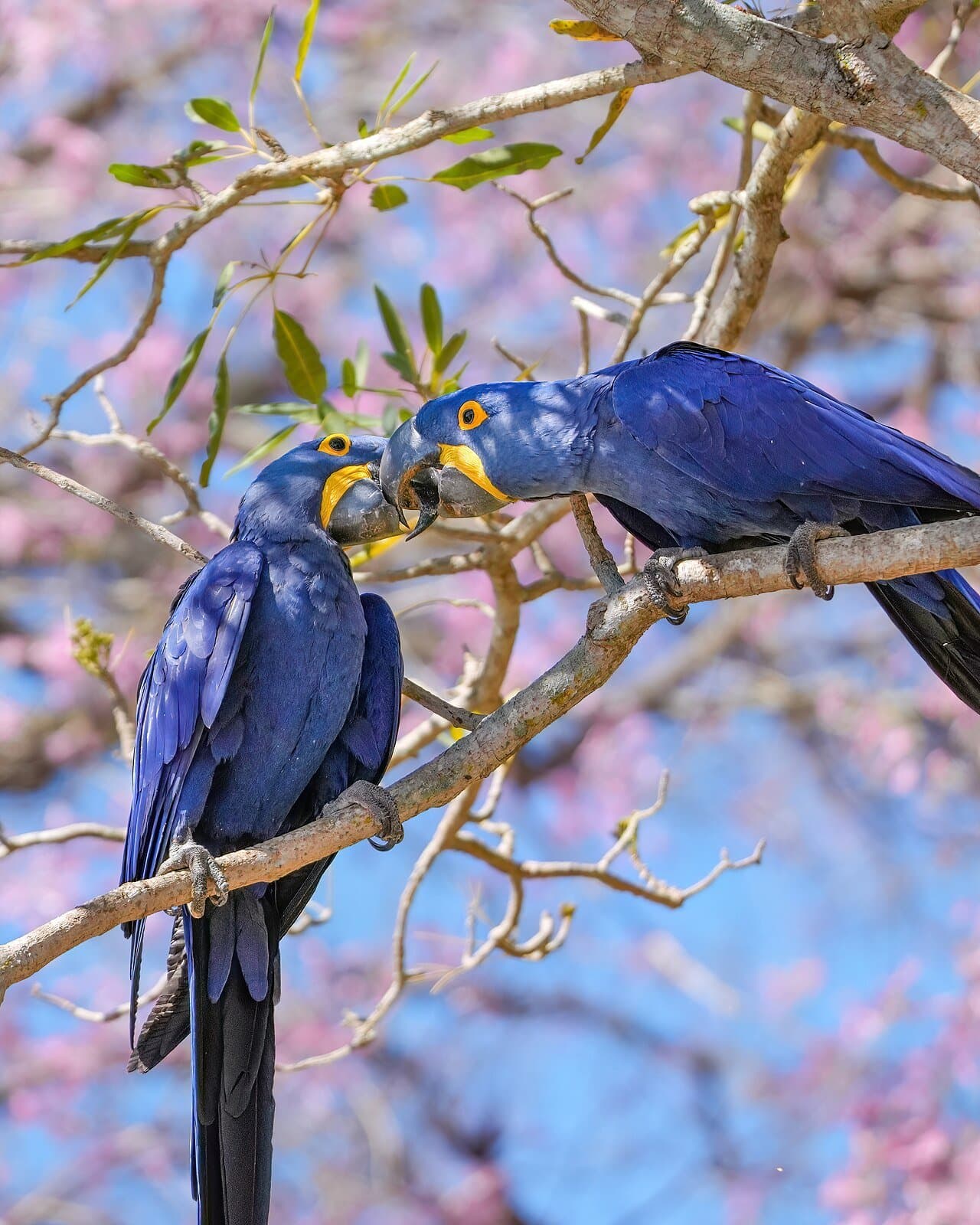 Hyacinth MacawAnodorhynchus hyacinthinusThe largest macaw, a bright blue parrot of central South America with yellow rings around its eyes.
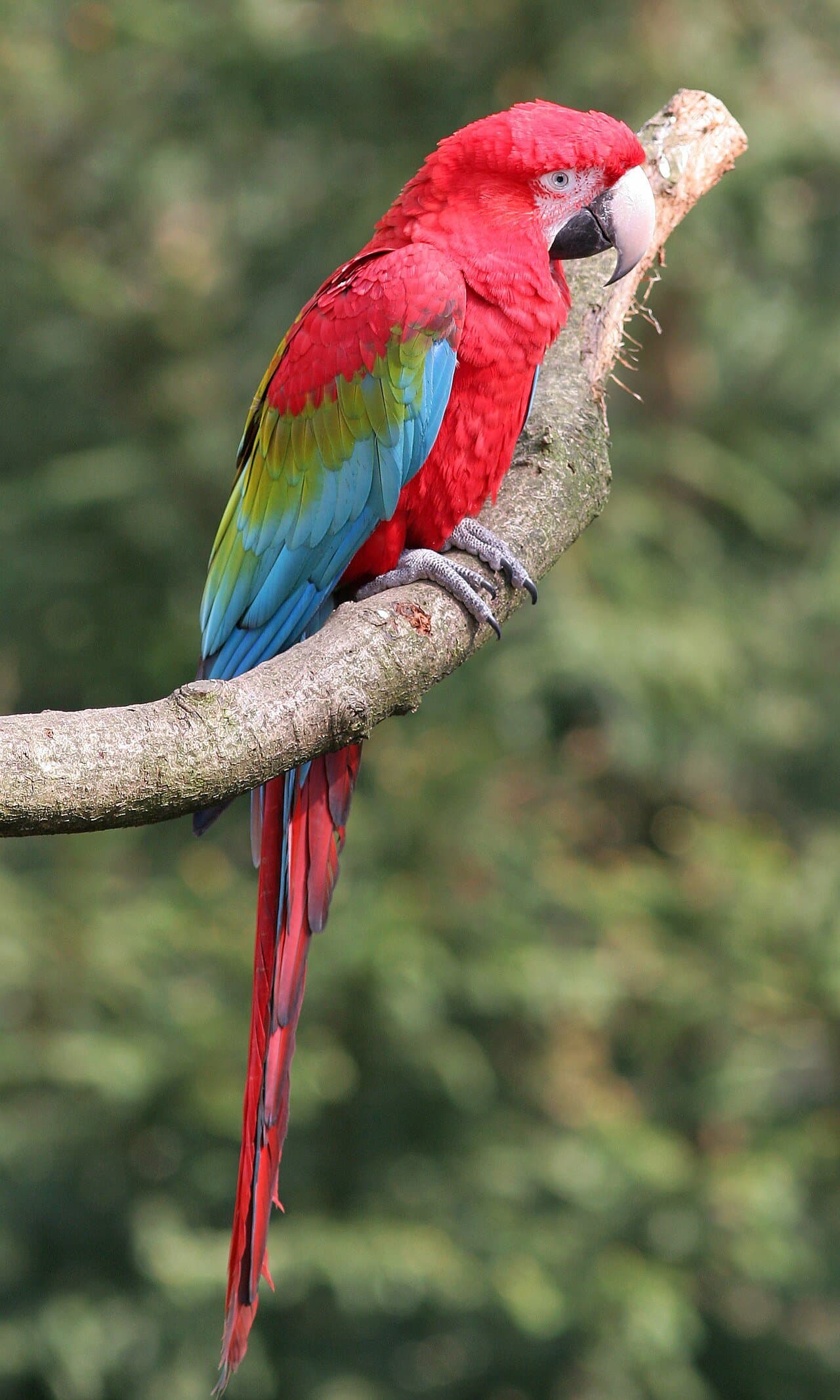 Green-Winged MacawAra chloropterusA big red South American macaw, also called the red-and-green macaw, with green and blue wings and lines of tiny red feathers on its face.
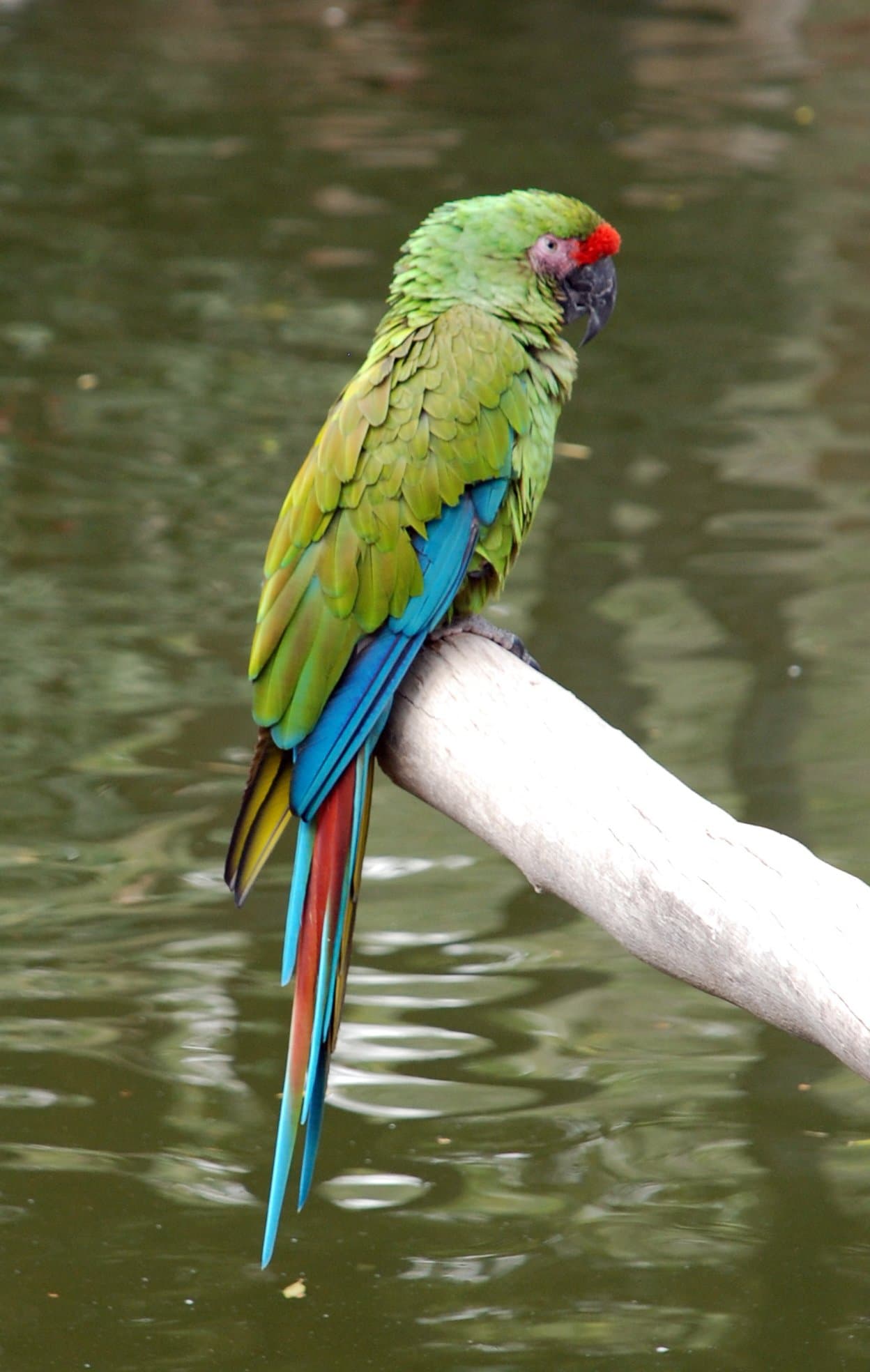 Military MacawAra militarisA green macaw with a red forehead that lives in scattered mountain and forest populations from Mexico to Argentina.
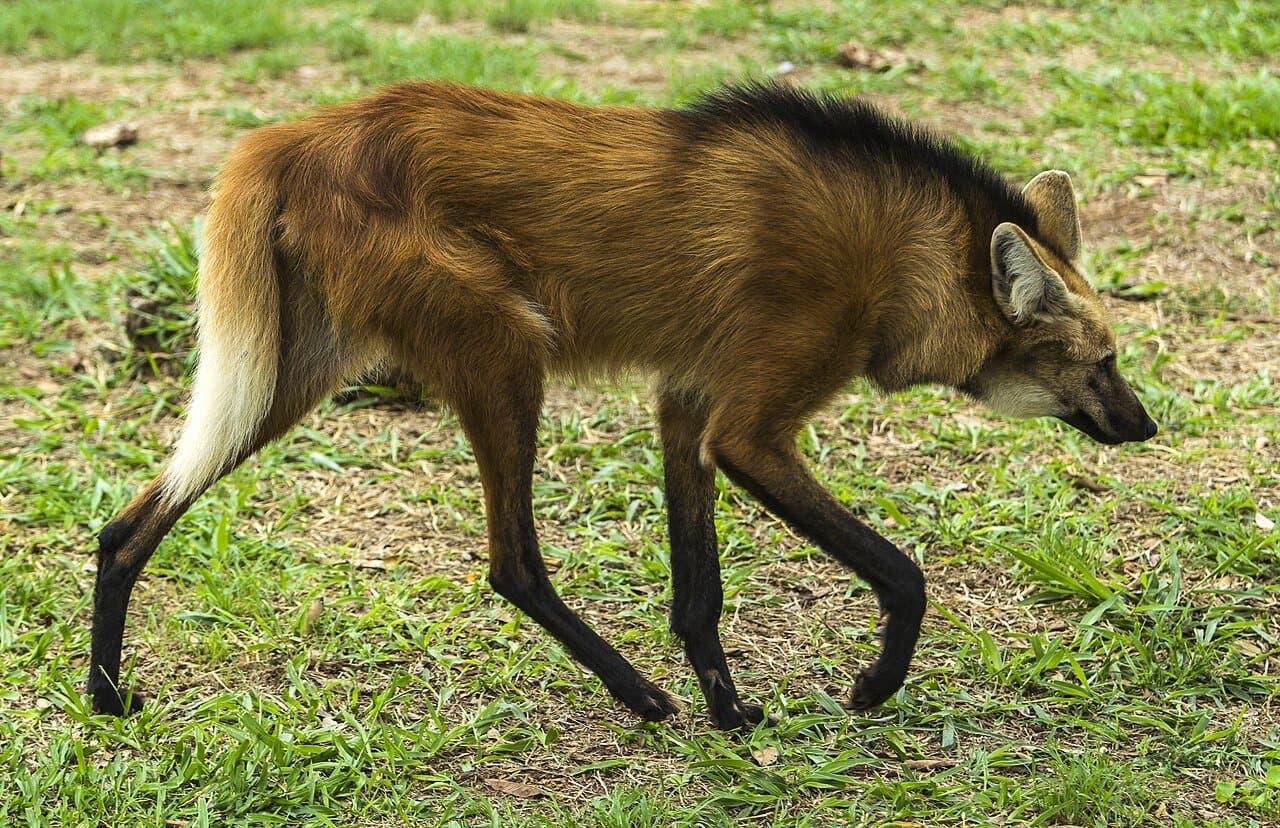 Maned WolfChrysocyon brachyurusA long-legged, red-coated South American canine that is neither a fox nor a true wolf, and eats as much fruit as meat.
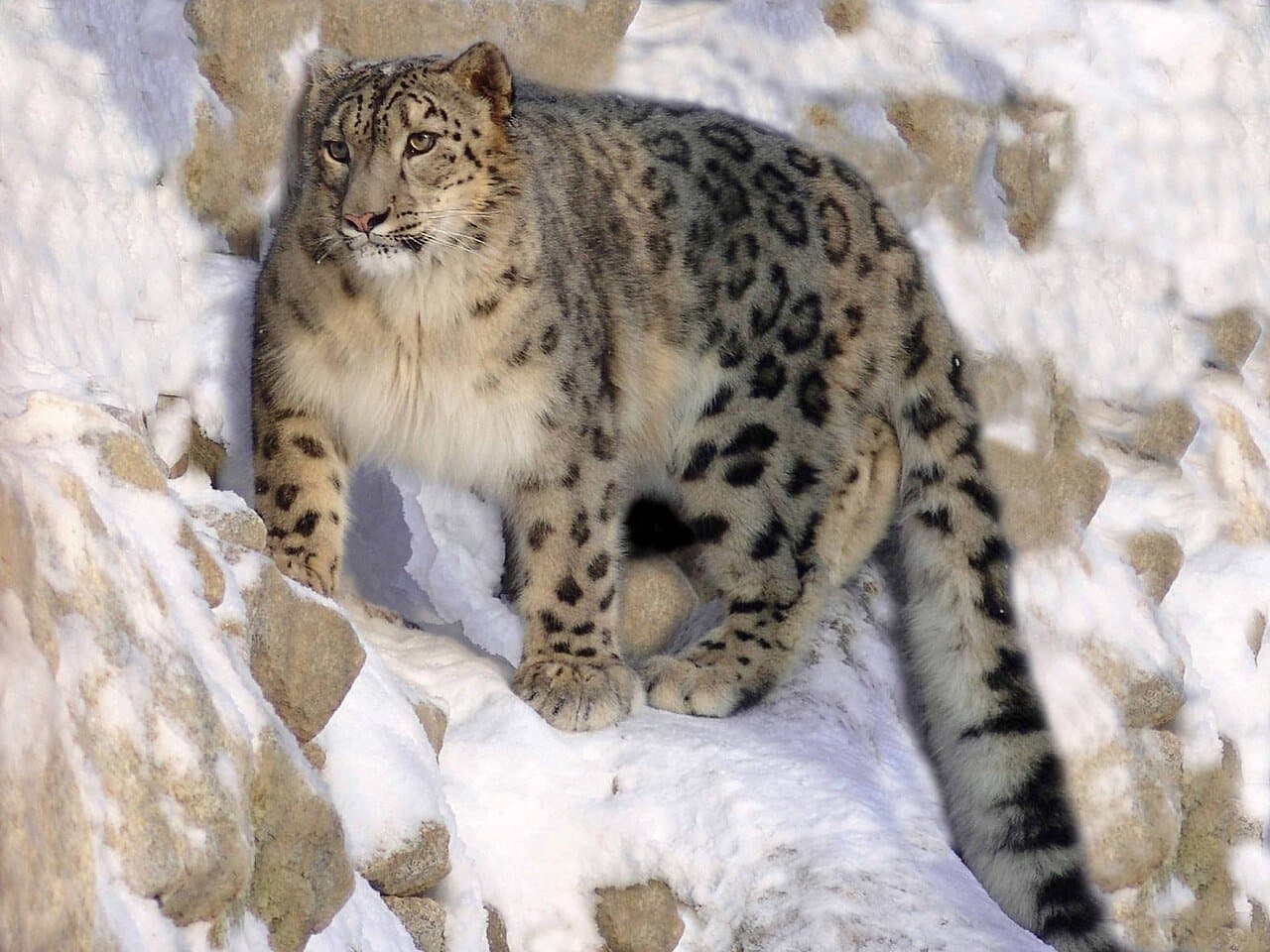 Snow LeopardPanthera unciaA smoky-gray big cat of Central Asia's high mountains with huge furry paws and a long tail it wraps around itself for warmth.
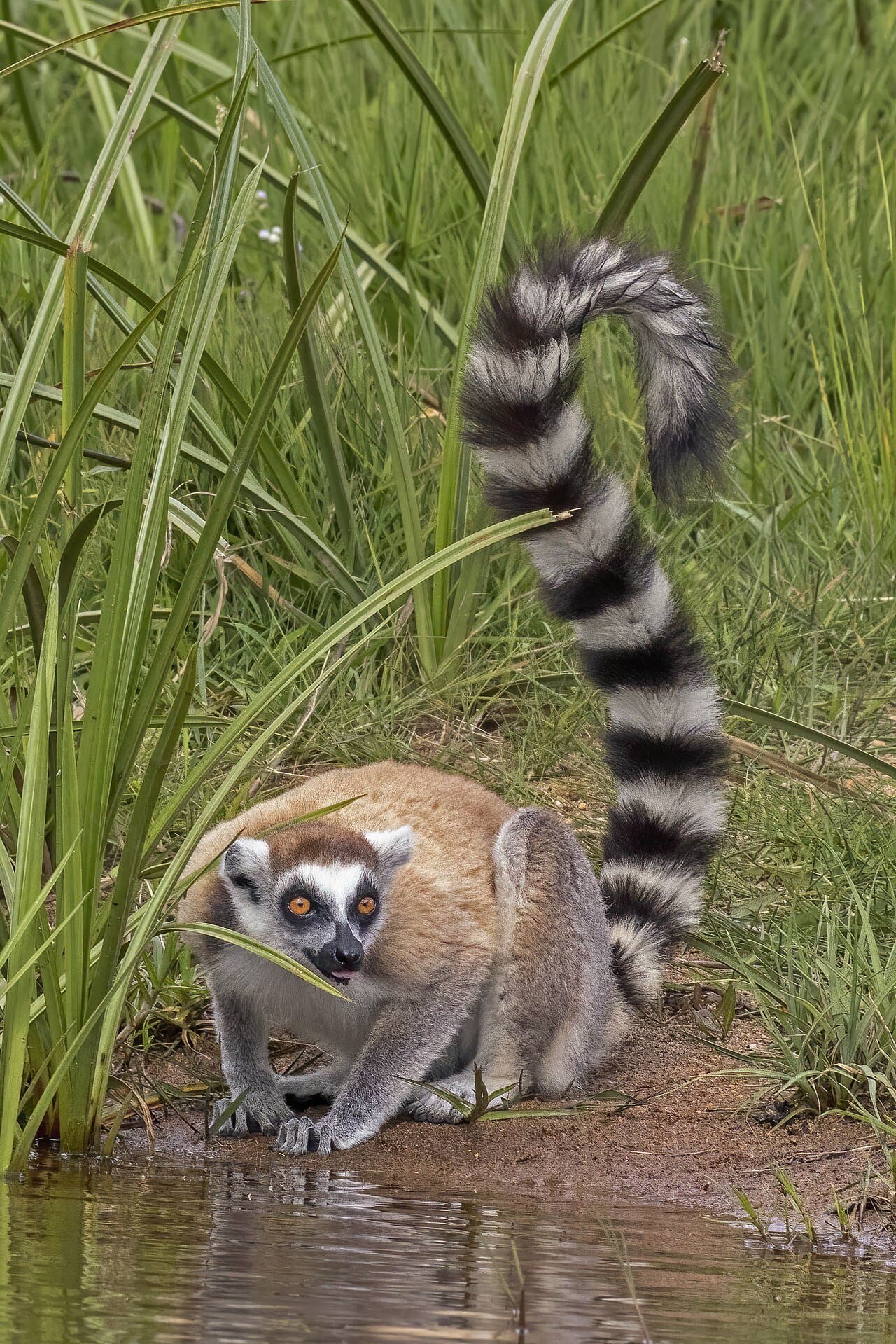 Ring-Tailed LemurLemur cattaAn endangered primate of southwestern Madagascar with a black-and-white striped tail, female-led troops and a love of sunbathing.
Reptile Junction (9)
See this area on the zoo's website ↗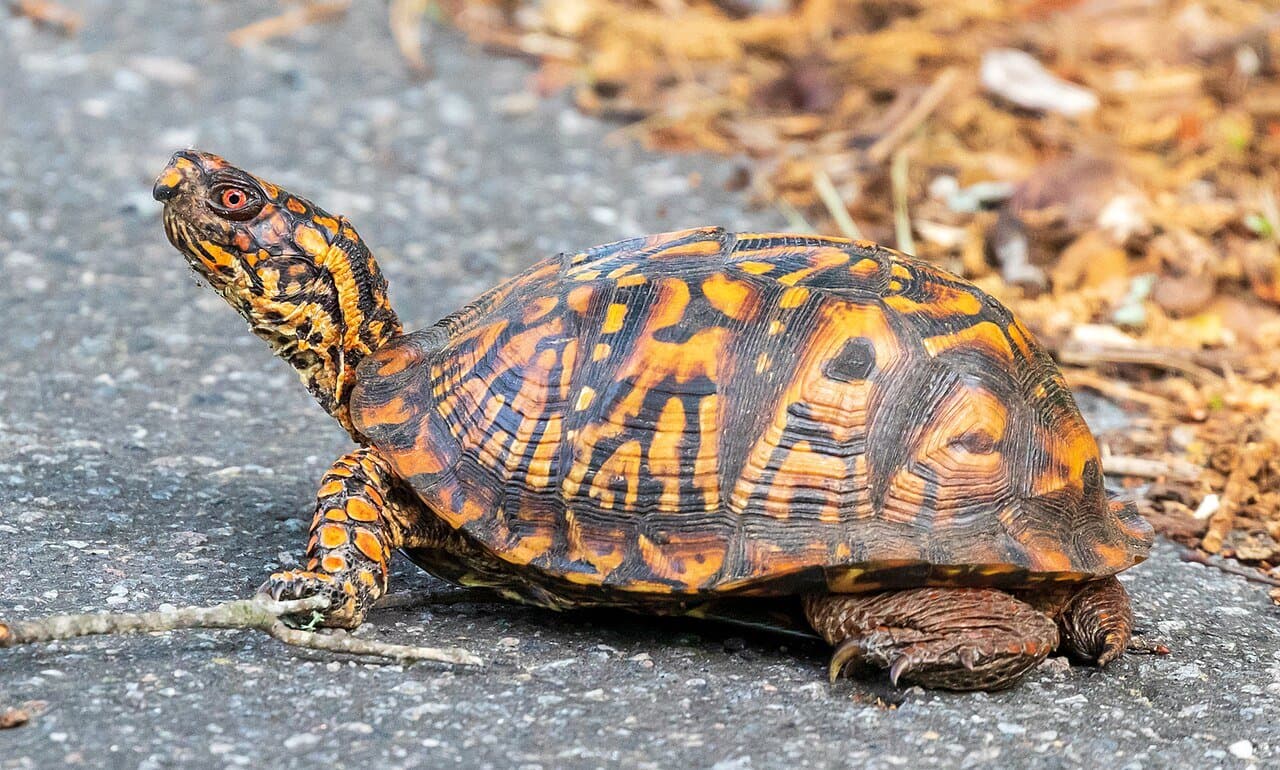 Eastern Box TurtleTerrapene carolinaA land turtle of the eastern United States that can close its shell like a box and may live more than 100 years.
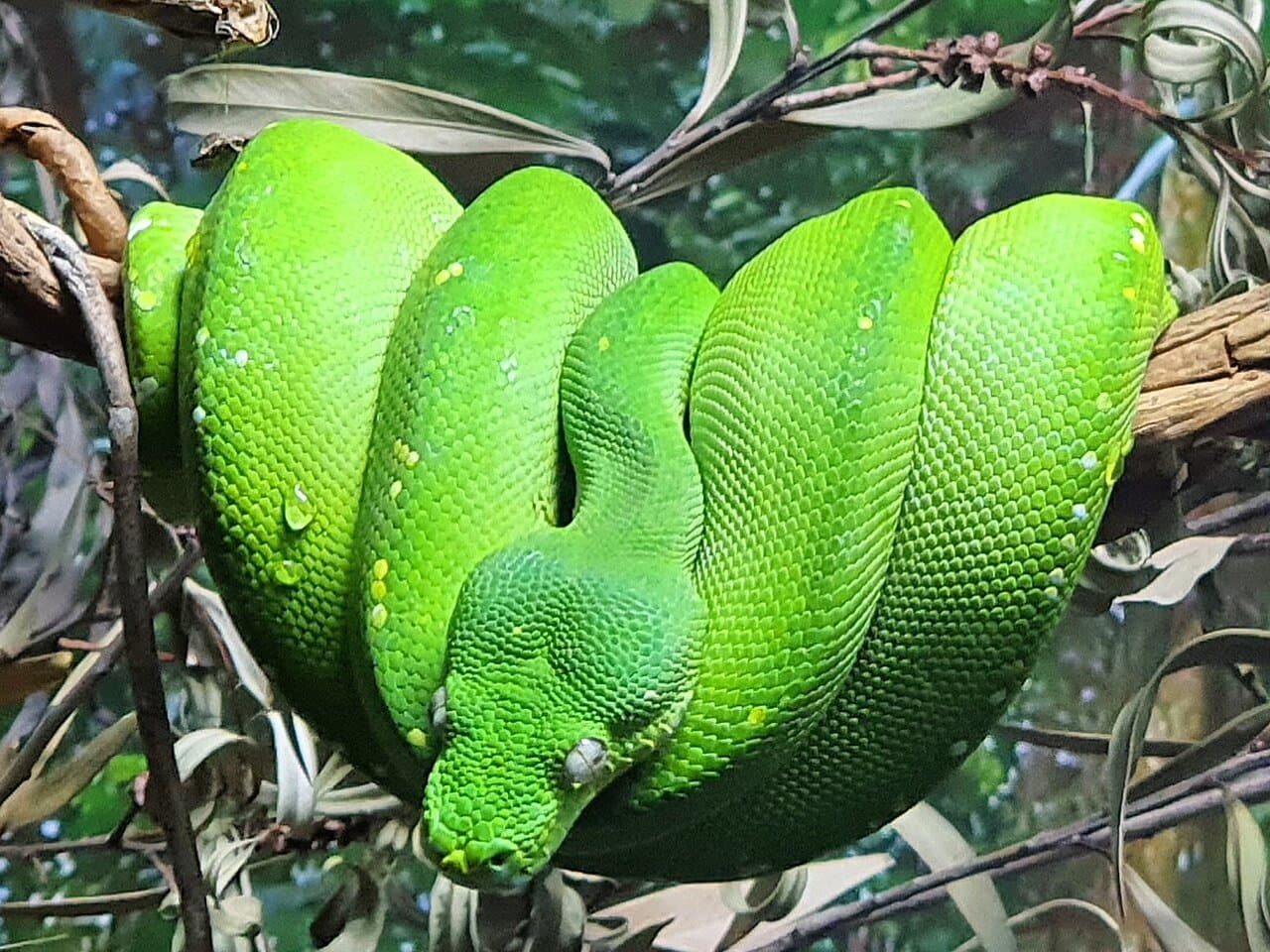 Green Tree PythonMorelia viridisA bright green rainforest python of New Guinea and northern Australia whose babies hatch yellow or red and later turn green.
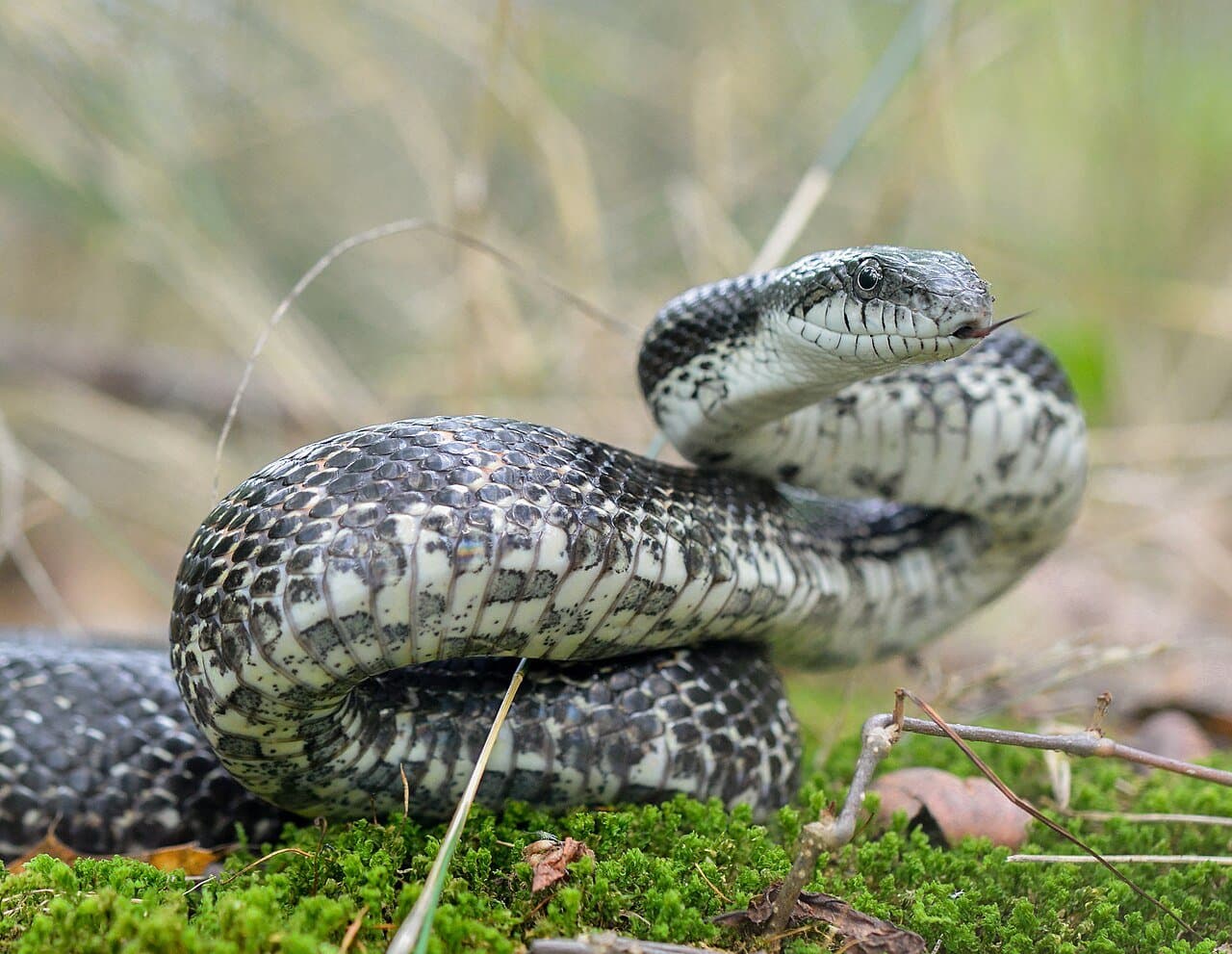 Gray Rat SnakePantherophis spiloidesA harmless, tree-climbing constrictor of the eastern and southeastern United States that eats rodents, birds and eggs.
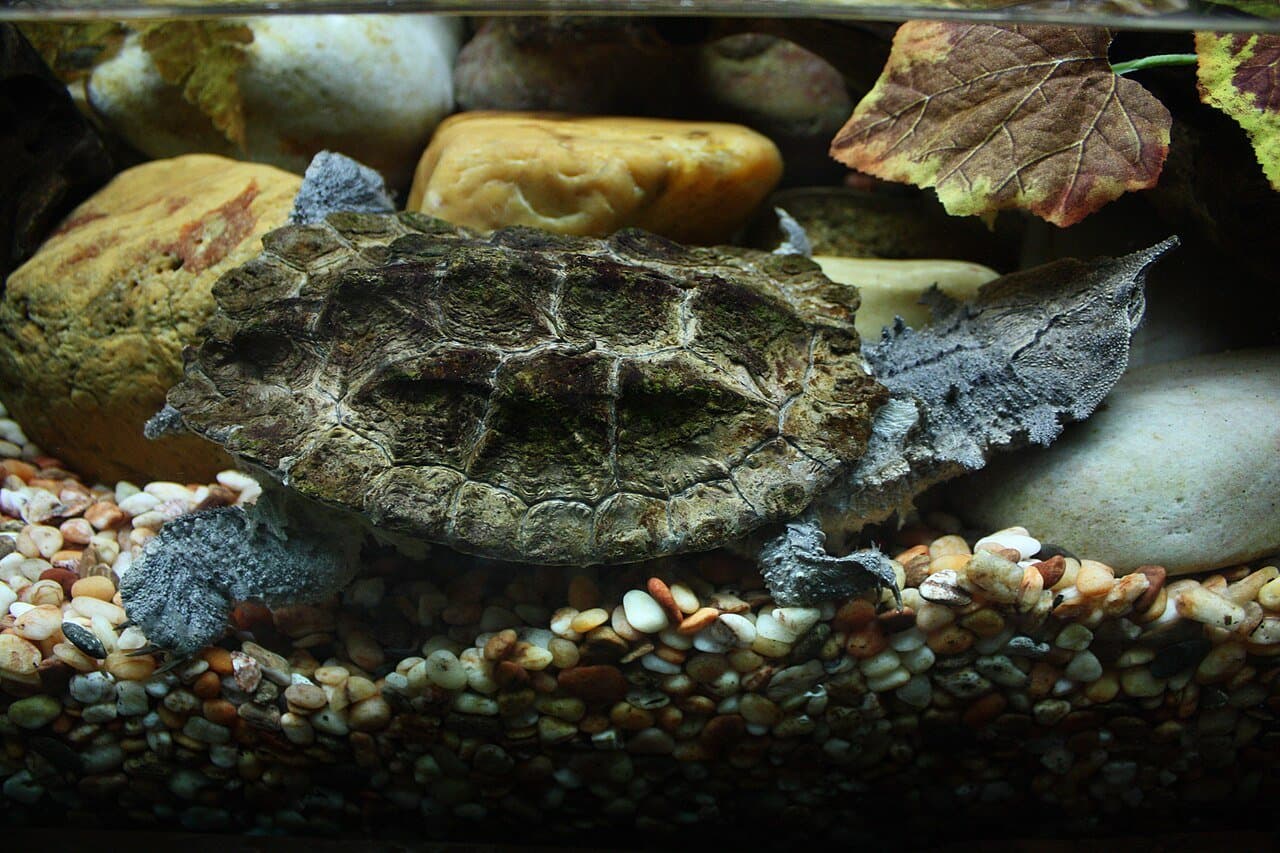 Mata MataChelus fimbriataA camouflaged Amazon turtle with a flat head and snorkel nose that vacuums up fish by suddenly opening its mouth.
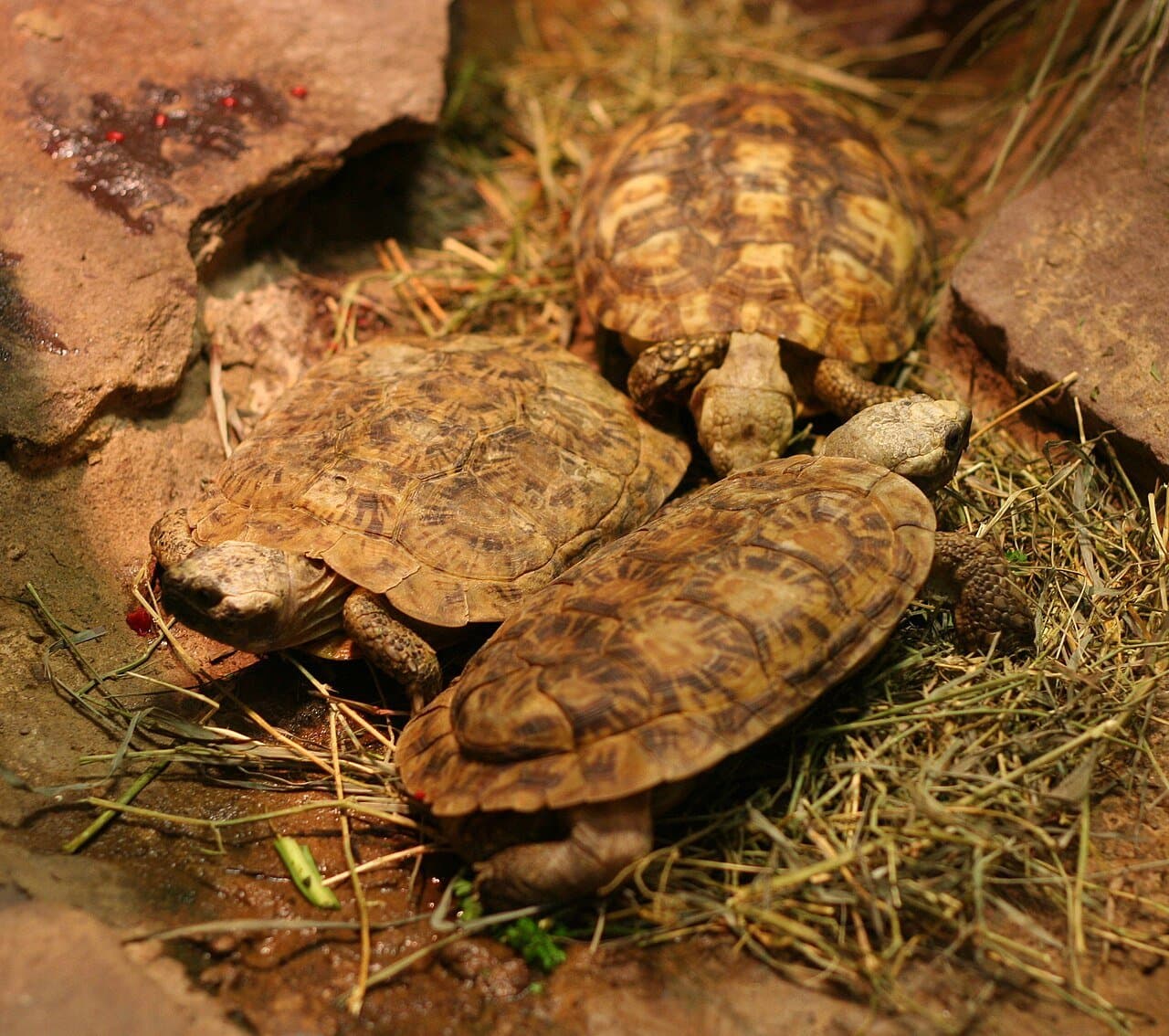 Pancake TortoiseMalacochersus tornieriA critically endangered East African tortoise with a thin, flat, flexible shell that hides in rock cracks instead of in its shell.
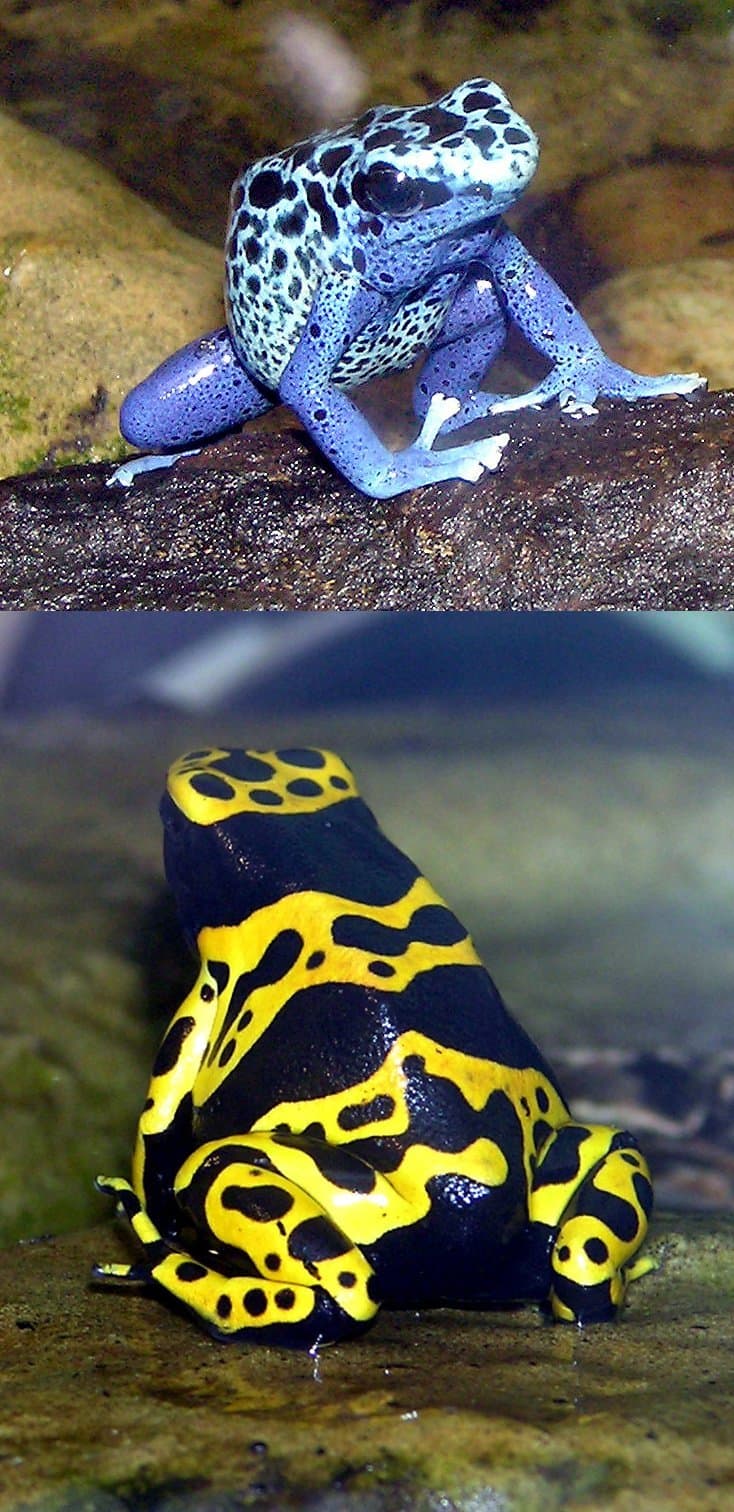 Poison Dart FrogsFamily Dendrobatidae (about 220 species)A family of about 220 tiny, brightly colored rainforest frogs whose bold colors warn predators that their skin is poisonous.
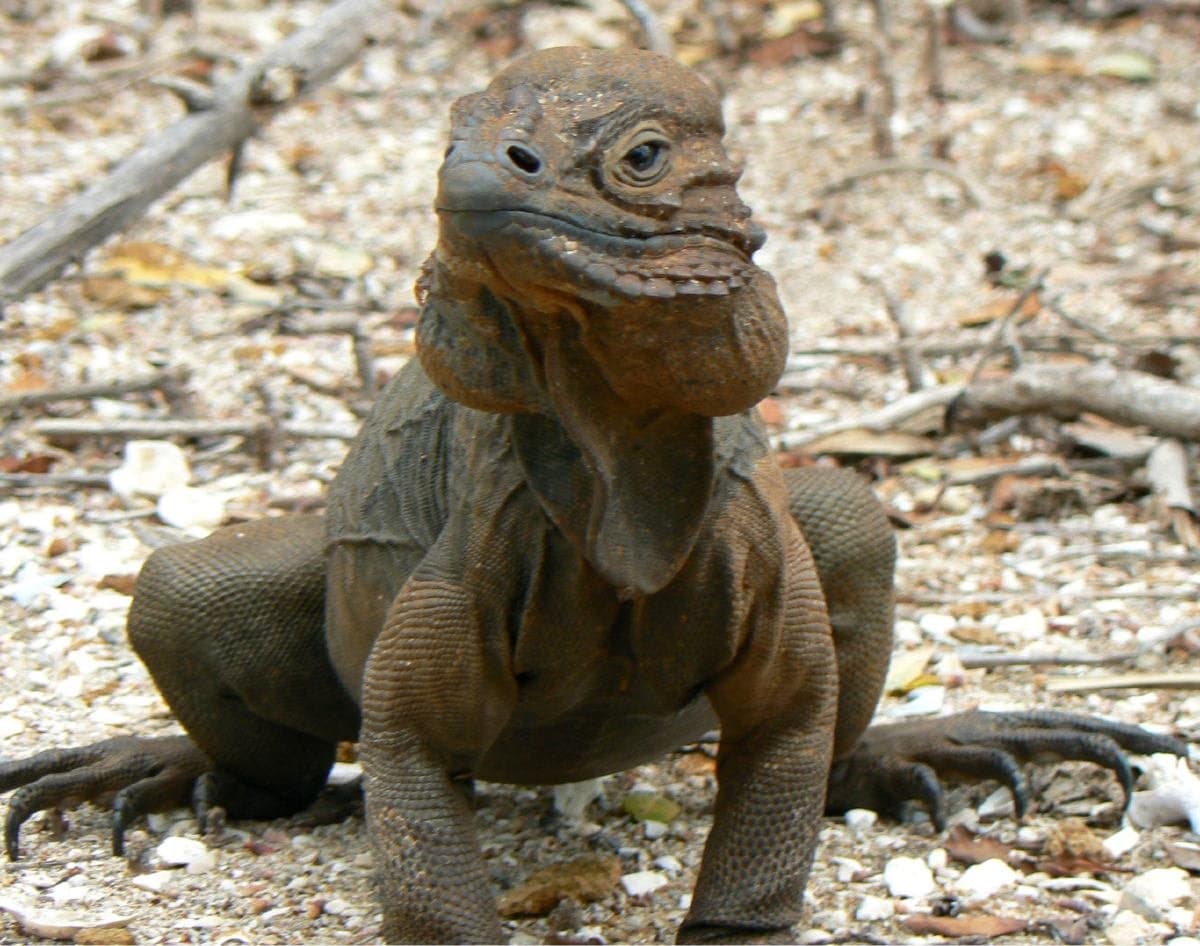 Rhinoceros IguanaCyclura cornutaAn endangered plant-eating lizard found only on the Caribbean island of Hispaniola, named for the horn-like scales on its snout.
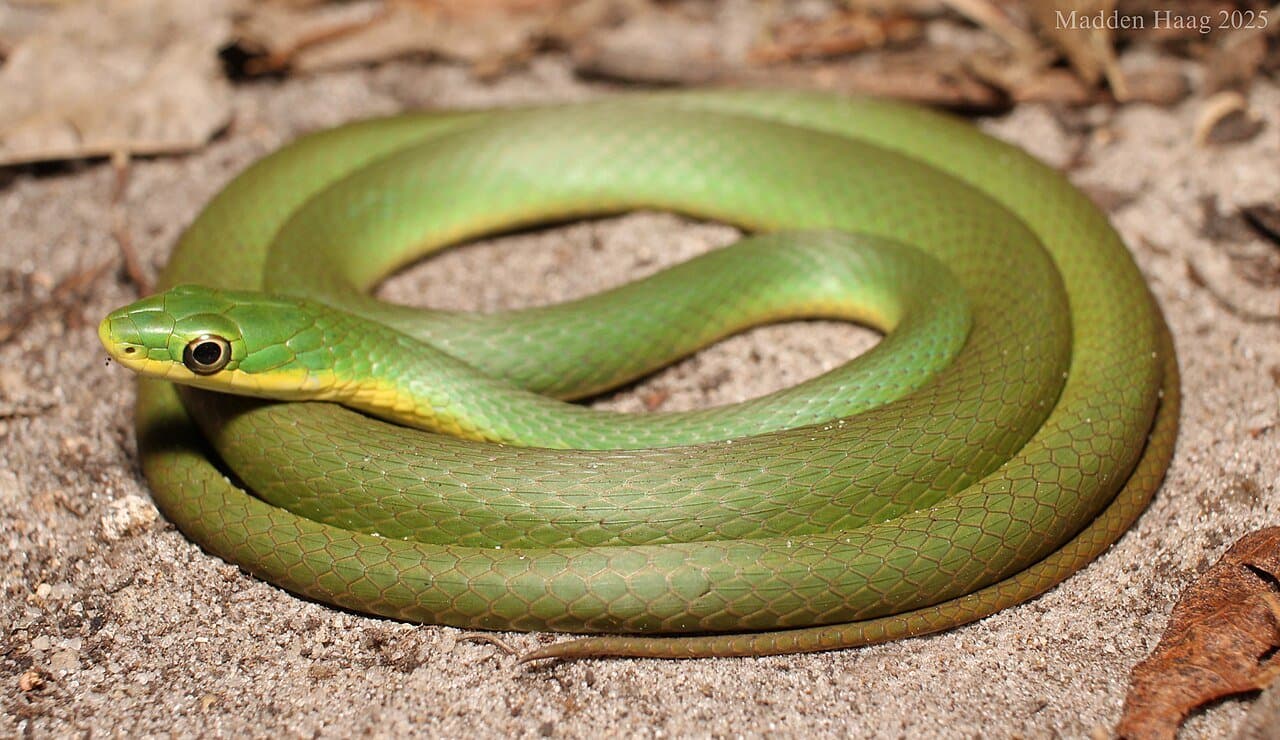 Rough Green SnakeOpheodrys aestivusA slender, harmless green snake of the southeastern United States that lives in shrubs and trees and eats insects and spiders.
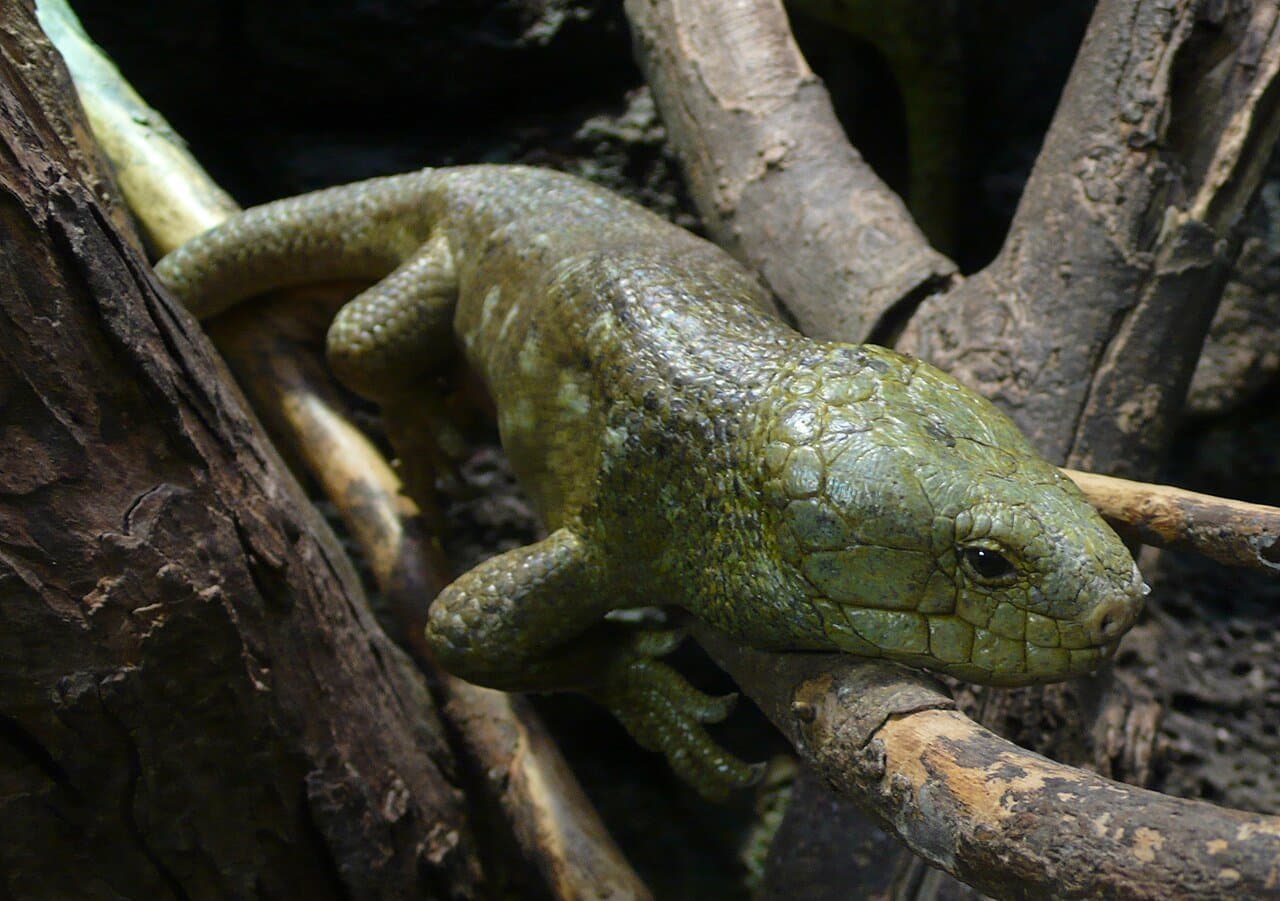 Solomon Islands SkinkCorucia zebrataThe world's largest skink, a tree-dwelling, mostly vegetarian lizard of the Solomon Islands with a tail that can grab branches.
Flight Aviary (4)
See this area on the zoo's website ↗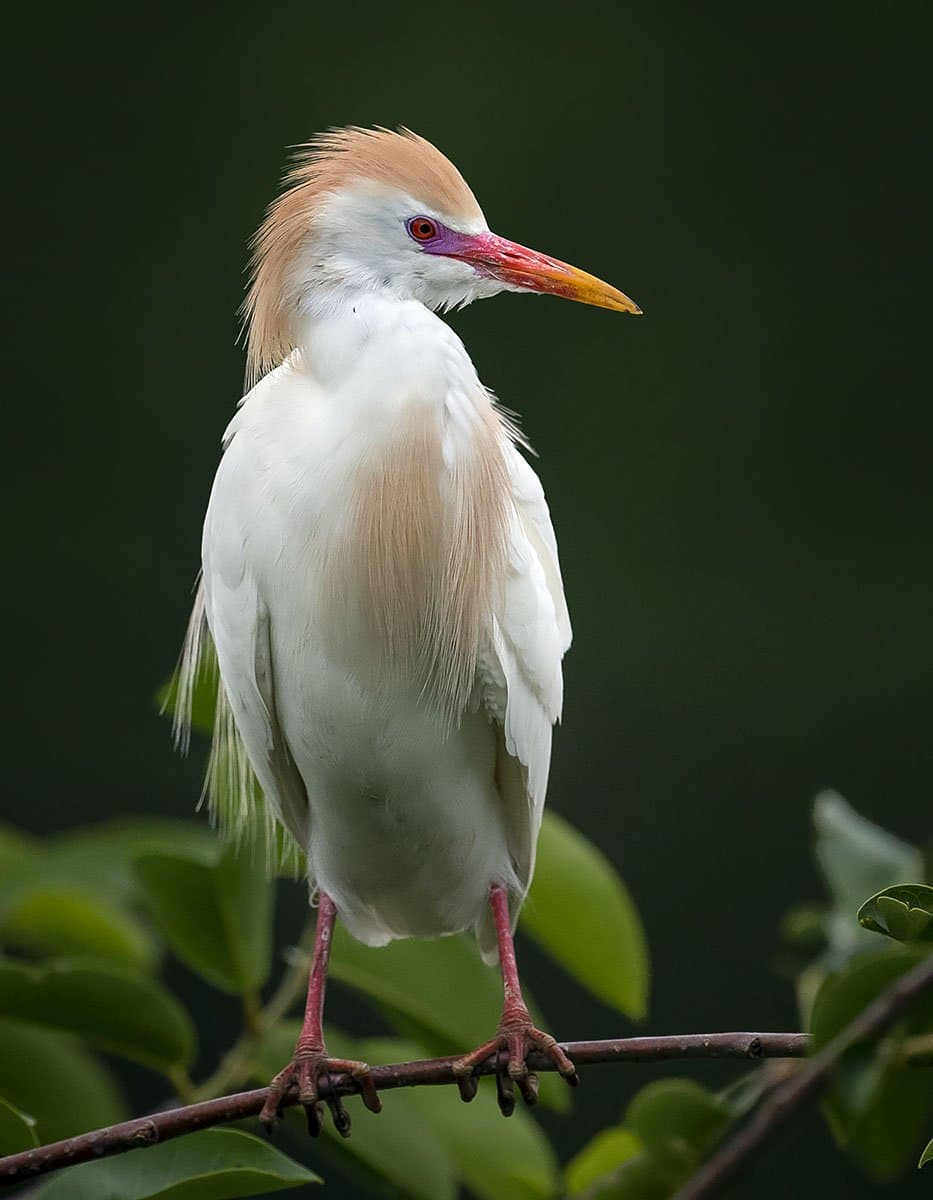 Cattle EgretBubulcus ibisA small white heron that follows grazing animals to catch the insects they stir up, and has spread from Africa around the world.
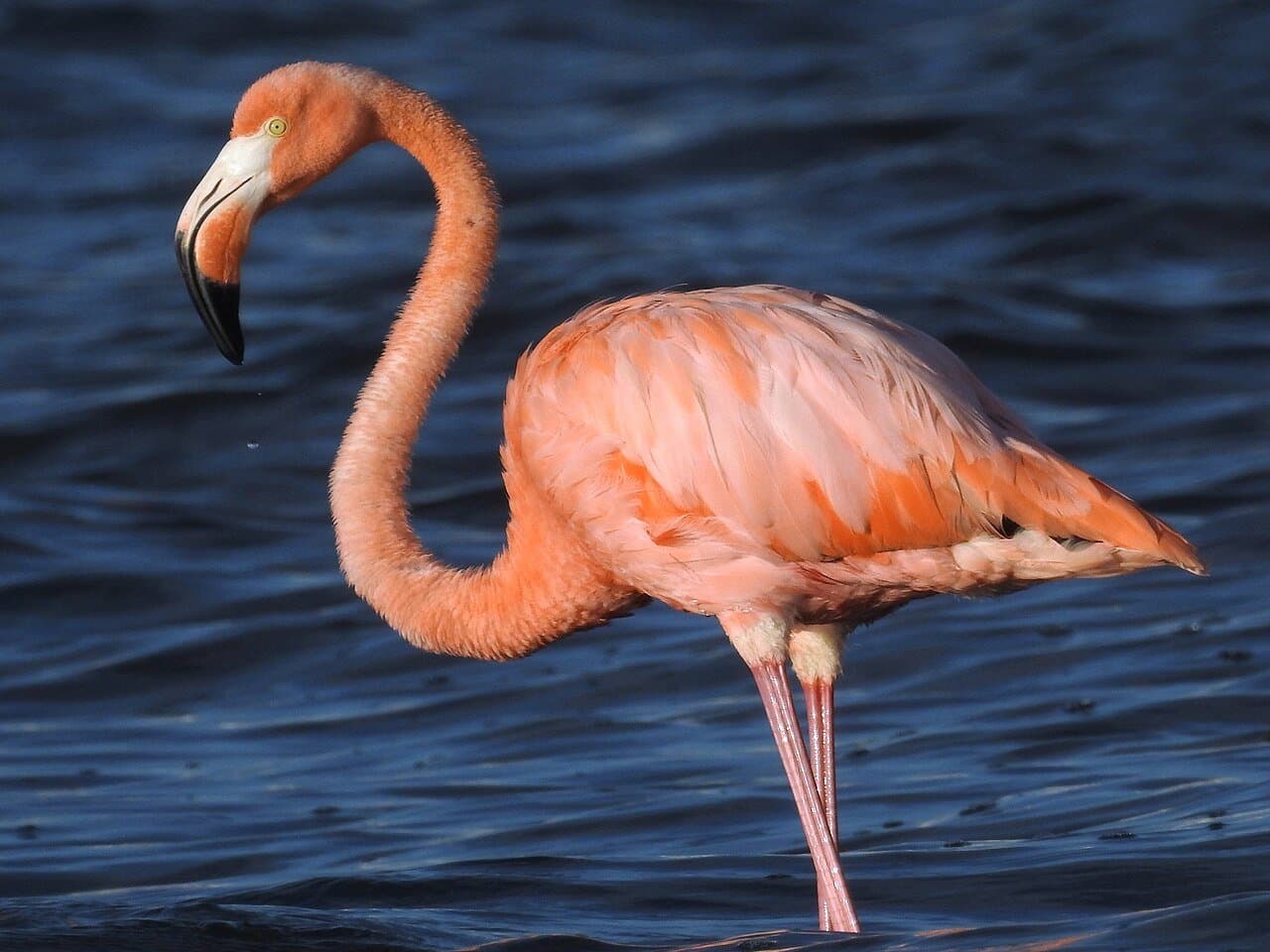 American FlamingoPhoenicopterus ruberThe brightest-colored flamingo, also called the Caribbean flamingo, that filter-feeds with its bill upside down.
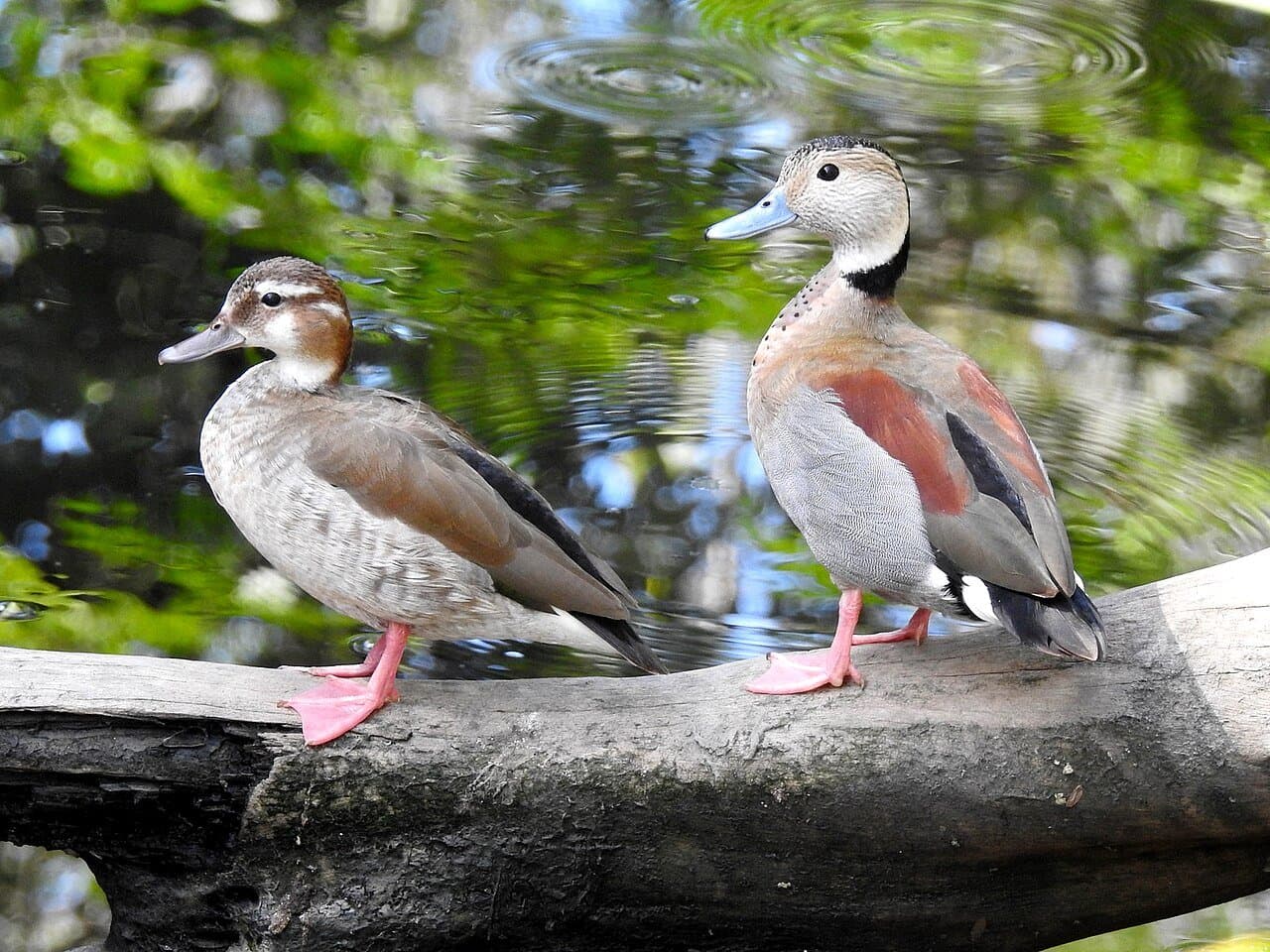 Ringed TealCallonetta leucophrysOne of the world's smallest ducks, a tree-perching duck of South American wetlands that nests in tree holes.
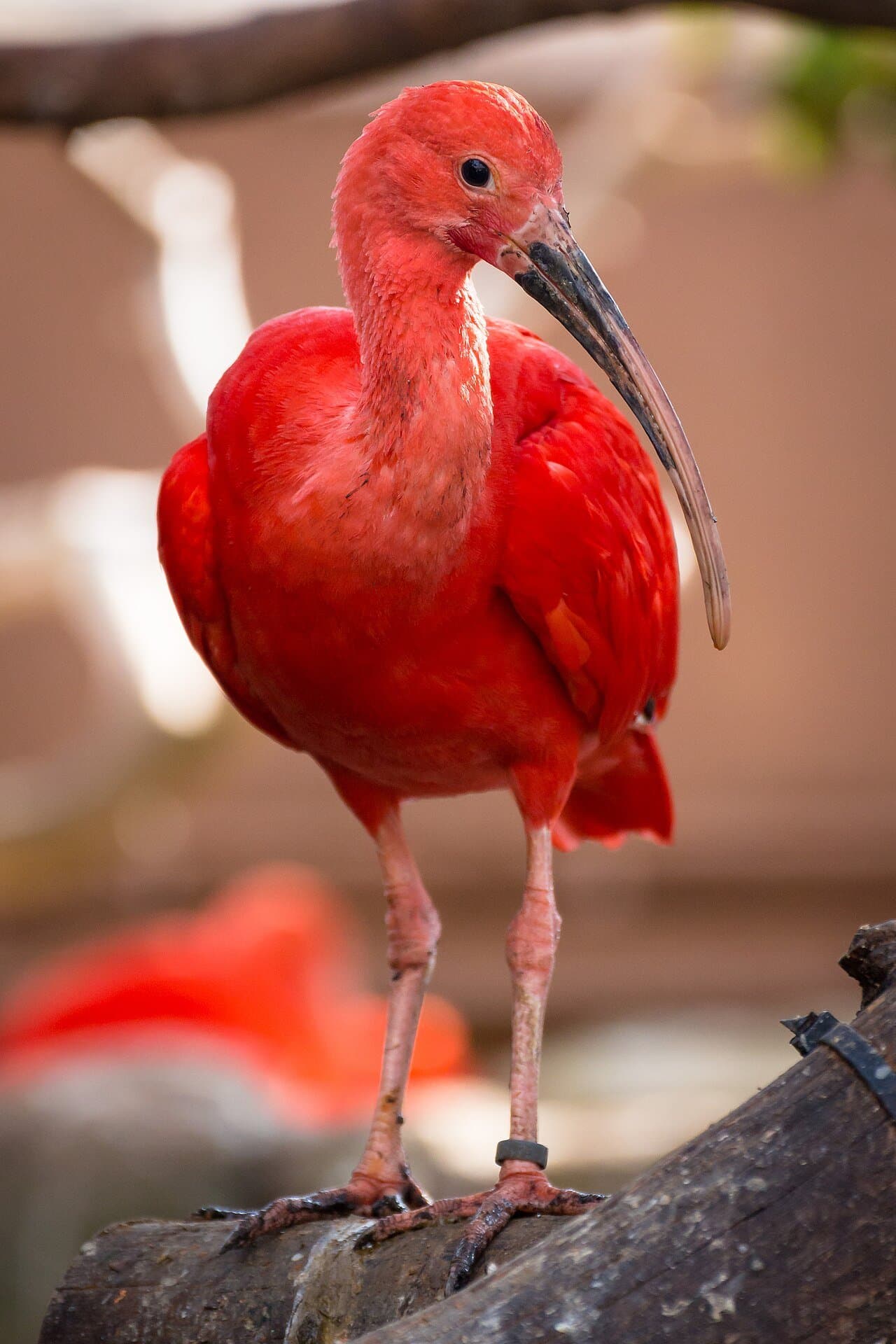 Scarlet IbisEudocimus ruberA bright red wading bird of northern South America that feeds mostly on crayfish and small crabs.
Old World Aviary (6)
See this area on the zoo's website ↗Blue DuikerPhilantomba monticolaA tiny forest antelope of central and southern Africa that weighs only 9 to 13 pounds and lives in pairs.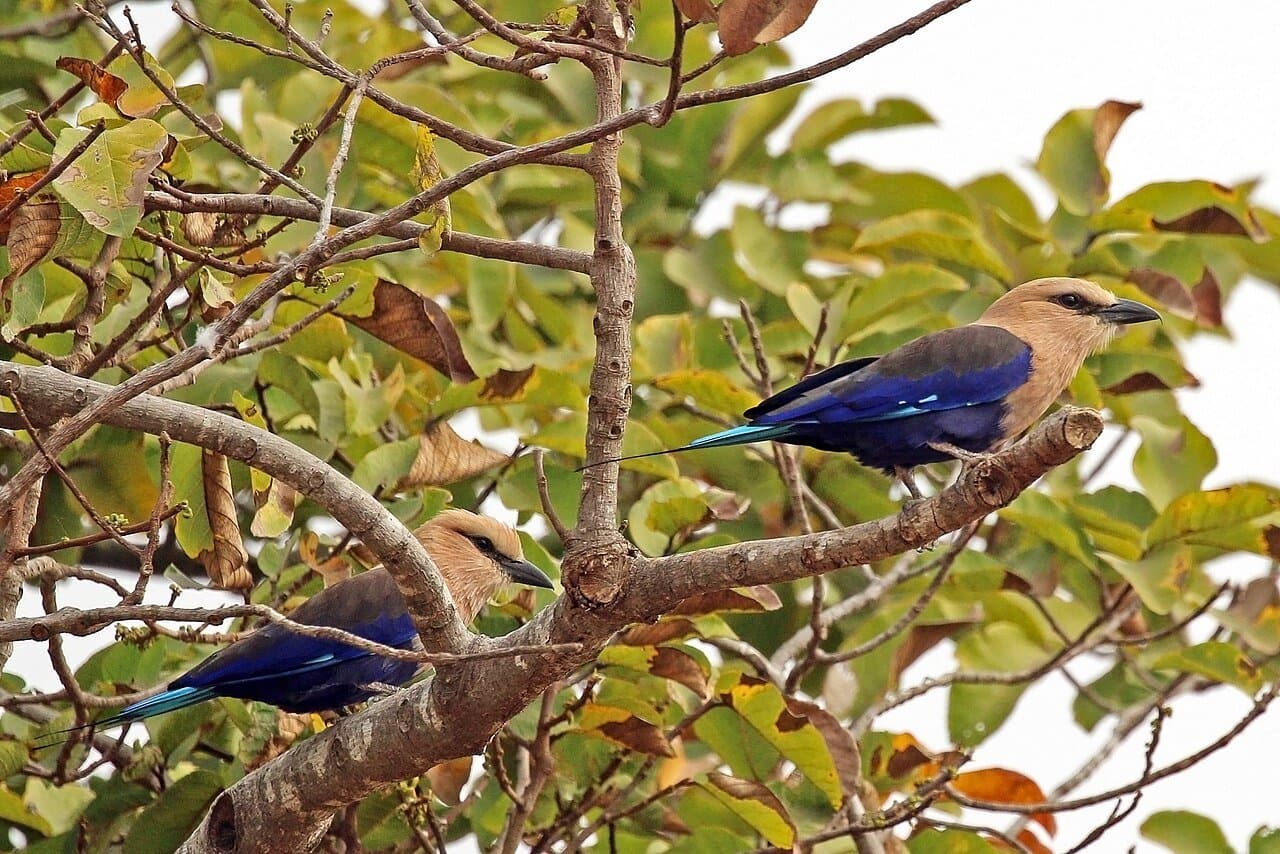 Blue-Bellied RollerCoracias cyanogasterA cream-and-blue West and Central African bird named for the tumbling, rolling flights males perform in courtship.
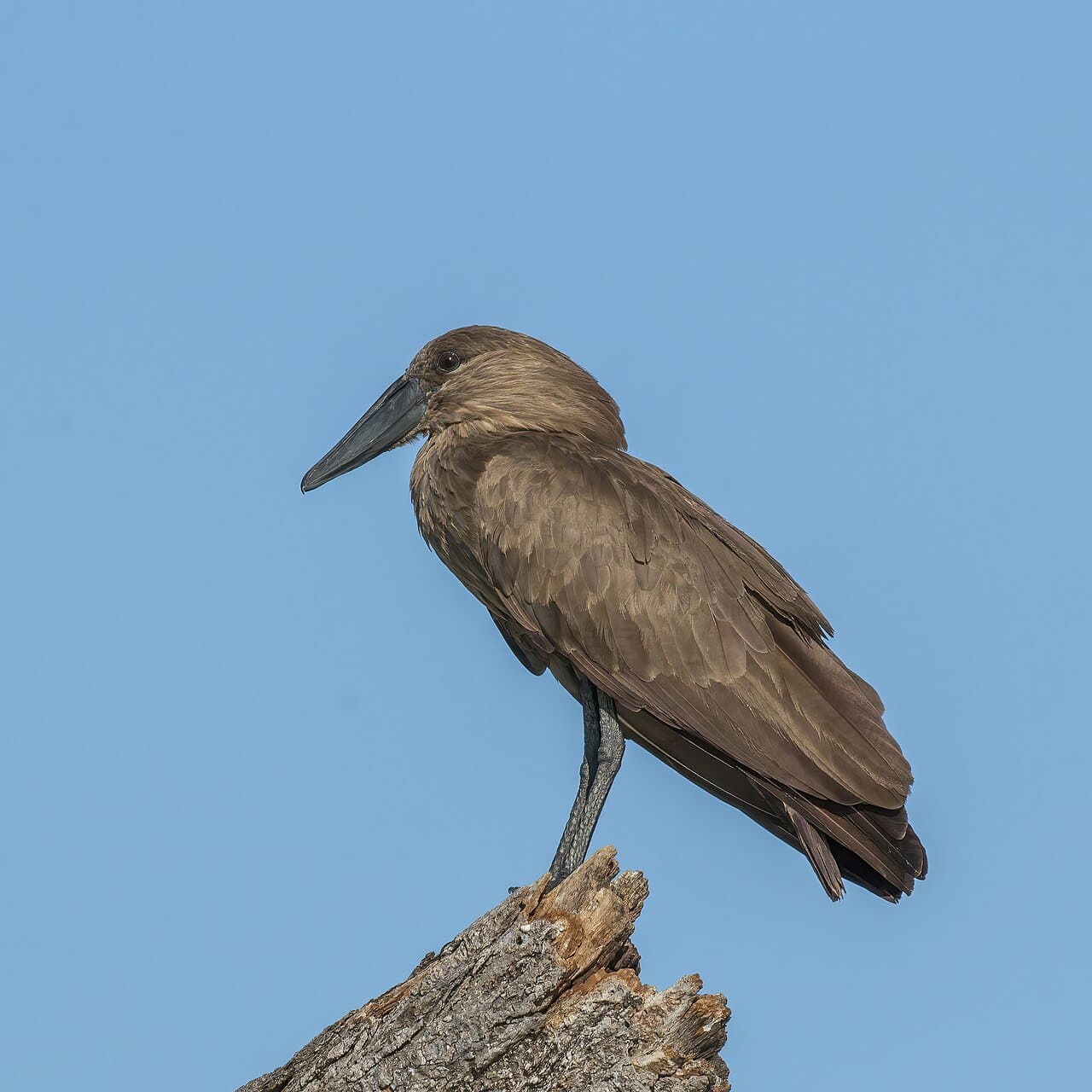 HamerkopScopus umbrettaA brown African wading bird with a hammer-shaped head that builds the biggest nest of any bird in Africa.
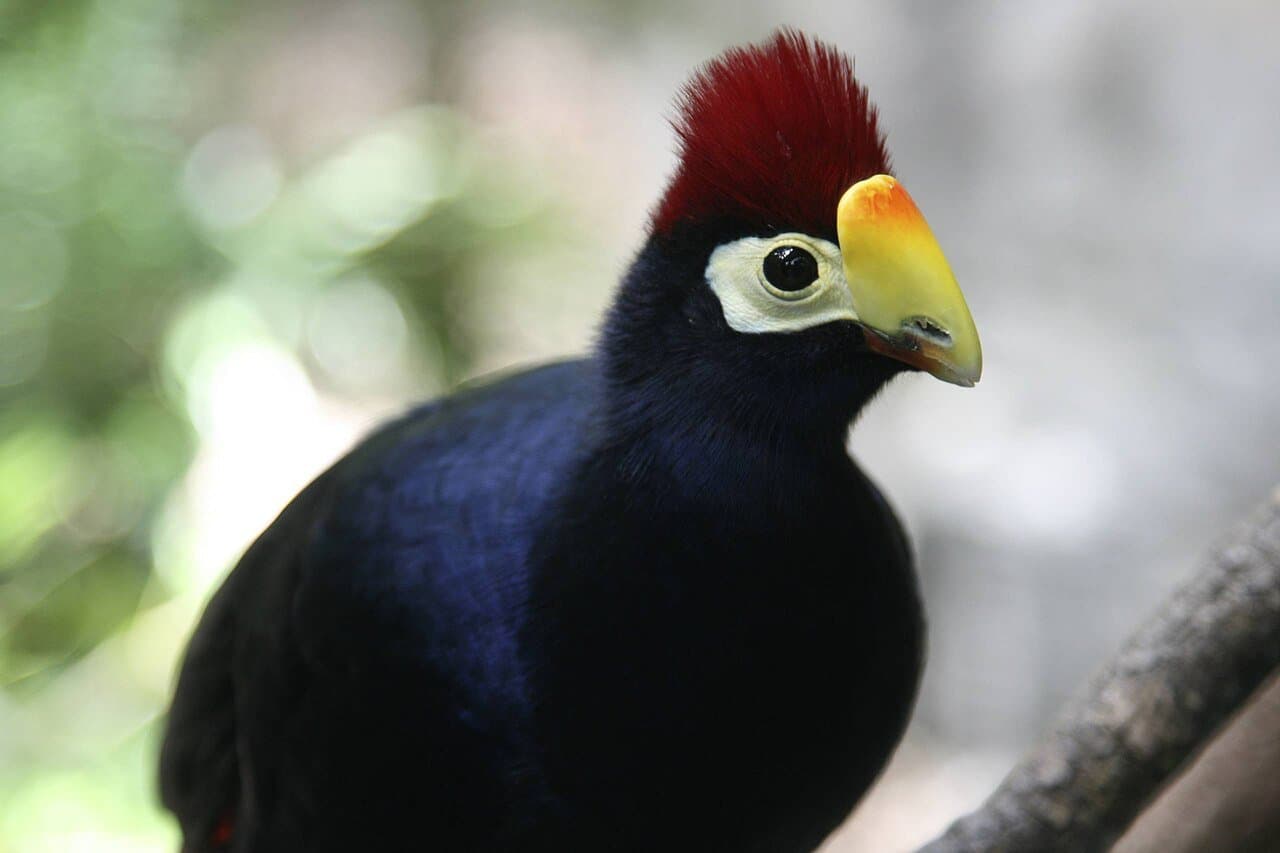 Ross's TuracoMusophaga rossaeA fruit-eating African forest bird, also called Lady Ross's turaco, whose red feathers get their color from a copper-containing pigment.Scarlet IbisEudocimus ruberA bright red wading bird of northern South America that feeds mostly on crayfish and small crabs.
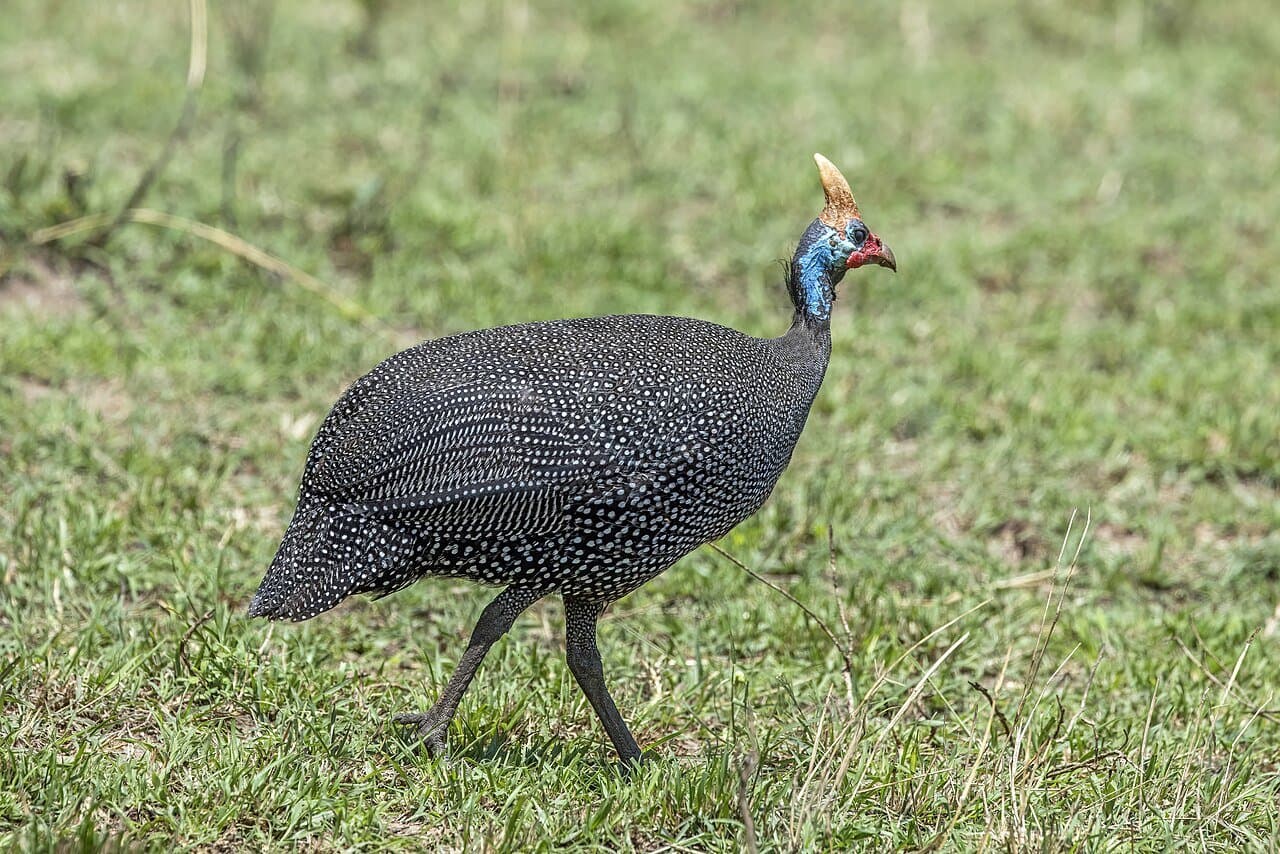 Helmeted GuineafowlNumida meleagrisA spotted African ground bird with a bony helmet on its head that eats insects and ticks and would rather run than fly.
Komodo Dragon (1)
See this area on the zoo's website ↗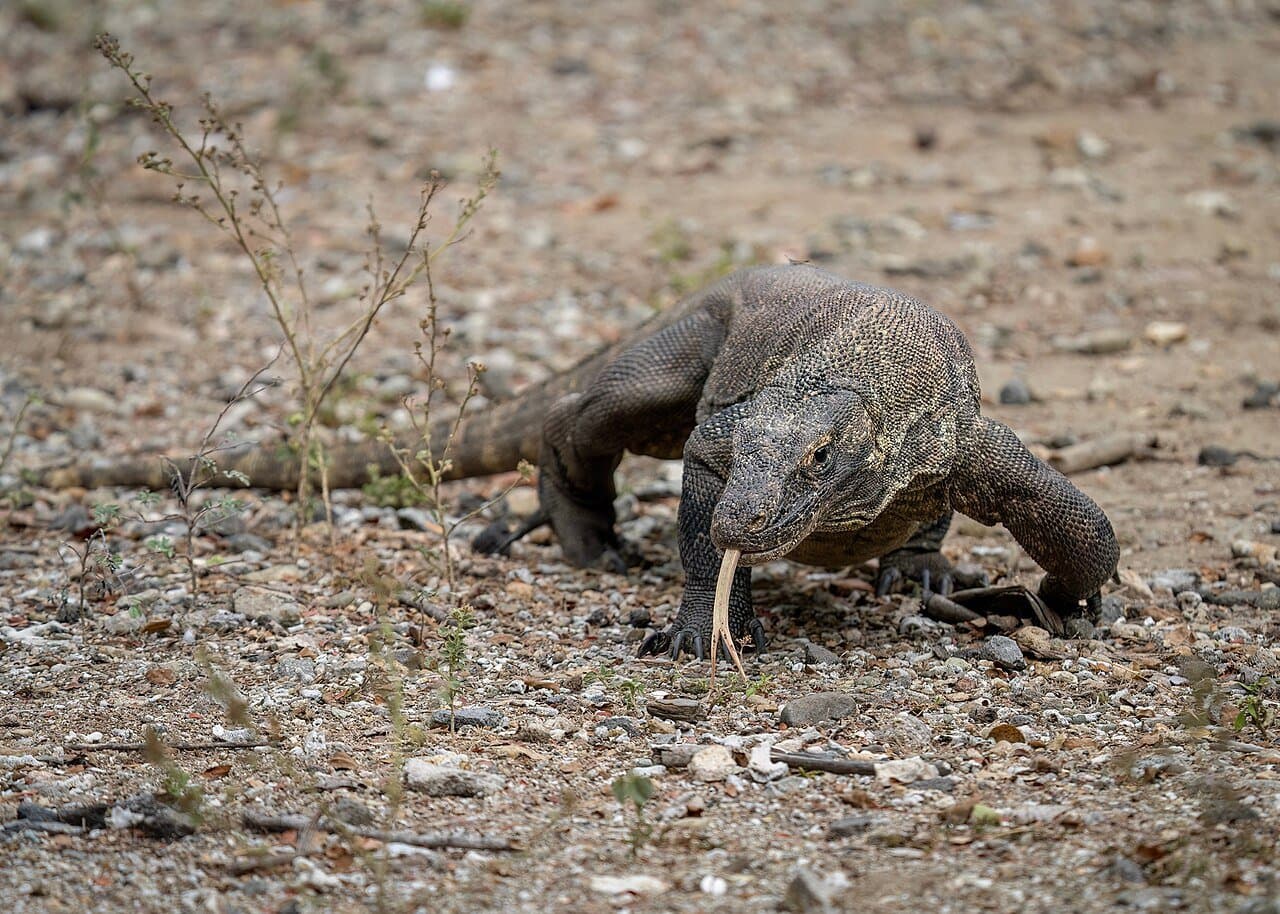
Africa Forest (3)
See this area on the zoo's website ↗Grey Crowned CraneBalearica regulorum (East African crowned crane: B. r. gibbericeps)An endangered African crane with a crown of stiff golden feathers, shown on the flag of Uganda. Also called the East African crowned crane.BongoTragelaphus eurycerusA large forest antelope of tropical Africa with 10 to 15 pale stripes down each side and horns up to 3 feet long.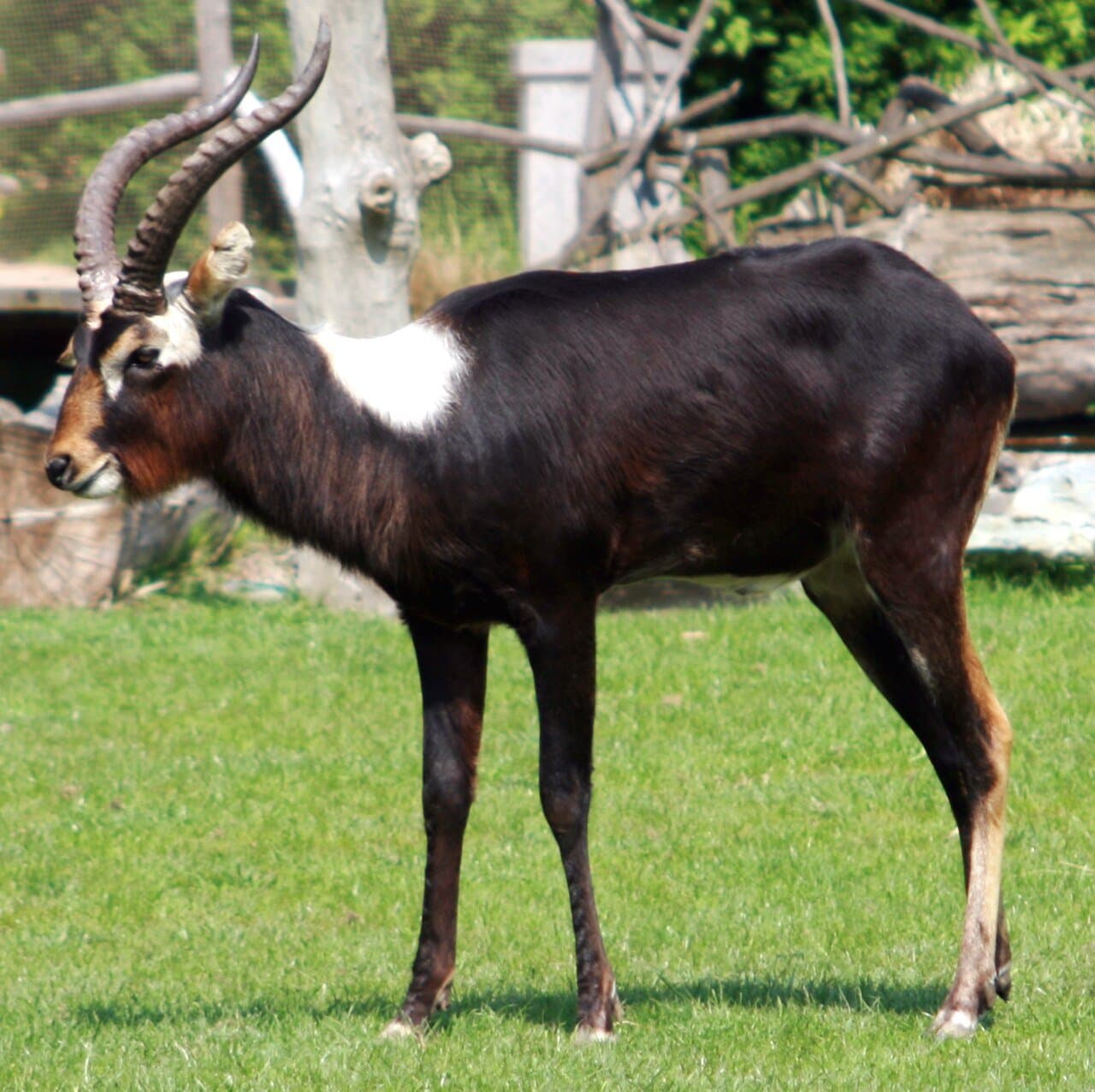 Nile LechweKobus megacerosAn endangered swamp antelope of South Sudan and Ethiopia whose dark males and golden females look like different animals.