
Snow Leopard
Panthera uncia
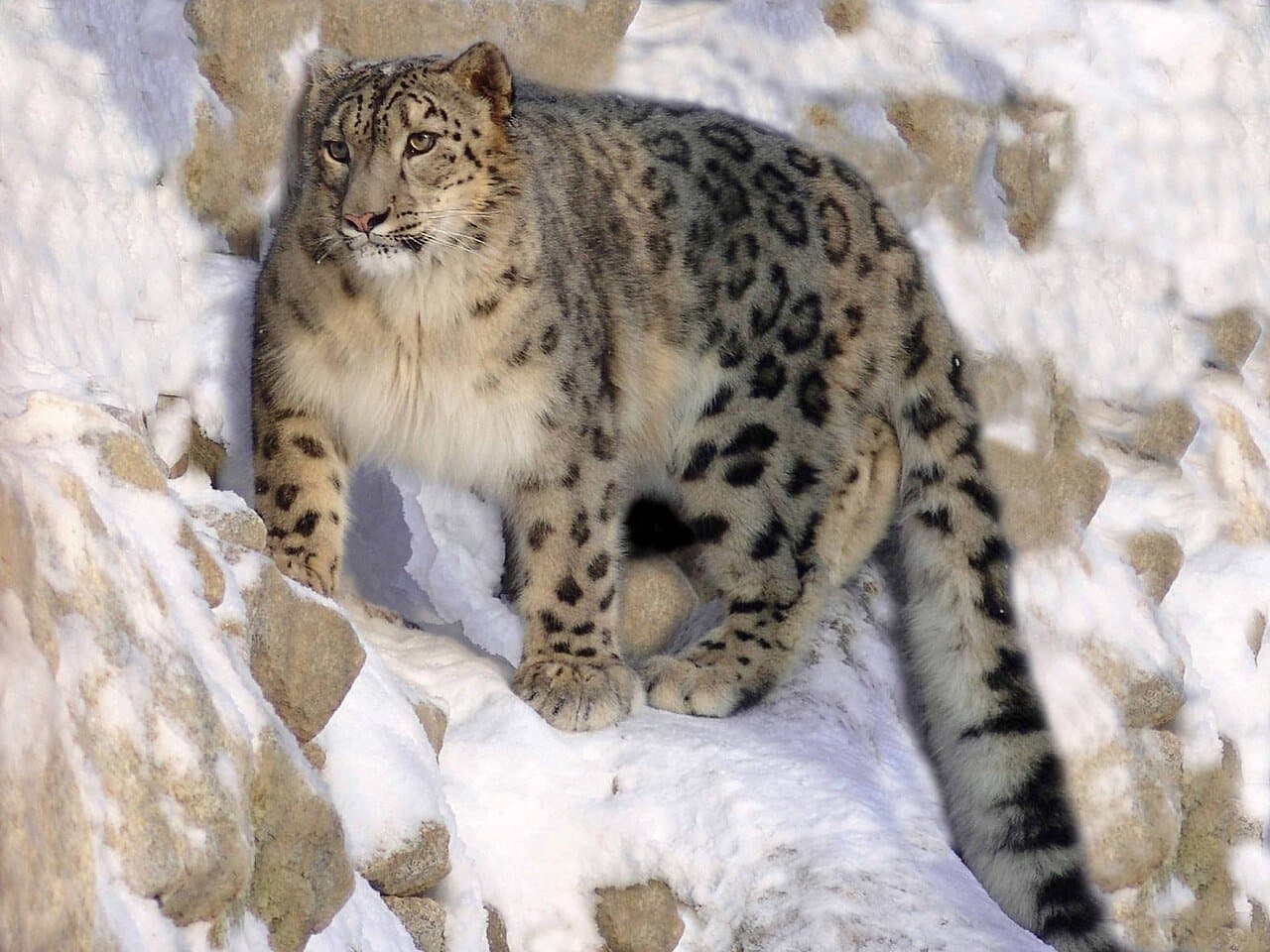
A smoky-gray big cat of Central Asia's high mountains with huge furry paws and a long tail it wraps around itself for warmth.
Checking teacher reviews…
About the Snow Leopard
Snow leopards live on high mountain cliffs and rocky slopes in 12 countries of Central Asia, as high as 18,000 feet in summer. Their thick, smoky gray coats and furry paws protect them from the cold. A snow leopard can leap as far as six times its body length to pounce on prey such as blue sheep, ibex and marmots. Snow leopards cannot roar, but they can purr and make a friendly "chuff" sound.[1]
Quick facts
- Scientific name
- Panthera uncia[1]
- Size
- 39 to 51 inches (99 to 130 cm) long, plus a 31 to 39 inch (80 to 100 cm) tail. Females are slightly smaller.[1]
- Weight
- Males 99 to 121 pounds. Females 77 to 88 pounds.[1]
- Lifespan
- Possibly 10 to 13 years in the wild. Up to 22 years in zoos.[1]
- Diet
- Carnivore. Blue sheep, ibex, marmots, game birds, rodents and sometimes livestock.[1]
- Habitat
- High mountain cliffs and rocky slopes, up to 18,000 feet (6,000 m) in summer.[1]
- Where it lives
- 12 countries in Central Asia.[1]
- Group life
- Solitary and nomadic.[1]
- Babies
- Pregnancy lasts 98 to 104 days. Usually 2 cubs, which leave their mother at 18 to 22 months.[1]
- Conservation status
- Vulnerable (IUCN Red List, assessed 2016).[2]
Fun facts
Vocabulary
- nomadic
- Moving from place to place instead of staying in one home.
- ibex
- A wild mountain goat with long, curved horns.
- marmot
- A large ground squirrel that lives in burrows in the mountains.
- pounce
- To jump suddenly onto something to catch it.
- vulnerable
- A conservation label meaning a species faces a high risk of dying out in the wild.
See it in person
- Montgomery ZooMontgomery, Alabama · South AmericaSee this area on the zoo's website ↗
Sources
- [1] San Diego Zoo Wildlife Alliance. “Snow Leopard.” https://animals.sandiegozoo.org/animals/snow-leopard (accessed 2026-10-02)
- [2] IUCN Red List of Threatened Species. “Panthera uncia (Snow Leopard).” https://www.iucnredlist.org/species/22732/50664030 (accessed 2026-10-02)
Facts last checked 2026-10-02.
More Big Cats
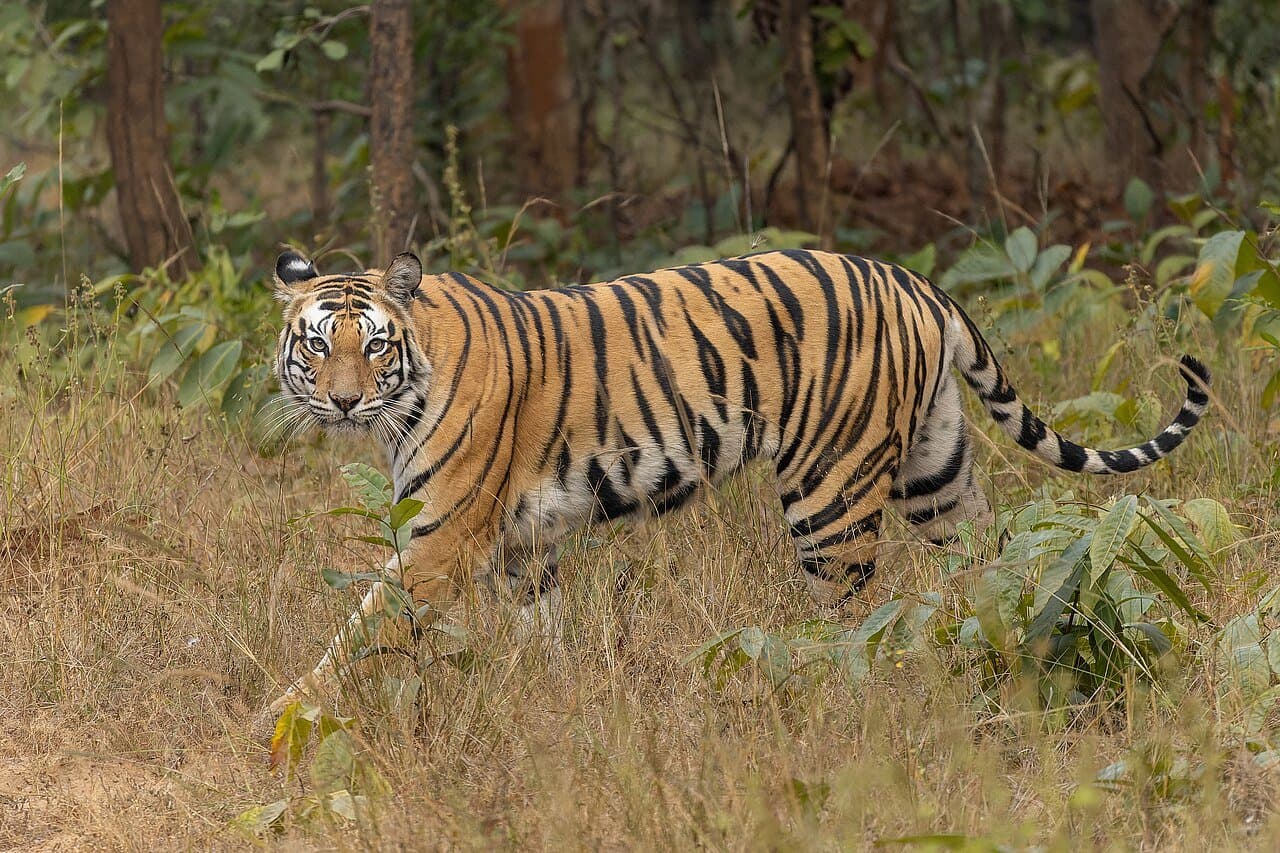 Bengal TigerPanthera tigris tigrisAn endangered striped big cat of India and nearby countries that hunts alone and is an excellent swimmer.
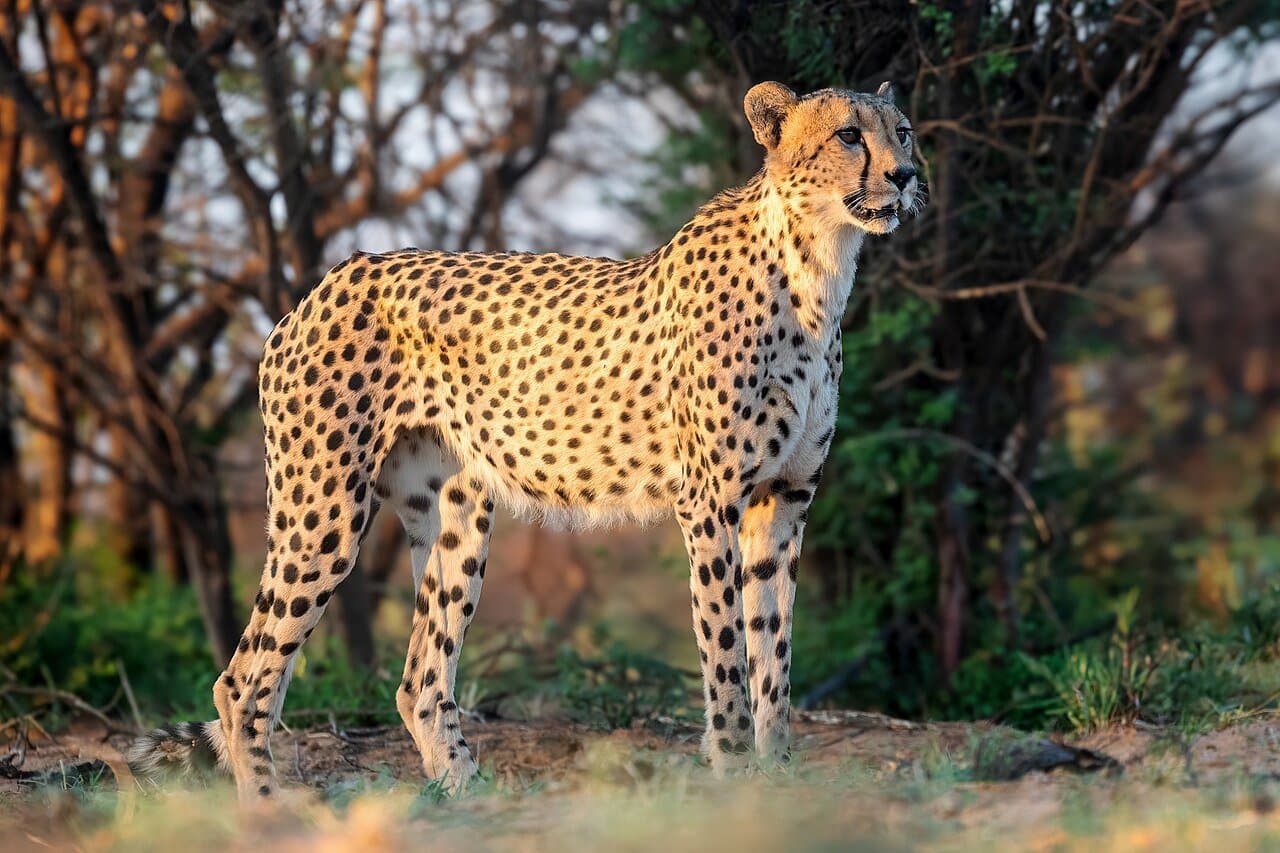 CheetahAcinonyx jubatusA slim spotted cat of African grasslands, built for speed, that can sprint 60 to 70 miles per hour.
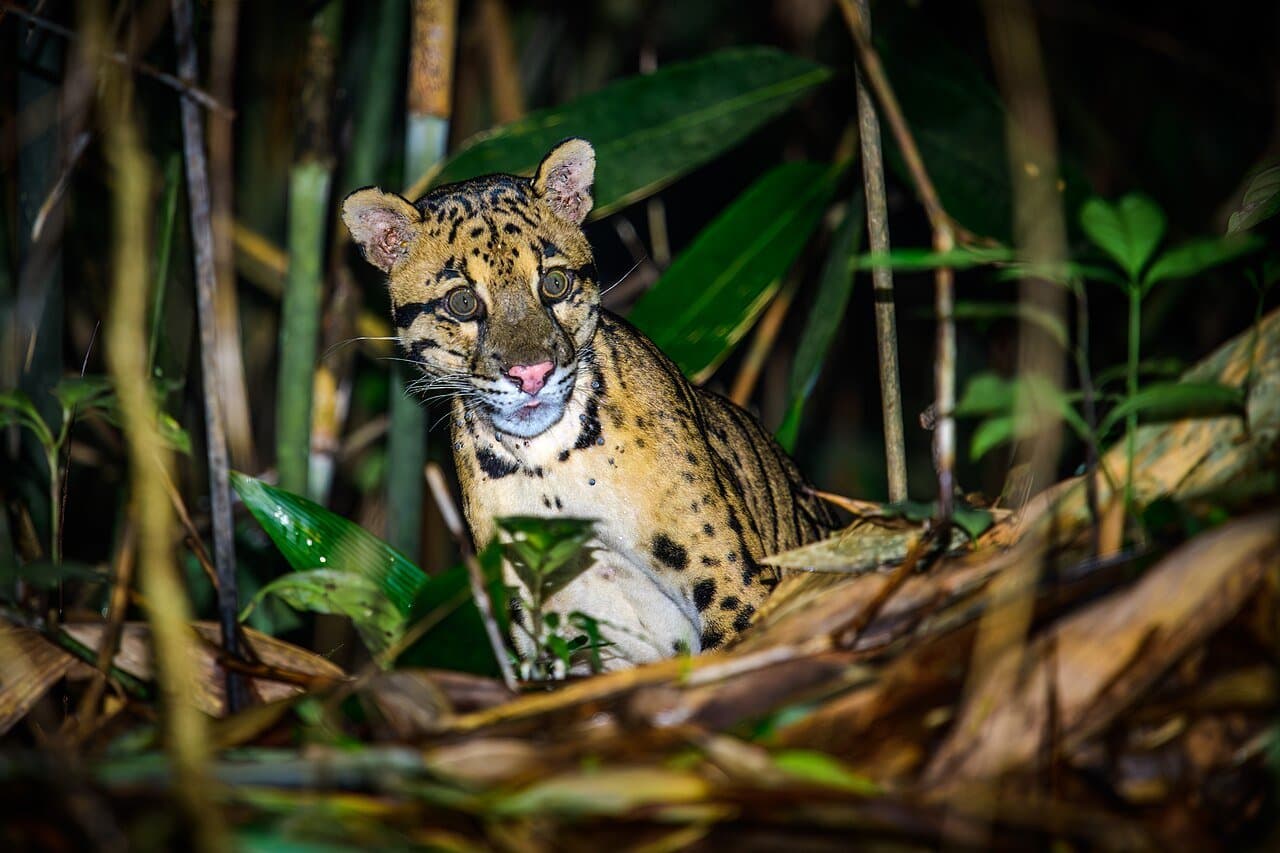 Clouded LeopardNeofelis nebulosaA tree-climbing wild cat of Asian forests with cloud-shaped spots and the longest canine teeth for its skull size of any wild cat.
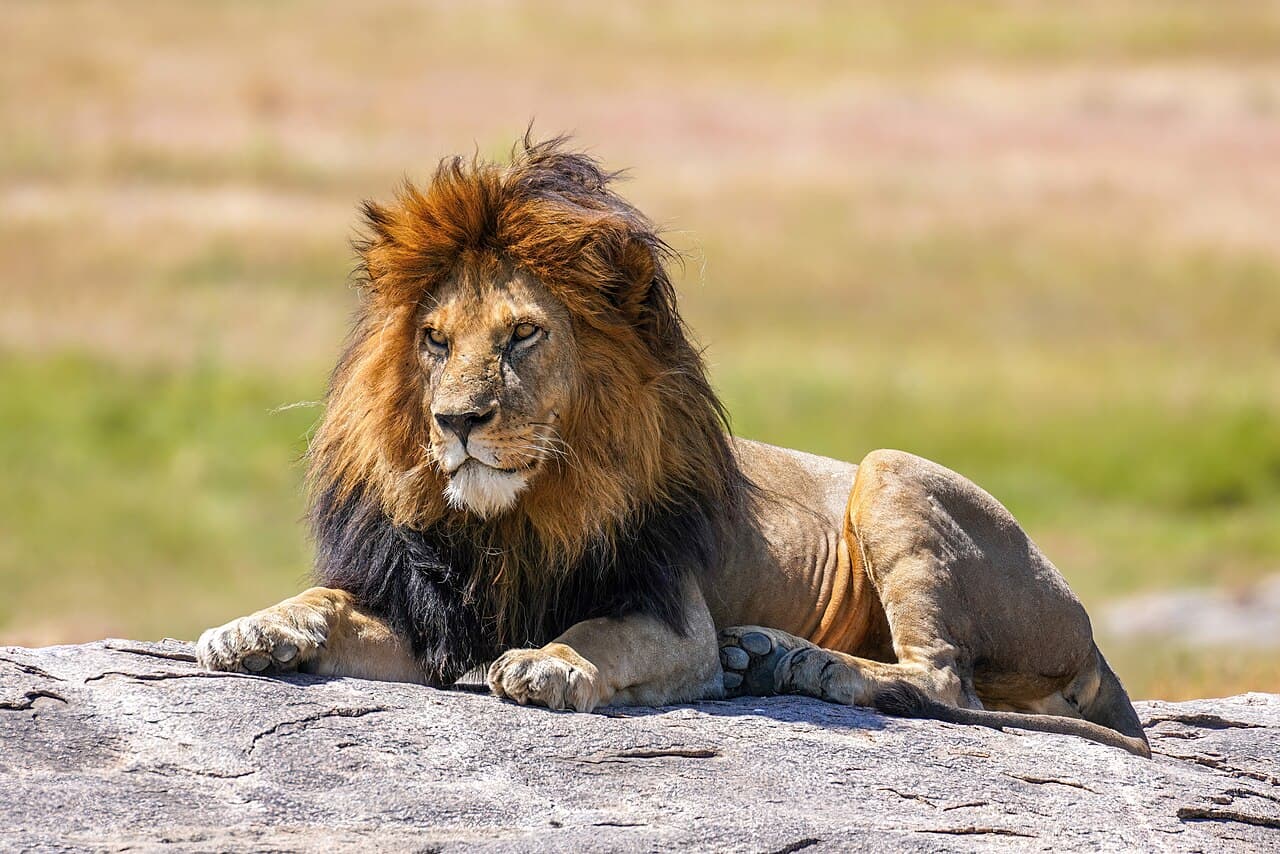 LionPanthera leoA large wild cat of the African savanna that lives in family groups called prides.
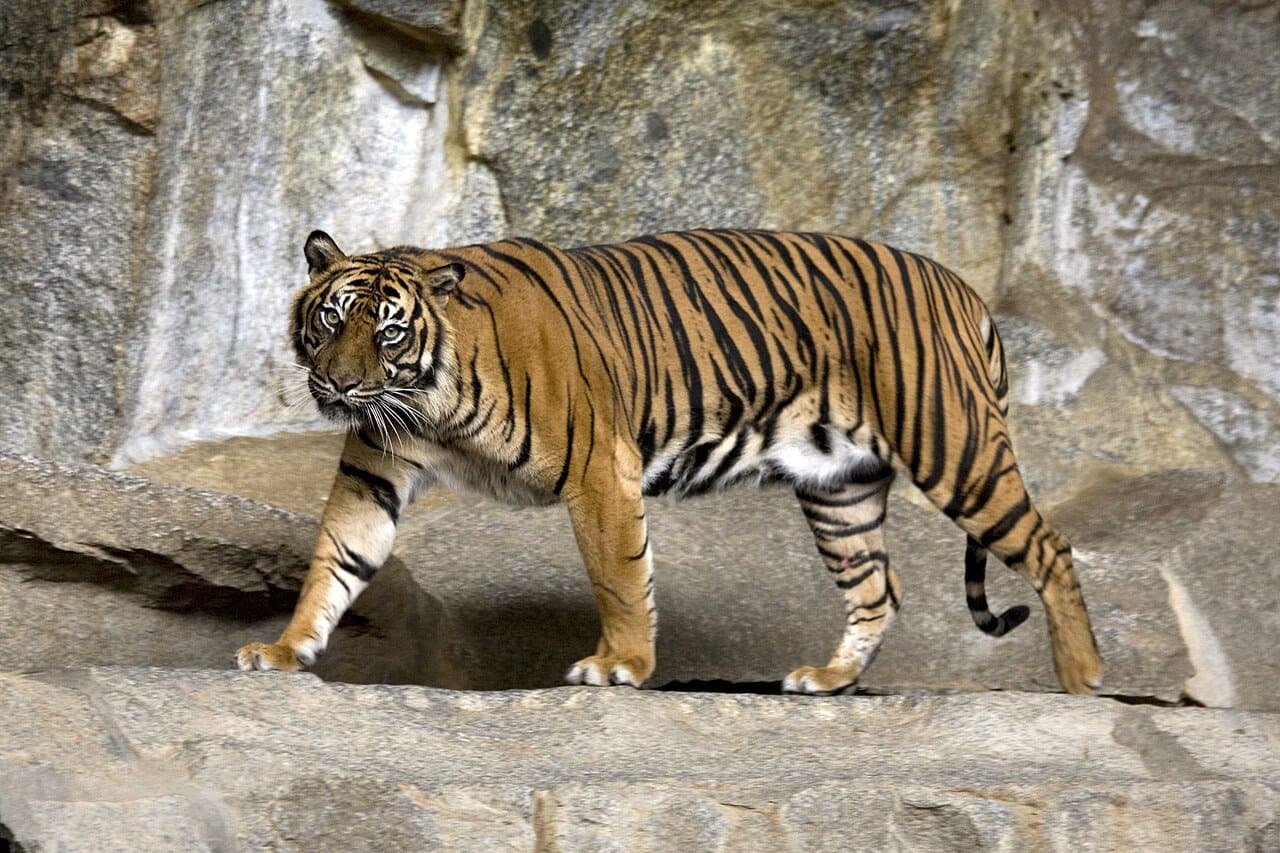 Sumatran TigerPanthera tigris sumatraeThe smallest tiger, found only on the Indonesian island of Sumatra, with closely set stripes and webbed toes for swimming.