
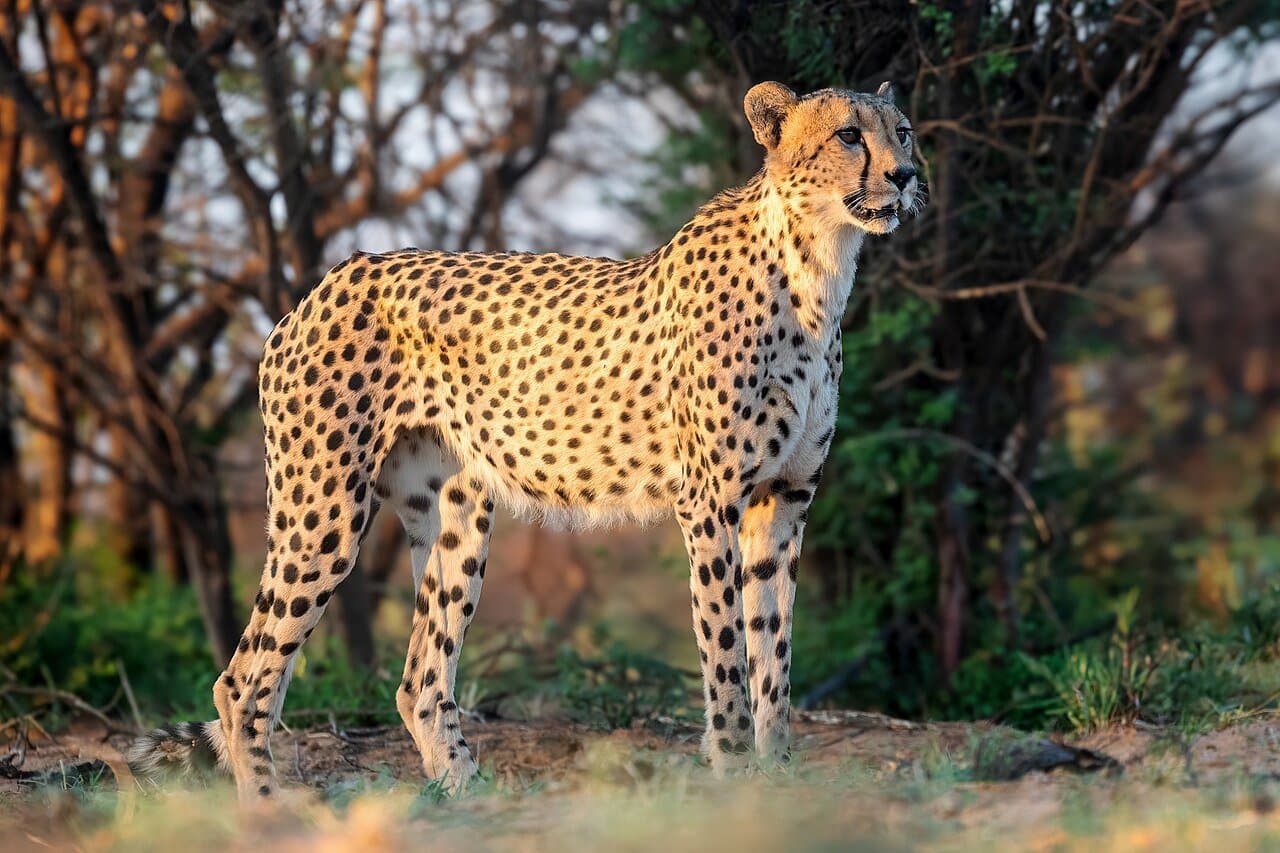
Cheetah
Acinonyx jubatus
A slim spotted cat of African grasslands, built for speed, that can sprint 60 to 70 miles per hour.
Checking teacher reviews…
About the Cheetah
The cheetah is built for speed. It can go from standing still to 45 miles per hour in just 2.5 seconds and reach a top speed of 60 to 70 miles per hour. Cheetahs live in grasslands and savannas, mostly in eastern and southern Africa, and hunt small antelope such as gazelles and impalas. A cheetah's claws work like the cleats on a sports shoe, gripping the ground as it runs. It also has black "tear marks" on its face.[1][2]
Quick facts
- Scientific name
- Acinonyx jubatus[1]
- Size
- About 30 inches (77 cm) tall at the shoulder. Body 44 to 56 inches (112 to 142 cm) long, plus a 26 to 33 inch (66 to 84 cm) tail.[1]
- Weight
- 75 to 140 pounds (34 to 64 kg).[1]
- Lifespan
- 8 to 10 years in the wild. 12 to 15 years in human care.[1]
- Diet
- Carnivore. Hunts small antelope such as springbok, steenbok, duikers, impala and gazelles, plus the young of larger animals.[1]
- Habitat
- Grasslands, savannas, dense vegetation and mountains.[1]
- Where it lives
- Parts of North Africa, the Sahel, and eastern and southern Africa, with a small population in Iran. Most common in Kenya, Tanzania, Namibia and Botswana.[1]
- Group life
- Adult females live alone. Young males often stay together for life in a group called a coalition, usually two or three brothers.[1]
- Babies
- Pregnancy lasts about three months. A litter has three to six cubs.[1]
- Conservation status
- Vulnerable (IUCN Red List, assessed 2021).[3]
Fun facts
- A cheetah can go from 0 to 45 miles per hour (72 km/h) in just 2.5 seconds.[1]
- At full speed a cheetah covers 23 feet (7 m) in a single stride and takes about four strides every second.[1]
- Cheetahs cannot roar. Instead they purr, growl, hiss and make a bird-like chirp.[2]
- Cheetah cubs have a strip of long, silver fur down their backs called a mantle. It disappears as they grow up.[2]
- About 7,000 cheetahs live in the wild today, down from as many as 100,000 about 100 years ago.[2]
Vocabulary
- coalition
- A small group of male cheetahs, usually brothers, that live and hunt together.
- malar stripe
- The black "tear mark" line that runs from a cheetah's eye to its mouth.
- stride
- The distance covered in one full step while running.
- acceleration
- How quickly something speeds up.
- vulnerable
- A conservation label meaning a species faces a high risk of dying out in the wild.
See it in person
- Montgomery ZooMontgomery, Alabama · AfricaSee this area on the zoo's website ↗
Sources
- [1] Smithsonian's National Zoo & Conservation Biology Institute. “Cheetah.” https://nationalzoo.si.edu/animals/cheetah (accessed 2026-10-02)
- [2] San Diego Zoo Wildlife Alliance. “Cheetah.” https://animals.sandiegozoo.org/animals/cheetah (accessed 2026-10-02)
- [3] IUCN Red List of Threatened Species. “Acinonyx jubatus (Cheetah).” https://www.iucnredlist.org/species/219/259025524 (accessed 2026-10-02)
Facts last checked 2026-10-02.
More Big Cats
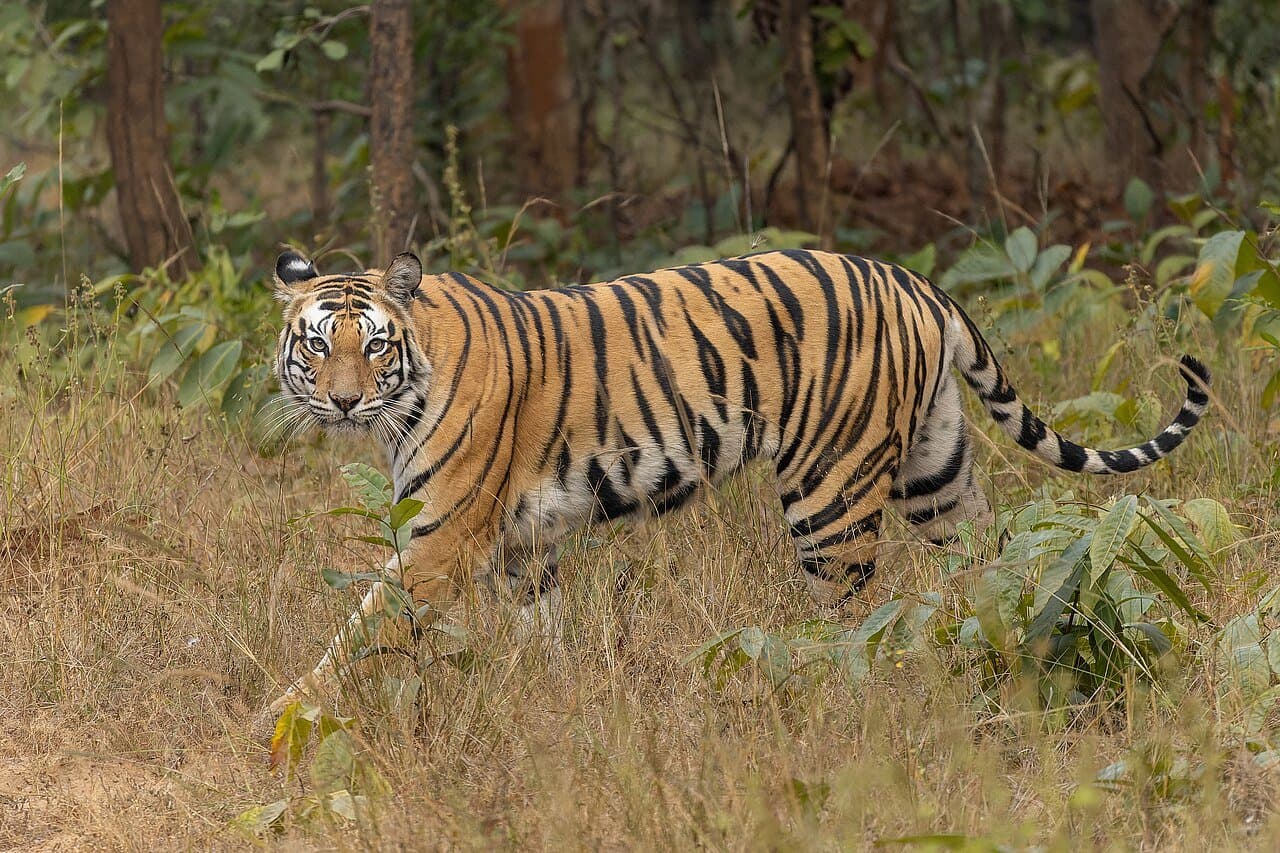 Bengal TigerPanthera tigris tigrisAn endangered striped big cat of India and nearby countries that hunts alone and is an excellent swimmer.
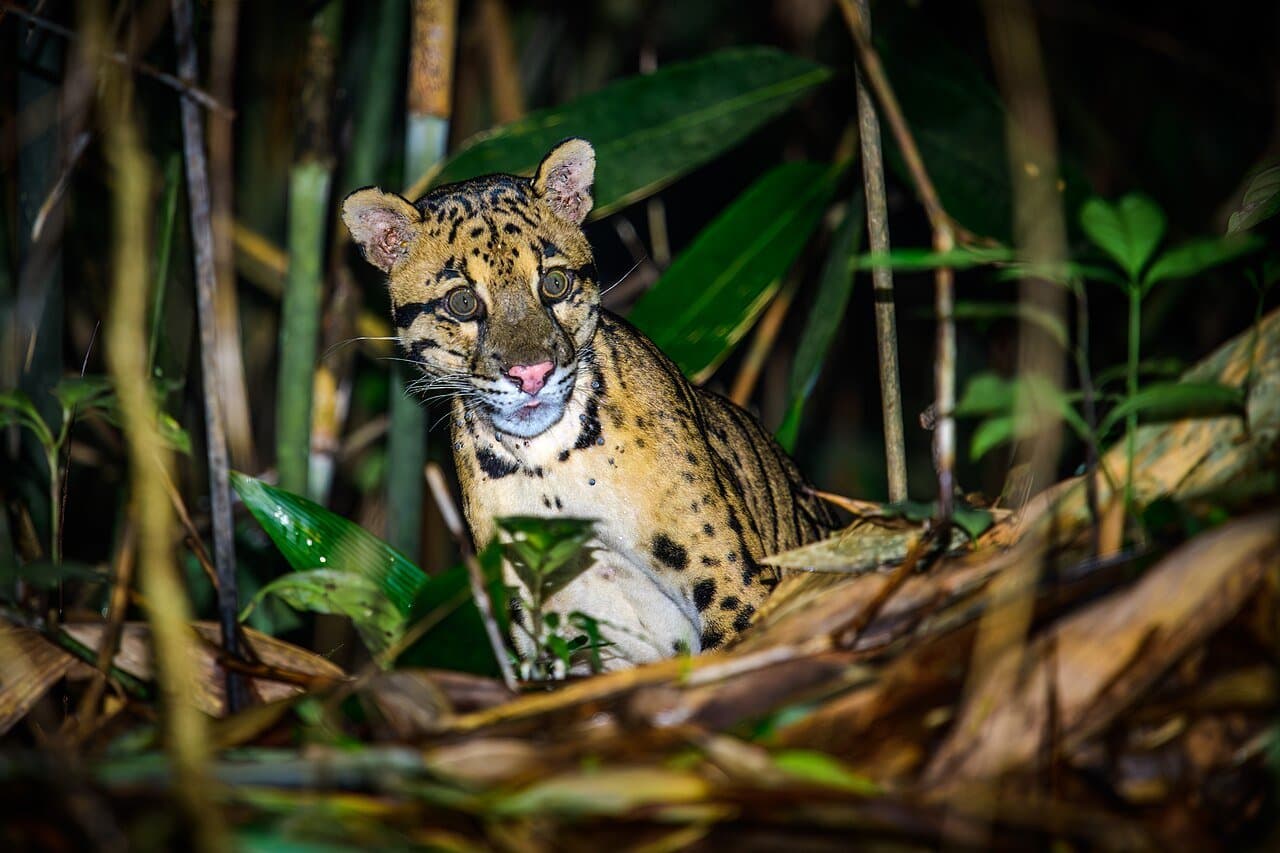 Clouded LeopardNeofelis nebulosaA tree-climbing wild cat of Asian forests with cloud-shaped spots and the longest canine teeth for its skull size of any wild cat.
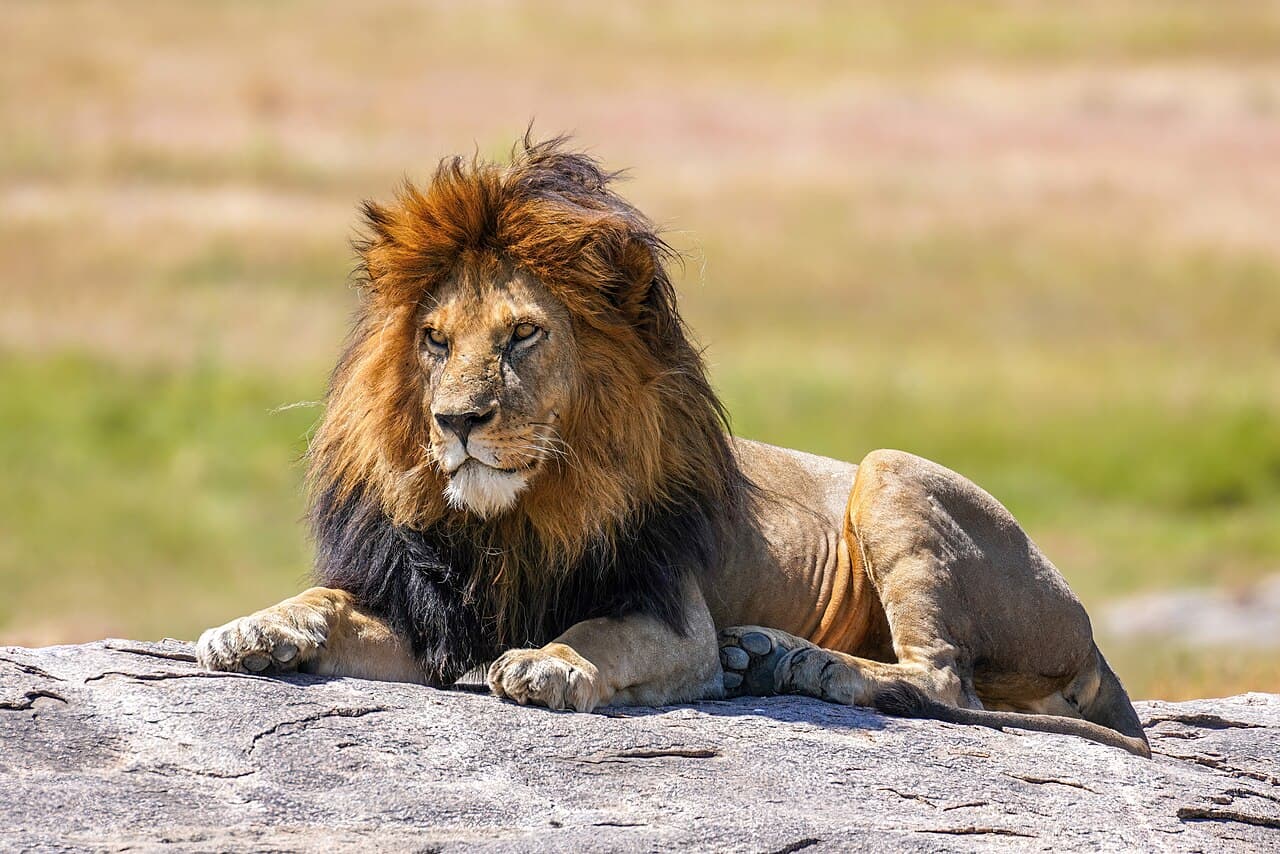 LionPanthera leoA large wild cat of the African savanna that lives in family groups called prides.
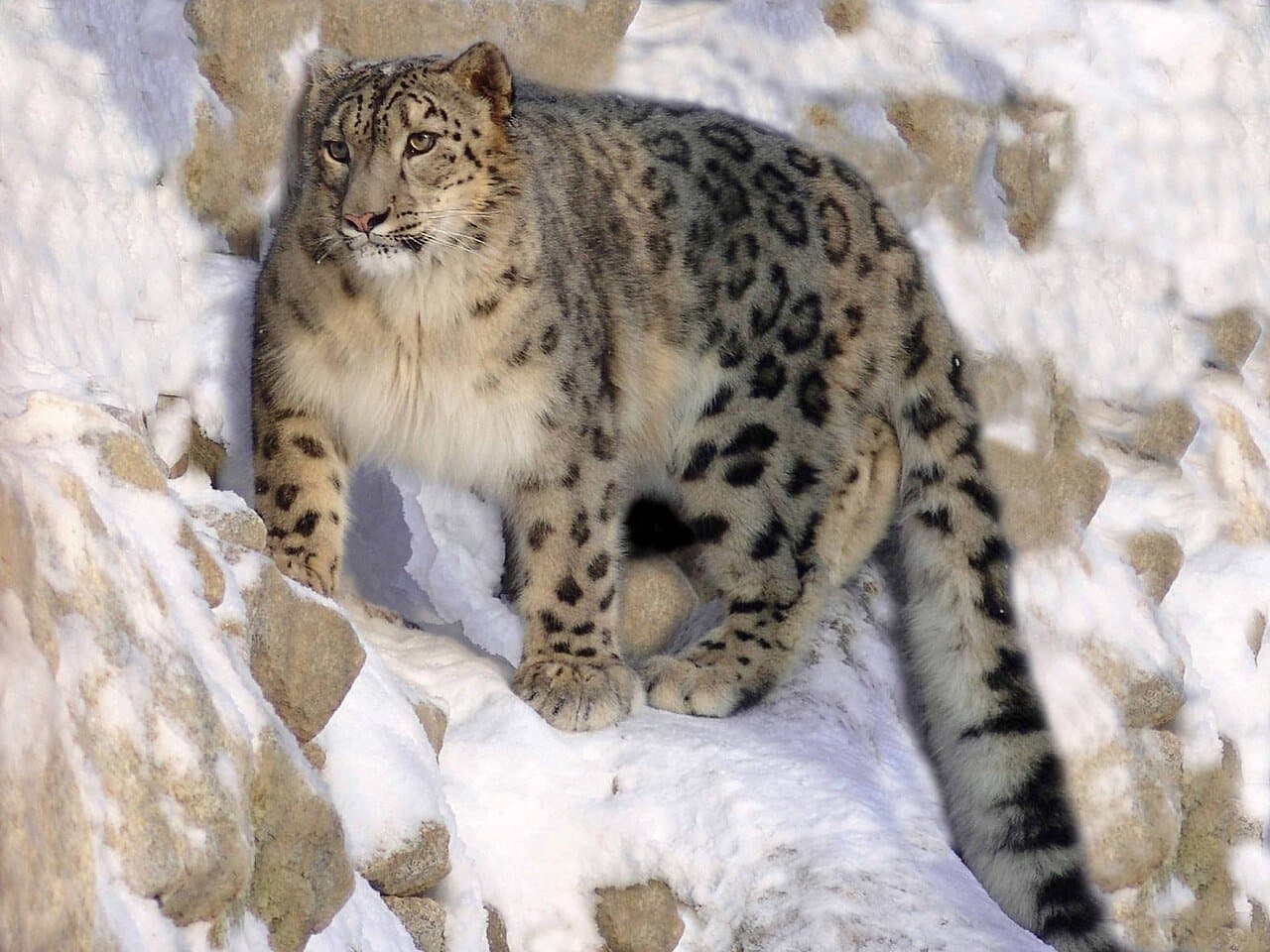 Snow LeopardPanthera unciaA smoky-gray big cat of Central Asia's high mountains with huge furry paws and a long tail it wraps around itself for warmth.
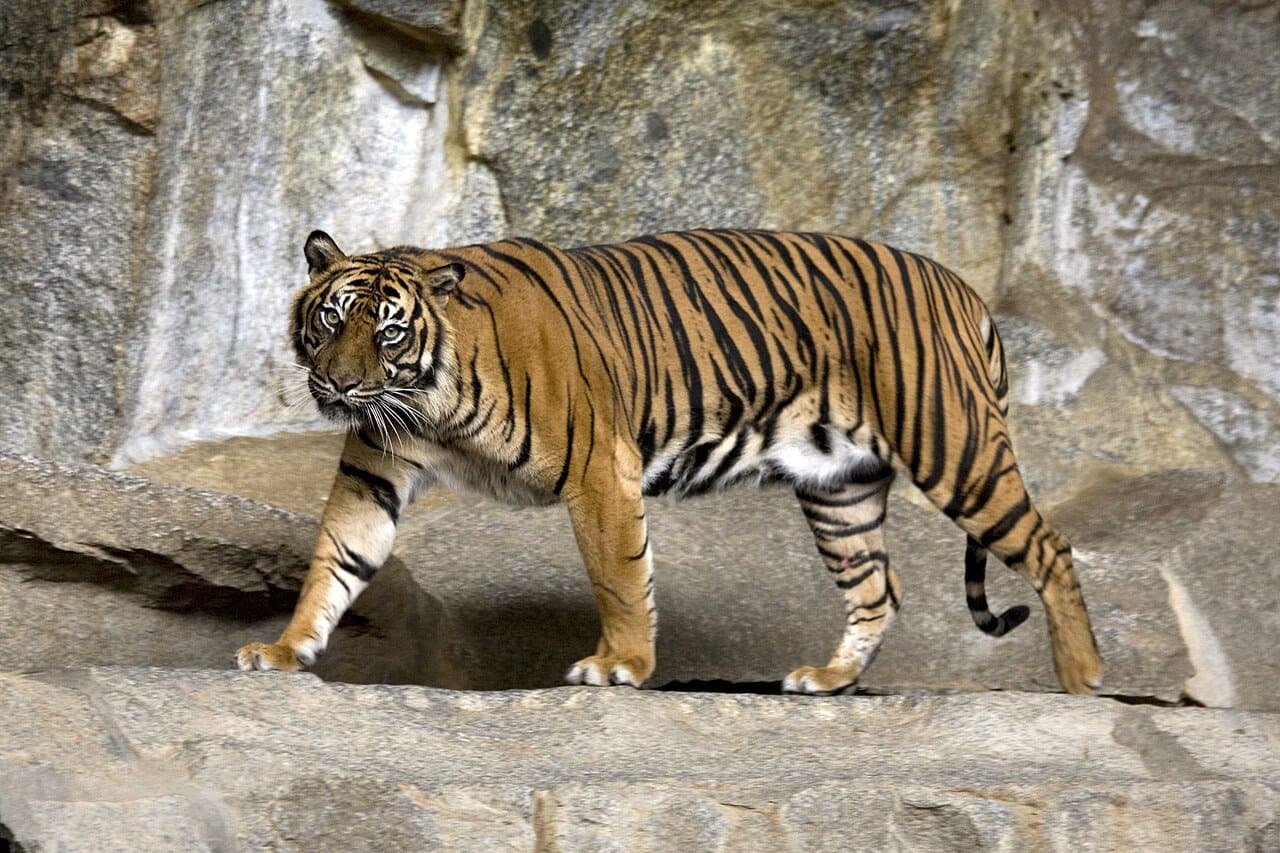 Sumatran TigerPanthera tigris sumatraeThe smallest tiger, found only on the Indonesian island of Sumatra, with closely set stripes and webbed toes for swimming.