
Ruddy Duck
Oxyura jamaicensis
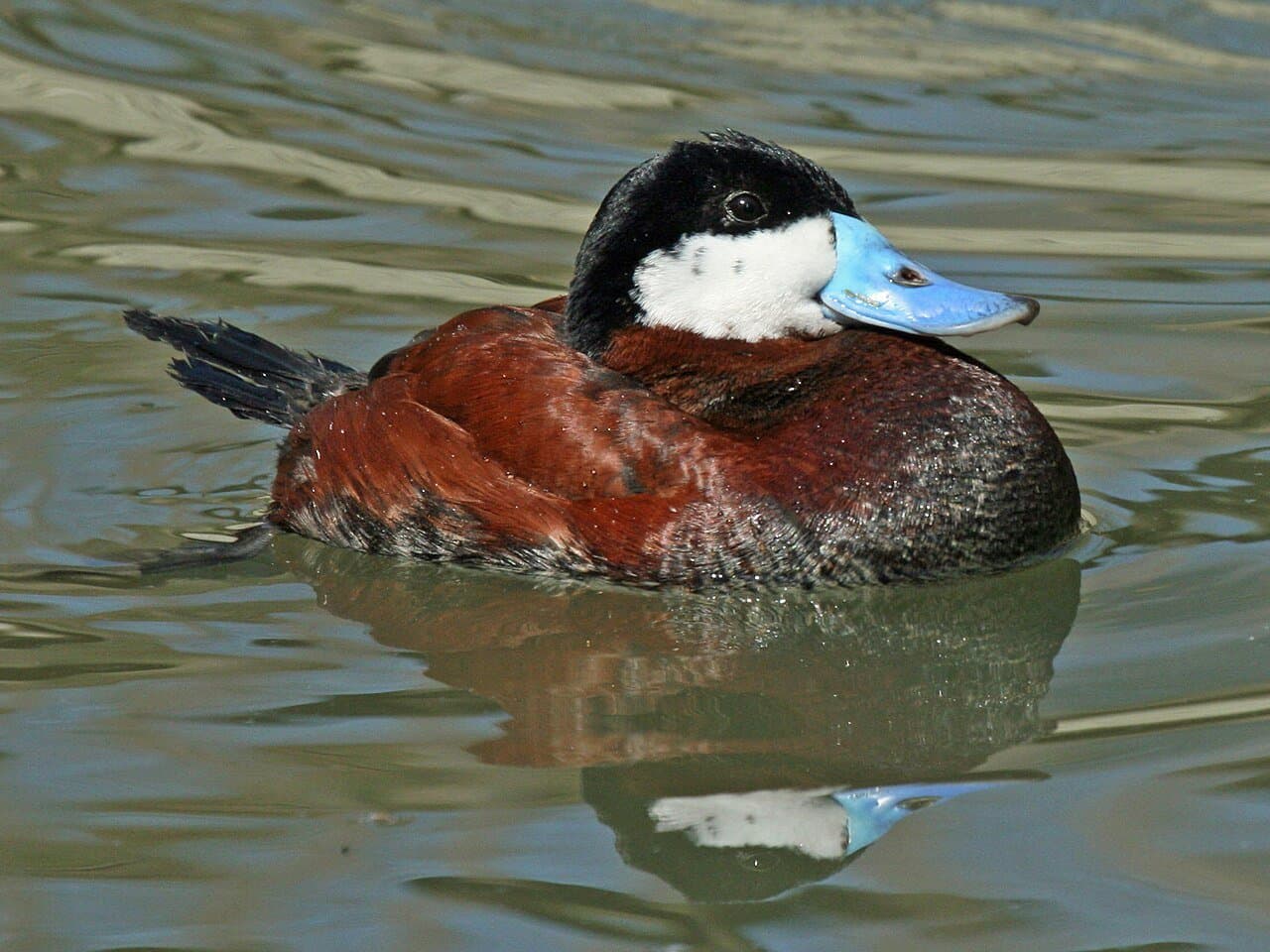
A small diving duck of the Americas with a bright blue bill, whose males drum their bills to make bubbles when courting.
Checking teacher reviews…
About the Ruddy Duck
Ruddy ducks are native to North and South America. Both males and females have blue bills, though the female's is paler. Males have white faces, and females have a dark stripe across the face. They live on freshwater lakes and ponds and eat mostly plants and small water animals. To escape danger, they can slowly sink below the surface.[1]
Quick facts
Fun facts
Vocabulary
- diving duck
- A duck that dives underwater to find food.
- aquatic
- Living in or near water.
- introduced
- Brought by people to a place where it didn't live before.
- courtship
- Behavior animals use to attract a mate.
- least concern
- A conservation label meaning a species is widespread and not at risk of dying out soon.
See it in person
- San Francisco Zoo & GardensSan Francisco, California · BirdsSee this animal on the zoo's website ↗
Sources
- [1] San Francisco Zoo & Gardens. “Ruddy Duck.” https://www.sfzoo.org/ruddy-duck/ (accessed 2026-10-02)
- [2] IUCN Red List of Threatened Species. “Oxyura jamaicensis (Ruddy Duck).” https://www.iucnredlist.org/species/22727750/132178041 (accessed 2026-10-02)
Facts last checked 2026-10-02.
More Waterfowl
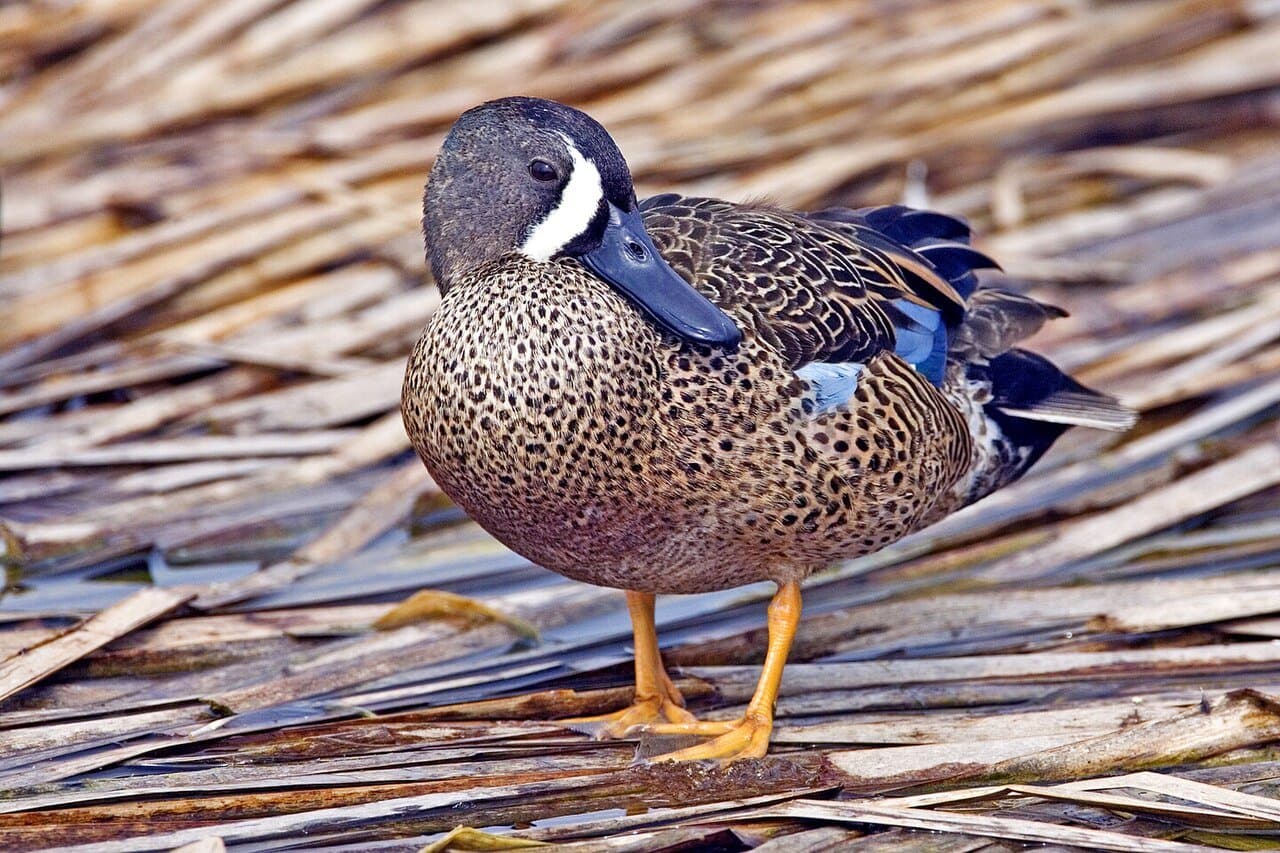 Blue-Winged TealSpatula discorsA small dabbling duck that flies from North America as far as South America each fall, flashing a powder-blue wing patch.
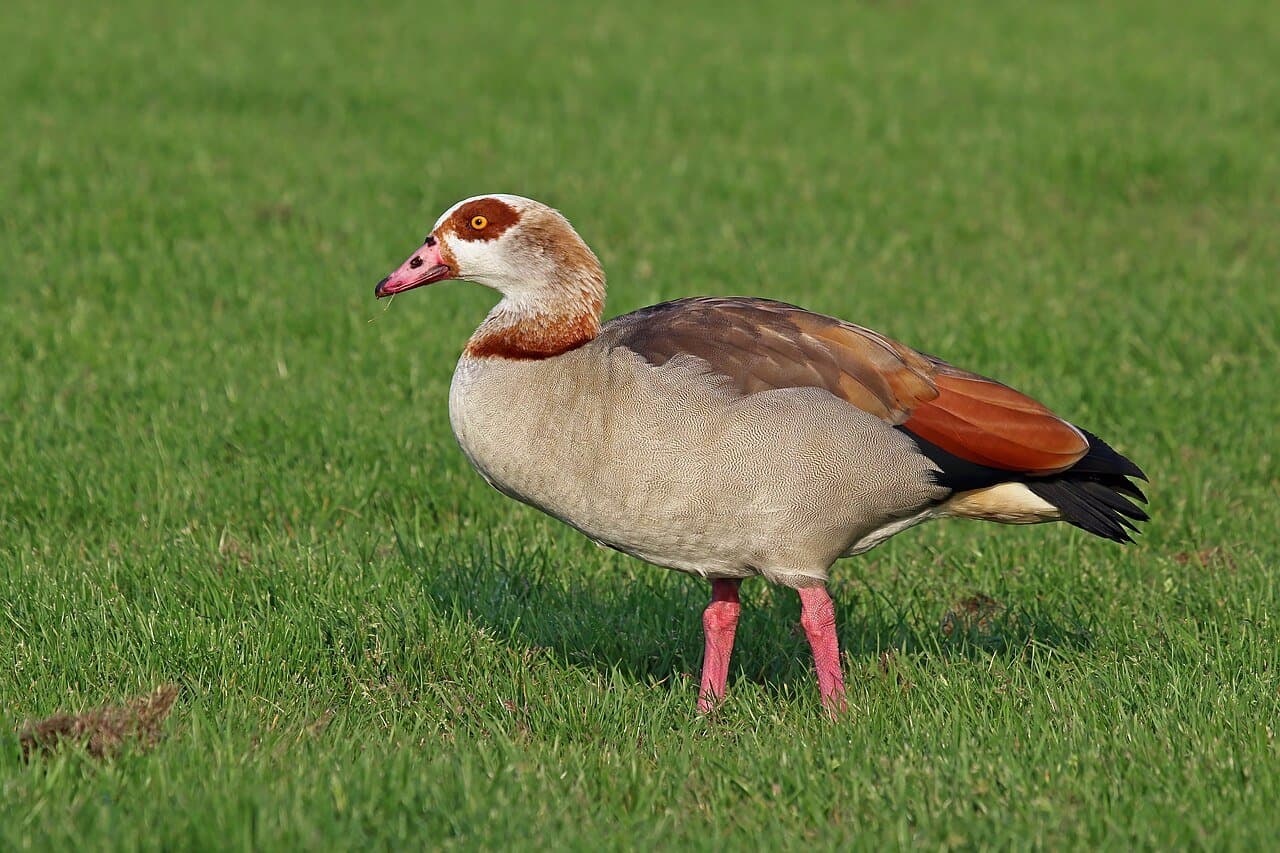 Egyptian GooseAlopochen aegyptiacaA brown African waterbird with dark eye patches that grazes near rivers and lakes and has spread to parts of Europe.
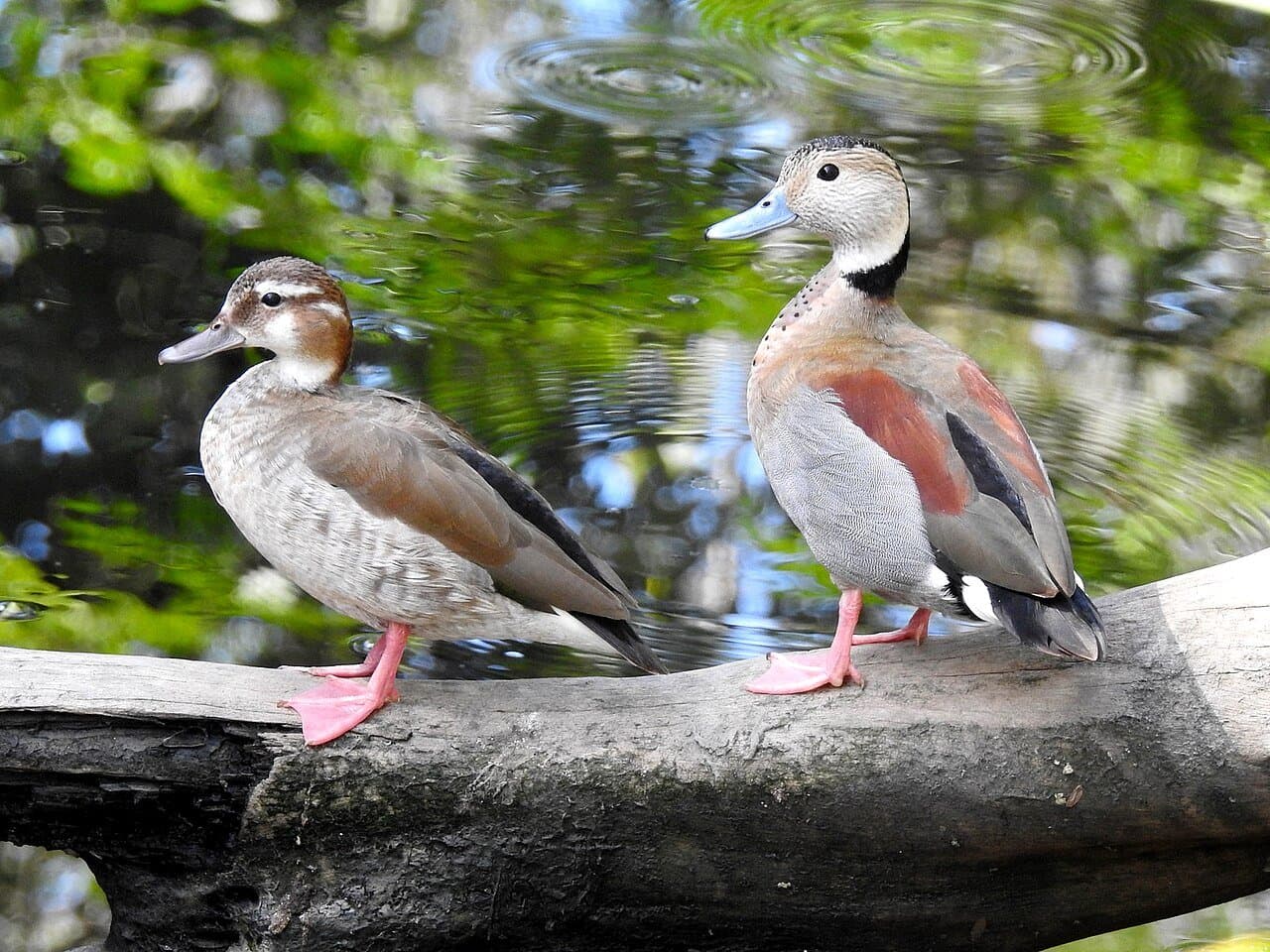 Ringed TealCallonetta leucophrysOne of the world's smallest ducks, a tree-perching duck of South American wetlands that nests in tree holes.
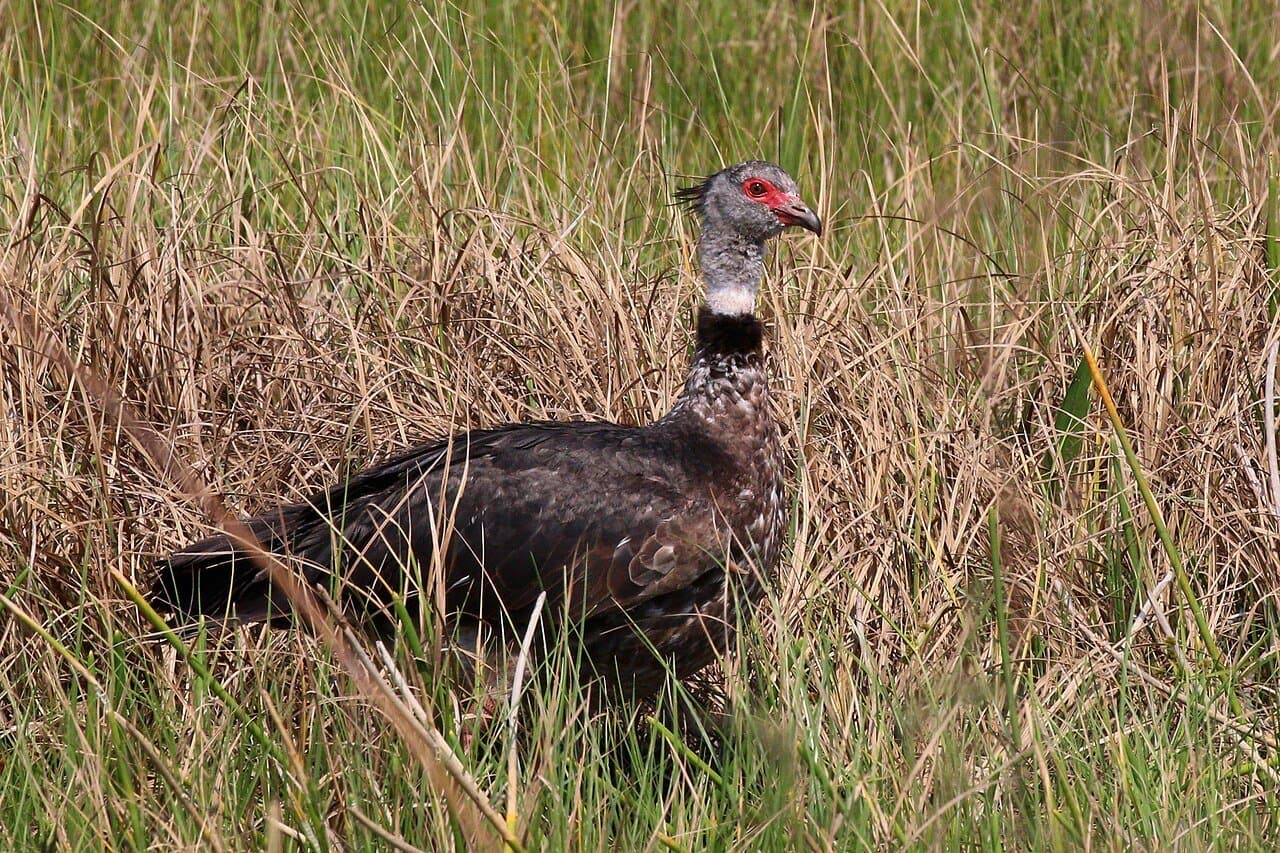 Southern ScreamerChauna torquataA South American wetland bird, also called the crested screamer, whose call carries up to 3 km and whose wings have sharp spurs.
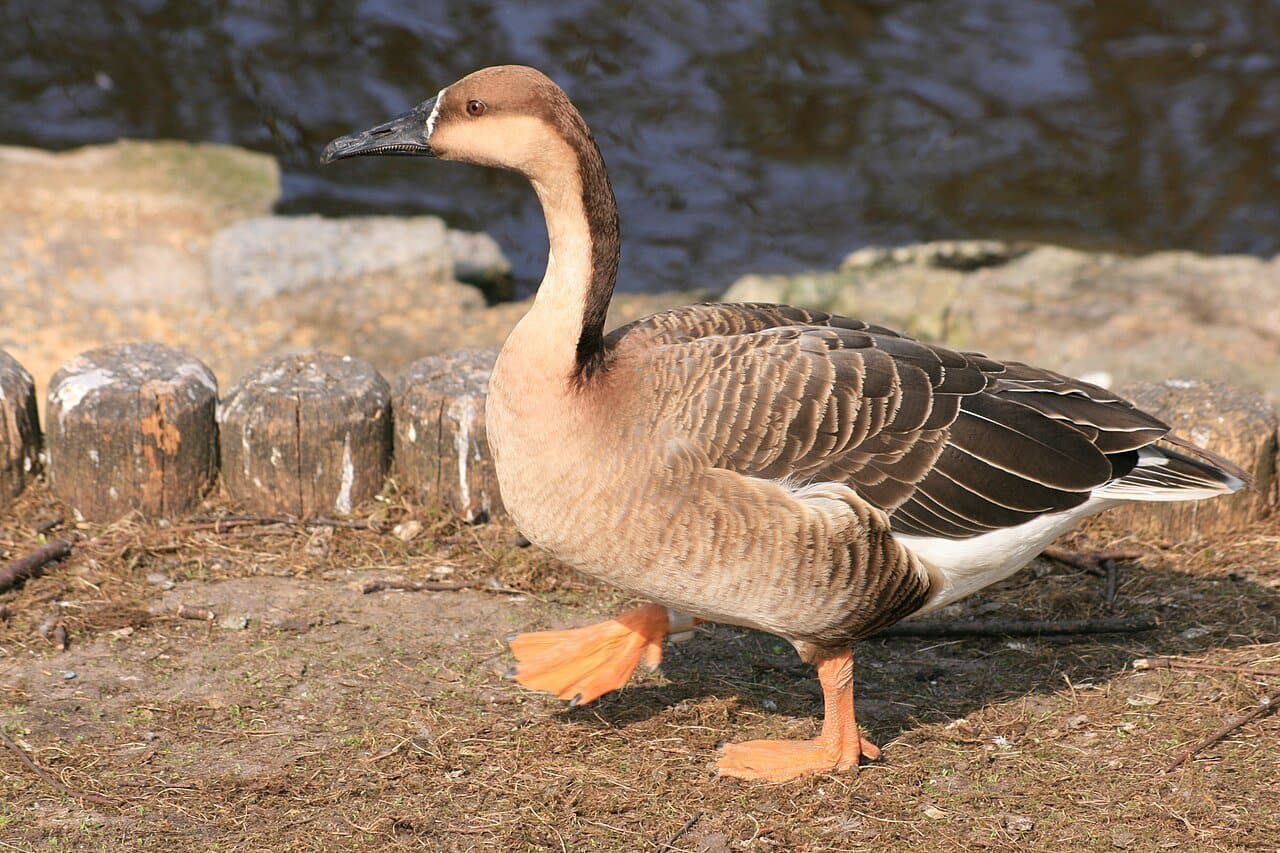 Swan GooseAnser cygnoidesAn endangered long-necked goose of eastern Asia that migrates thousands of kilometers and is the ancestor of the Chinese domestic goose.