
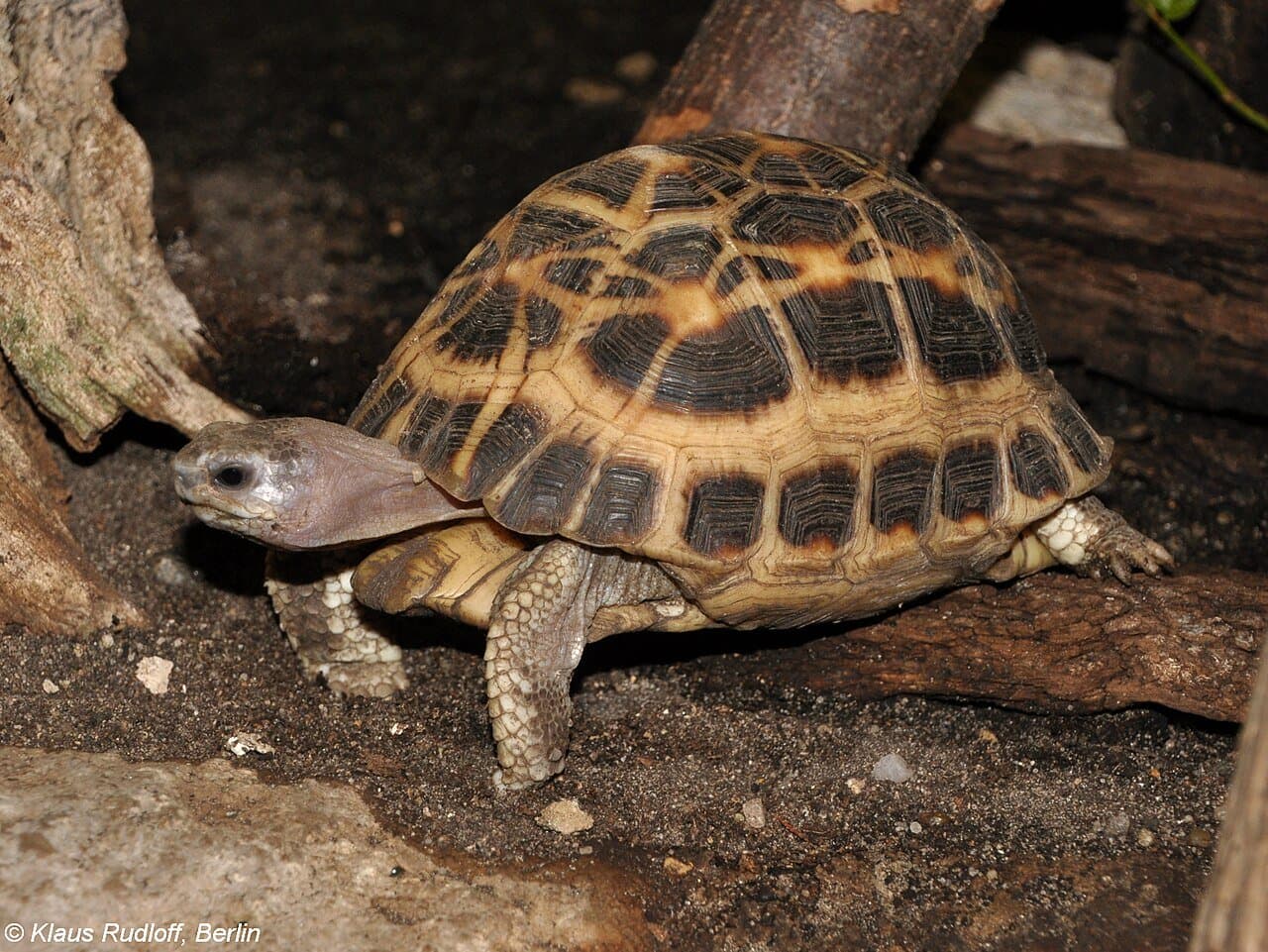
Spider Tortoise
Pyxis arachnoides
A tiny, critically endangered Madagascar tortoise named for the web-like yellow lines on its dark shell.
Checking teacher reviews…
About the Spider Tortoise
Spider tortoises are the smallest of Madagascar's four native tortoises; the shell grows up to about 7 inches. They live only in a narrow belt of dry, spiny forest along Madagascar's southwestern coast. They eat grasses, young leaves, roots, insects and even cow dung with insect larvae in it. In the dry season they may bury themselves in sand and rest.[1]
Quick facts
- Scientific name
- Pyxis arachnoides[1]
- Size
- Shell up to about 7 inches; most are about 4.5 to 5 inches.[1]
- Lifespan
- Believed to live up to 70 years.[1]
- Diet
- Grasses, young leaves, roots, insects and cow dung with insect larvae.[1]
- Habitat
- Dry, sandy spiny forest.[1]
- Where it lives
- A narrow coastal belt of southwestern Madagascar.[1]
- Babies
- One egg per clutch; hatches after 220 to 250 days.[1]
- Conservation status
- Critically Endangered (IUCN Red List, assessed 2008).[2]
Fun facts
Vocabulary
- aestivate
- To rest in a sleep-like state during hot, dry weather.
- carapace
- The top part of a turtle's or tortoise's shell.
- endemic
- Found naturally in only one place in the world.
- charcoal
- Fuel made by slowly burning wood.
- critically endangered
- A conservation label meaning a species faces an extremely high risk of dying out in the wild.
See it in person
- San Francisco Zoo & GardensSan Francisco, California · ReptilesSee this area on the zoo's website ↗
Sources
- [1] Smithsonian's National Zoo & Conservation Biology Institute. “Spider tortoise.” https://nationalzoo.si.edu/animals/spider-tortoise (accessed 2026-10-02)
- [2] IUCN Red List of Threatened Species. “Pyxis arachnoides (Spider Tortoise).” https://www.iucnredlist.org/species/19035/177075588 (accessed 2026-10-02)
Facts last checked 2026-10-02.
More Turtles and Tortoises
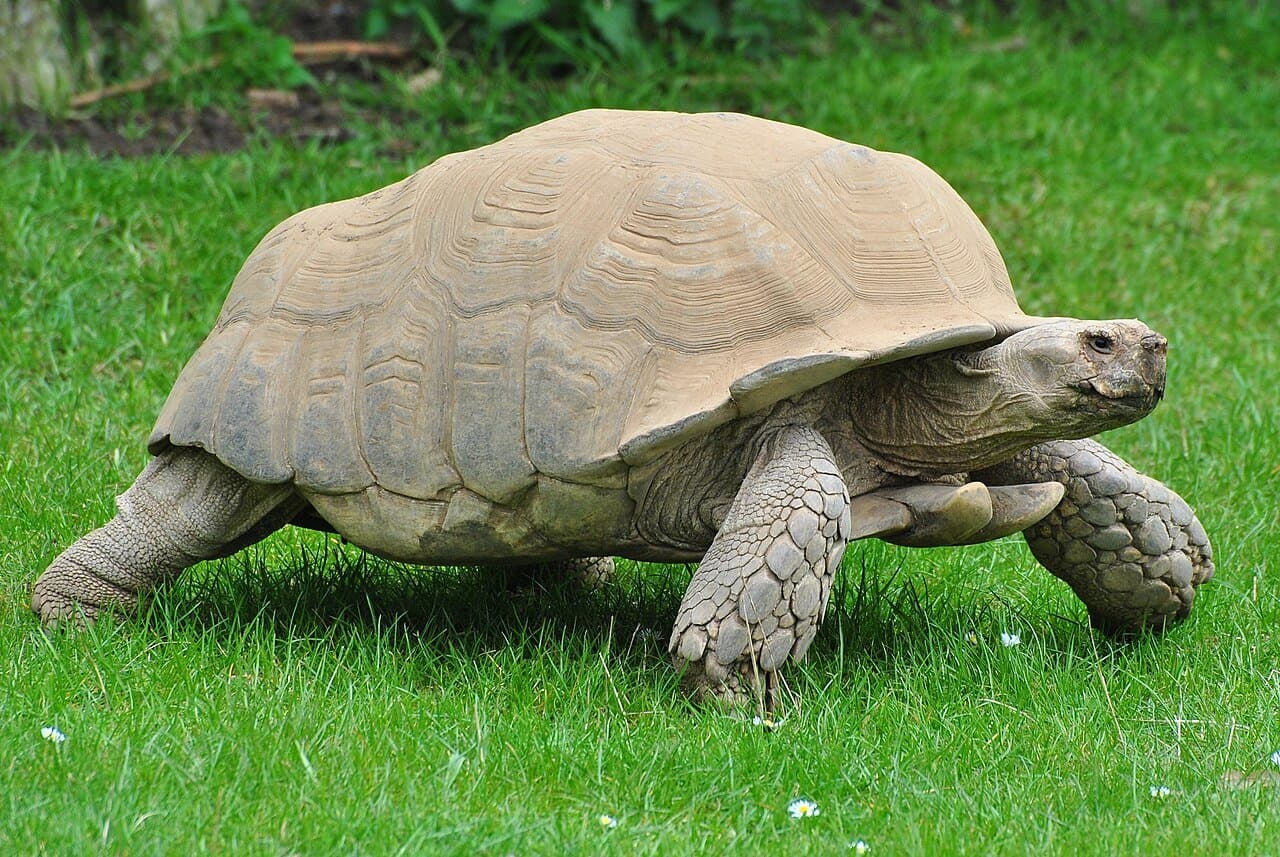 African Spurred TortoiseCentrochelys sulcata (also called Geochelone sulcata)The largest mainland African tortoise, a burrowing plant-eater of the dry lands south of the Sahara, also called the sulcata tortoise.
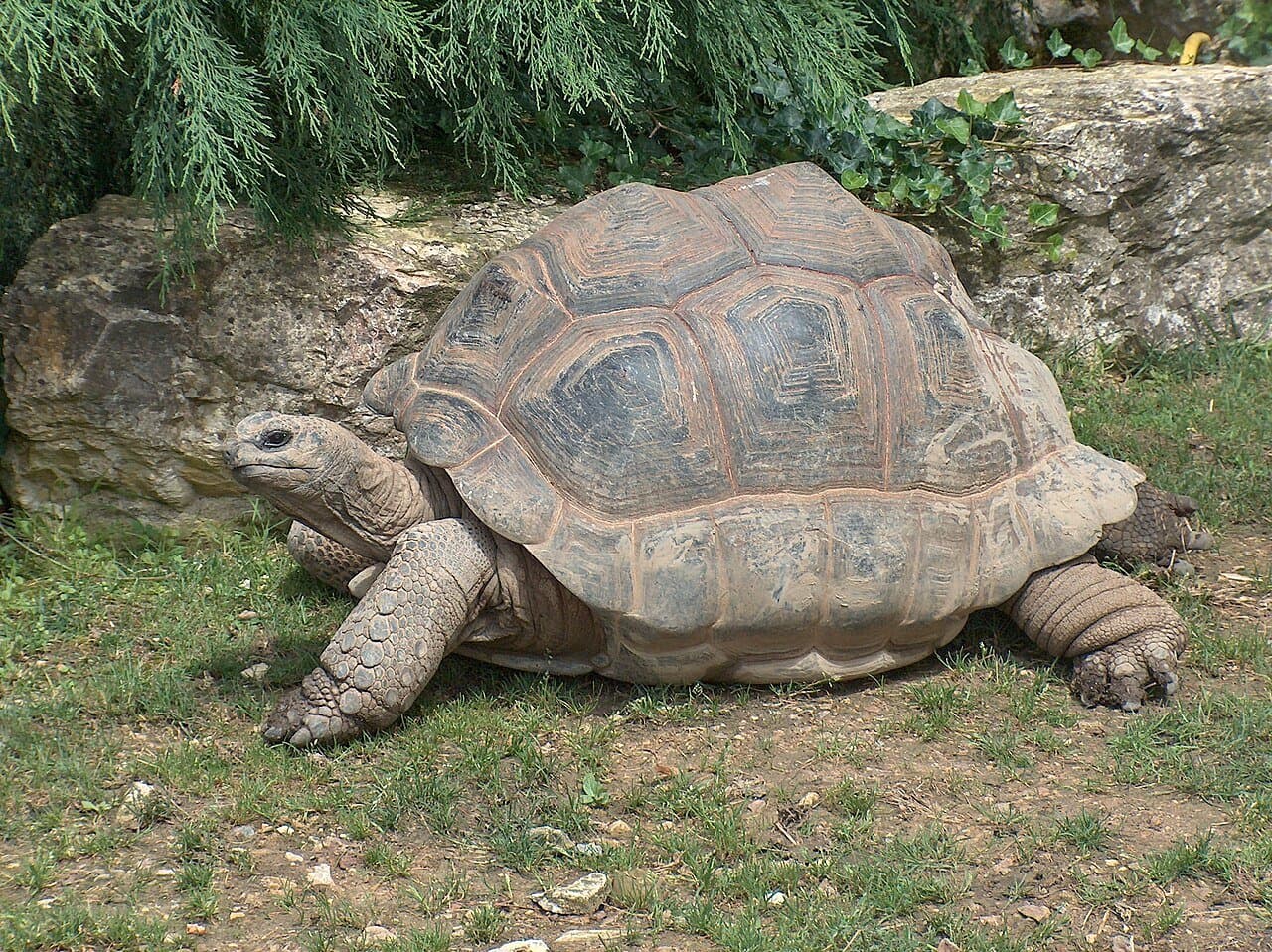 Aldabra TortoiseAldabrachelys giganteaOne of the world's largest tortoises, from the Aldabra Atoll in the Seychelles, which can weigh 550 pounds and may live 150 years.
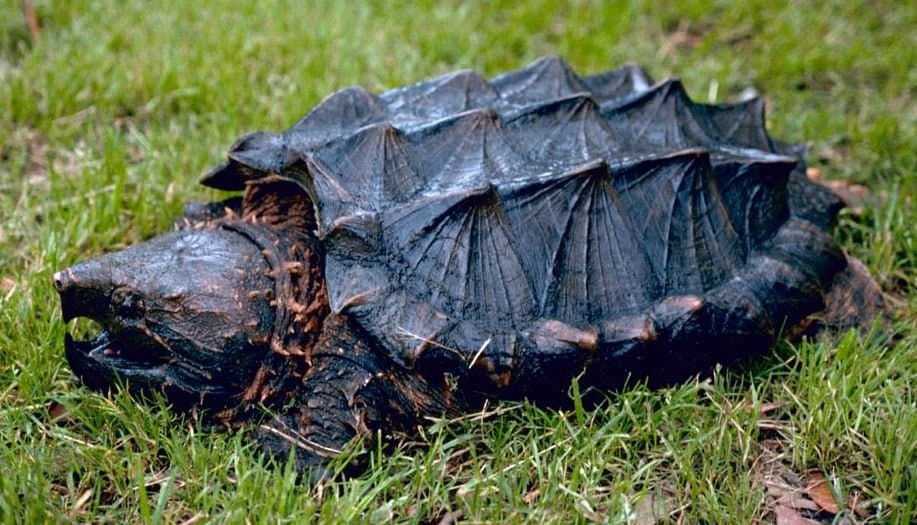 Alligator Snapping TurtleMacrochelys temminckiiThe largest freshwater turtle in the United States, which lures fish into its open jaws with a worm-like bit on its tongue.
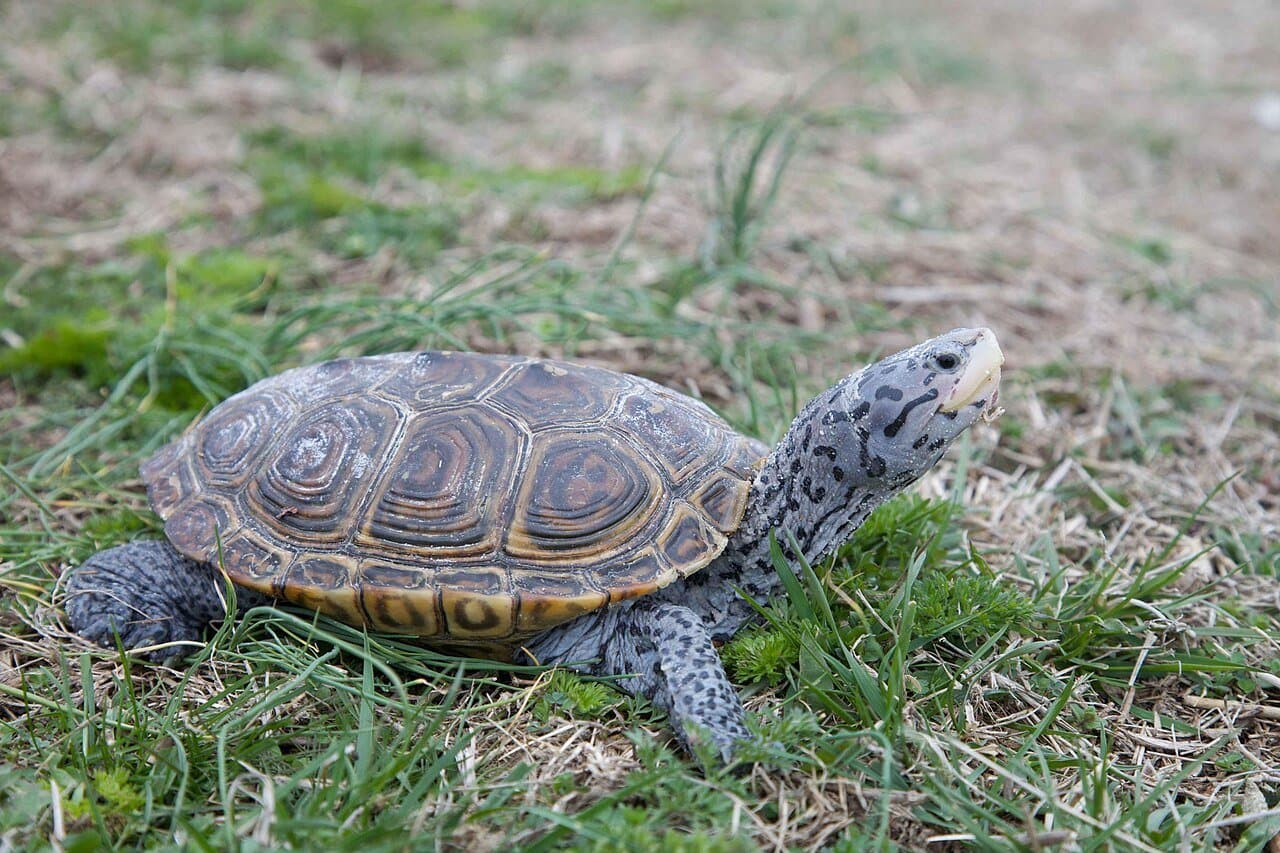 Diamondback TerrapinMalaclemys terrapinA colorful turtle of coastal salt marshes from the Atlantic to the Gulf of Mexico, the only turtle besides sea turtles that lives in brackish water.
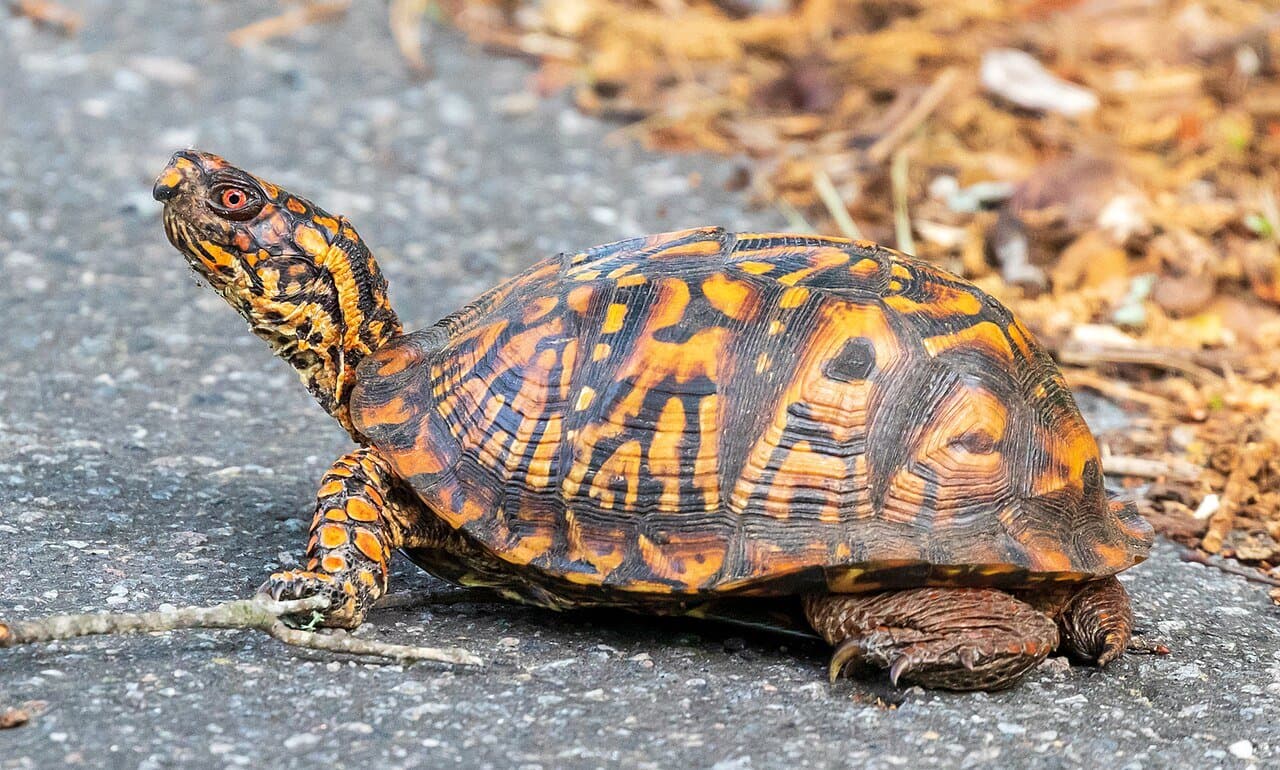 Eastern Box TurtleTerrapene carolinaA land turtle of the eastern United States that can close its shell like a box and may live more than 100 years.
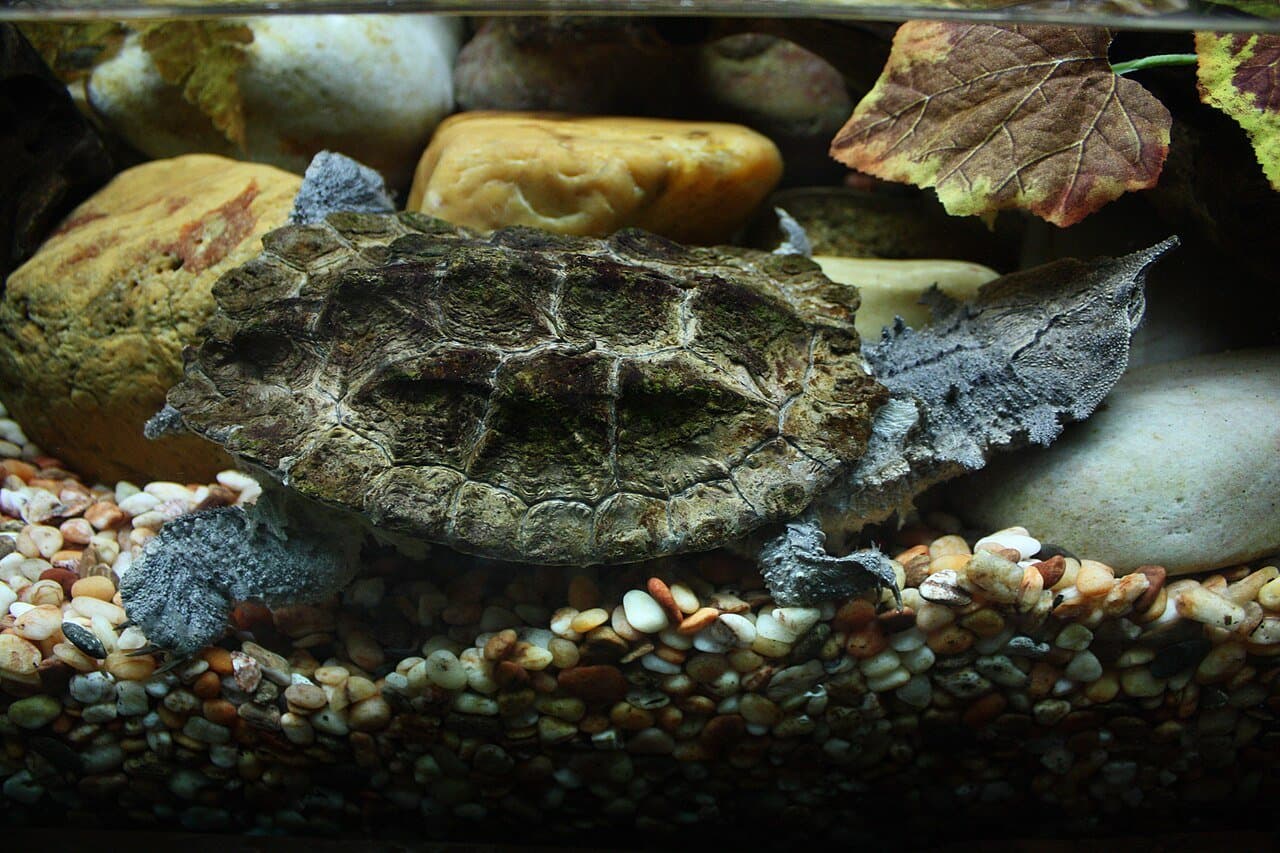 Mata MataChelus fimbriataA camouflaged Amazon turtle with a flat head and snorkel nose that vacuums up fish by suddenly opening its mouth.
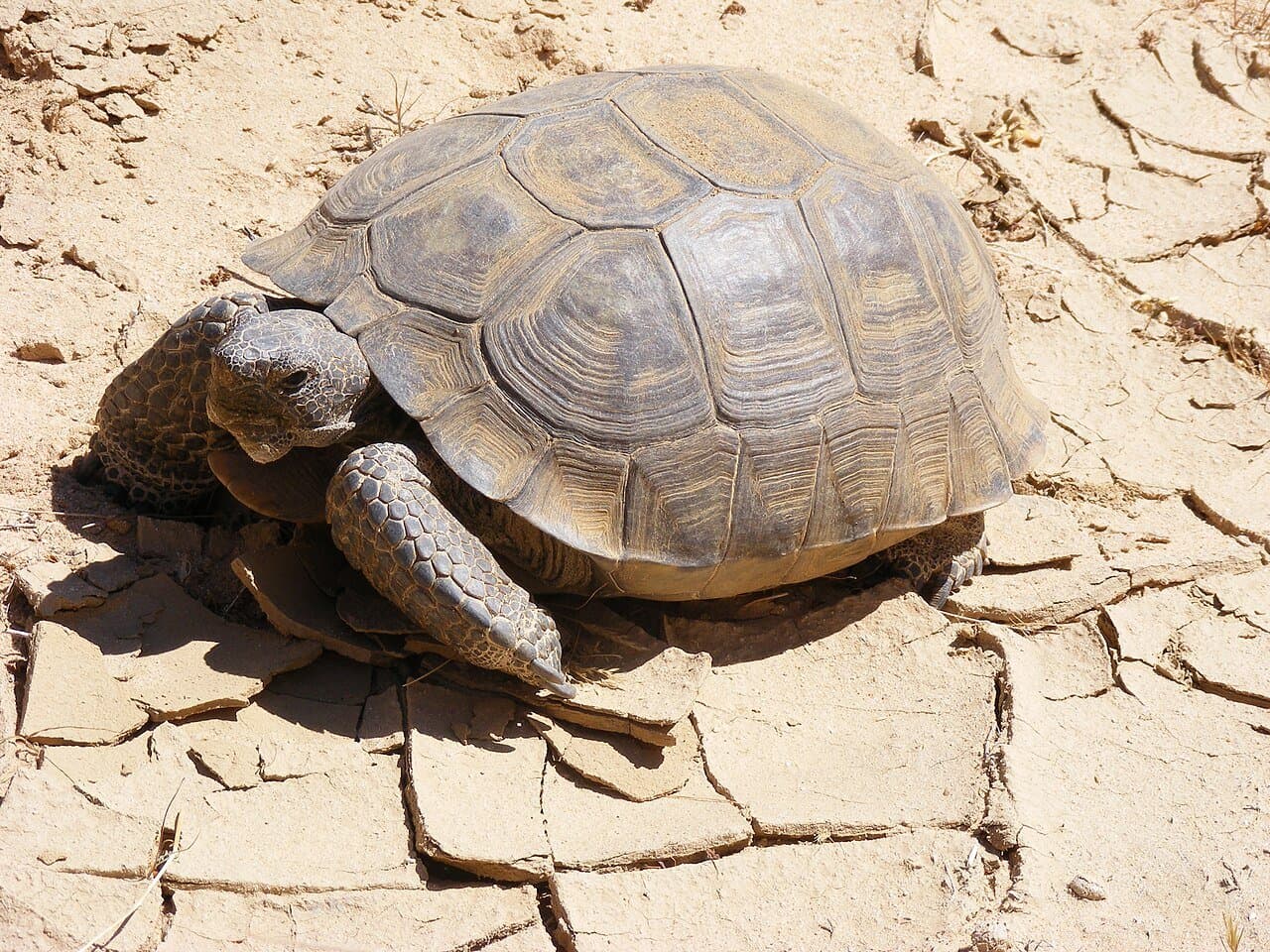 Mojave Desert TortoiseGopherus agassiziiCalifornia's state reptile, a burrowing tortoise of the southwestern deserts that is now critically endangered.
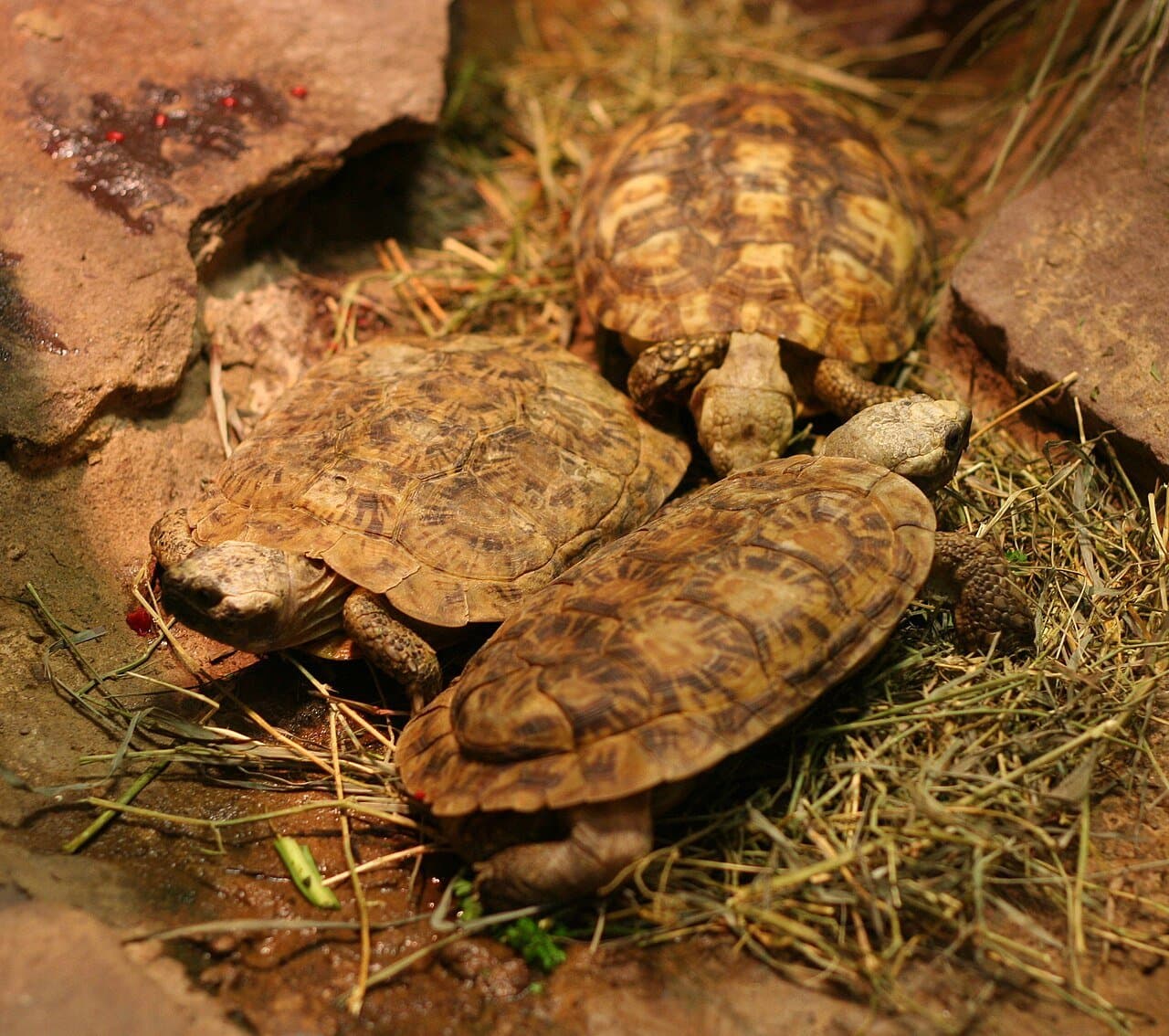 Pancake TortoiseMalacochersus tornieriA critically endangered East African tortoise with a thin, flat, flexible shell that hides in rock cracks instead of in its shell.
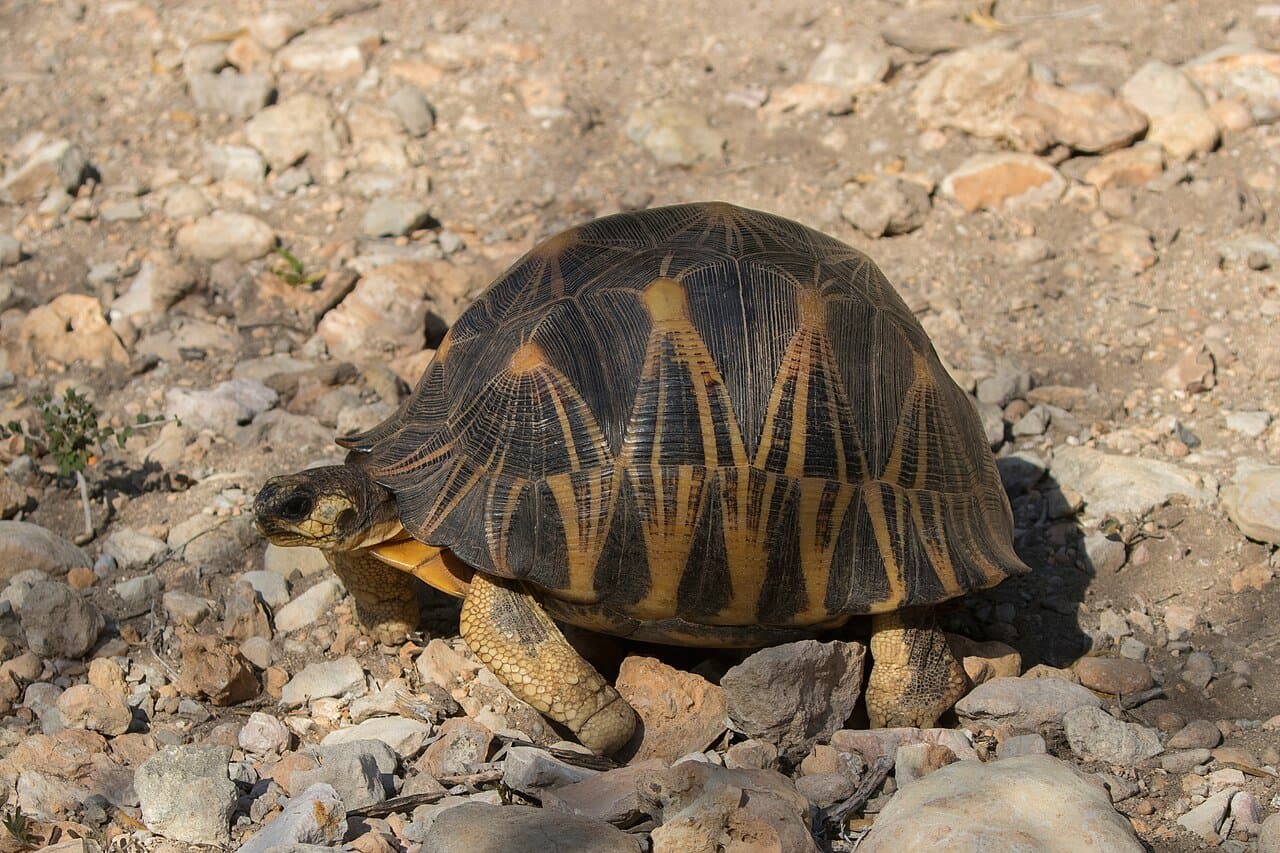 Radiated TortoiseAstrochelys radiataA critically endangered Madagascar tortoise named for the yellow star-like lines on its high, domed shell.
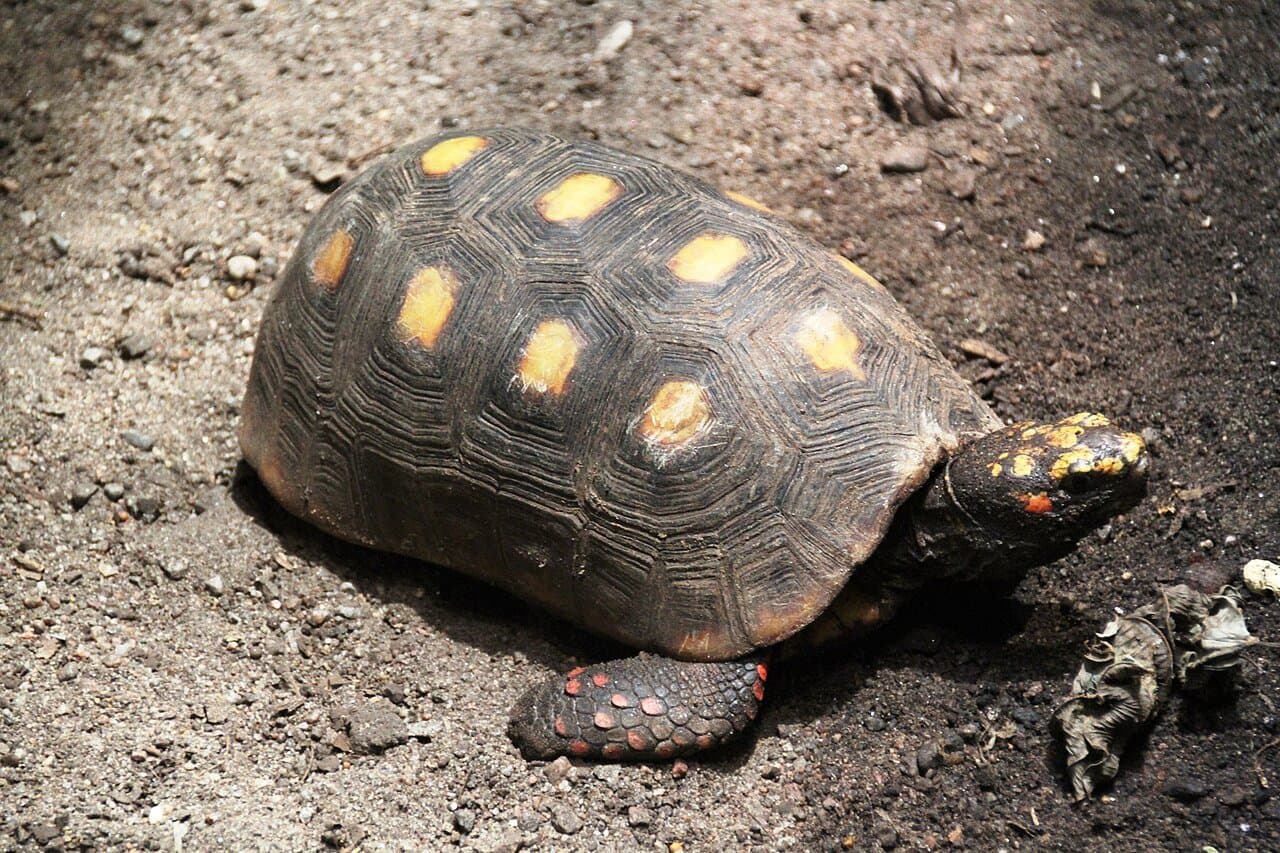 Red-Footed TortoiseChelonoidis carbonariaA South American tortoise with black skin and red patches like glowing coals that spreads seeds by eating fruit.
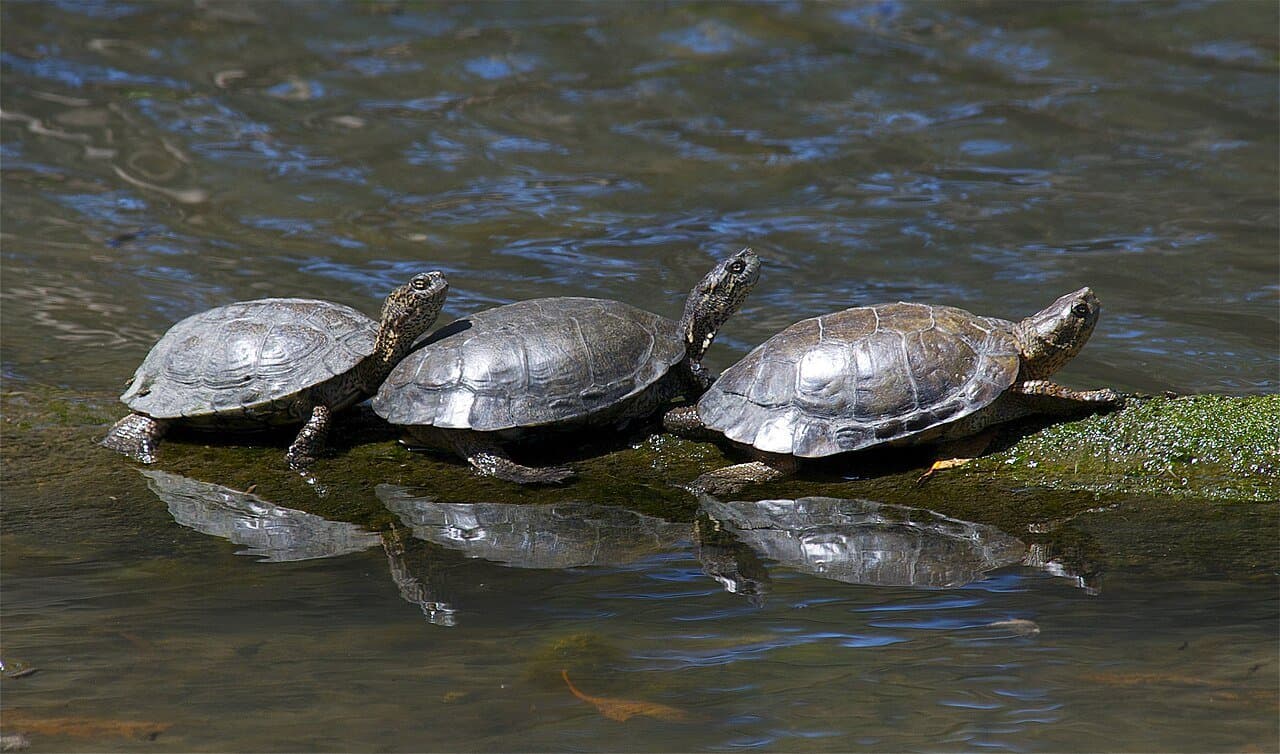 Western Pond TurtleActinemys marmorataCalifornia's only native freshwater turtle, a small olive-brown turtle that zoos help return to local ponds.
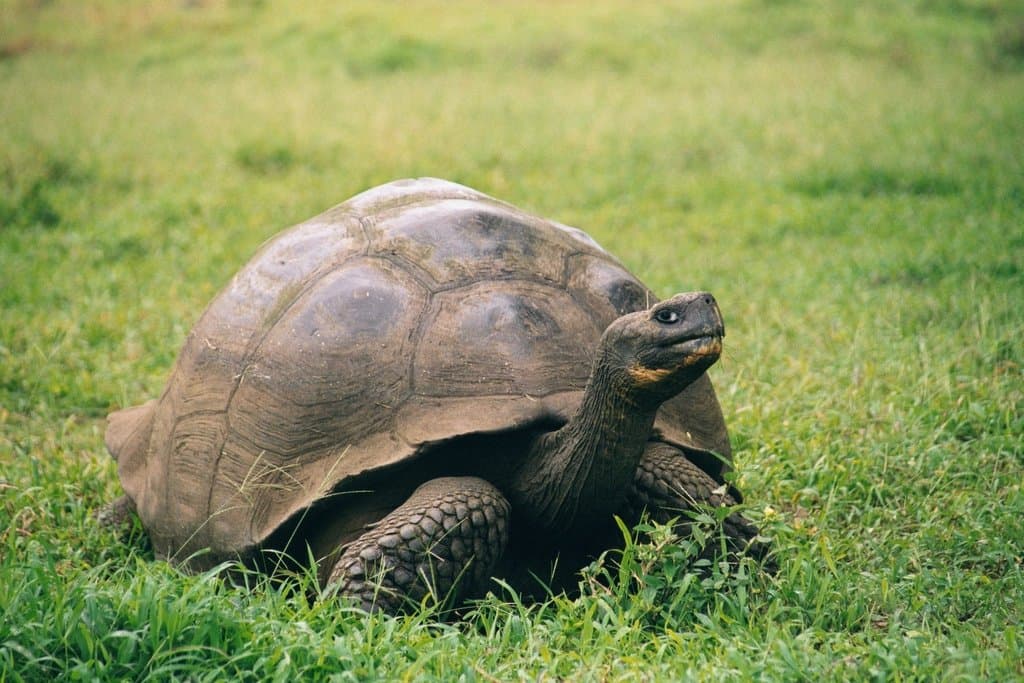 Western Santa Cruz Galápagos TortoiseChelonoidis porteriA huge, dome-shelled Galápagos tortoise from Santa Cruz Island that migrates along "tortoise highways."