
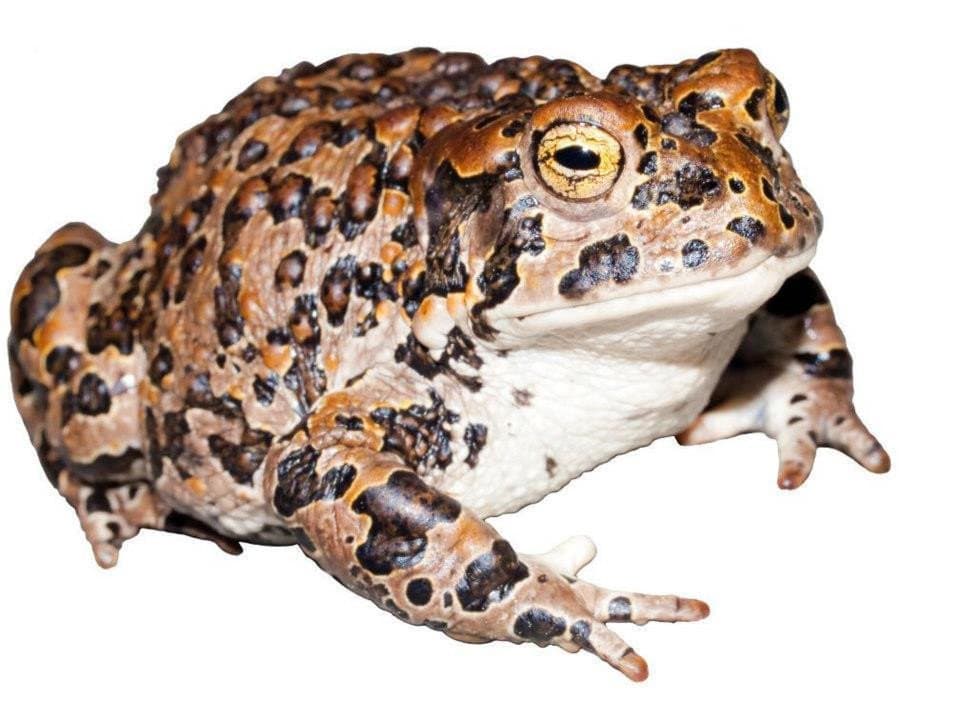
Yosemite Toad
Anaxyrus canorus
A Sierra Nevada mountain toad that walks instead of hopping, with males and females that look very different.
Checking teacher reviews…
About the Yosemite Toad
Yosemite toads live in high mountain forests, meadows and wetlands of the Sierra Nevada, from Alpine to Fresno County. They are 2 to 3 inches long with bumpy skin. Males are plain olive or yellowish green, and females are paler with dark spots. They can walk up to a mile from their burrow to a breeding pond. Adults eat ants, flies, beetles and spiders.[1]
Quick facts
- Scientific name
- Anaxyrus canorus[1]
- Size
- 2 to 3 inches long. Females are usually larger.[1]
- Lifespan
- Up to 15 years for females, 12 for males.[1]
- Diet
- Tadpoles eat algae and plants; adults eat ants, flies, beetles and spiders.[1]
- Habitat
- High-altitude forests, meadows and wetlands.[1]
- Where it lives
- The Sierra Nevada of California, from Alpine to Fresno County.[1]
- Babies
- 1,000 to 2,000 eggs in a snowmelt pool.[1]
- Conservation status
- Vulnerable (IUCN Red List, assessed 2021).[2]
Fun facts
Vocabulary
- sexually dimorphic
- Having males and females that look different.
- vernal pool
- A shallow pool that fills with water in spring and dries up later in the year.
- chytrid
- A fungus that infects the skin of amphibians and can kill them.
- tadpole
- A young frog or toad that lives in water and breathes with gills.
- vulnerable
- A conservation label meaning a species faces a high risk of dying out in the wild.
See it in person
- San Francisco Zoo & GardensSan Francisco, California · AmphibiansSee this animal on the zoo's website ↗
Sources
- [1] San Francisco Zoo & Gardens. “Yosemite Toad.” https://www.sfzoo.org/yosemite-toad/ (accessed 2026-10-02)
- [2] IUCN Red List of Threatened Species. “Anaxyrus canorus (Yosemite Toad).” https://www.iucnredlist.org/species/3180/118972917 (accessed 2026-10-02)
Facts last checked 2026-10-02.
More Frogs
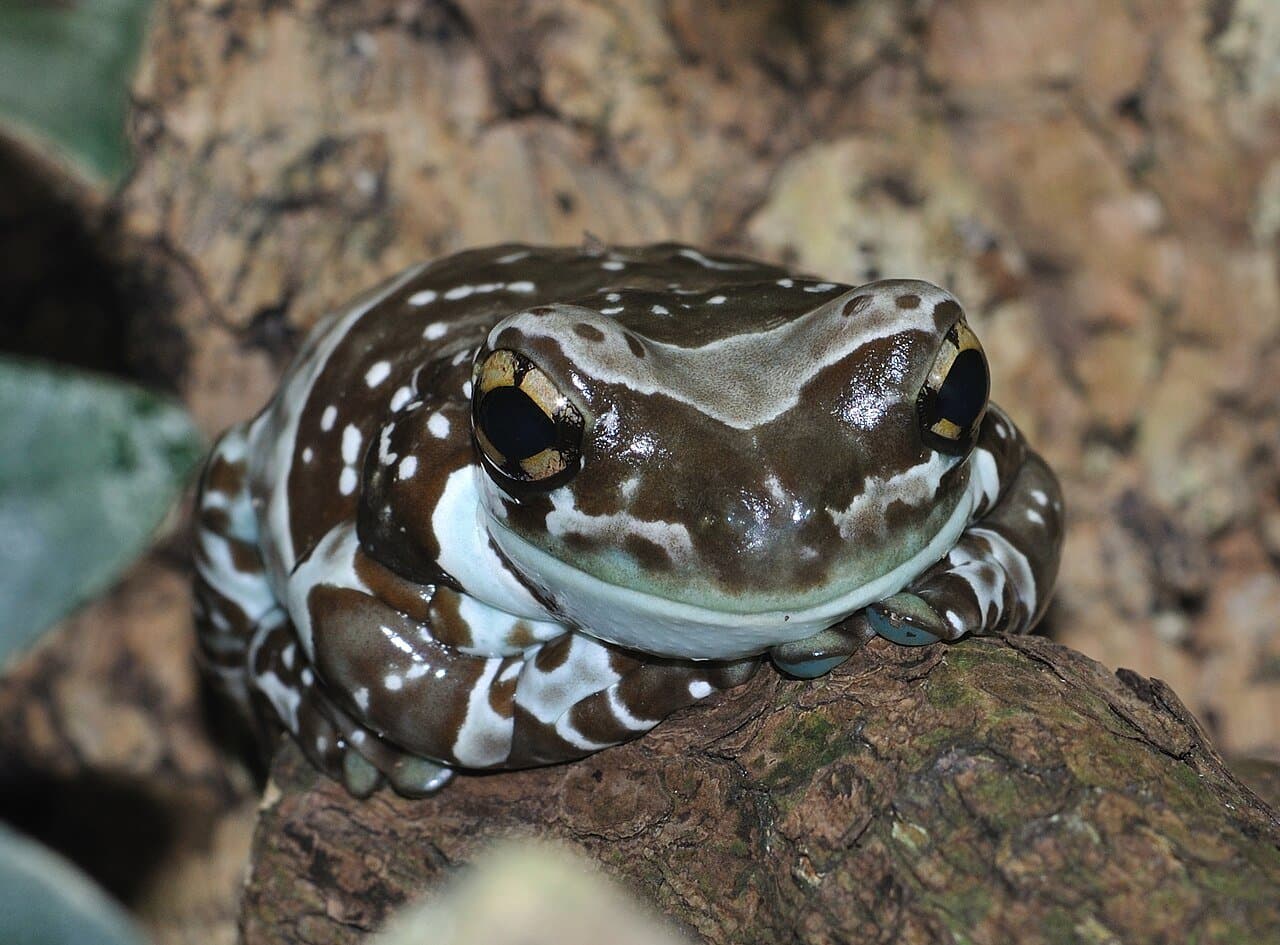 Amazon Milk FrogTrachycephalus resinifictrixA bumpy gray-and-brown rainforest tree frog that oozes a milky, poisonous liquid when threatened.
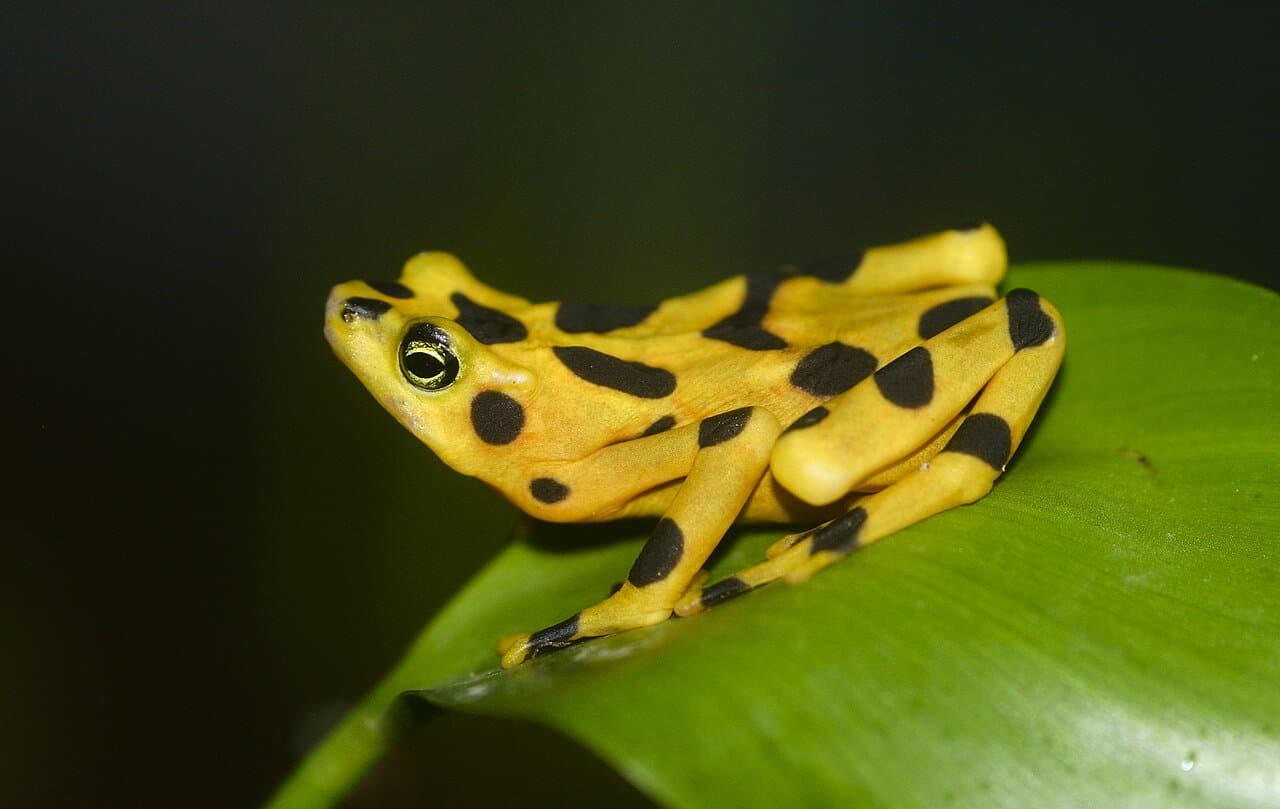 Panamanian Golden FrogAtelopus zetekiA bright golden, poisonous frog that is Panama's symbol of good luck. It has not been seen in the wild since 2009 and survives in zoo breeding programs.
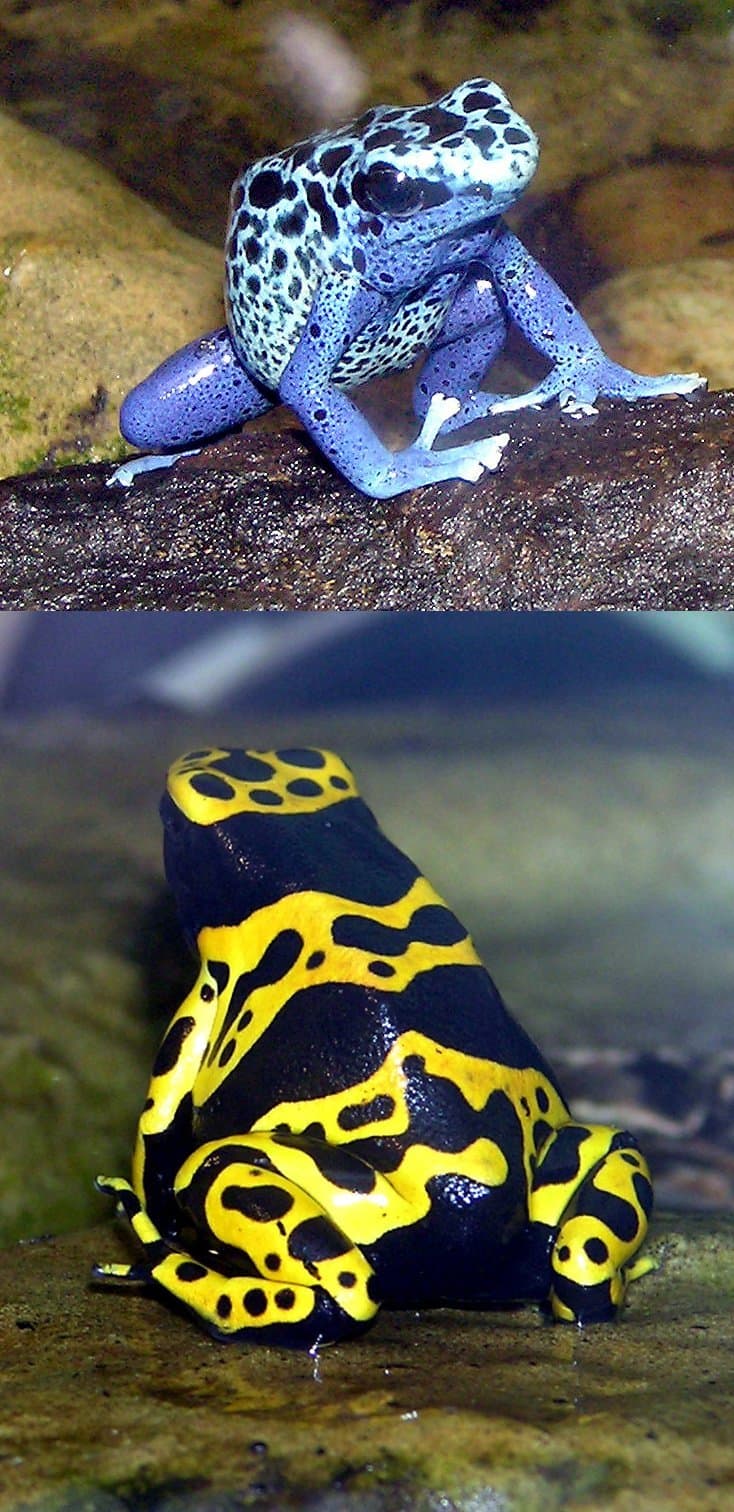 Poison Dart FrogsFamily Dendrobatidae (about 220 species)A family of about 220 tiny, brightly colored rainforest frogs whose bold colors warn predators that their skin is poisonous.
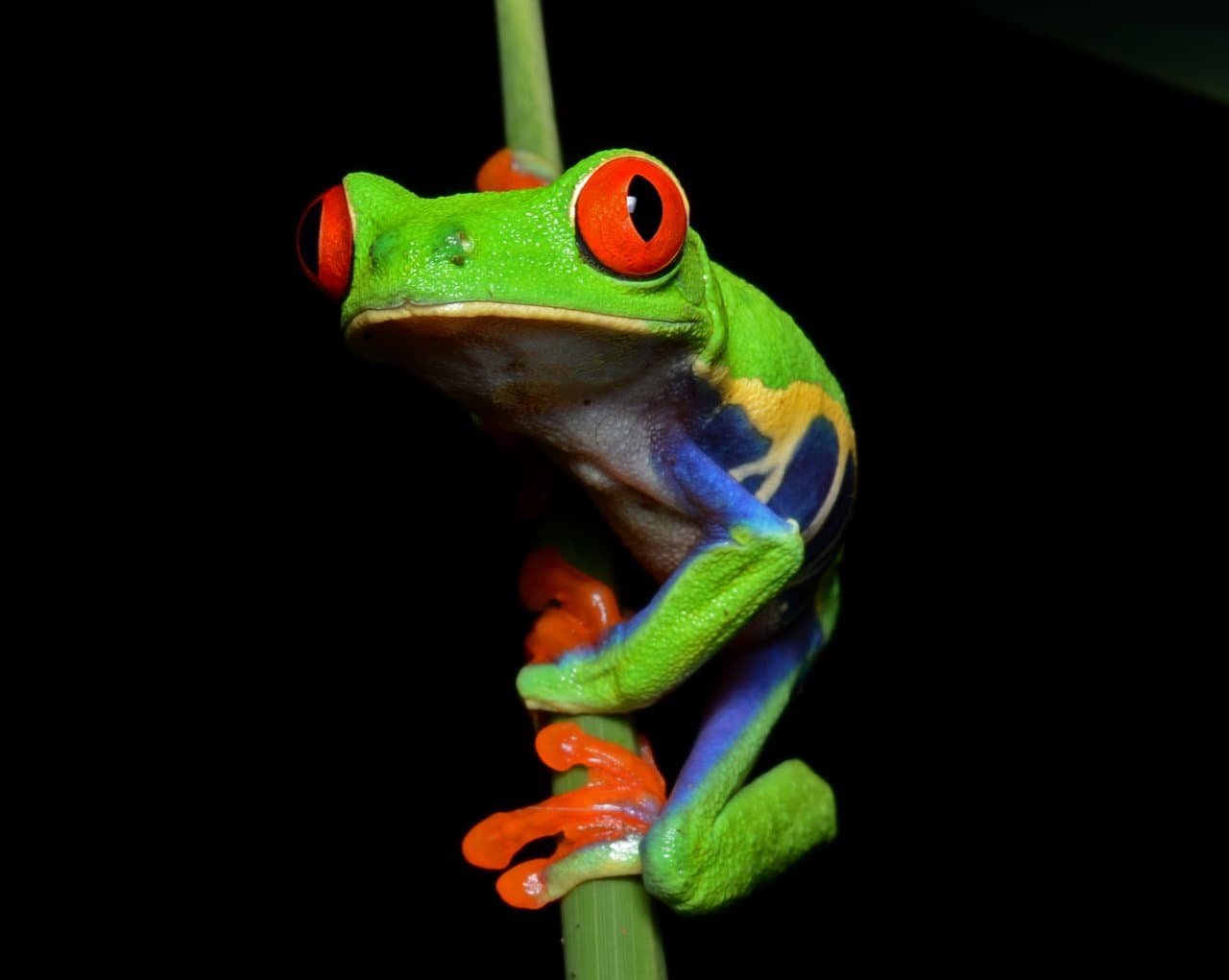 Red-Eyed Tree FrogAgalychnis callidryasA bright green Central American tree frog with big red eyes, blue sides and orange feet.
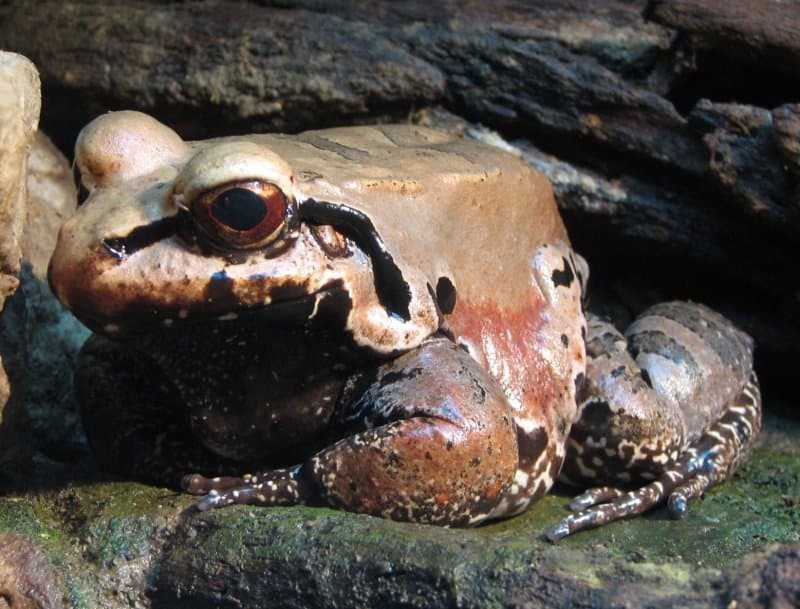 Smoky Jungle FrogLeptodactylus pentadactylusA big South American frog up to seven inches long that puffs up and shrieks to scare predators.