
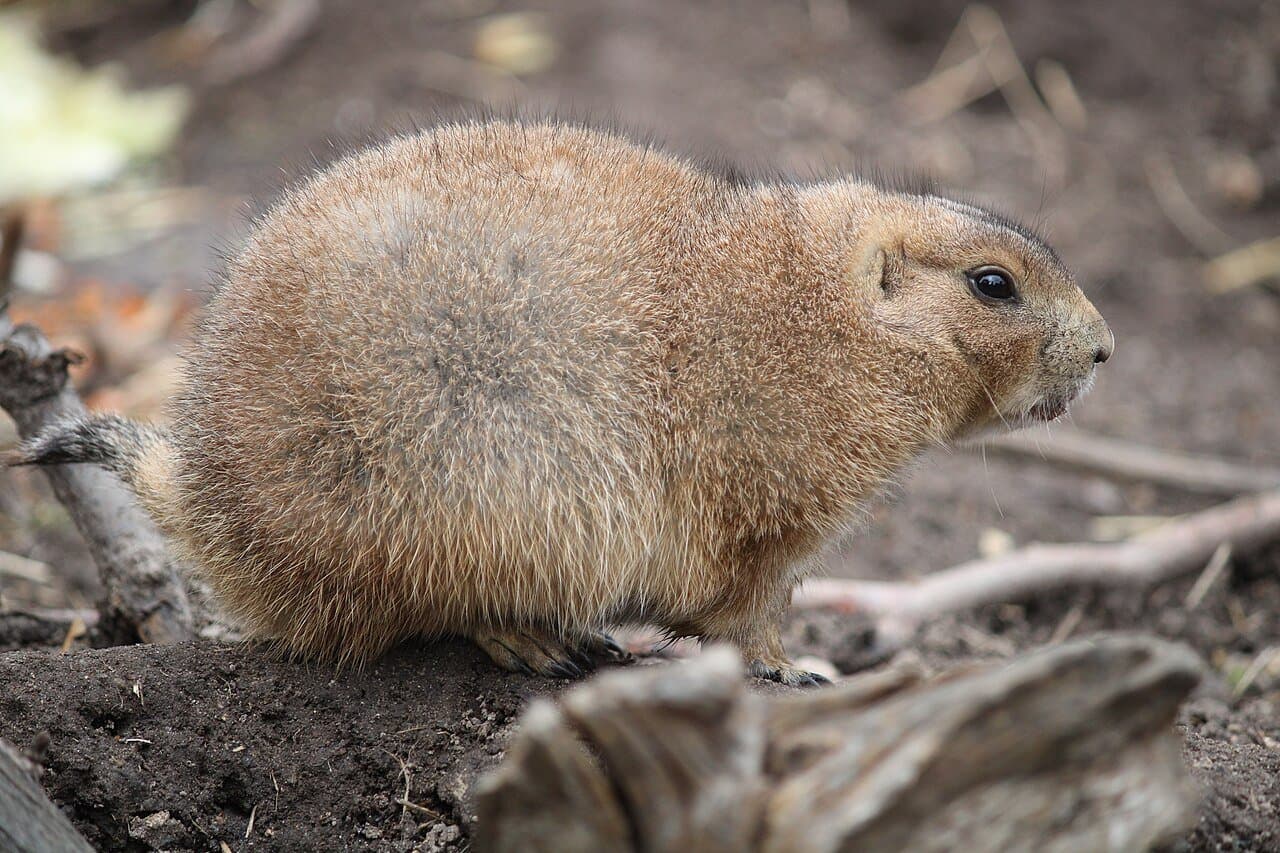
Black-Tailed Prairie Dog
Cynomys ludovicianus
A burrowing ground squirrel of the Great Plains that lives in huge "towns" and barks to warn of danger.
Checking teacher reviews…
About the Black-Tailed Prairie Dog
Black-tailed prairie dogs live on the open plains of the Great Plains, from Montana and southern Saskatchewan to northern Mexico. They stand about 12 inches tall and weigh 1 to 3 pounds. They're named for their most common call, a short yip that sounds like a bark. Grasses make up about three-quarters of their diet, plus roots and flowers.[1]
Quick facts
- Scientific name
- Cynomys ludovicianus[1]
- Size
- About 12 inches tall.[1]
- Weight
- 1 to 3 pounds.[1]
- Lifespan
- 3 to 5 years in the wild. Up to 8 in human care.[1]
- Diet
- Herbivore. Mostly grasses, plus roots and blossoms.[1]
- Habitat
- Open plains and plateaus.[1]
- Where it lives
- The Great Plains, from Montana and southern Saskatchewan to far northern Mexico.[1]
- Group life
- Large colonies called towns.[1]
- Conservation status
- Least Concern (IUCN Red List, assessed 2016).[2]
Fun facts
Vocabulary
- keystone species
- A species that many other living things in its ecosystem depend on.
- burrow
- A hole or tunnel dug in the ground by an animal.
- colony
- A large group of animals of one kind that live together.
- rodent
- A mammal with front teeth that keep growing, such as squirrels and mice.
- plateau
- A large, flat area of high ground.
See it in person
- San Francisco Zoo & GardensSan Francisco, California · MammalsSee this animal on the zoo's website ↗
Sources
- [1] San Francisco Zoo & Gardens. “Black-tailed Prairie Dog.” https://www.sfzoo.org/black-tailed-prairie-dog/ (accessed 2026-10-02)
- [2] IUCN Red List of Threatened Species. “Cynomys ludovicianus (Black-tailed Prairie Dog).” https://www.iucnredlist.org/species/6091/115080297 (accessed 2026-10-02)
Facts last checked 2026-10-02.
More Rodents
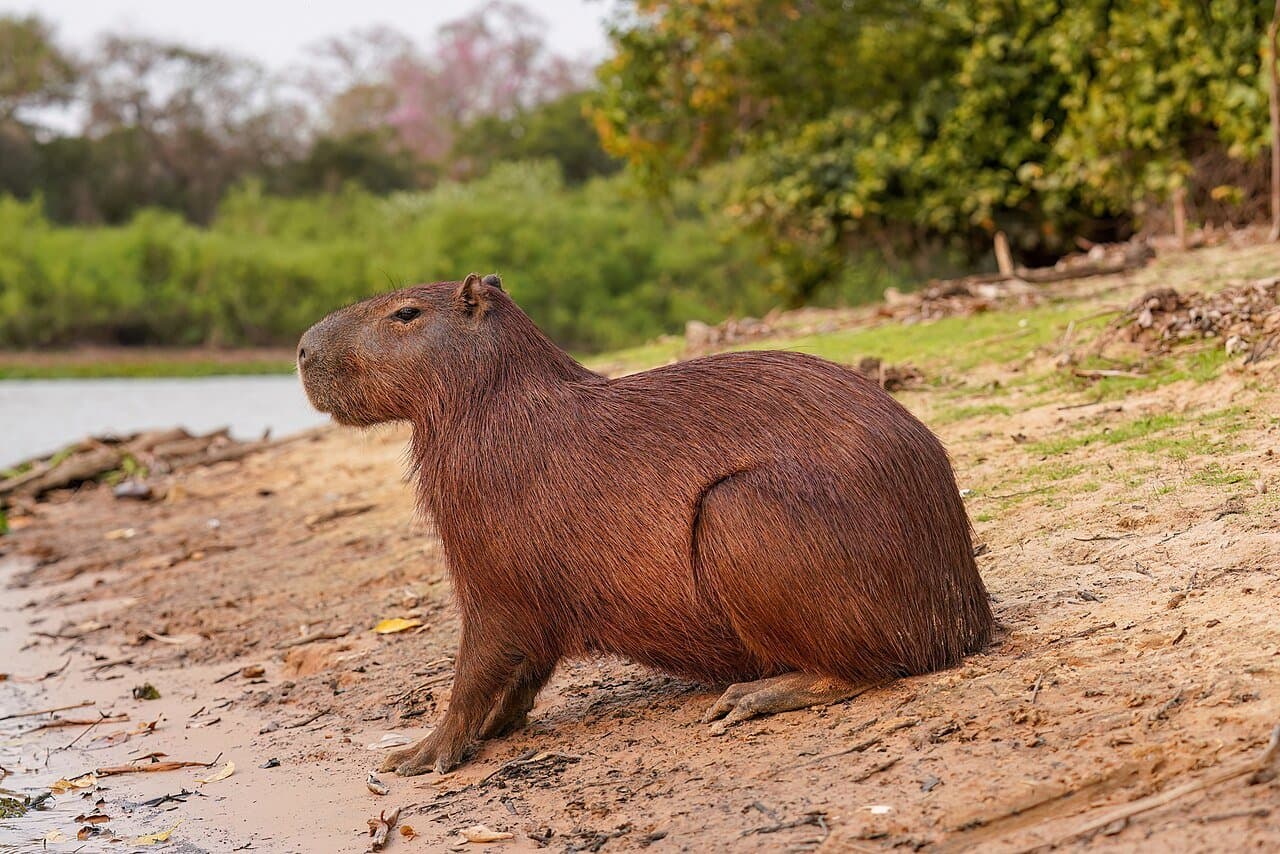 CapybaraHydrochoerus hydrochaerisThe world's largest rodent, a grass-eating swimmer of South American riverbanks that lives in groups.
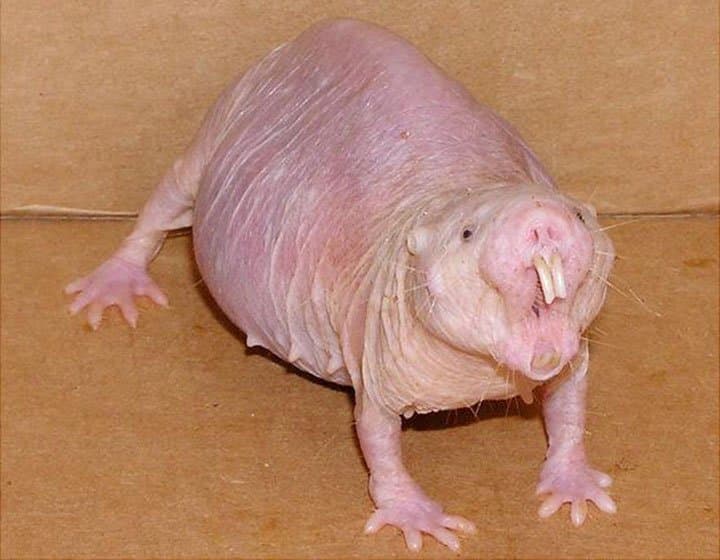 Naked Mole RatHeterocephalus glaberA nearly hairless underground rodent of East Africa that lives in colonies run by a single queen, like bees.
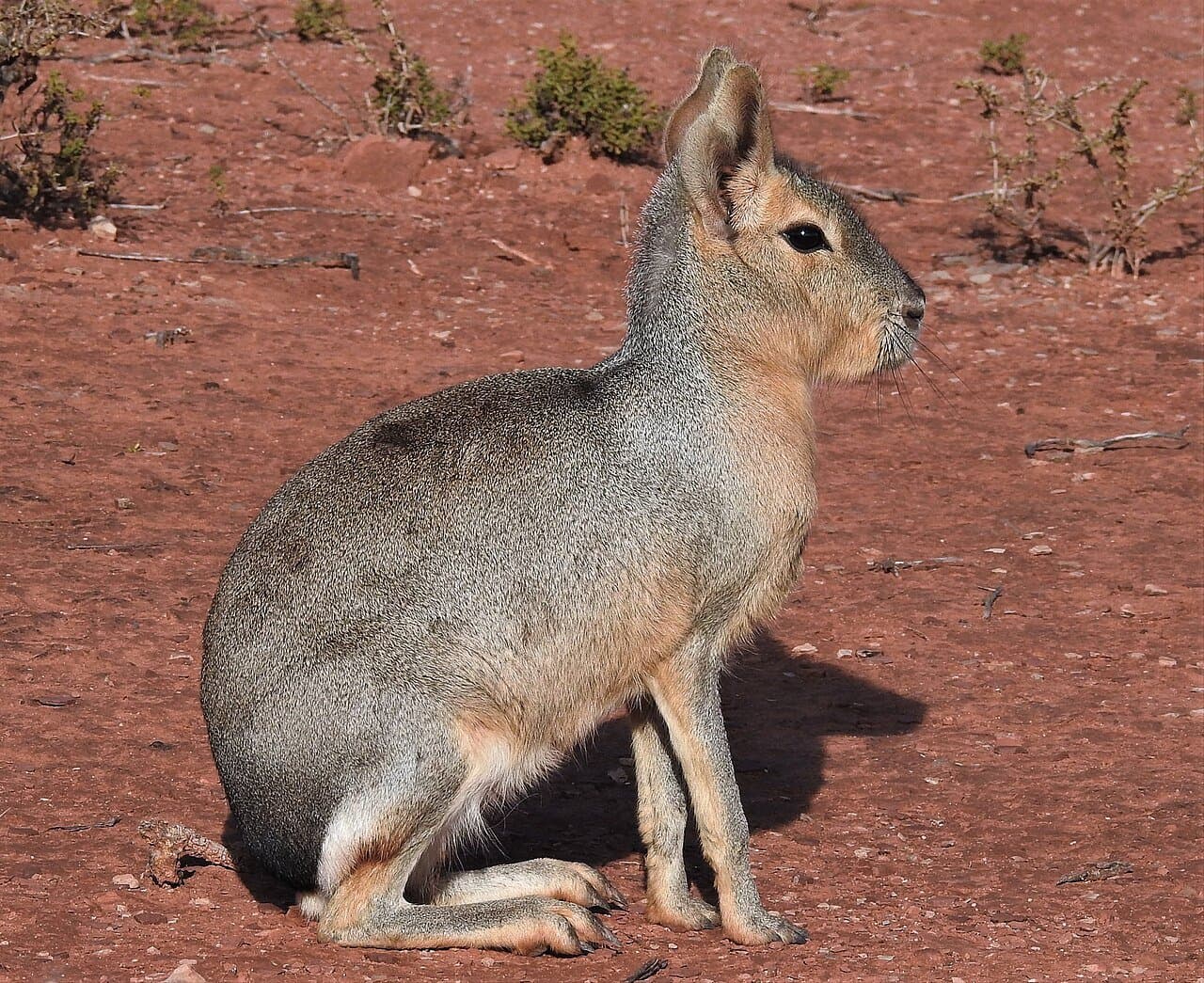 Patagonian MaraDolichotis patagonumA long-legged Argentine rodent that looks like a cross between a hare and a small deer and can run 35 miles per hour.