
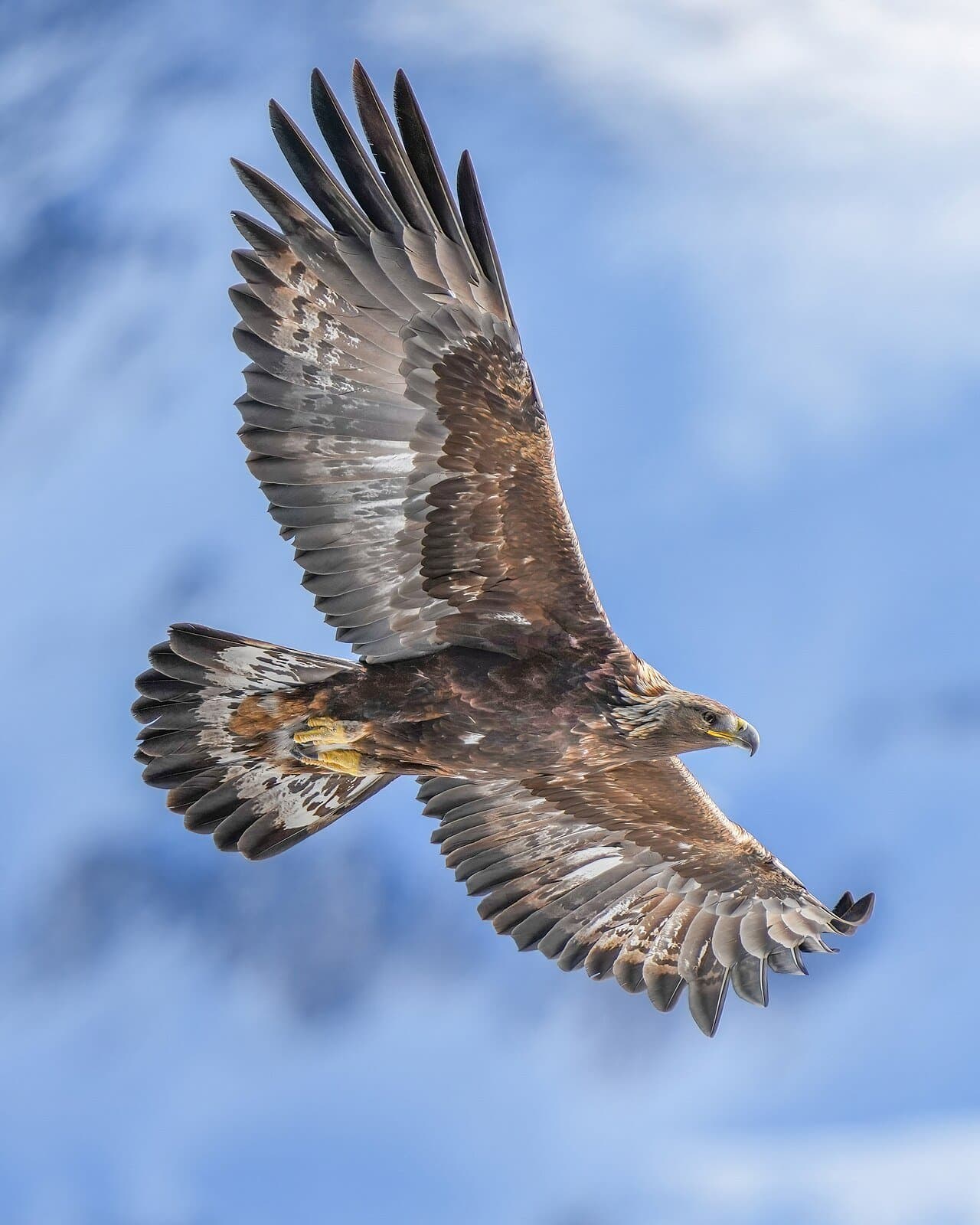
Golden Eagle
Aquila chrysaetos
North America's largest bird of prey, a brown eagle with golden feathers on its neck that can dive at 200 miles per hour.
Checking teacher reviews…
About the Golden Eagle
Golden eagles are the largest birds of prey in North America, with wings up to 7 feet across and weights of 6 to 15 pounds. They live across Europe, Asia, northern Africa and western North America, in open mountain country, tundra, grasslands and woodlands. They hunt mostly rodents but also eat reptiles, fish, birds and carrion. Southern Alameda County, California, has the most nesting golden eagles anywhere.[1]
Quick facts
- Scientific name
- Aquila chrysaetos[1]
- Size
- Wingspan up to 7 feet.[1]
- Weight
- 6 to 15 pounds. Females are larger.[1]
- Lifespan
- About 30 years in the wild. Up to 46 in human care.[1]
- Diet
- Carnivore. Mostly rodents, plus reptiles, fish, birds and carrion.[1]
- Habitat
- Open mountains, tundra, grasslands, woodlands and near water.[1]
- Where it lives
- Europe, Asia, northern Africa and western North America.[1]
- Group life
- Alone or in pairs. May mate for life.[1]
- Babies
- Usually two eggs, incubated about 40 to 45 days.[1]
- Conservation status
- Least Concern (IUCN Red List, assessed 2021).[2]
Fun facts
Vocabulary
- talon
- A sharp, curved claw on a bird of prey.
- raptor
- A bird of prey, such as an eagle, hawk or owl.
- soar
- To glide high in the air without flapping.
- monogamous
- Having one mate at a time, sometimes for life.
- carrion
- The meat of an animal that is already dead.
See it in person
- San Francisco Zoo & GardensSan Francisco, California · BirdsSee this animal on the zoo's website ↗
Sources
- [1] San Francisco Zoo & Gardens. “Golden Eagle.” https://www.sfzoo.org/golden-eagle/ (accessed 2026-10-02)
- [2] IUCN Red List of Threatened Species. “Aquila chrysaetos (Golden Eagle).” https://www.iucnredlist.org/species/22696060/202078899 (accessed 2026-10-02)
Facts last checked 2026-10-02.
More Birds of Prey
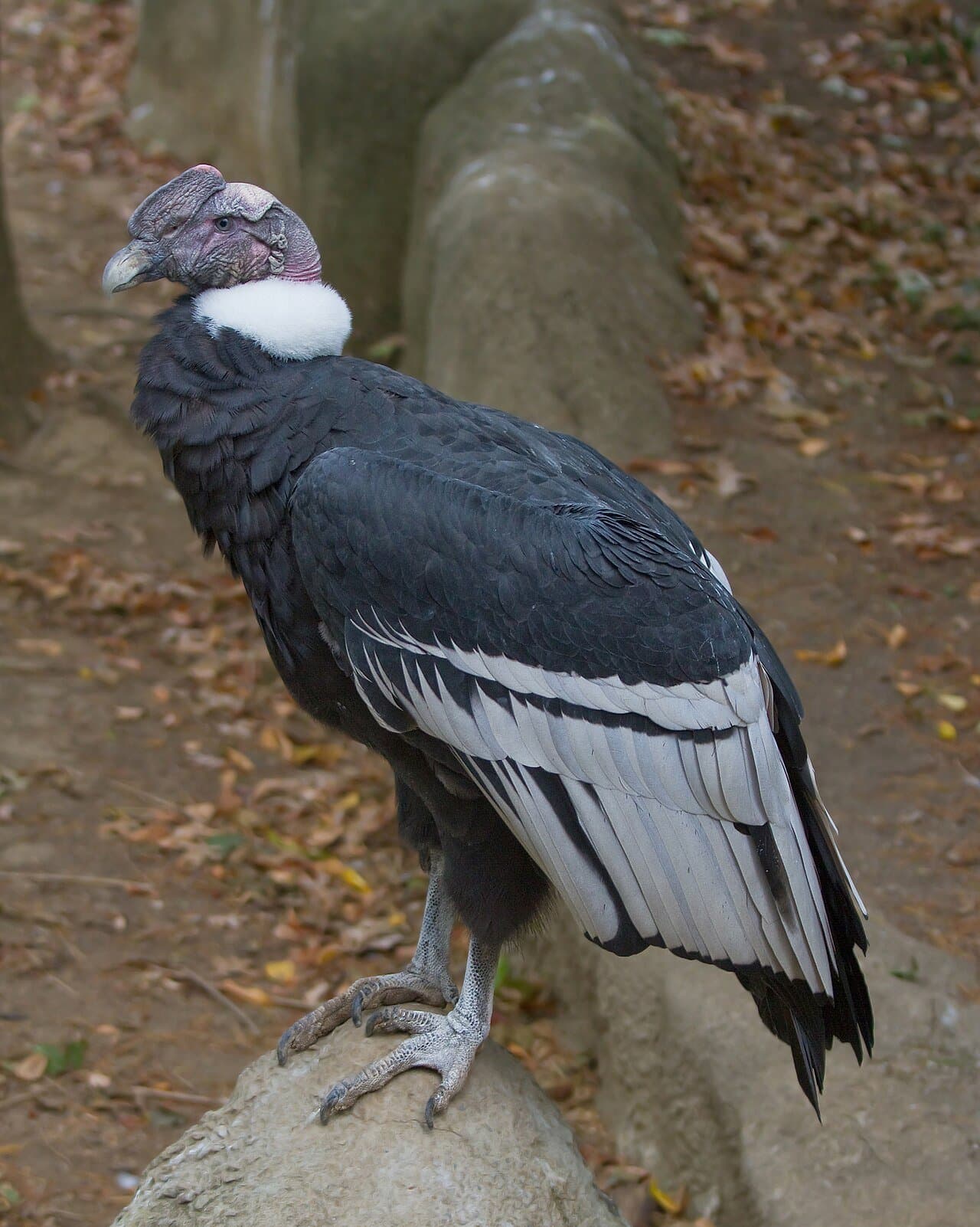 Andean CondorVultur gryphusA huge vulture of the Andes Mountains with a wingspan of about 3.2 meters, the longest of any land bird.
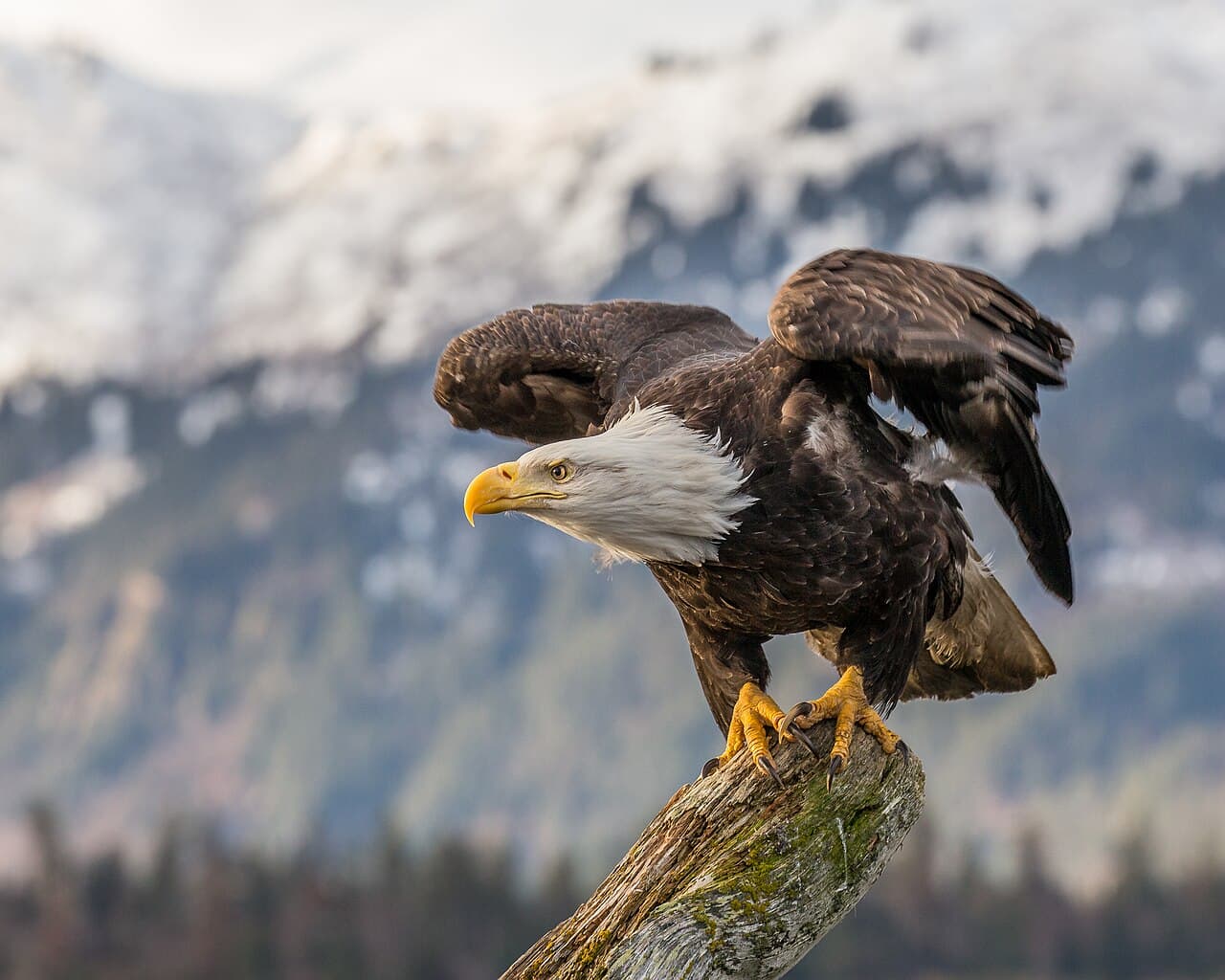 Bald EagleHaliaeetus leucocephalusThe national bird of the United States, a fish-eating eagle that came back from the edge of extinction.
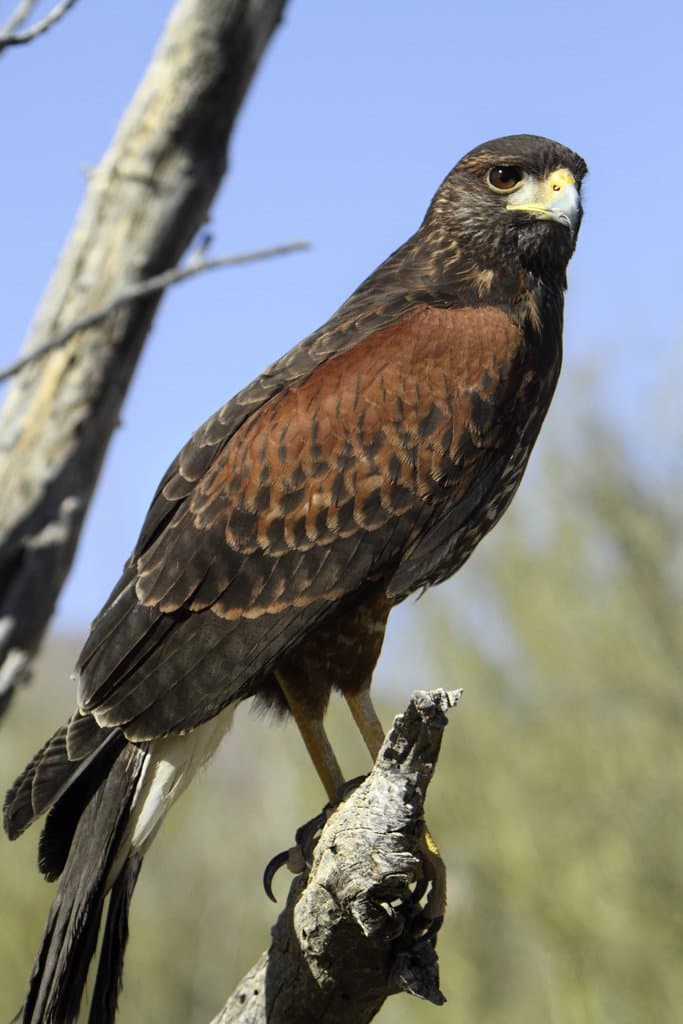 Harris's HawkParabuteo unicinctusA dark brown hawk of the Americas' dry lands, nicknamed the "wolf of the sky" because family groups hunt together.
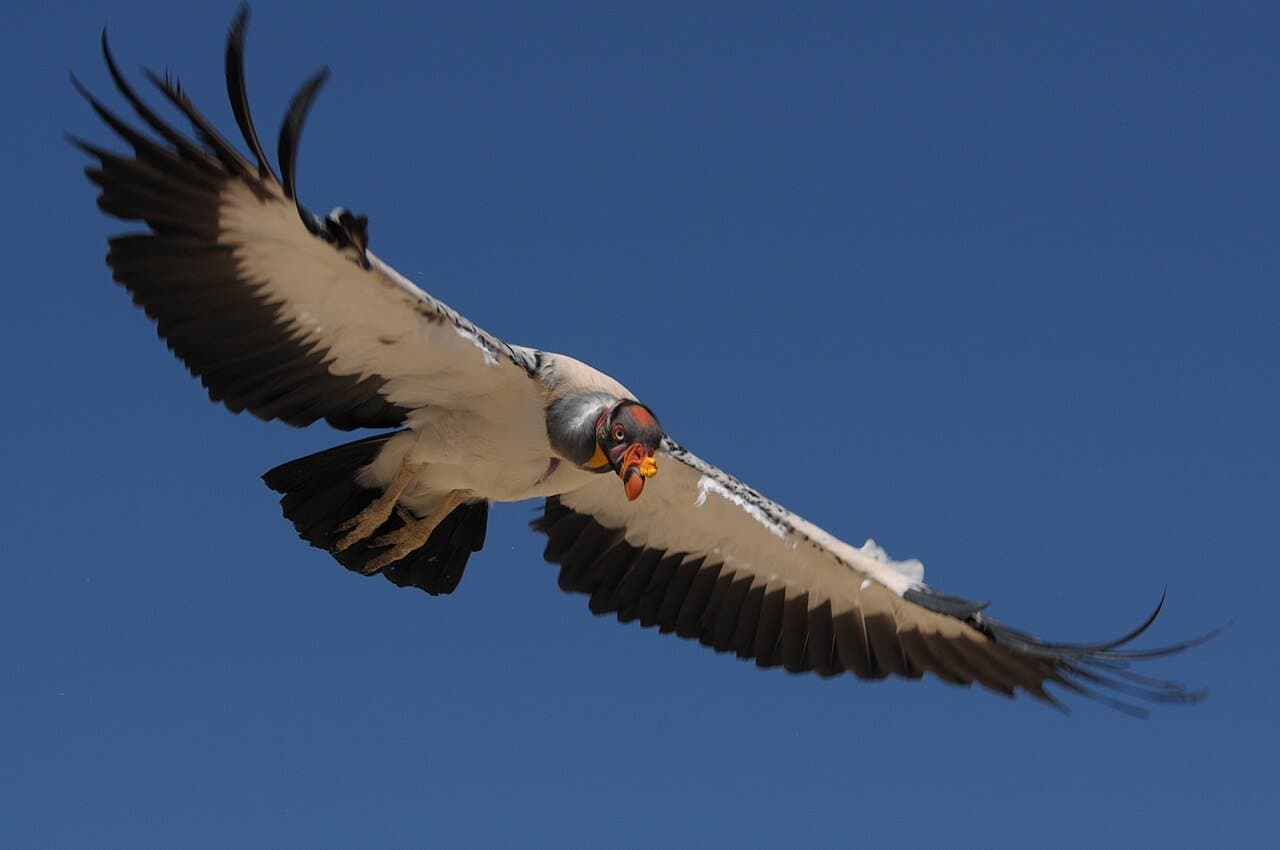 King VultureSarcoramphus papaA large black-and-white vulture of tropical forests from Mexico to Argentina with a brightly colored head.
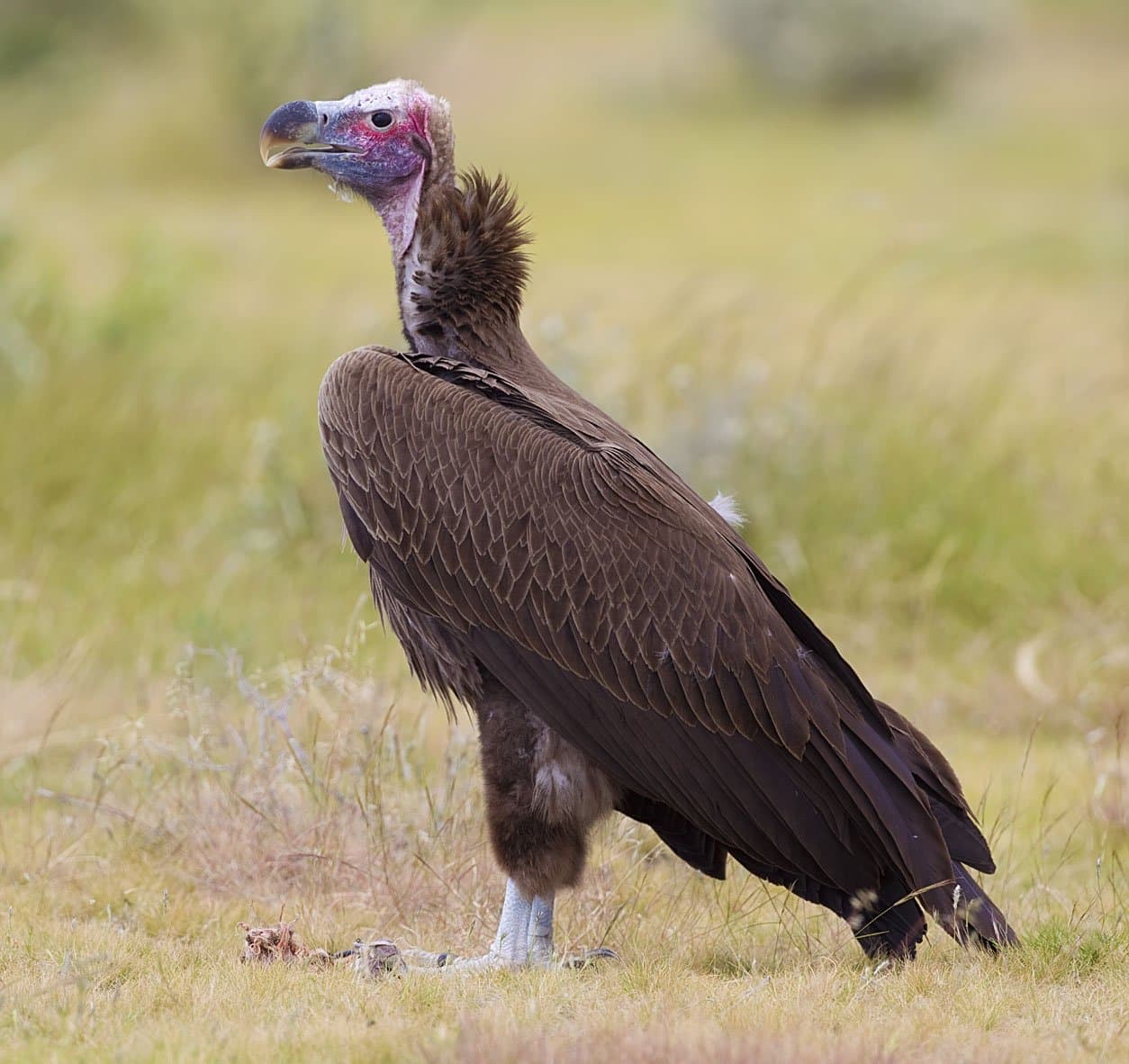 Lappet-Faced VultureTorgos tracheliotosAfrica's largest vulture, an endangered scavenger whose strong beak opens carcasses for other vultures.