
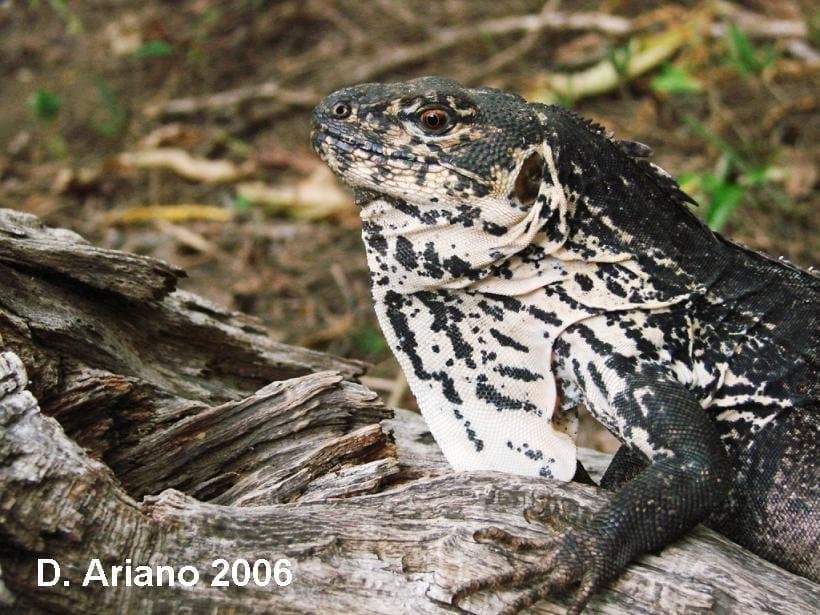
Motagua Spiny-Tailed Iguana
Ctenosaura palearis
An endangered iguana found only in Guatemala's dry Motagua Valley, which blocks its hiding hole with its spiny tail.
Checking teacher reviews…
About the Motagua Spiny-Tailed Iguana
Motagua spiny-tailed iguanas live only in dry forest and thorn scrub of the Motagua Valley in southeastern Guatemala. They have slender bodies with tan, brown and black bands, and males have a big flap of skin under the chin called a dewlap. They hide in hollow cactus and tree trunks and block the entrance with their spiny tails.[1]
Quick facts
- Scientific name
- Ctenosaura palearis[1]
- Diet
- Mainly plants, especially cactus fruit; sometimes insects.[1]
- Habitat
- Dry forest and thorn scrub up to almost 3,000 feet.[1]
- Where it lives
- Only the Motagua Valley of southeastern Guatemala.[1]
- Group life
- Active by day. Spends time both on the ground and in trees.[1]
- Babies
- Eggs hatch about 90 days after laying. No parental care.[1]
- Conservation status
- Endangered (IUCN Red List, assessed 2018).[2]
Fun facts
Vocabulary
- dewlap
- A flap of skin under the chin.
- keystone species
- A species that many other living things in its ecosystem depend on.
- semi-arboreal
- Spending part of the time in trees.
- thorn scrub
- Dry land covered with spiny bushes and cactus.
- endangered
- A conservation label meaning a species faces a very high risk of dying out in the wild.
See it in person
- San Francisco Zoo & GardensSan Francisco, California · ReptilesSee this animal on the zoo's website ↗
Sources
- [1] San Francisco Zoo & Gardens. “Motagua spiny-tailed iguana.” https://www.sfzoo.org/honduran-spiny-tailed-iguana/ (accessed 2026-10-02)
- [2] IUCN Red List of Threatened Species. “Ctenosaura palearis (Motagua Spiny-tailed Iguana).” https://www.iucnredlist.org/species/44192/129419077 (accessed 2026-10-02)
Facts last checked 2026-10-02.
More Lizards
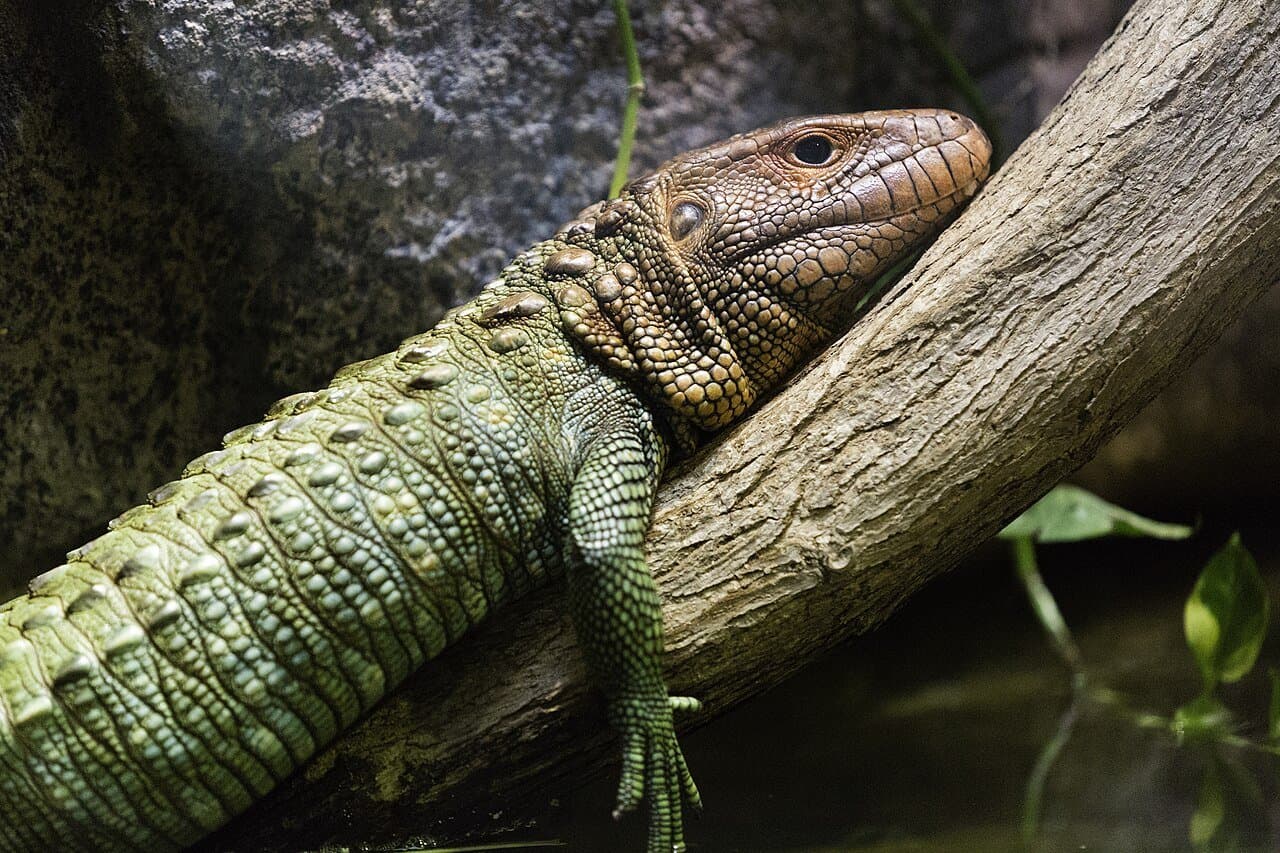 Caiman LizardDracaena guianensisA green, red-headed South American lizard with crocodile-like scales that swims well and crushes snails with its strong jaws.
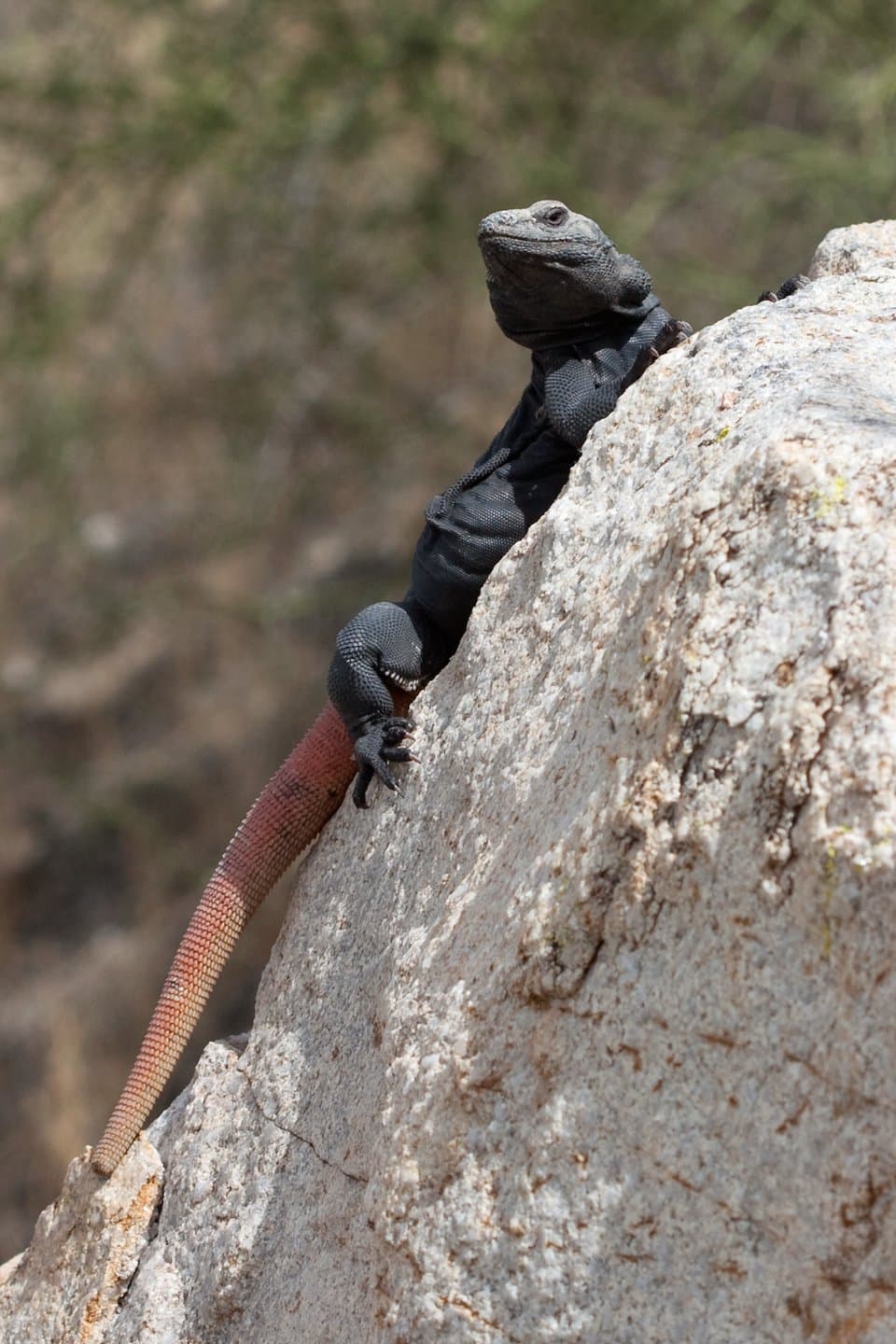 Common ChuckwallaSauromalus aterA chunky desert lizard of the American Southwest that wedges itself into rock cracks by puffing up its body.
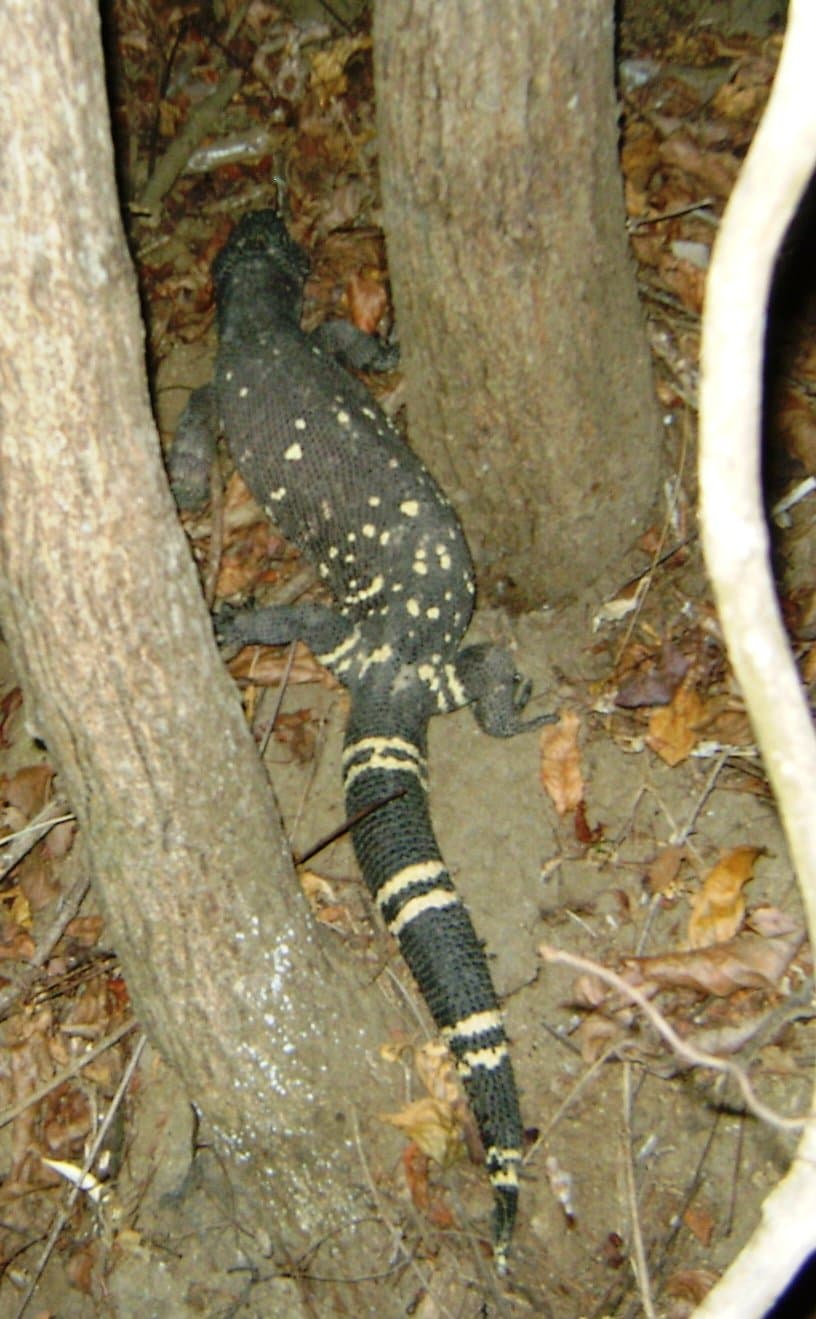 Guatemalan Beaded LizardHeloderma charlesbogertiAn endangered venomous lizard that lives only in one dry valley in eastern Guatemala and helped lead to a diabetes medicine.
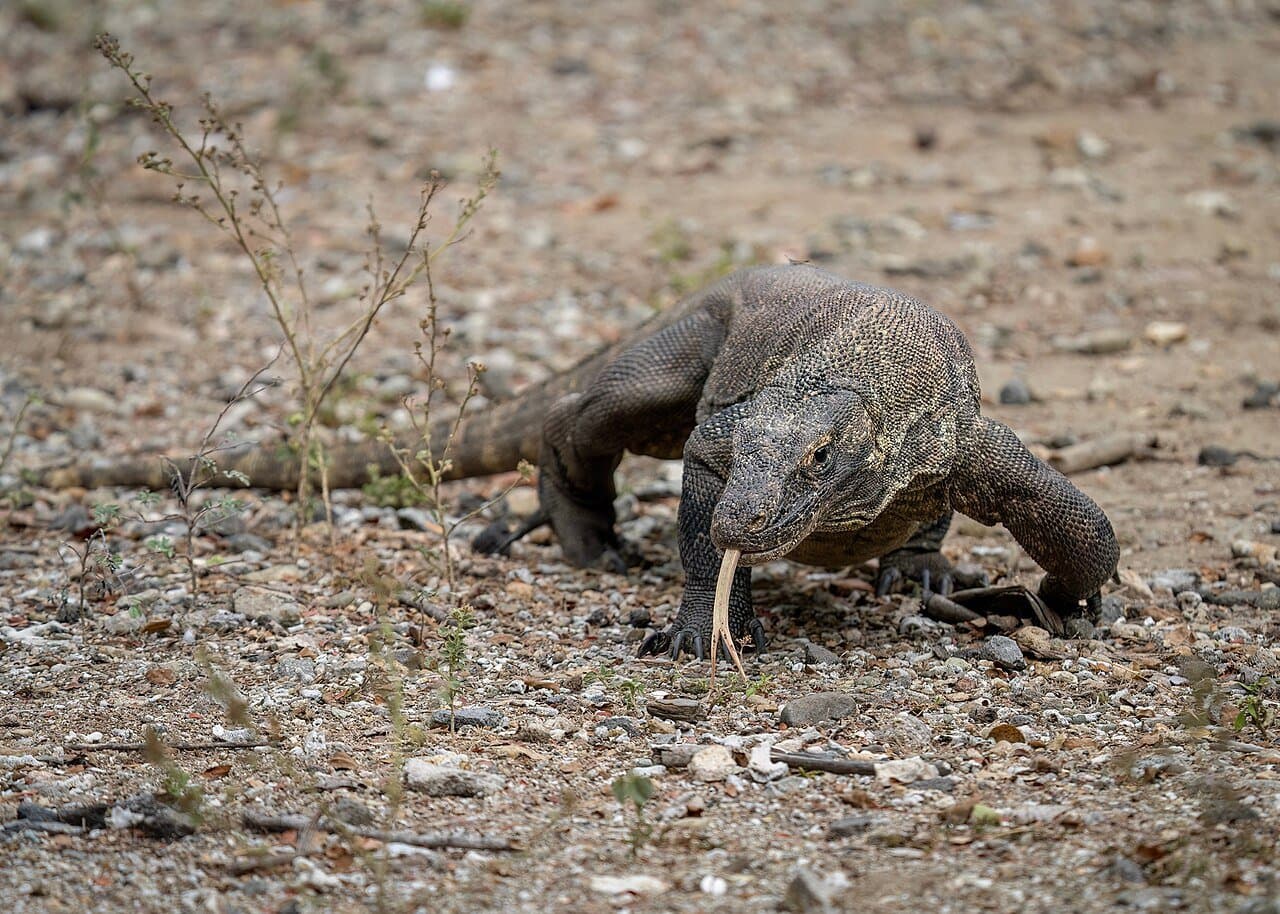 Komodo DragonVaranus komodoensisThe largest living lizard, a venomous predator found only on a few Indonesian islands that can smell food miles away.
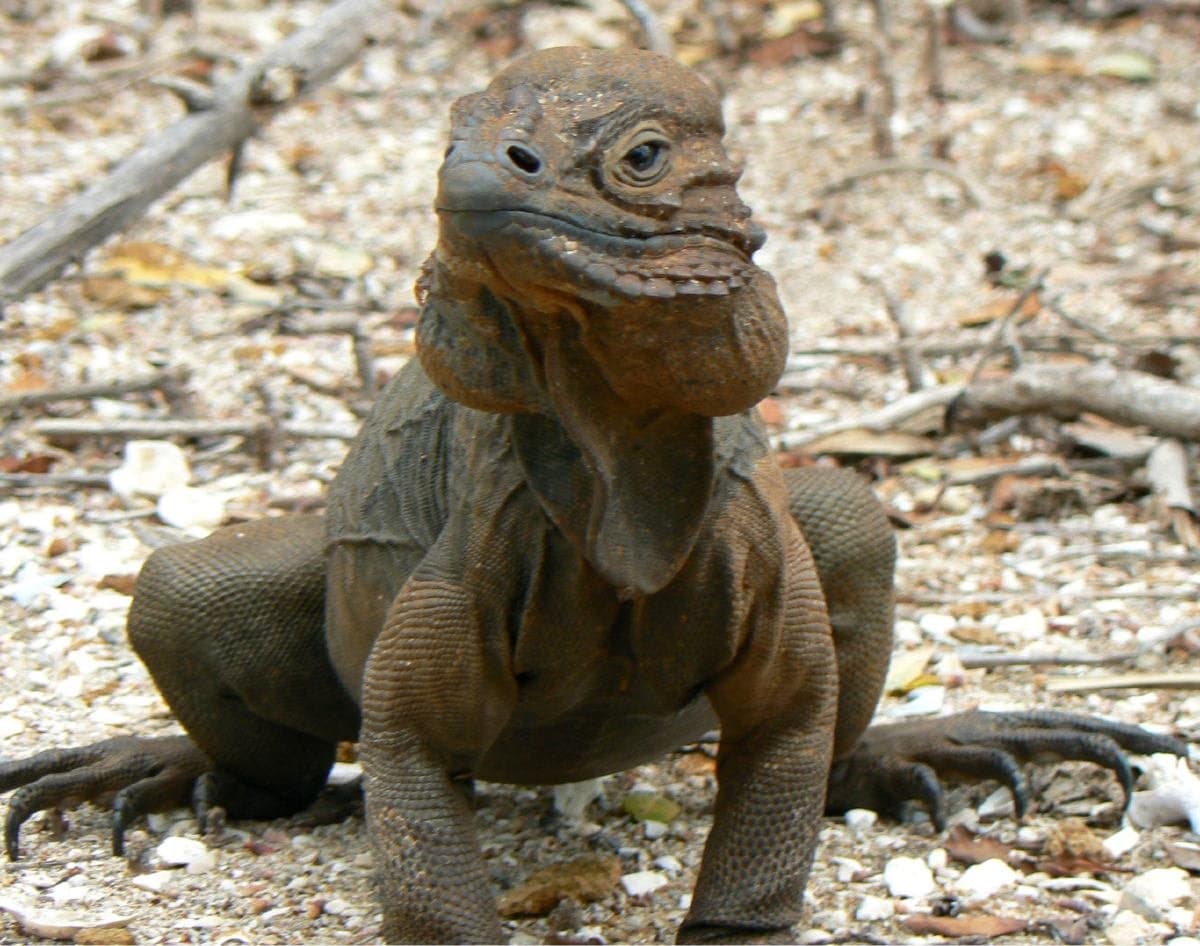 Rhinoceros IguanaCyclura cornutaAn endangered plant-eating lizard found only on the Caribbean island of Hispaniola, named for the horn-like scales on its snout.
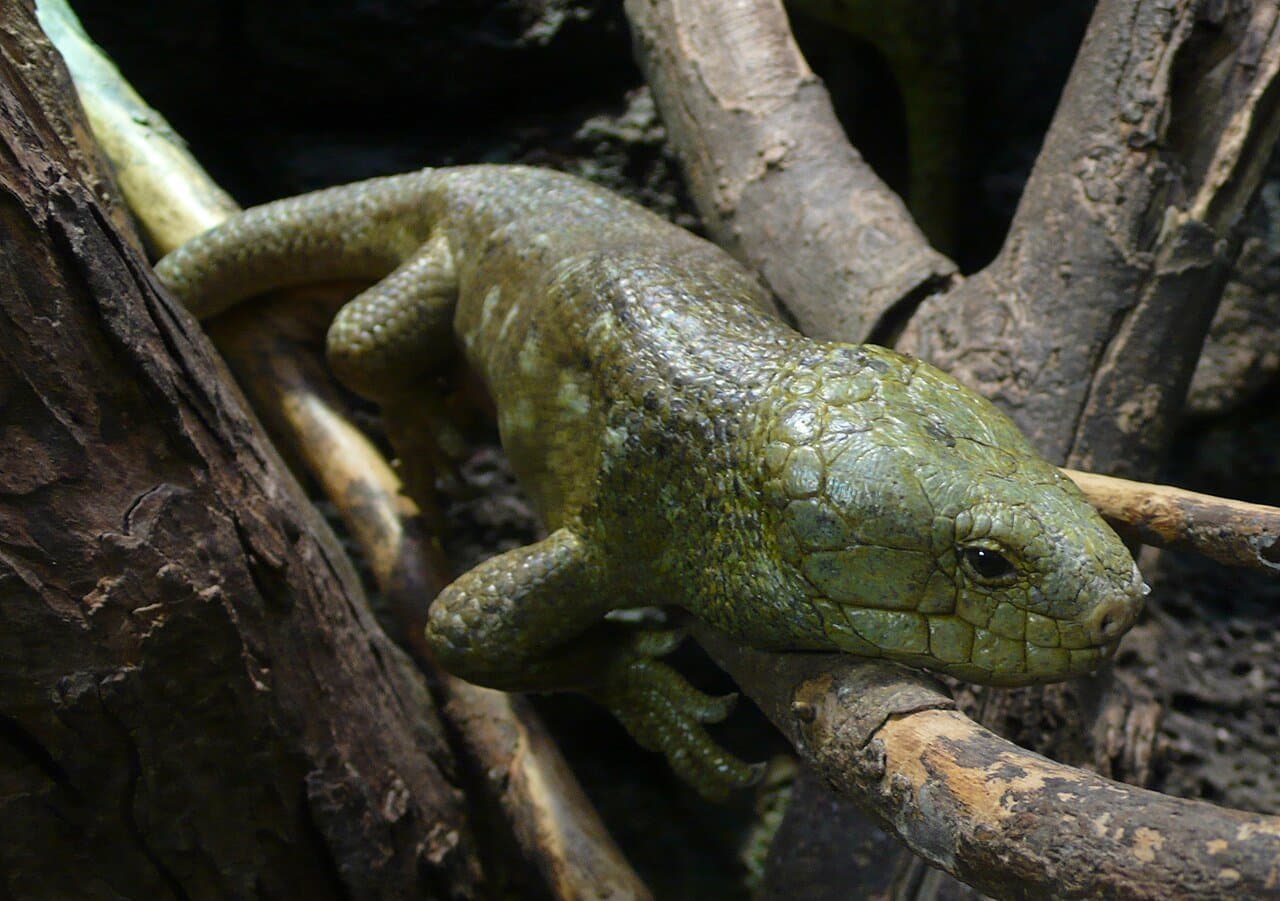 Solomon Islands SkinkCorucia zebrataThe world's largest skink, a tree-dwelling, mostly vegetarian lizard of the Solomon Islands with a tail that can grab branches.