
White-Naped Crane
Grus vipio (also called Antigone vipio)
A tall gray-and-white crane of East Asian wetlands with a red face and pink legs, famous for its dancing.
Checking teacher reviews…
About the White-Naped Crane
White-naped cranes stand about 4 feet tall and weigh about 12 pounds. They are the only cranes with pinkish legs and a gray-and-white striped neck. They nest in grassy marshes and wet meadows in Mongolia, Siberia and China, and spend winters near lakes and farmland in places like Korea, Japan and China. They dig for roots and tubers and also eat seeds, insects, frogs and rodents.[1]
Quick facts
- Size
- About 4 feet tall.[1]
- Weight
- About 12 pounds.[1]
- Lifespan
- Median about 15 years in human care; one lived to 45.[1]
- Diet
- Omnivore. Roots, tubers, seeds, insects, amphibians and rodents.[1]
- Habitat
- Grassy marshes, wet meadows and reedbeds; lakes and farmland in winter.[1]
- Where it lives
- Breeds in Mongolia, southern Siberia and China; winters in Korea, Japan and China.[1]
- Babies
- Usually two eggs, incubated 28 to 32 days by both parents.[1]
- Conservation status
- Vulnerable (IUCN Red List, assessed 2018).[2]
Fun facts
Vocabulary
- unison call
- A duet sung by a crane pair.
- nape
- The back of the neck.
- tuber
- A thick underground stem or root, like a potato.
- wetland
- Land that is covered by shallow water some or all of the time.
- vulnerable
- A conservation label meaning a species faces a high risk of dying out in the wild.
See it in person
- Omaha's Henry Doorly Zoo and AquariumOmaha, Nebraska · Asian HighlandsSee this area on the zoo's website ↗
Sources
- [1] Smithsonian's National Zoo & Conservation Biology Institute. “White-naped crane.” https://nationalzoo.si.edu/animals/white-naped-crane (accessed 2026-10-02)
- [2] IUCN Red List of Threatened Species. “Grus vipio (White-naped Crane).” https://www.iucnredlist.org/species/22692073/131927305 (accessed 2026-10-02)
Facts last checked 2026-10-02.
More Wading Birds
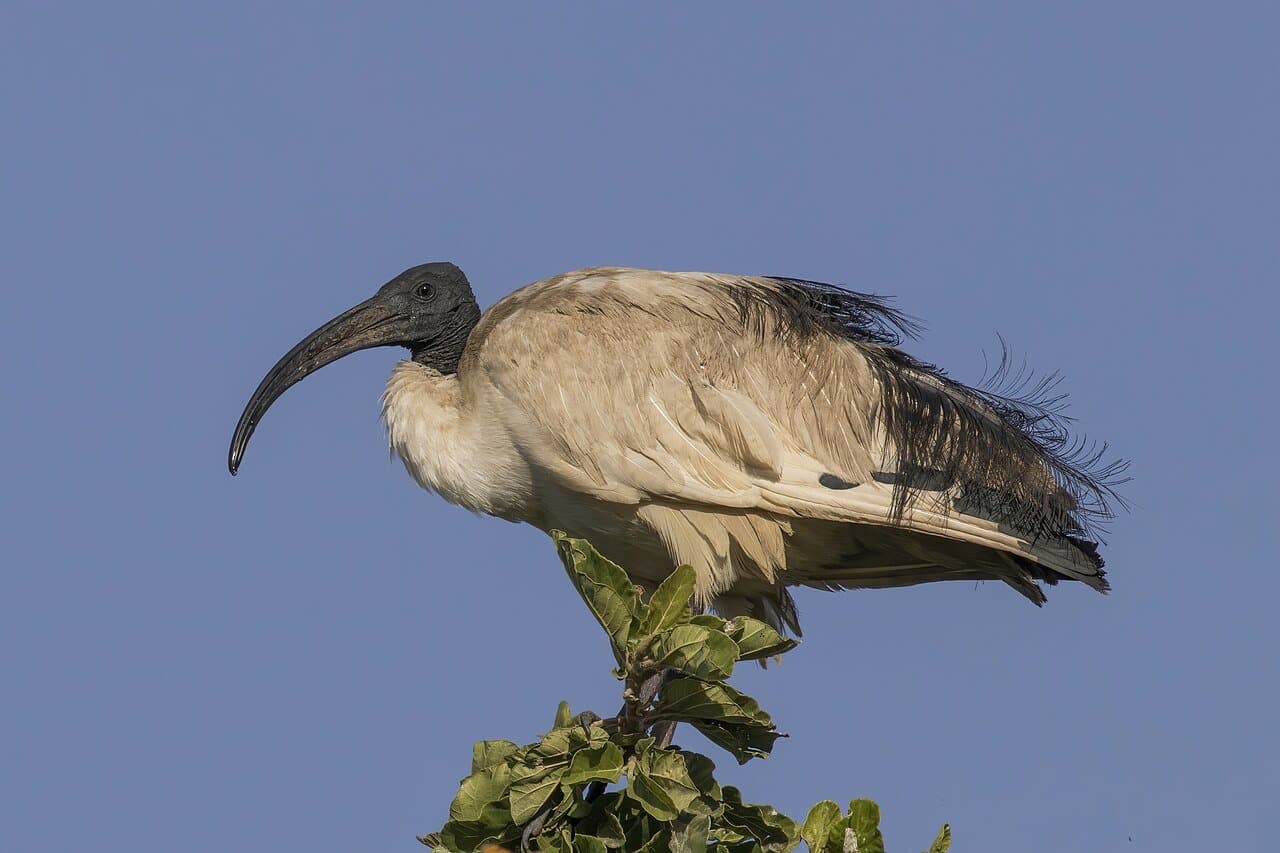 African Sacred IbisThreskiornis aethiopicusA white ibis with a black head and neck that ancient Egyptians honored as a symbol of the god Thoth.
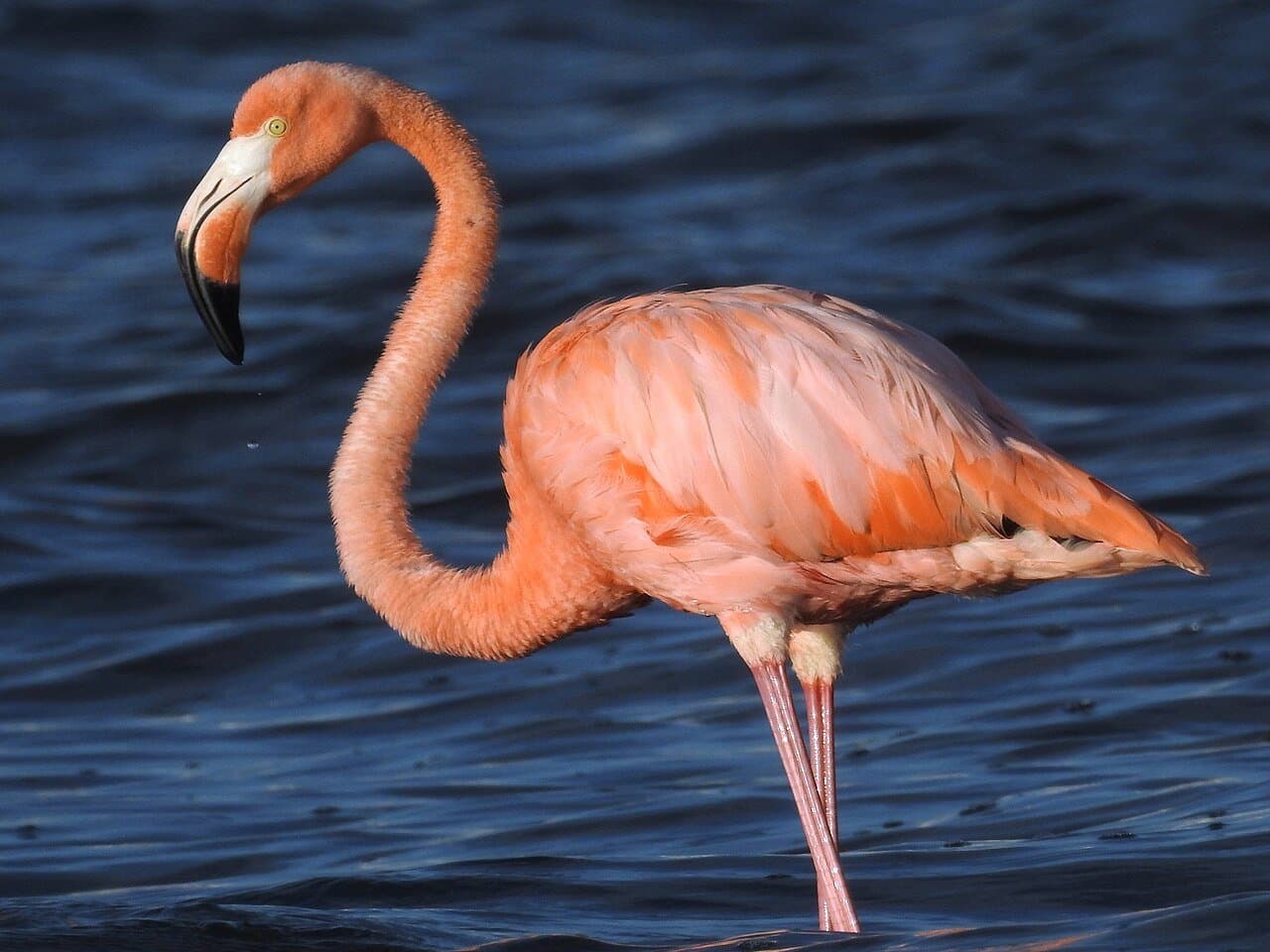 American FlamingoPhoenicopterus ruberThe brightest-colored flamingo, also called the Caribbean flamingo, that filter-feeds with its bill upside down.Black Crowned CraneBalearica pavoninaA dark West African crane with a golden crown of stiff feathers that roosts in trees and dances when it breeds.
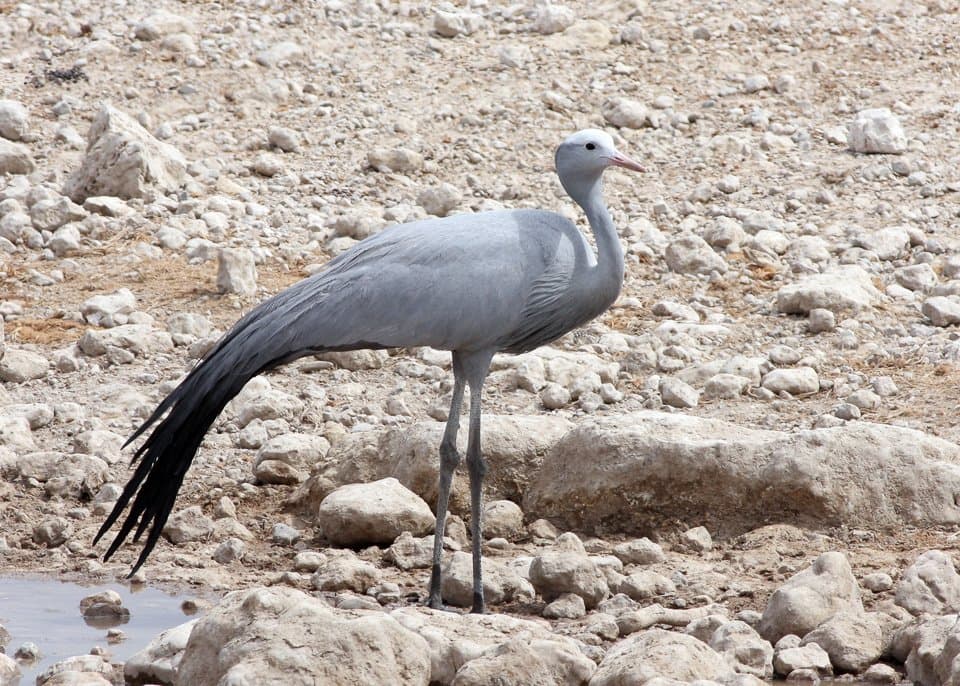 Blue CraneAnthropoides paradiseusThe national bird of South Africa, a blue-gray crane of grasslands famous for courtship dances that can last for hours.
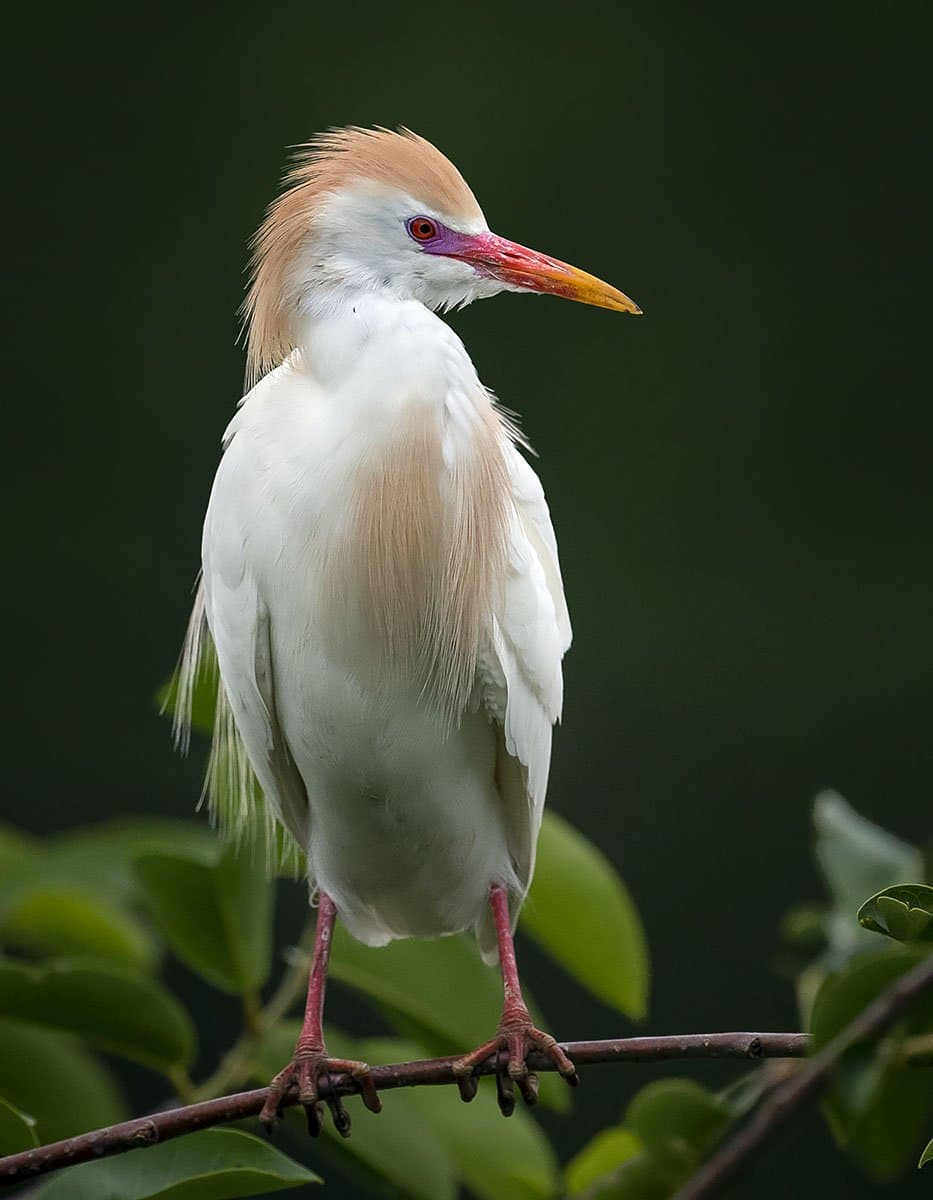 Cattle EgretBubulcus ibisA small white heron that follows grazing animals to catch the insects they stir up, and has spread from Africa around the world.
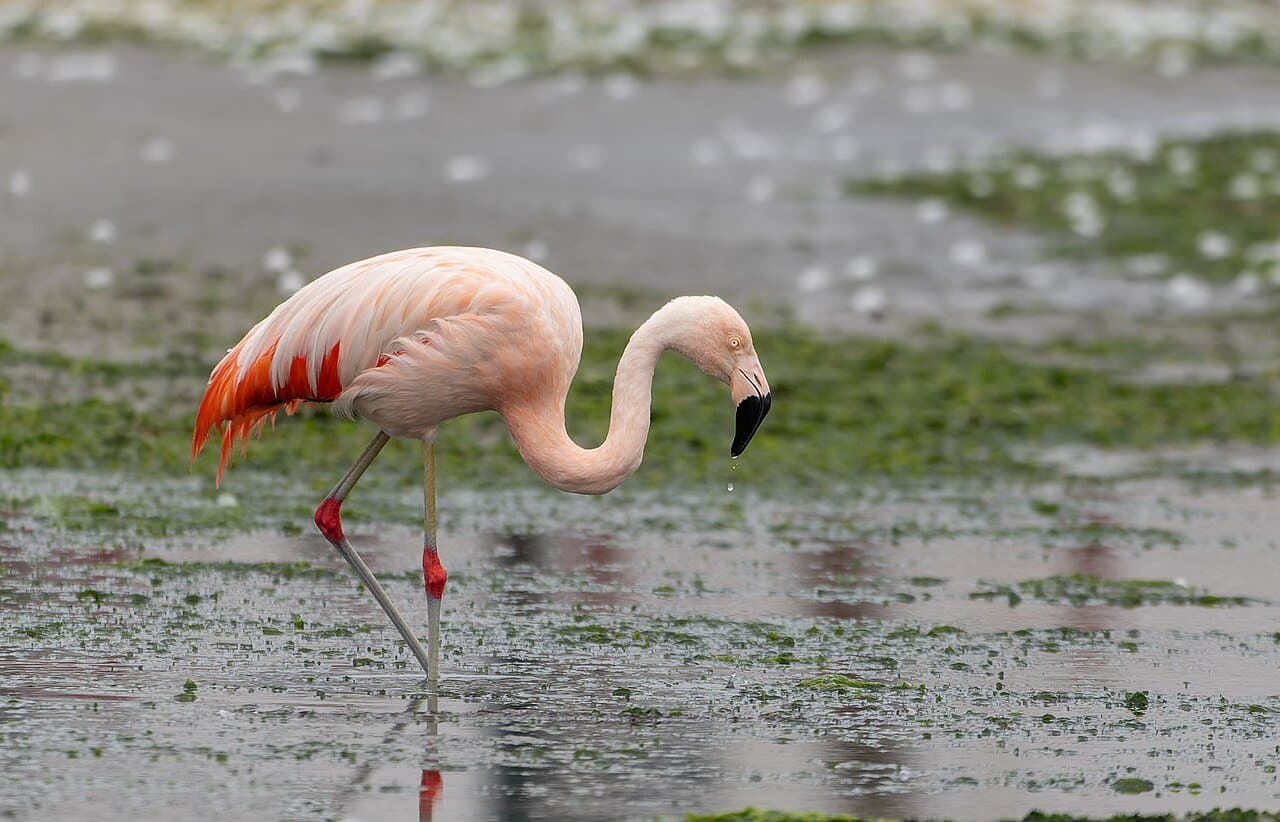 Chilean FlamingoPhoenicopterus chilensisA pink flamingo of the high, cold salt flats of the southern Andes that feeds with its head upside down.
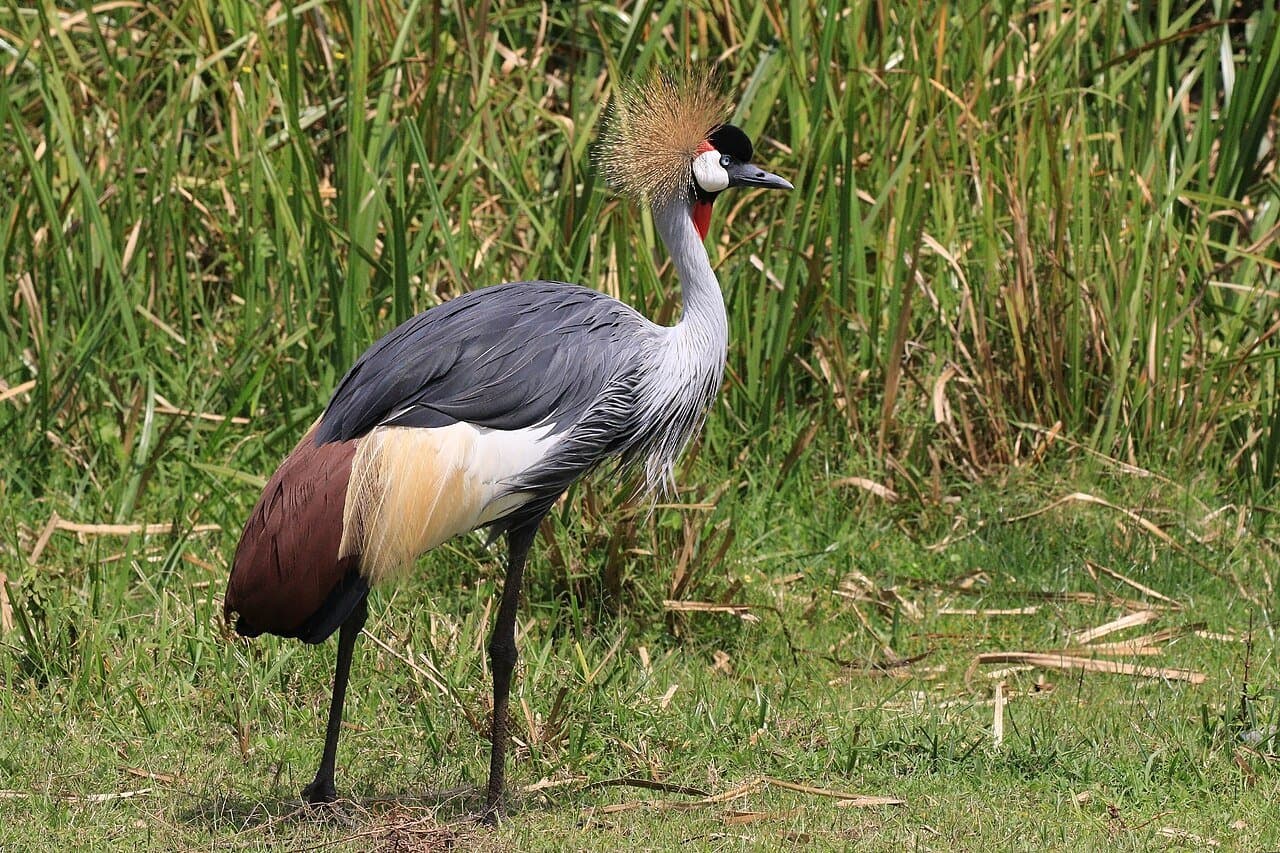 Grey Crowned CraneBalearica regulorum (East African crowned crane: B. r. gibbericeps)An endangered African crane with a crown of stiff golden feathers, shown on the flag of Uganda. Also called the East African crowned crane.Hadada IbisBostrychia hagedashA gray-brown African ibis with shiny green-purple wings, named for its loud "haa-haa-haa-de-dah" call.
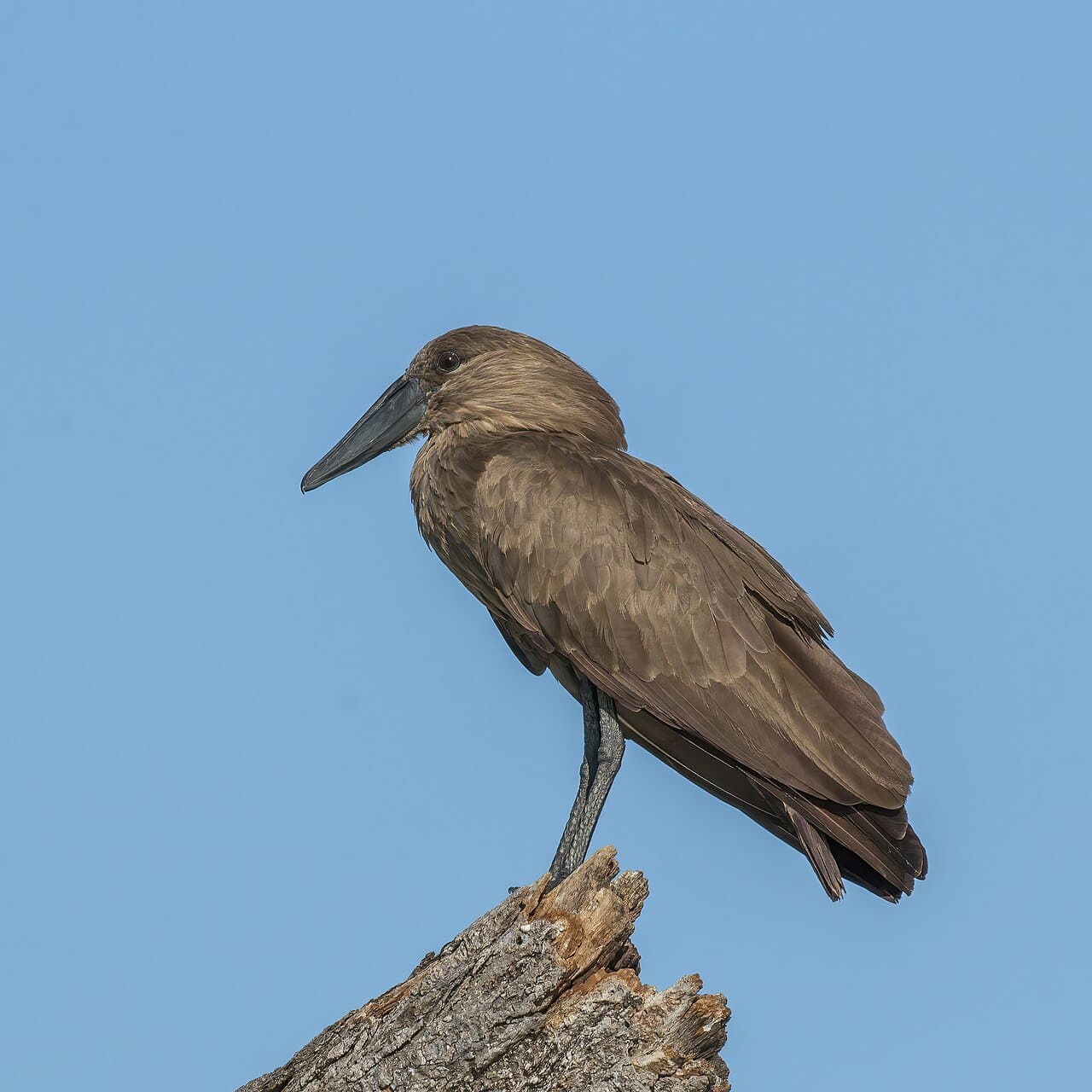 HamerkopScopus umbrettaA brown African wading bird with a hammer-shaped head that builds the biggest nest of any bird in Africa.
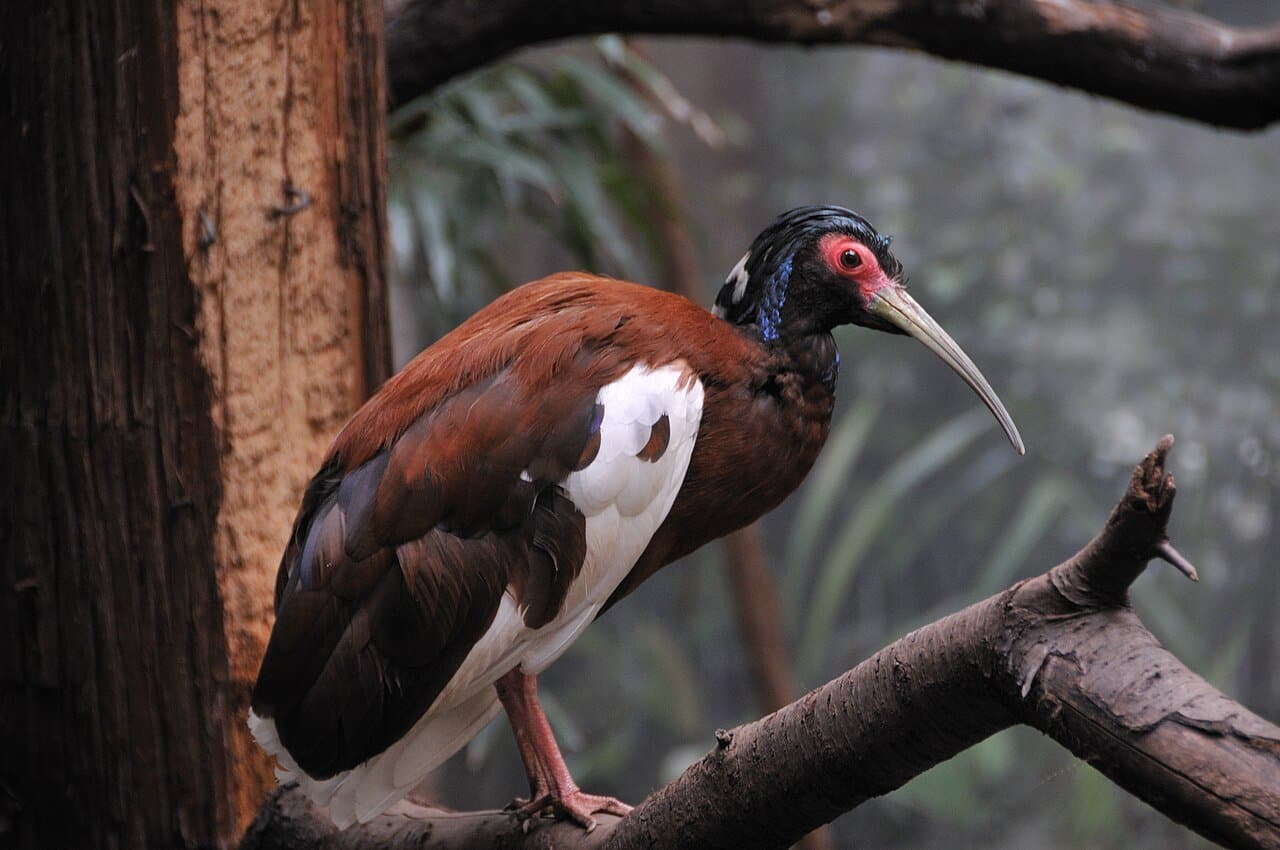 Madagascar Crested IbisLophotibis cristataA forest ibis found only on Madagascar, with a brown body, white wings and a shiny greenish-blue crest.
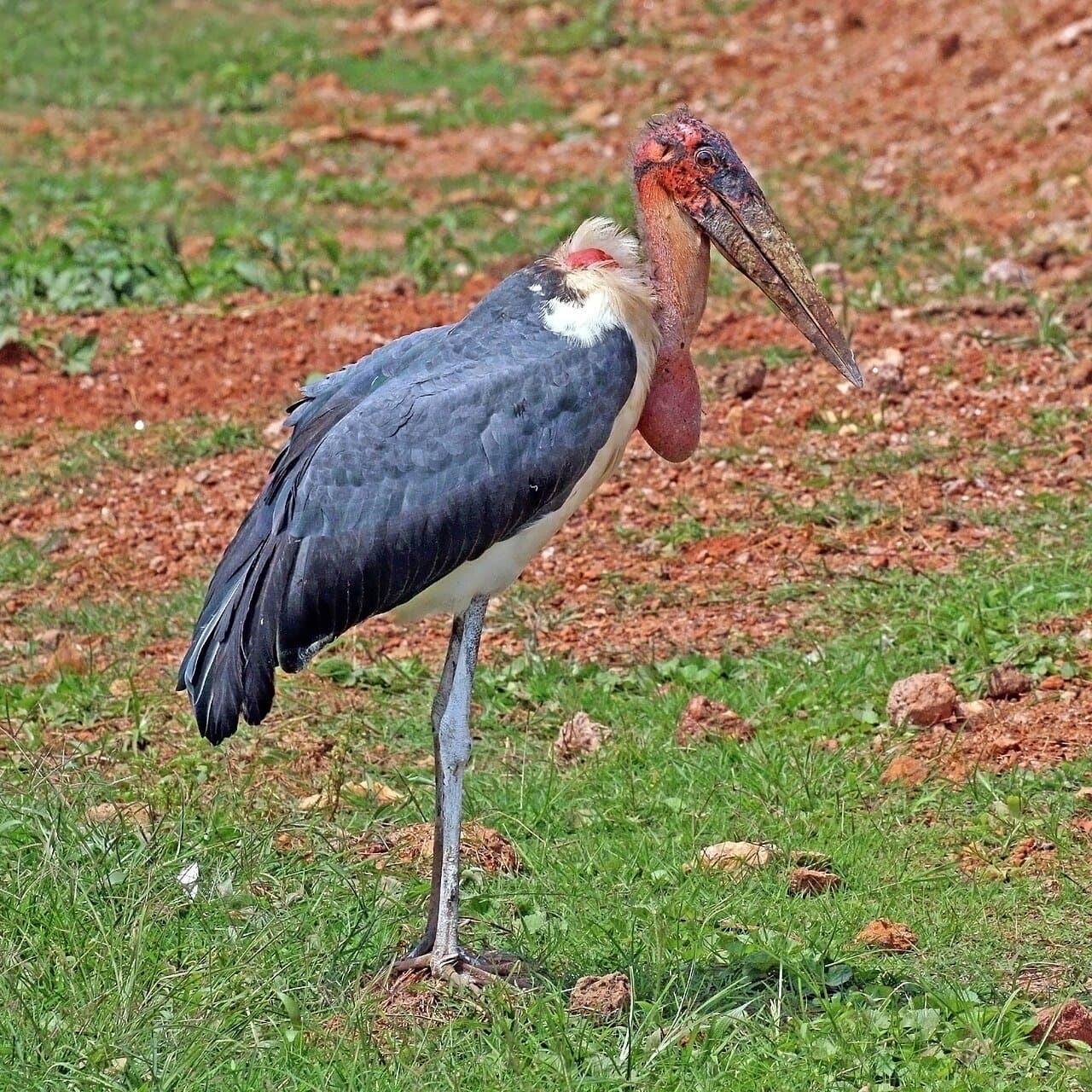 Marabou StorkLeptoptilos crumeniferA huge, bald-headed African stork that feeds mostly on dead animals and often gathers near lakes, rivers, garbage dumps and fishing villages.
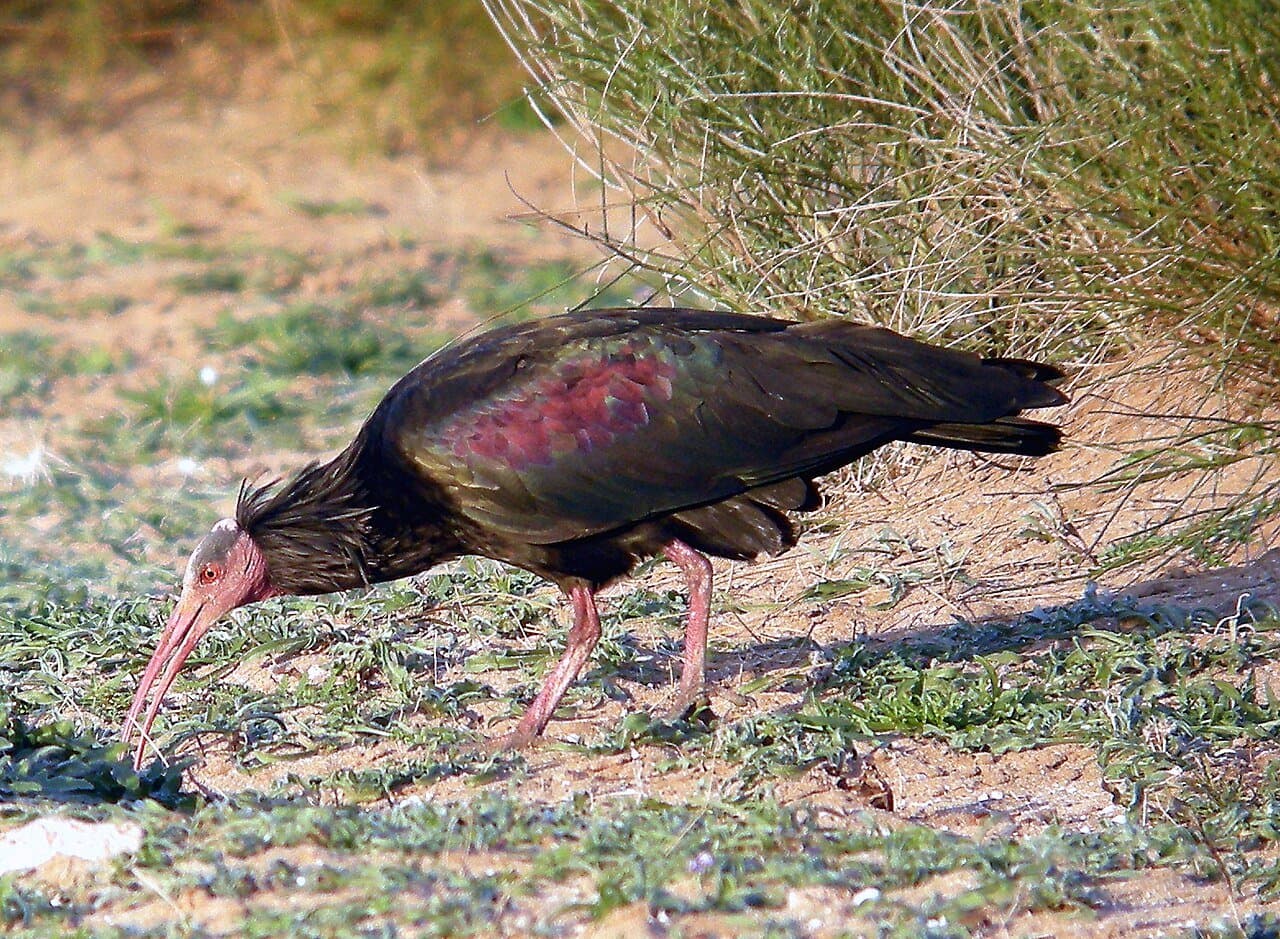 Northern Bald IbisGeronticus eremitaA glossy black ibis with a bald red head, also called the waldrapp, that was once common in Europe and is now one of the world's rarest birds.Roseate SpoonbillPlatalea ajajaA bright pink wading bird of the Americas that sweeps its spoon-shaped bill through shallow water to catch food.
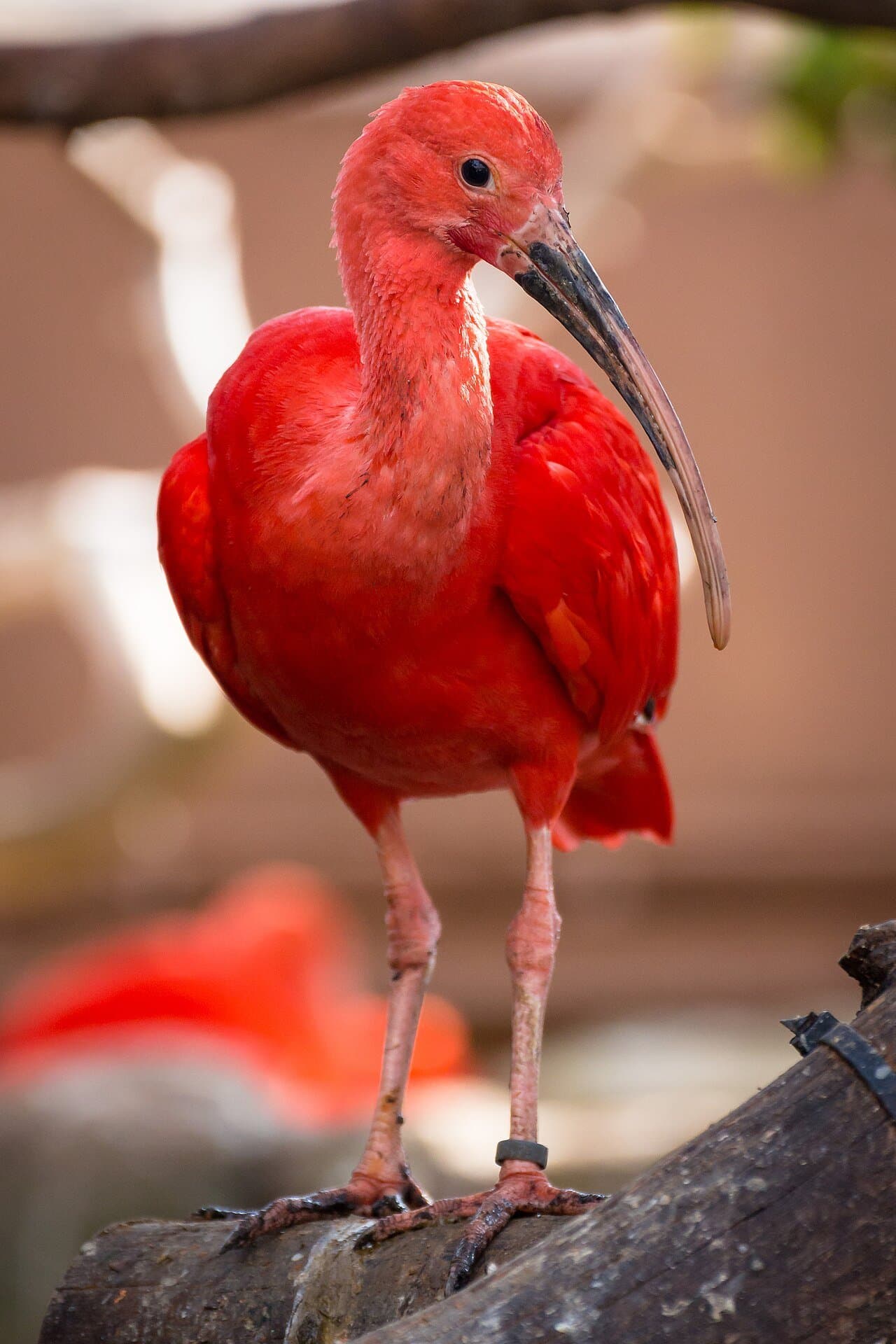 Scarlet IbisEudocimus ruberA bright red wading bird of northern South America that feeds mostly on crayfish and small crabs.Snowy EgretEgretta thulaAn all-white heron of the Americas with a black bill and bright yellow feet, famous for its lacy breeding plumes.Straw-Necked IbisThreskiornis spinicollisAn Australian ibis with straw-like neck feathers and a shiny back, nicknamed the "farmer's friend" for eating grasshoppers.
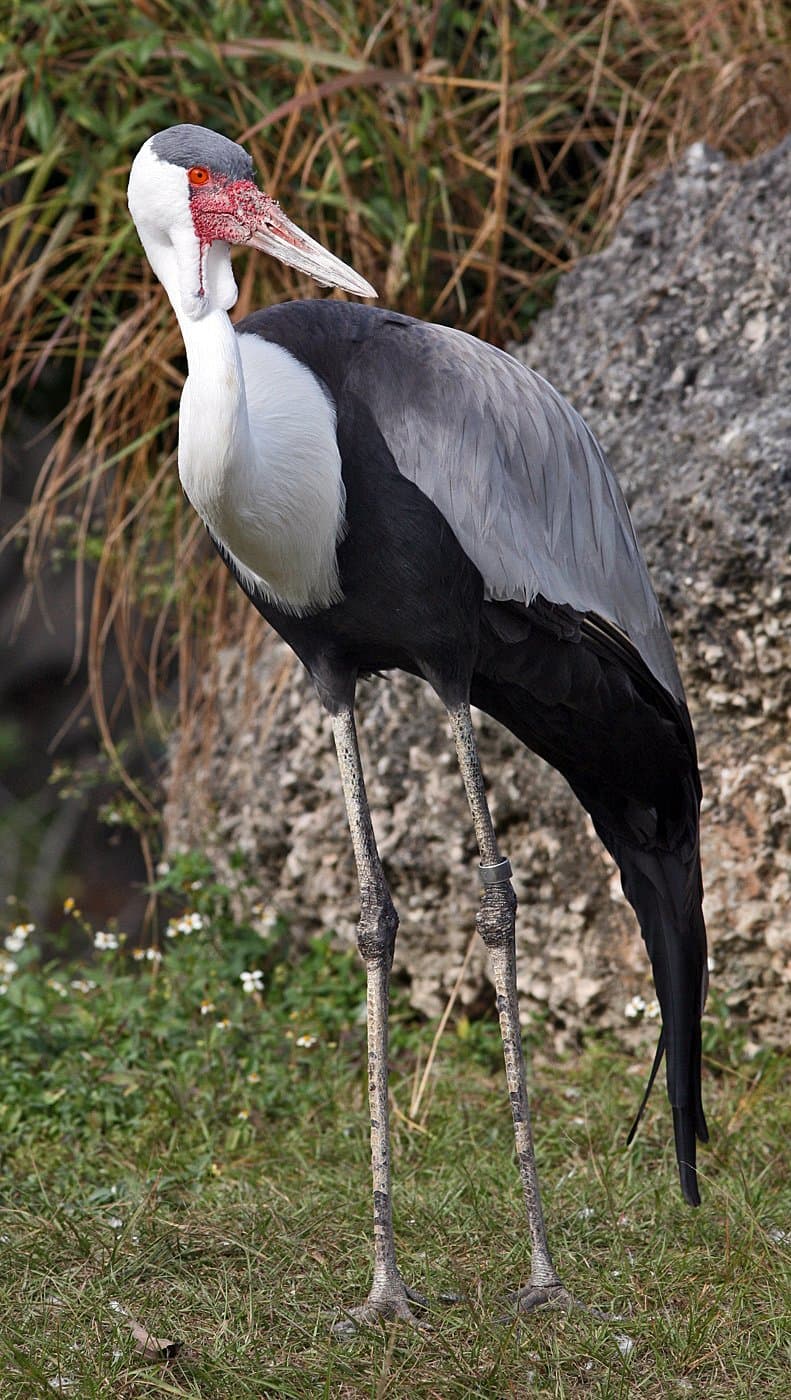 Wattled CraneBugeranus carunculatusA tall African wetland crane with flaps of skin hanging from its chin that shrink when it's nervous and lengthen when it's excited.
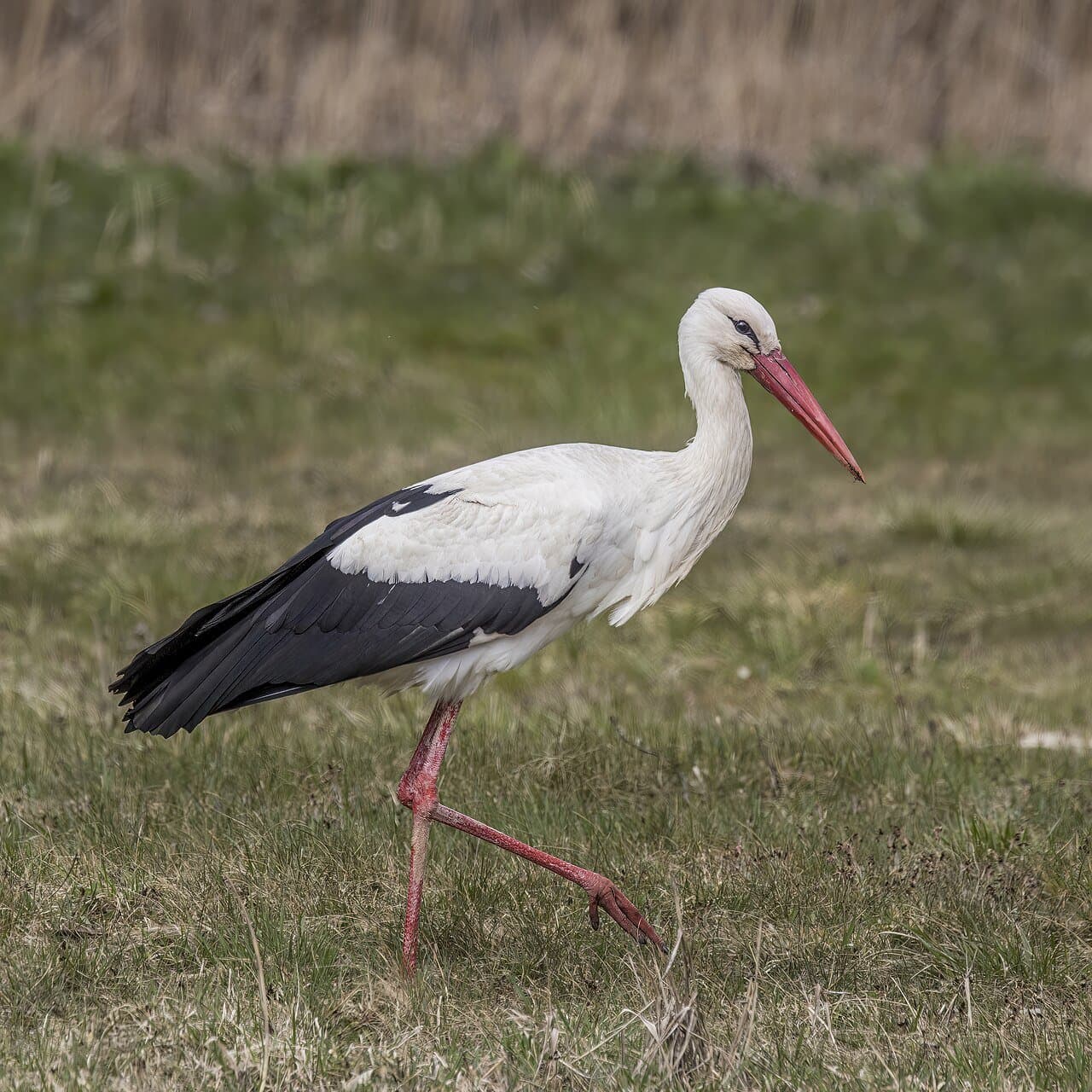 White StorkCiconia ciconiaA big white-and-black bird with a red bill that breeds in Europe, winters in Africa and inspired the story of storks delivering babies.