
Animals at Omaha's Henry Doorly Zoo and Aquarium
Every animal below can be seen at Omaha's Henry Doorly Zoo and Aquarium in Omaha, Nebraska. Use these pages to prepare for a field trip or follow up afterward.
Visit the Omaha's Henry Doorly Zoo and Aquarium website ↗Scott African Grasslands (17)
See this area on the zoo's website ↗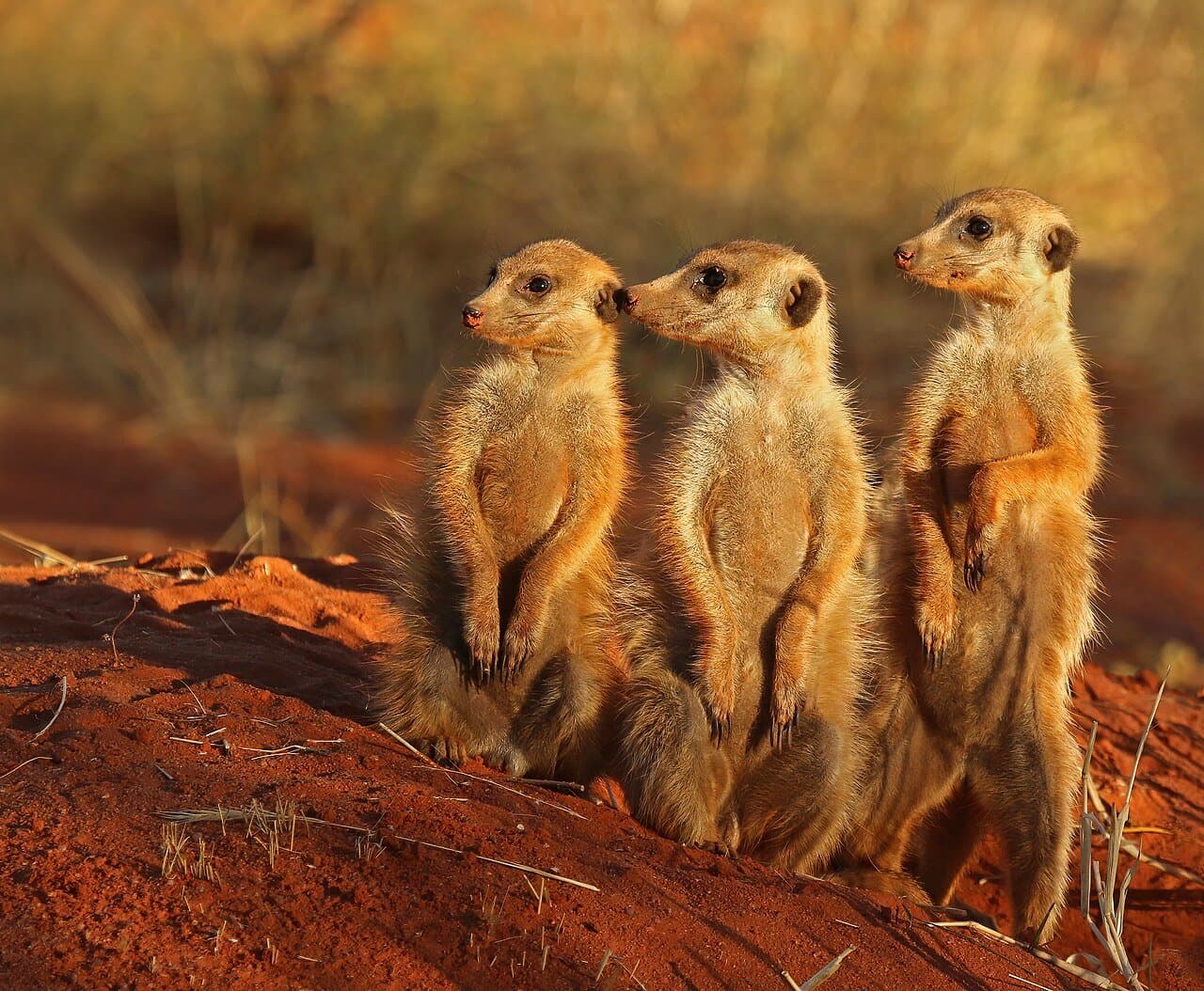 MeerkatSuricata suricattaA small, social desert mammal of southern Africa, also called the slender-tailed meerkat, that takes turns standing guard.KlipspringerOreotragus oreotragusA small, sure-footed African antelope that hops from rock to rock on tiny hooves the size of a dime.Rock HyraxProcavia capensisA small, furry African animal that looks like a rodent but is actually a distant relative of elephants.Kenya Crested GuineafowlGuttera pucheraniA chicken-sized East African bird with white-spotted dark feathers and a curly black crest on its head.White-Throated MonitorVaranus albigularisA large, fast African monitor lizard with a pale throat and a forked tongue like a snake's.ImpalaAepyceros melampusA graceful reddish-brown African antelope whose males have long S-shaped horns.
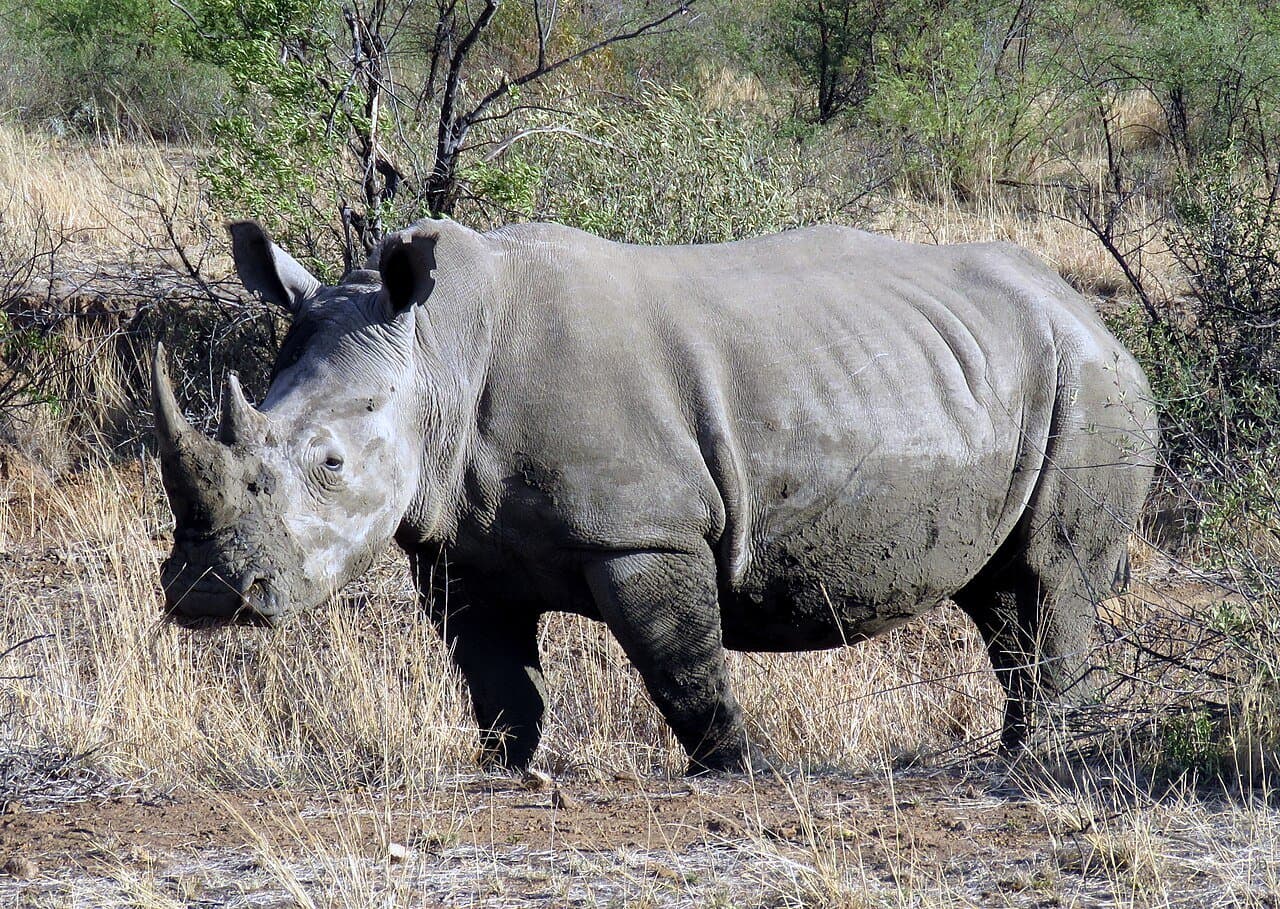 Southern White RhinocerosCeratotherium simum simumThe largest rhino, a wide-lipped grass grazer of southern Africa that came back from near extinction to about 20,000 animals.
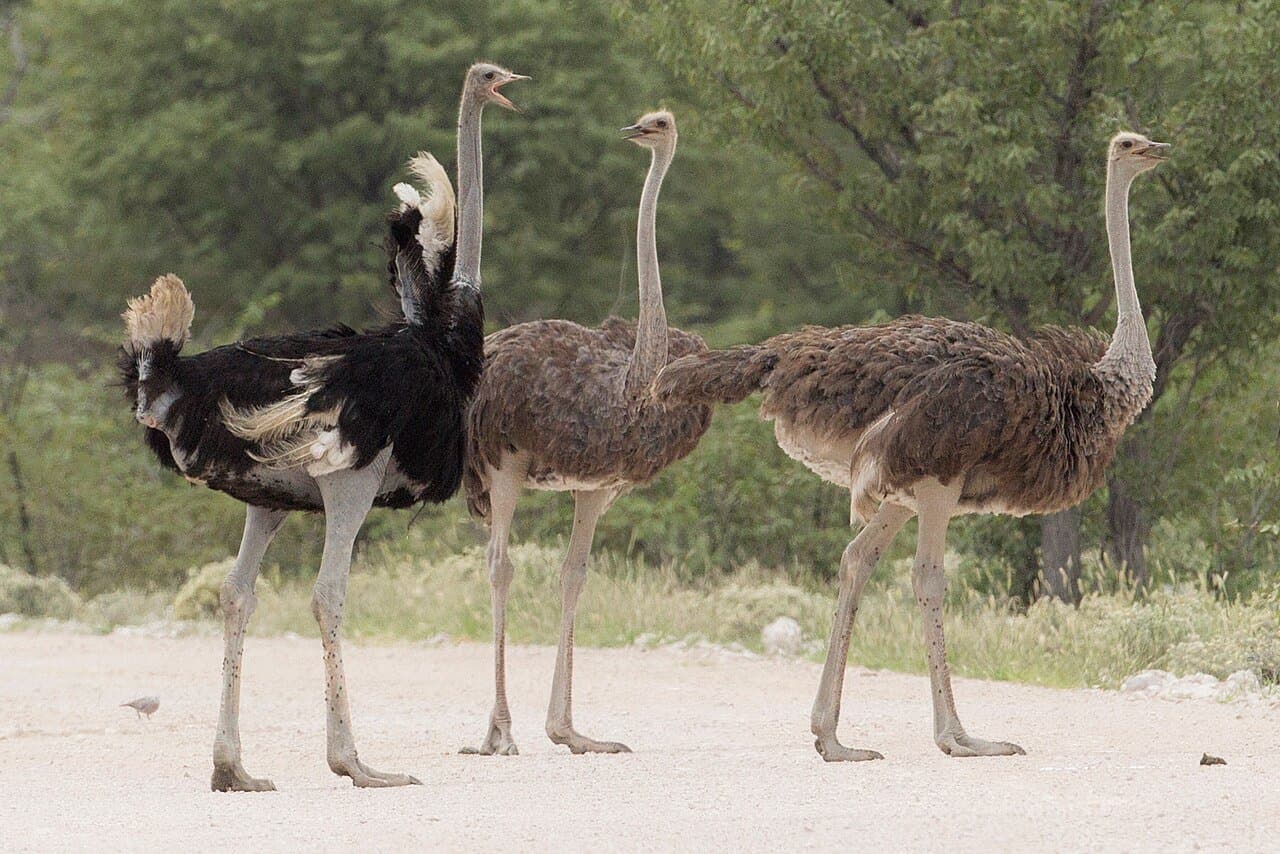 OstrichStruthio camelusThe world's largest bird, a fast-running flightless bird of African savannas that lays the largest egg on Earth.Spur-Winged GoosePlectropterus gambensisAfrica's largest waterfowl, a black-and-white goose with a sharp spur on each wing and a diet that can make it poisonous.
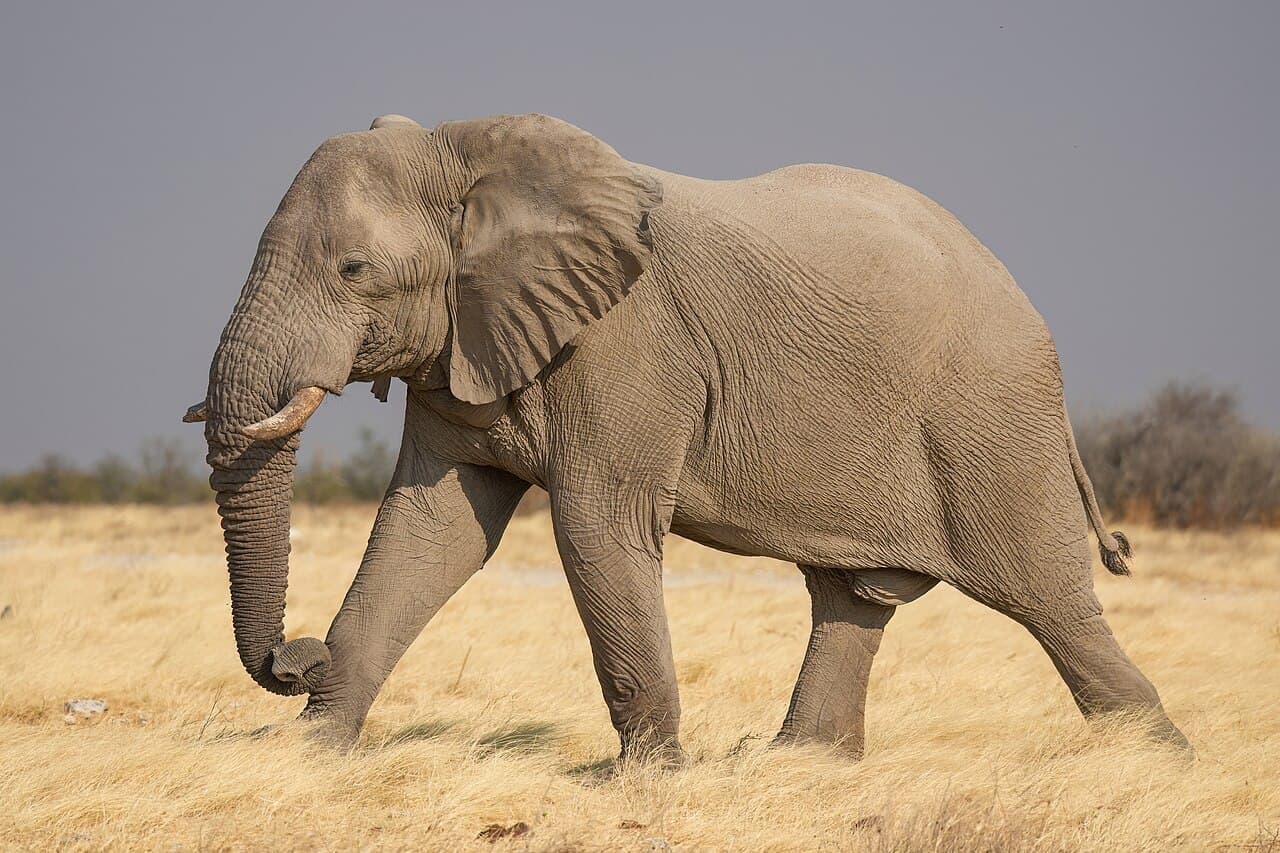 African Savanna ElephantLoxodonta africanaA huge plant-eater of Africa that lives in family herds led by an older female. African elephants are the largest mammals on land.
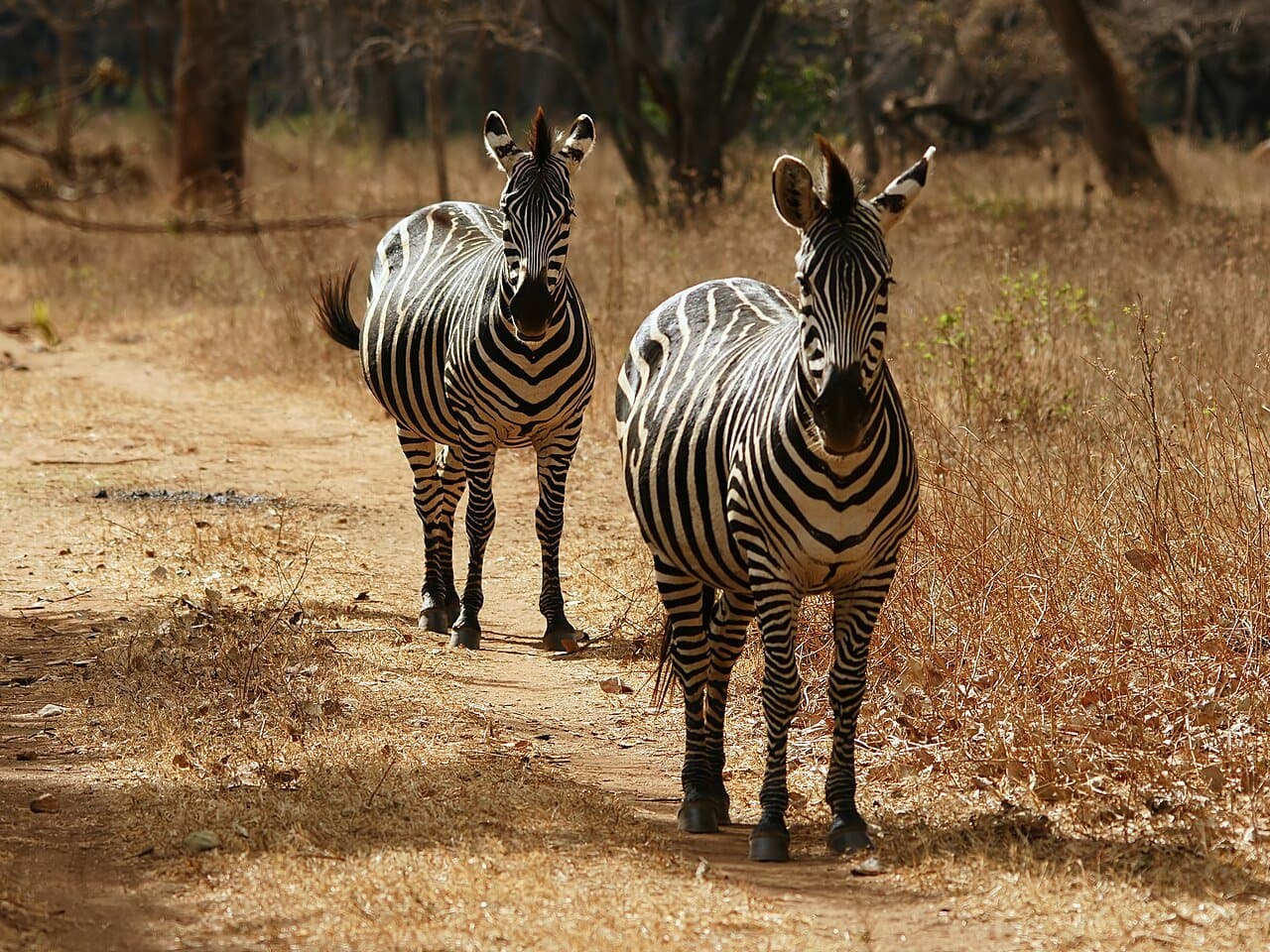 Plains ZebraEquus quagga (subspecies include Grant's zebra)The most common zebra, a grass-grazing striped horse relative of eastern and southern Africa whose stripe pattern is one-of-a-kind on every animal. Grant's zebra is one kind.
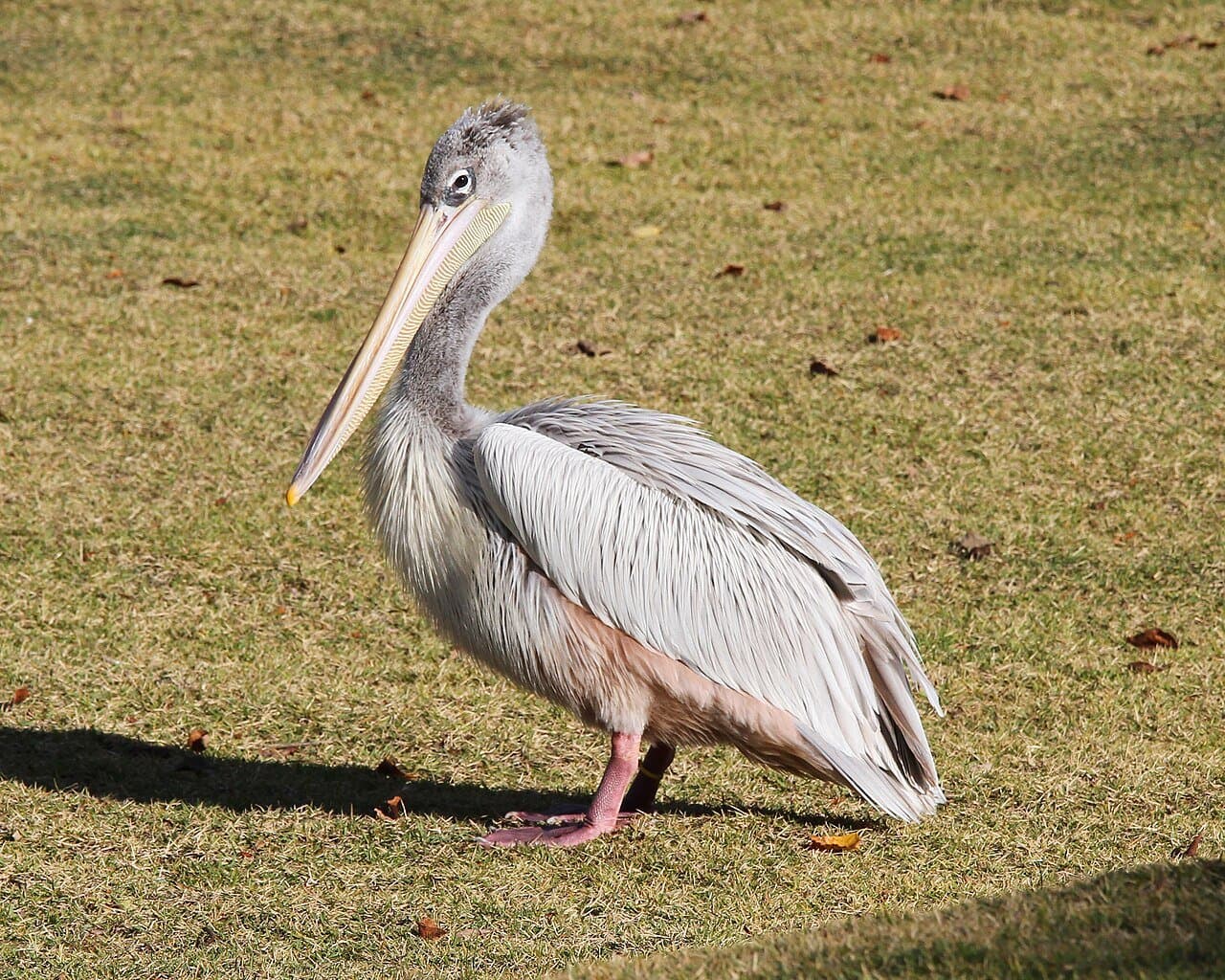 Pink-Backed PelicanPelecanus rufescensOne of the smallest pelicans, a gray African pelican with a pinkish back that nests in trees.White-Faced Whistling DuckDendrocygna viduataA long-necked duck of Africa and South America with a white face that whistles instead of quacking and often perches in trees.
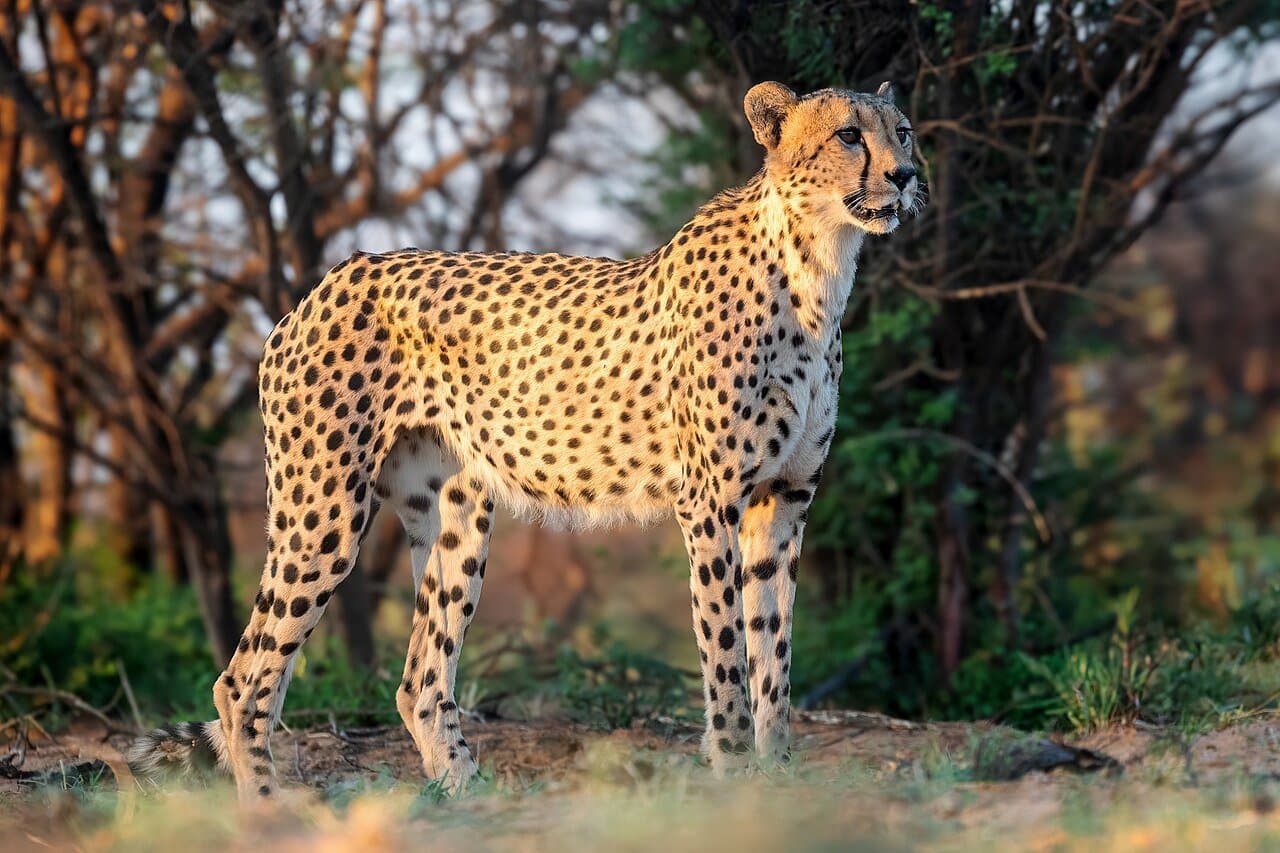 CheetahAcinonyx jubatusA slim spotted cat of African grasslands, built for speed, that can sprint 60 to 70 miles per hour.
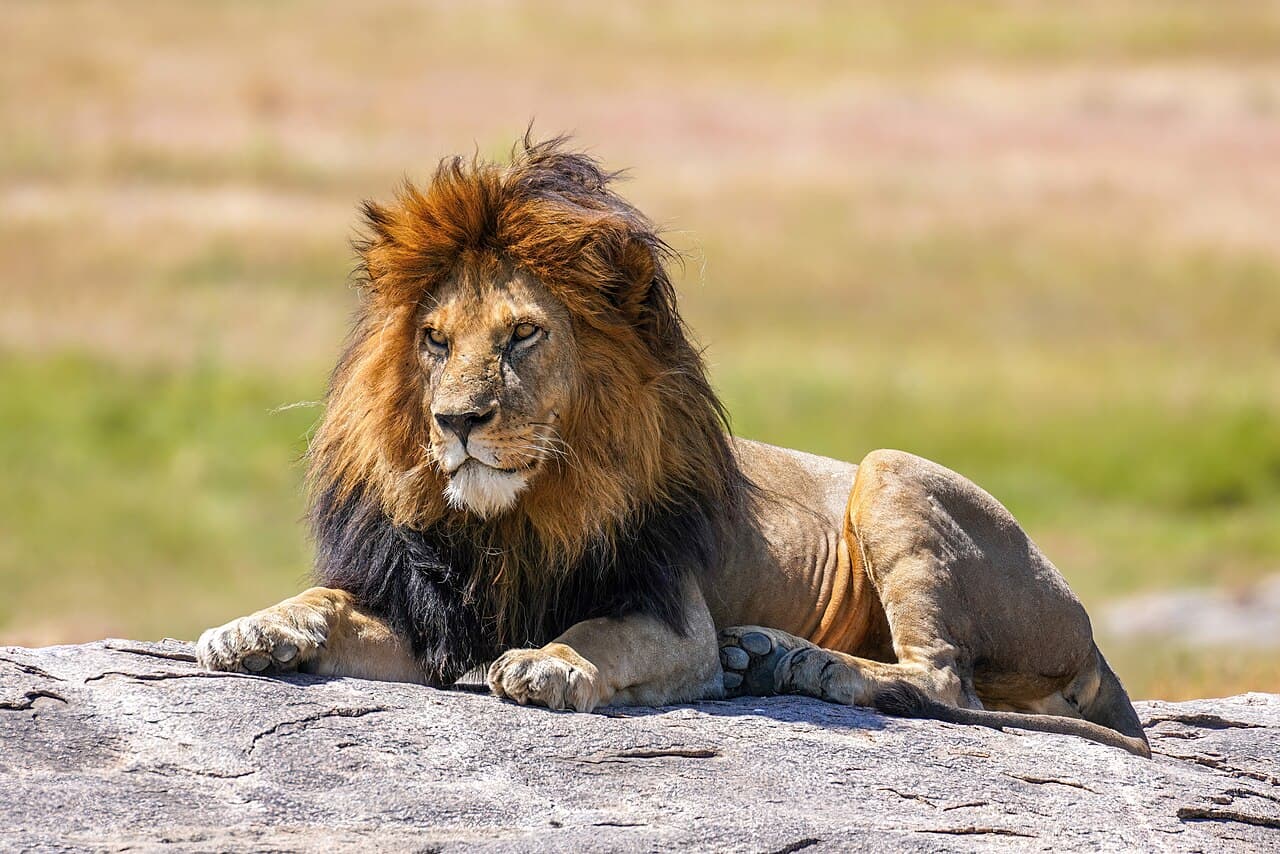 LionPanthera leoA large wild cat of the African savanna that lives in family groups called prides.Sable AntelopeHippotragus nigerA large, powerful African antelope whose black males carry huge curved horns.
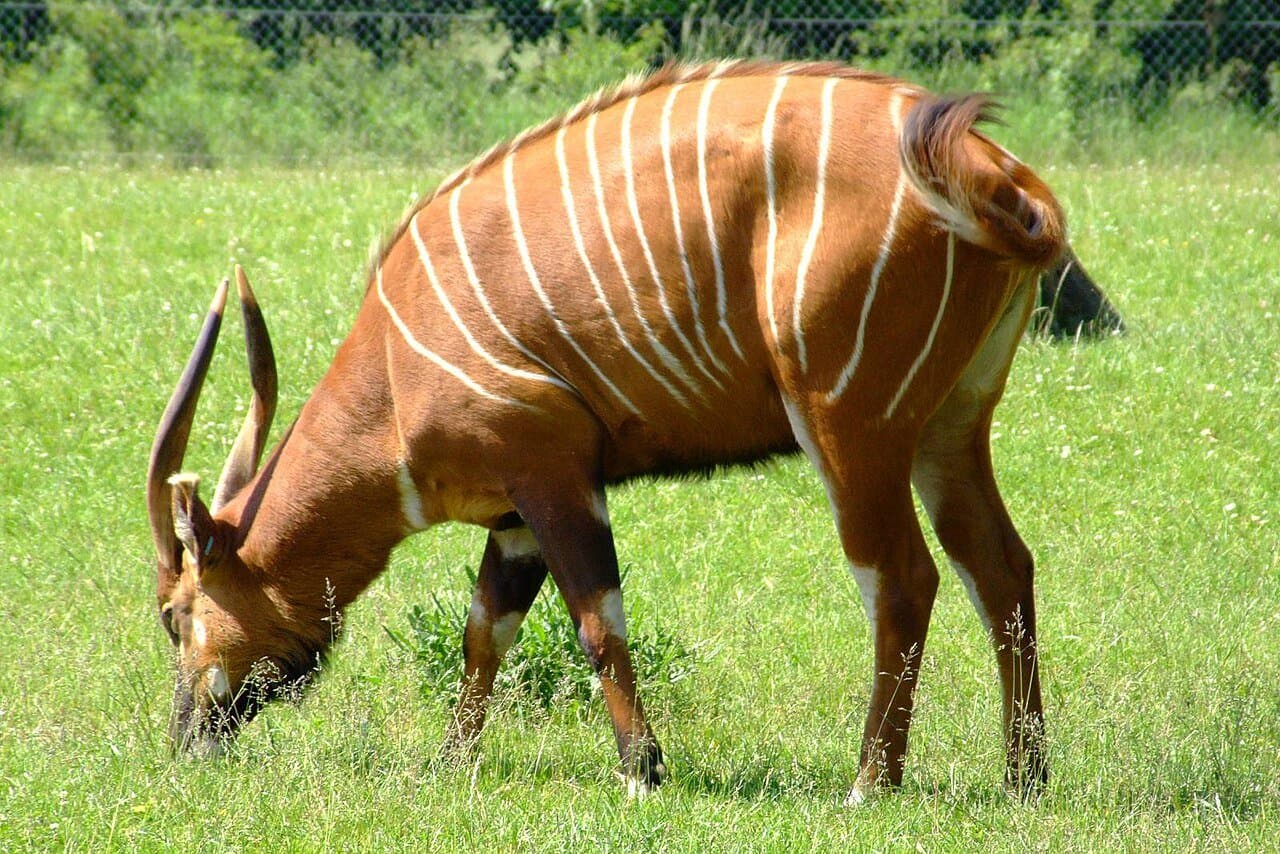 BongoTragelaphus eurycerusA large forest antelope of tropical Africa with 10 to 15 pale stripes down each side and horns up to 3 feet long.
Asian Highlands (8)
See this area on the zoo's website ↗White-Naped CraneGrus vipio (also called Antigone vipio)A tall gray-and-white crane of East Asian wetlands with a red face and pink legs, famous for its dancing.Père David's DeerElaphurus davidianusA water-loving Chinese deer that disappeared from the wild long ago and survived only in captive herds.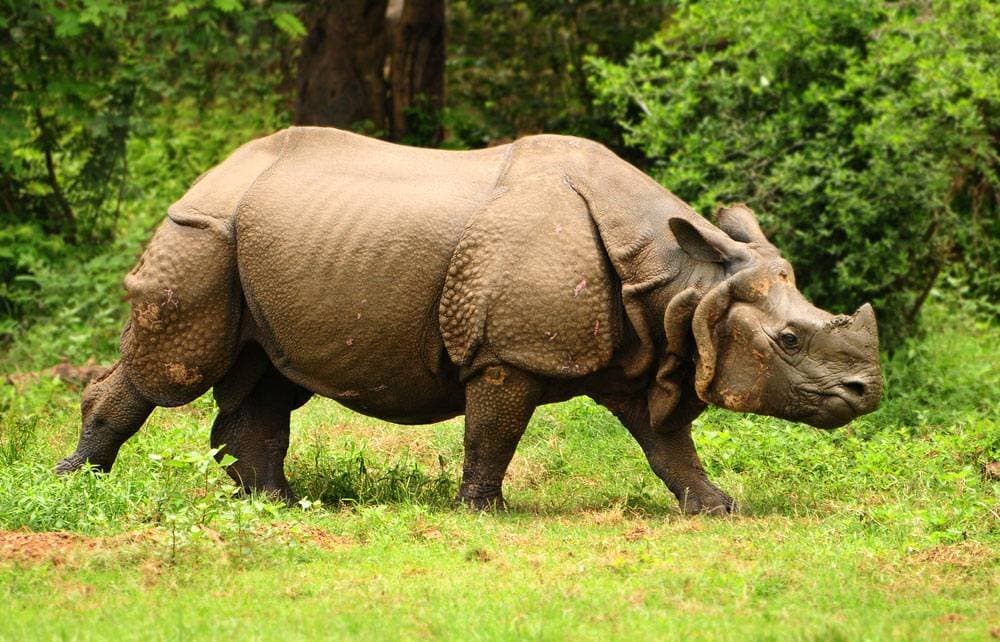 Greater One-Horned RhinocerosRhinoceros unicornisA huge, armor-looking rhino of India and Nepal with a single horn, whose numbers have recovered from about 150 animals to thousands.Tufted DeerElaphodus cephalophusA small, dark deer of Chinese mountain forests named for the tuft of hair on its forehead, which often hides the male's tiny antlers.Sloth BearMelursus ursinusA shaggy black bear of India and Sri Lanka that slurps up termites and carries its cubs on its back.Amur TigerPanthera tigris altaicaThe largest cat in the world, a pale, thick-furred tiger of the snowy forests of eastern Russia and northern China.
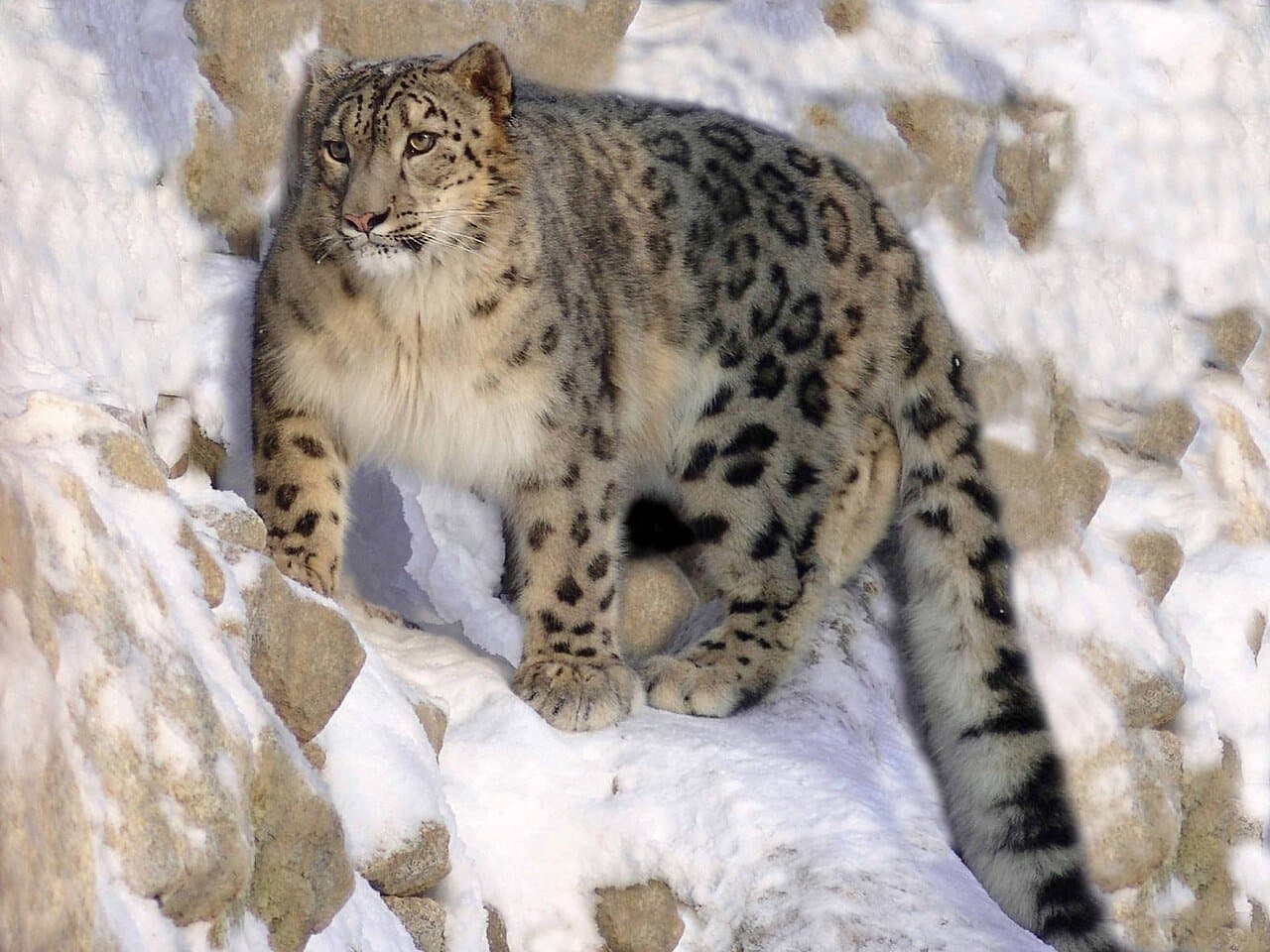 Snow LeopardPanthera unciaA smoky-gray big cat of Central Asia's high mountains with huge furry paws and a long tail it wraps around itself for warmth.TakinBudorcas taxicolorA big, shaggy Himalayan mountain animal with a moose-like nose and horns like a wildebeest, most closely related to sheep.
Greater One-Horned RhinocerosRhinoceros unicornisA huge, armor-looking rhino of India and Nepal with a single horn, whose numbers have recovered from about 150 animals to thousands.Tufted DeerElaphodus cephalophusA small, dark deer of Chinese mountain forests named for the tuft of hair on its forehead, which often hides the male's tiny antlers.Sloth BearMelursus ursinusA shaggy black bear of India and Sri Lanka that slurps up termites and carries its cubs on its back.Amur TigerPanthera tigris altaicaThe largest cat in the world, a pale, thick-furred tiger of the snowy forests of eastern Russia and northern China.Snow LeopardPanthera unciaA smoky-gray big cat of Central Asia's high mountains with huge furry paws and a long tail it wraps around itself for warmth.TakinBudorcas taxicolorA big, shaggy Himalayan mountain animal with a moose-like nose and horns like a wildebeest, most closely related to sheep.Desert Dome (3)
See this area on the zoo's website ↗Cape CobraNaja niveaA fast, highly venomous cobra of southern Africa whose color ranges from golden yellow to almost black.Inland TaipanOxyuranus microlepidotusOften called the world's most venomous snake, a shy brown snake of remote Australian floodplains that changes color with the seasons.OcelotLeopardus pardalisA small, secretive spotted cat of the Americas, from southern Texas to Argentina, that hunts mostly at night.
Mahoney Kingdoms of the Night (11)
See this area on the zoo's website ↗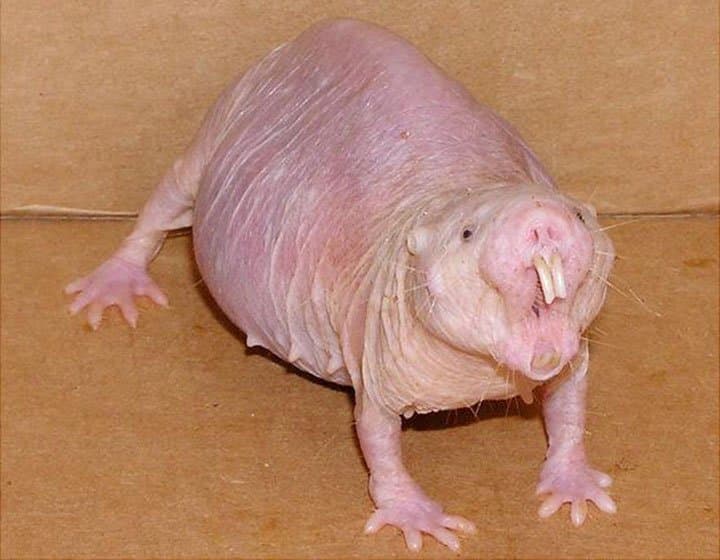 Naked Mole RatHeterocephalus glaberA nearly hairless underground rodent of East Africa that lives in colonies run by a single queen, like bees.FossaCryptoprocta feroxMadagascar's largest predator, a sleek, cat-like animal related to mongooses that hunts lemurs in the trees.AardvarkOrycteropus aferA shy, pig-sized African mammal with a long snout and sticky tongue that digs into ant and termite nests at night.SpringharePedetes capensisA big-eyed African rodent that hops like a kangaroo on its long back legs and lives in burrows.Greater GalagoOtolemur crassicaudatusThe largest bushbaby, a big-eared, woolly African primate that comes out at night to lick tree gum and catch insects.Seba's Short-Tailed BatCarollia perspicillataA small fruit-eating bat of Central and South America that plants forests by spreading thousands of seeds a night.Mexican Blind CavefishAstyanax mexicanusA small pale fish with no working eyes that lives in dark Mexican caves and finds its way by feeling vibrations.Tammar WallabyMacropus eugenii (also called Notamacropus eugenii)The smallest wallaby, a grass-eating Australian marsupial that can pause the growth of an unborn baby.Short-Beaked EchidnaTachyglossus aculeatusA spiny, egg-laying mammal of Australia and New Guinea that slurps up ants and termites with a long, sticky tongue.Freshwater CrocodileCrocodylus johnstoniA slender-snouted, shy crocodile of northern Australia's rivers that waits motionless in shallow water for prey.American AlligatorAlligator mississippiensisA big, armored reptile of the southeastern U.S. swamps and rivers that can go through 3,000 teeth in its life.
Hubbard Expedition Madagascar (8)
See this area on the zoo's website ↗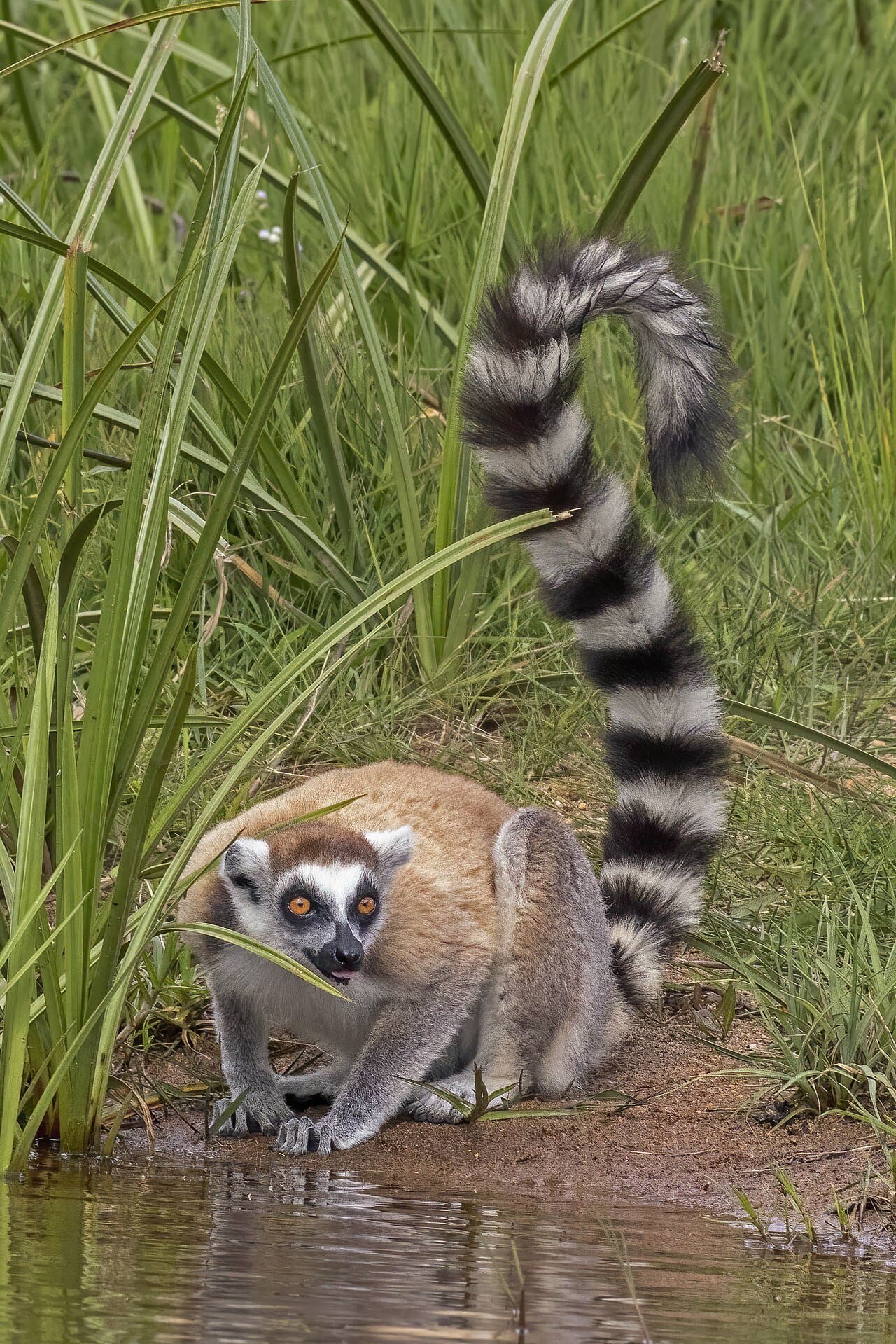 Ring-Tailed LemurLemur cattaAn endangered primate of southwestern Madagascar with a black-and-white striped tail, female-led troops and a love of sunbathing.
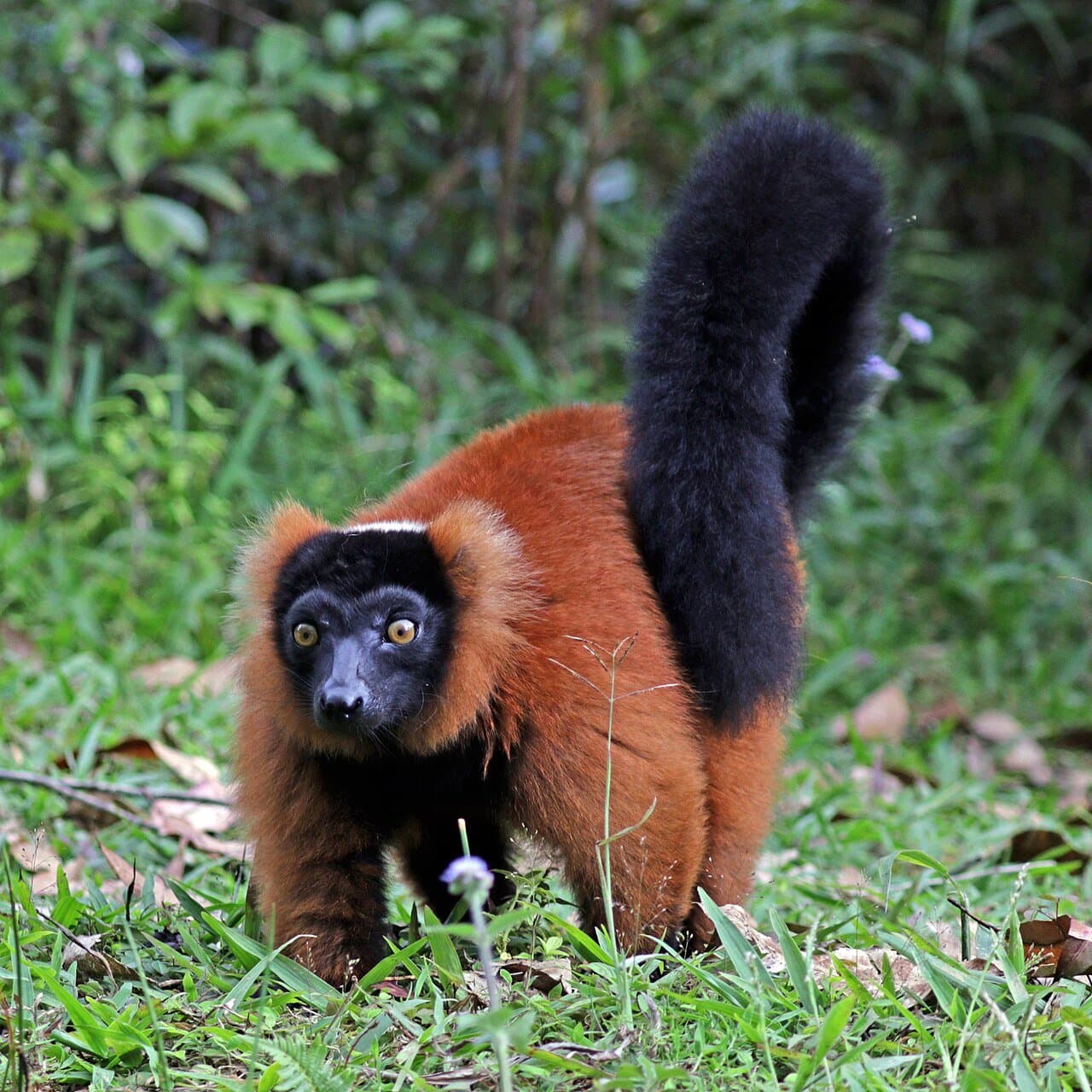 Red Ruffed LemurVarecia rubraA critically endangered orange-red lemur with a black face and a thick neck ruff, found only on Madagascar's Masoala Peninsula.
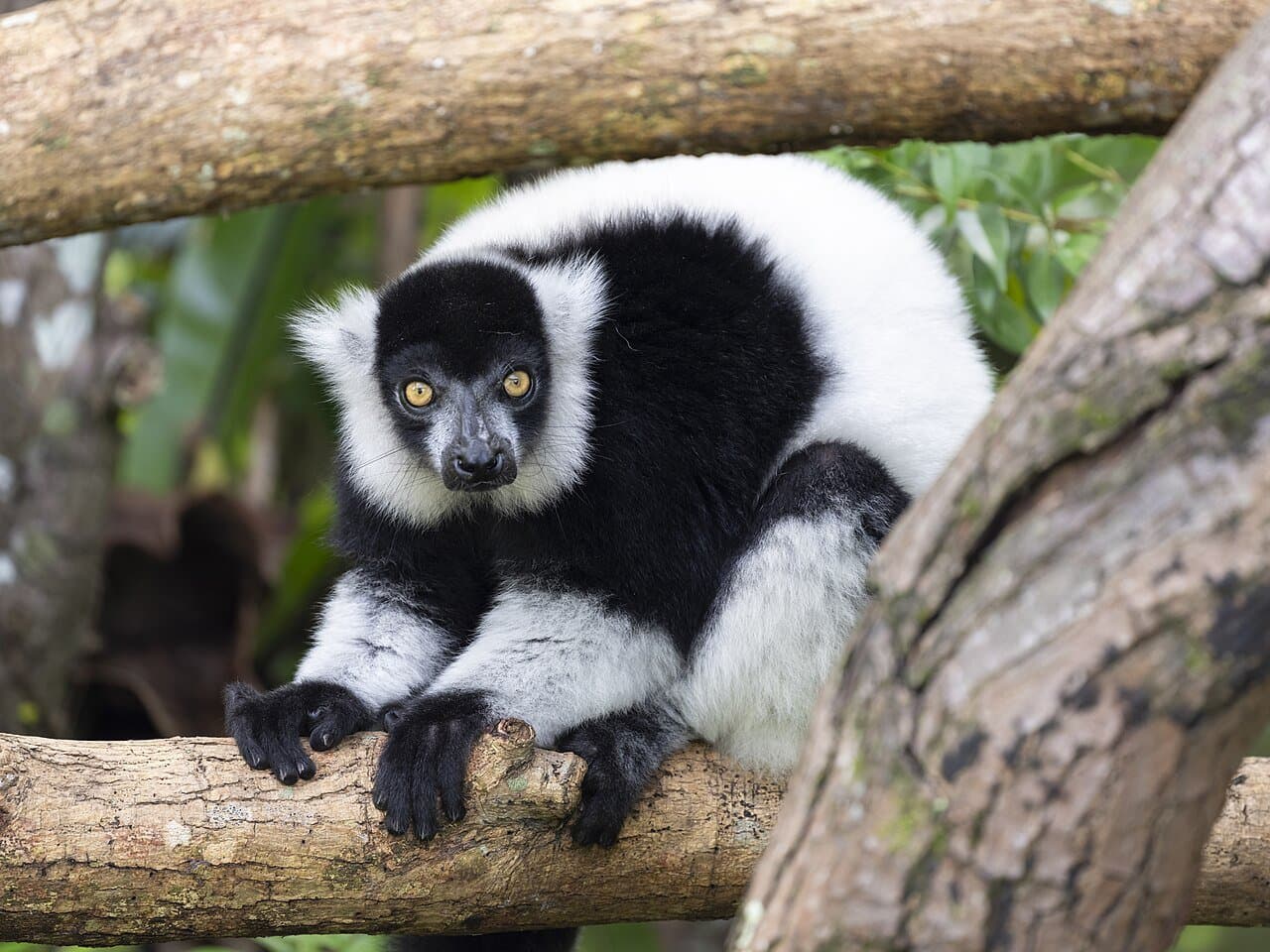 Black-and-White Ruffed LemurVarecia variegataThe largest lemur, a critically endangered fruit-eater of eastern Madagascar's rainforests that raises its babies in nests.Mongoose LemurEulemur mongozA small, gray, critically endangered lemur of northwestern Madagascar and the Comoro Islands that can switch between day and night activity.Blue-Eyed Black LemurEulemur flavifronsOne of the world's most threatened primates, a blue-eyed Madagascar lemur whose males are black and females are orange.
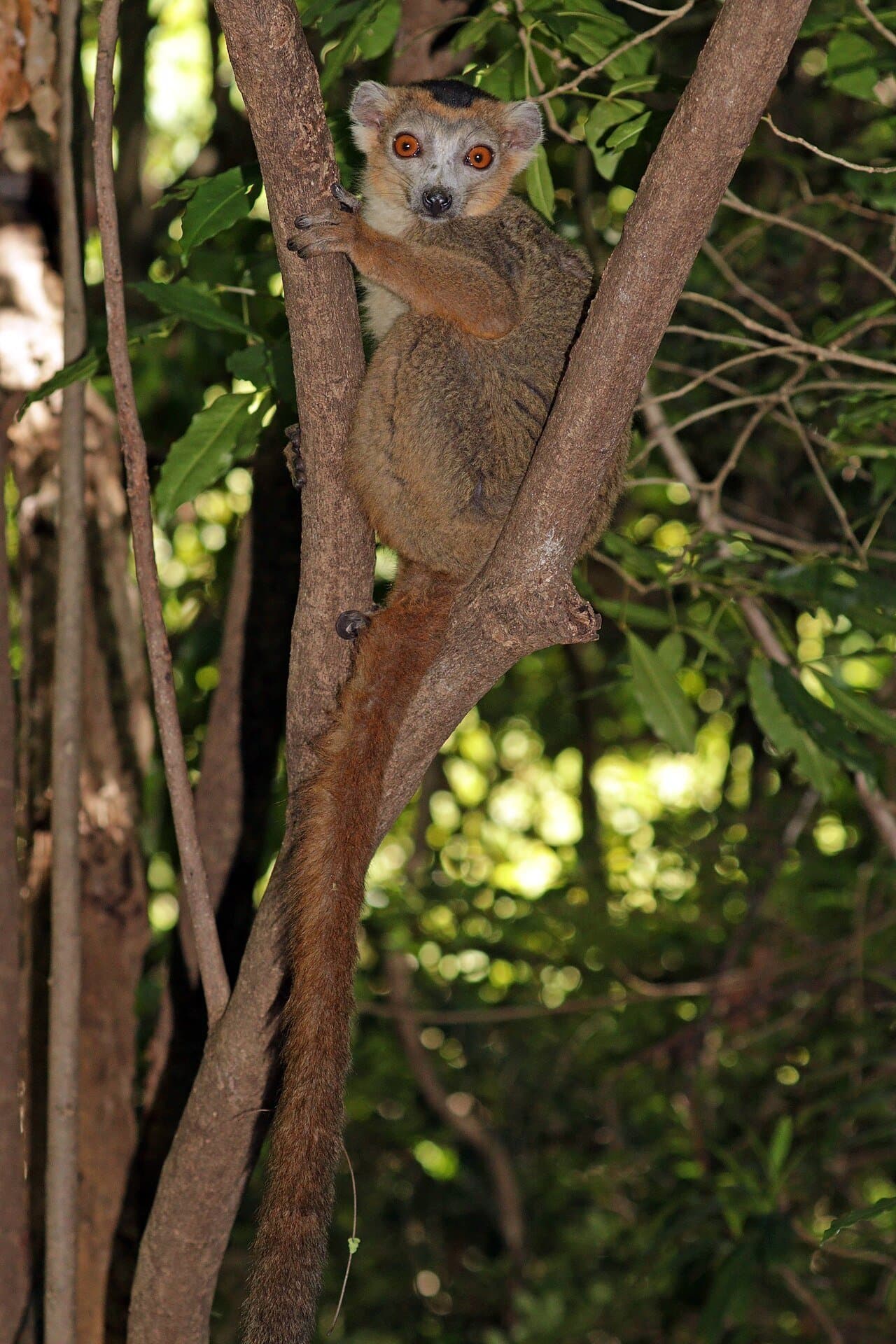 Crowned LemurEulemur coronatusA small, fruit-eating lemur of northern Madagascar whose males and females look so different they were once easy to tell apart at a glance.Gray Mouse LemurMicrocebus murinusOne of the smallest primates in the world, a tiny, big-eyed lemur that weighs about two ounces.Aye-AyeDaubentonia madagascariensisA strange-looking nocturnal lemur that taps on trees with a long, thin middle finger to find grubs inside.
Hubbard Gorilla Valley (10)
See this area on the zoo's website ↗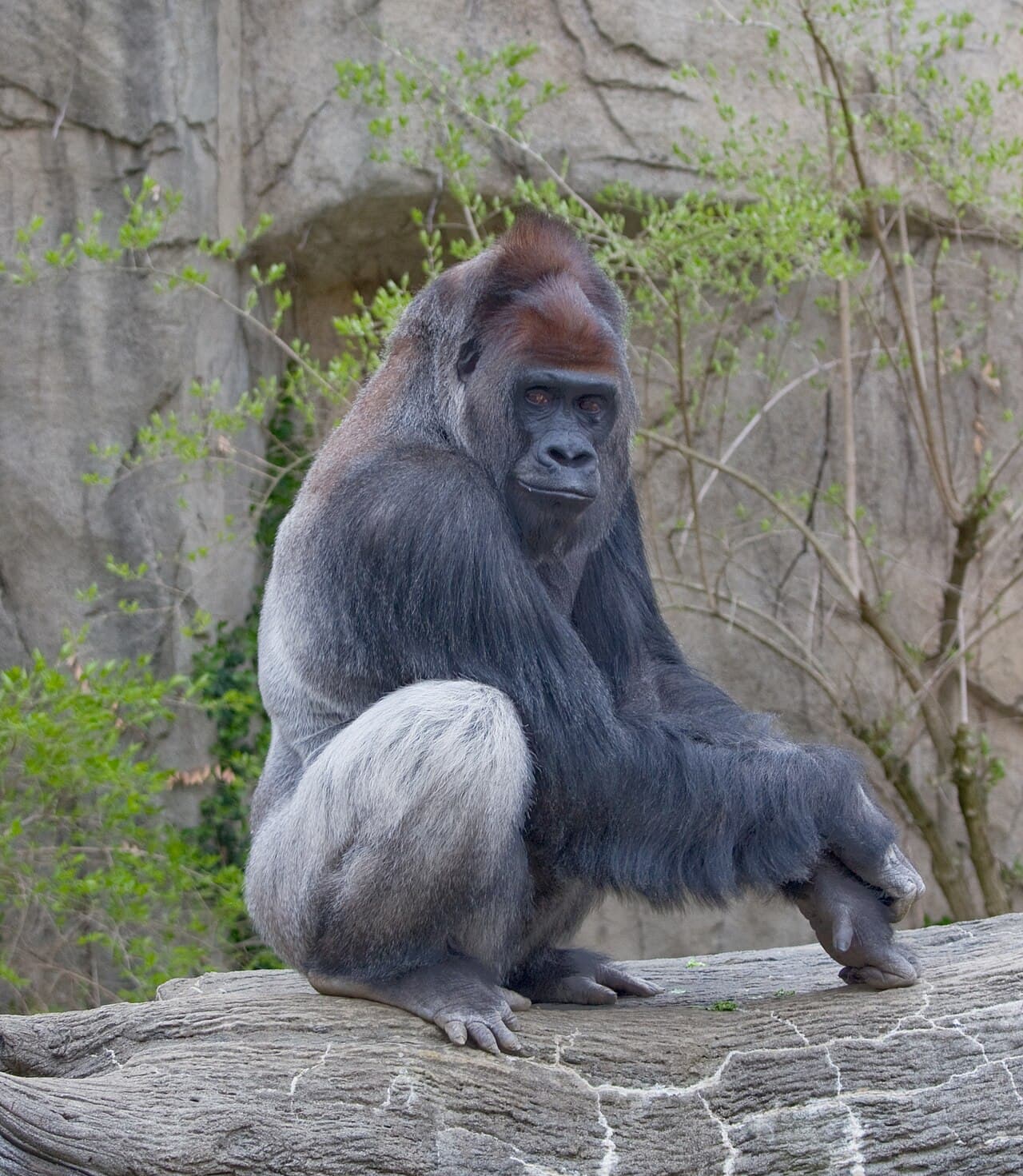 Western Lowland GorillaGorilla gorilla gorillaA critically endangered great ape of Central Africa that lives in small family troops led by a silverback.
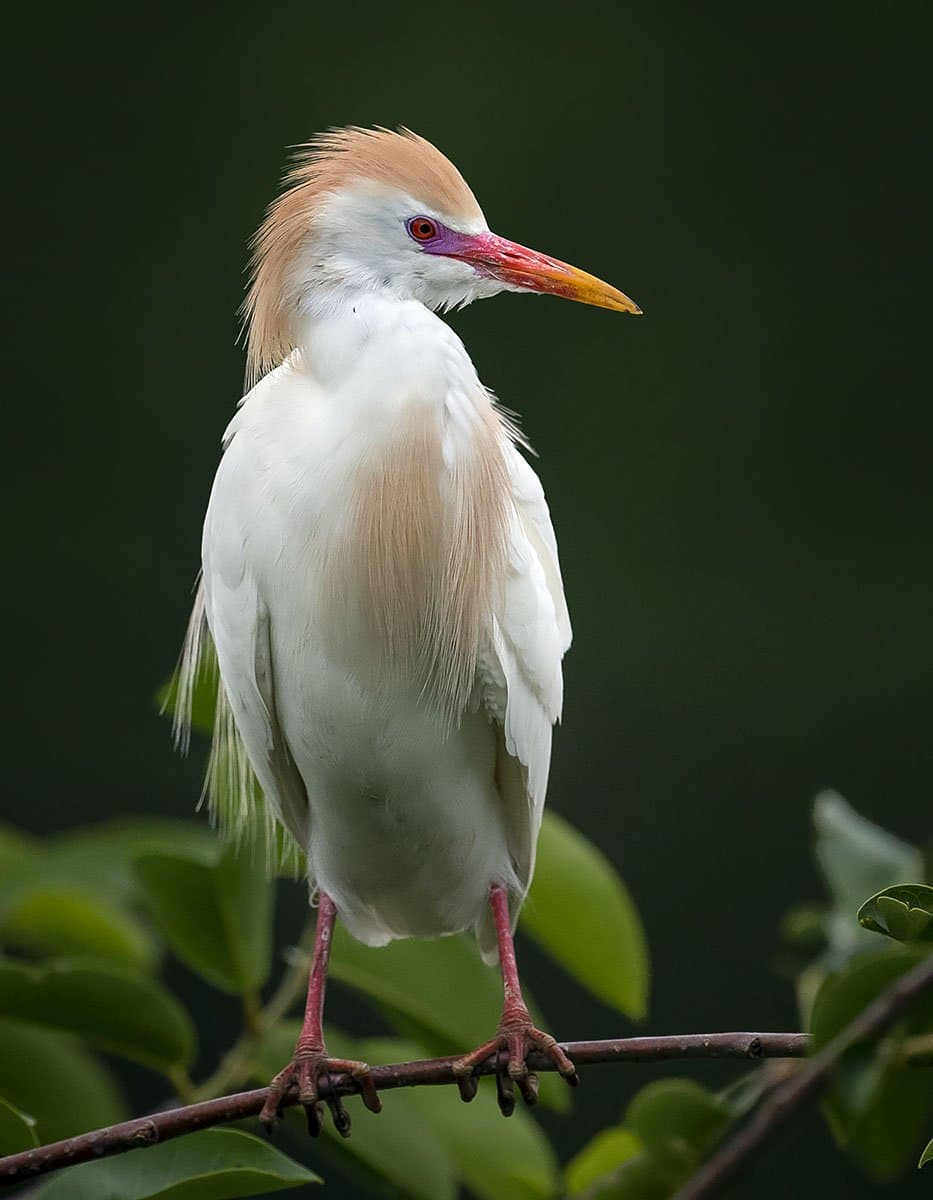 Cattle EgretBubulcus ibisA small white heron that follows grazing animals to catch the insects they stir up, and has spread from Africa around the world.White-Faced Whistling DuckDendrocygna viduataA long-necked duck of Africa and South America with a white face that whistles instead of quacking and often perches in trees.
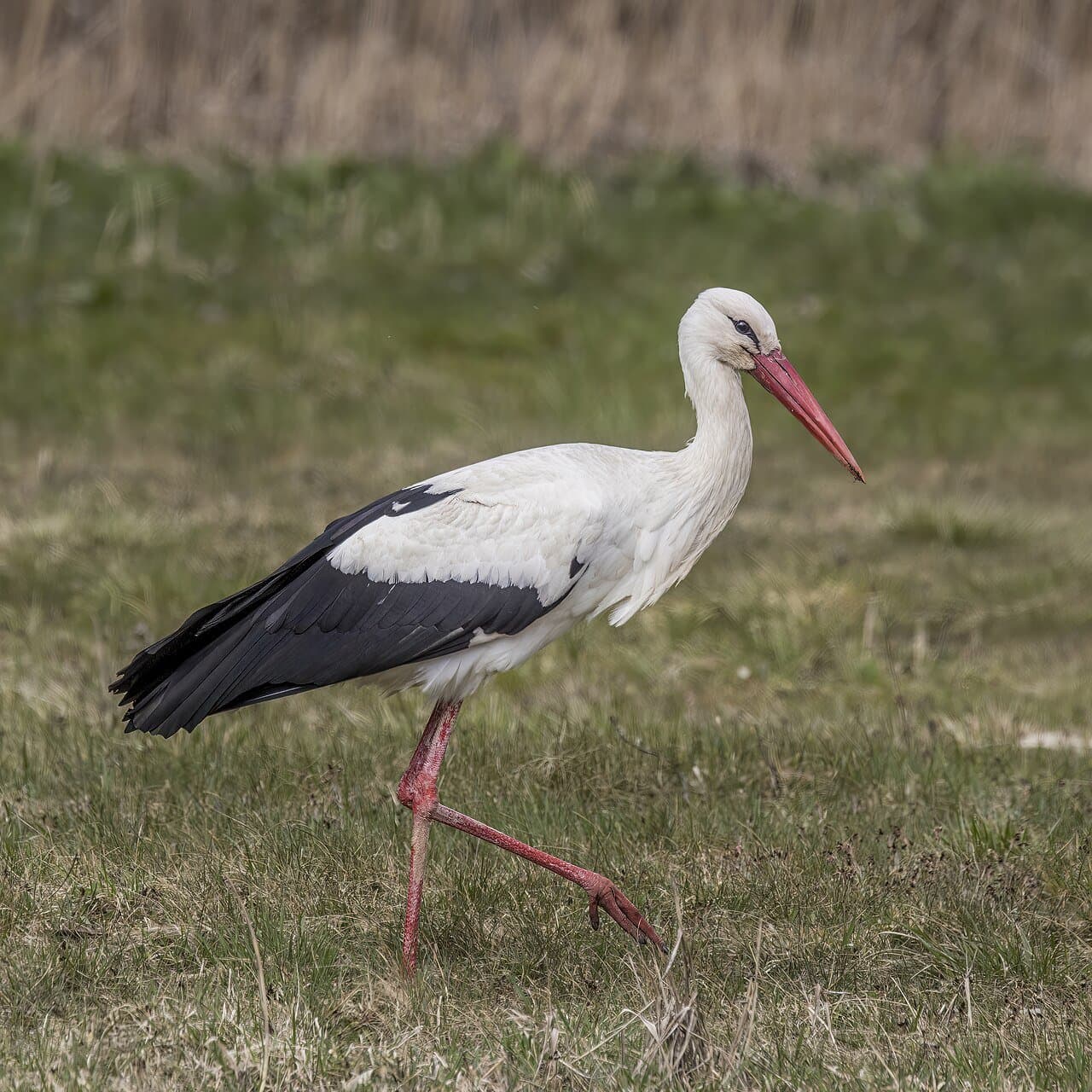 White StorkCiconia ciconiaA big white-and-black bird with a red bill that breeds in Europe, winters in Africa and inspired the story of storks delivering babies.Abyssinian Blue-Winged GooseCyanochen cyanopteraA brown goose with powder-blue wing patches that lives only in the highlands of Ethiopia and whistles instead of honking.Cape TealAnas capensisA small, speckled gray African duck with a pink bill that can dive and swim underwater with its wings folded.
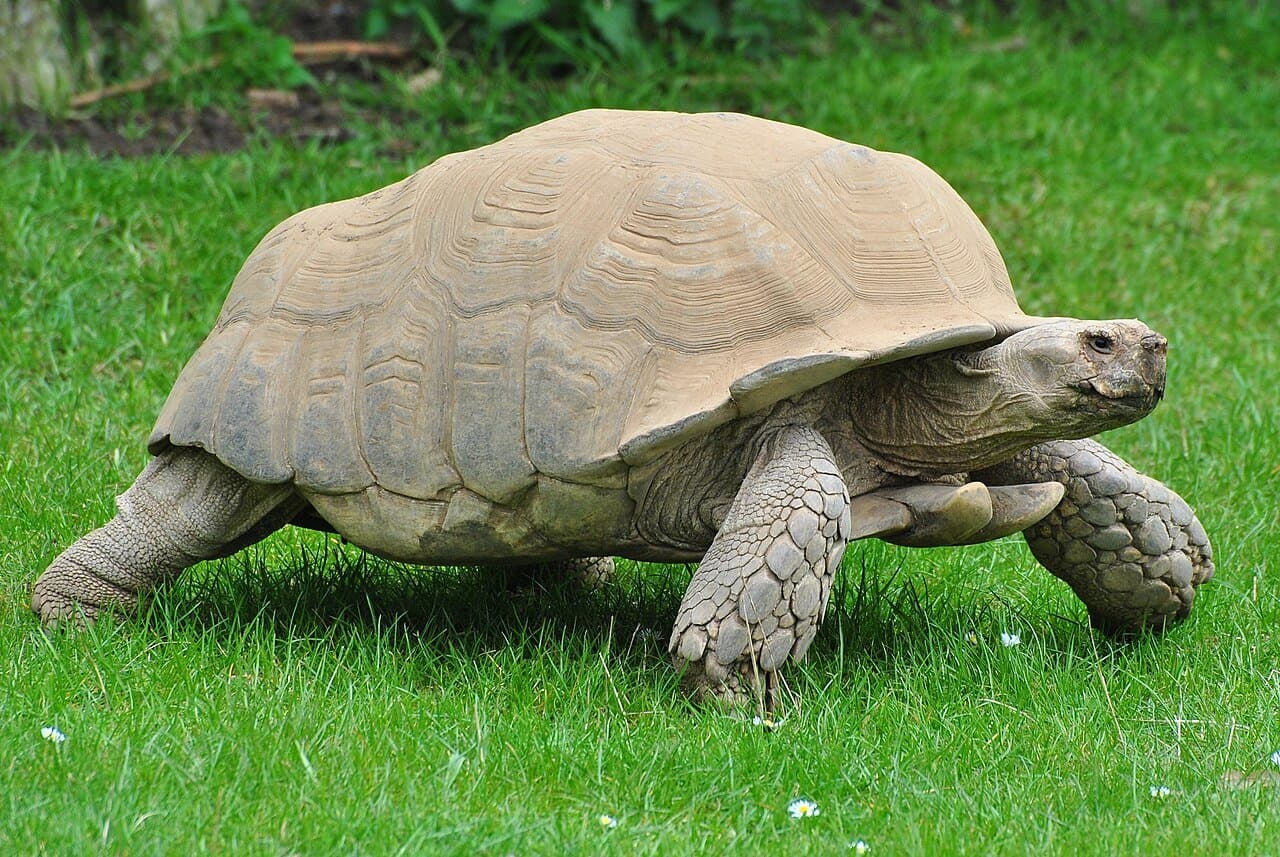 African Spurred TortoiseCentrochelys sulcata (also called Geochelone sulcata)The largest mainland African tortoise, a burrowing plant-eater of the dry lands south of the Sahara, also called the sulcata tortoise.Black Crowned CraneBalearica pavoninaA dark West African crane with a golden crown of stiff feathers that roosts in trees and dances when it breeds.Yellow-Backed DuikerCephalophus silvicultorThe largest of the forest duikers, a dark, shy African antelope with a bright yellow patch on its back.
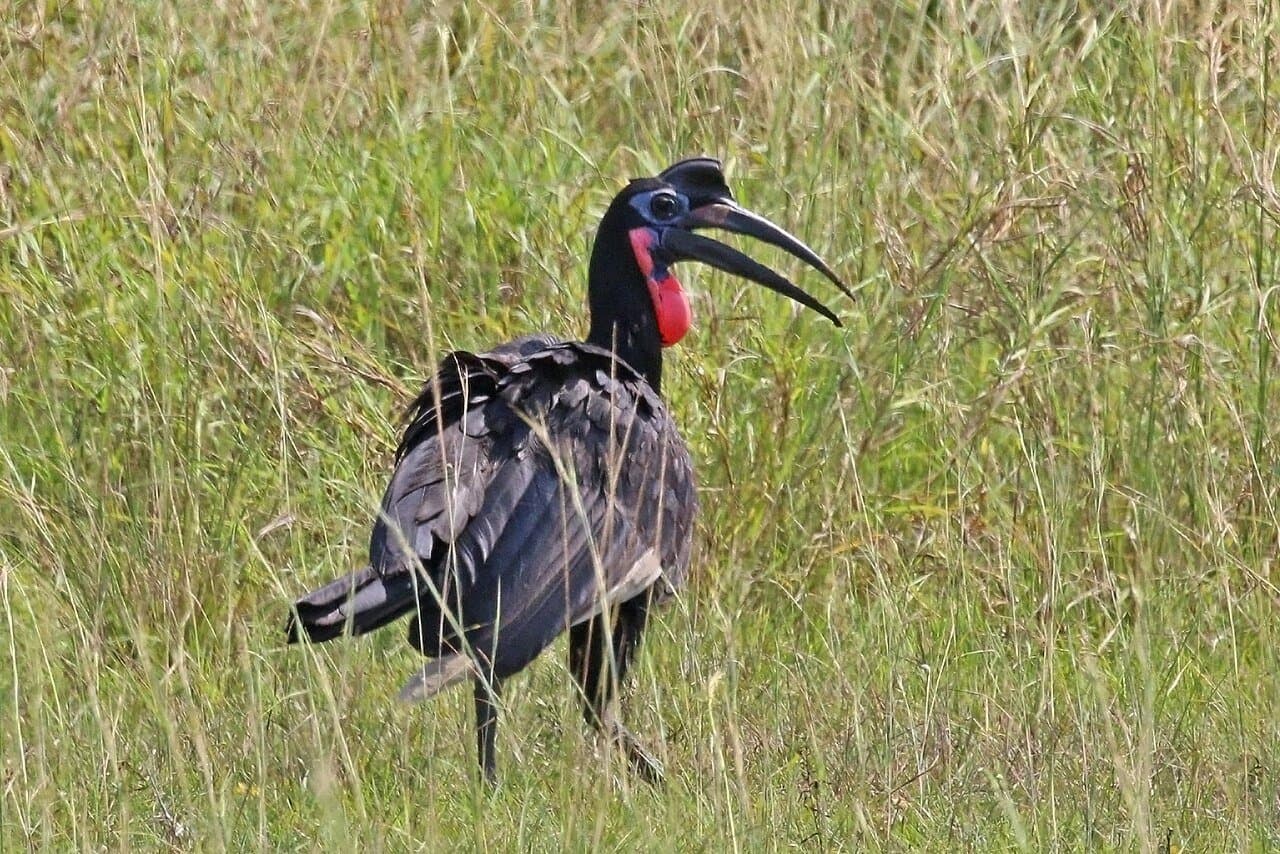 Abyssinian Ground HornbillBucorvus abyssinicusA big black hornbill of African savannas that walks the ground hunting snakes, lizards and small mammals. Also called the northern ground hornbill.
Hubbard Orangutan Forest (2)
See this area on the zoo's website ↗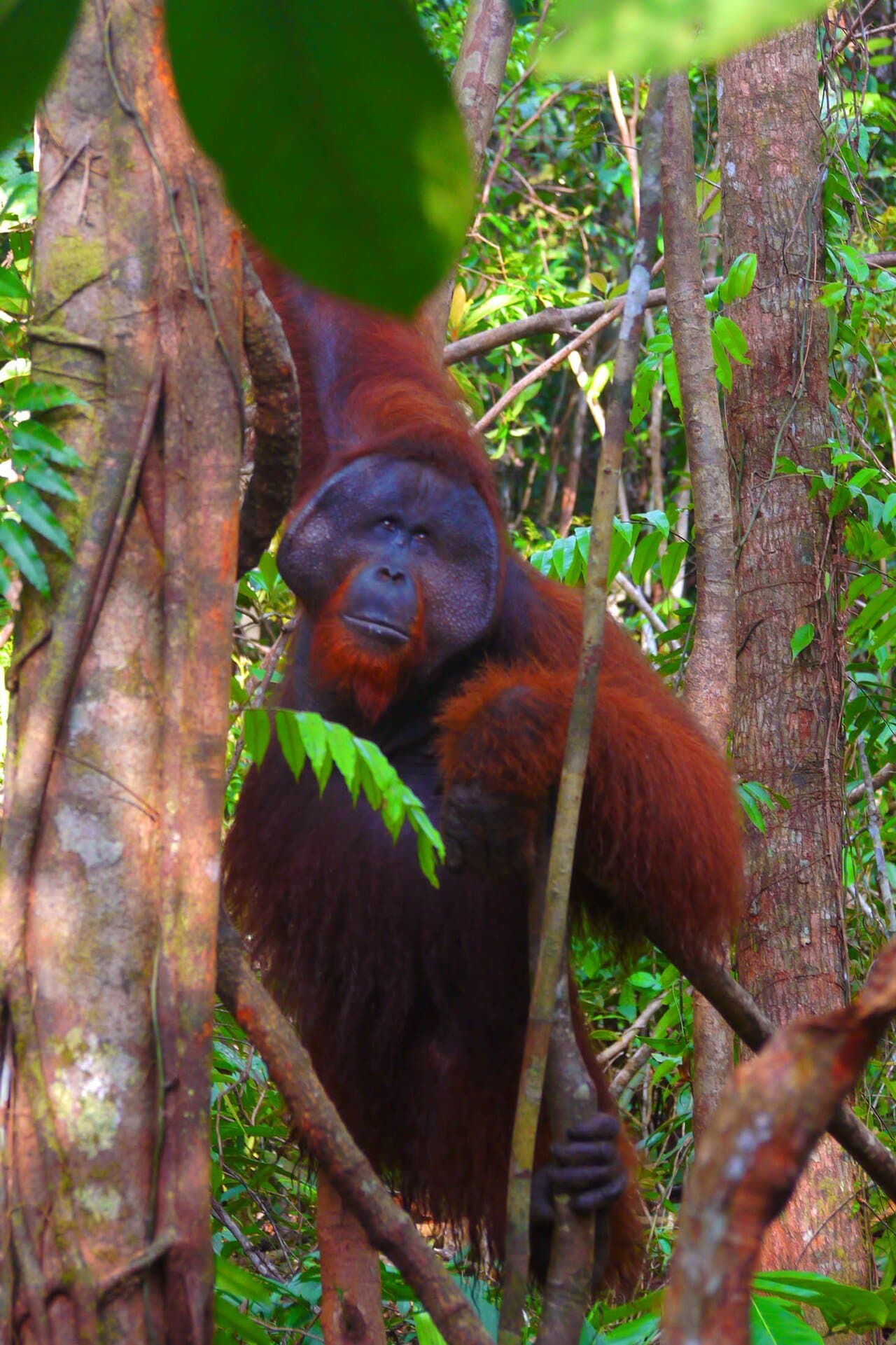 Bornean OrangutanPongo pygmaeusA critically endangered red-haired great ape of Borneo's rainforests that lives mostly alone in the treetops and eats mostly fruit.
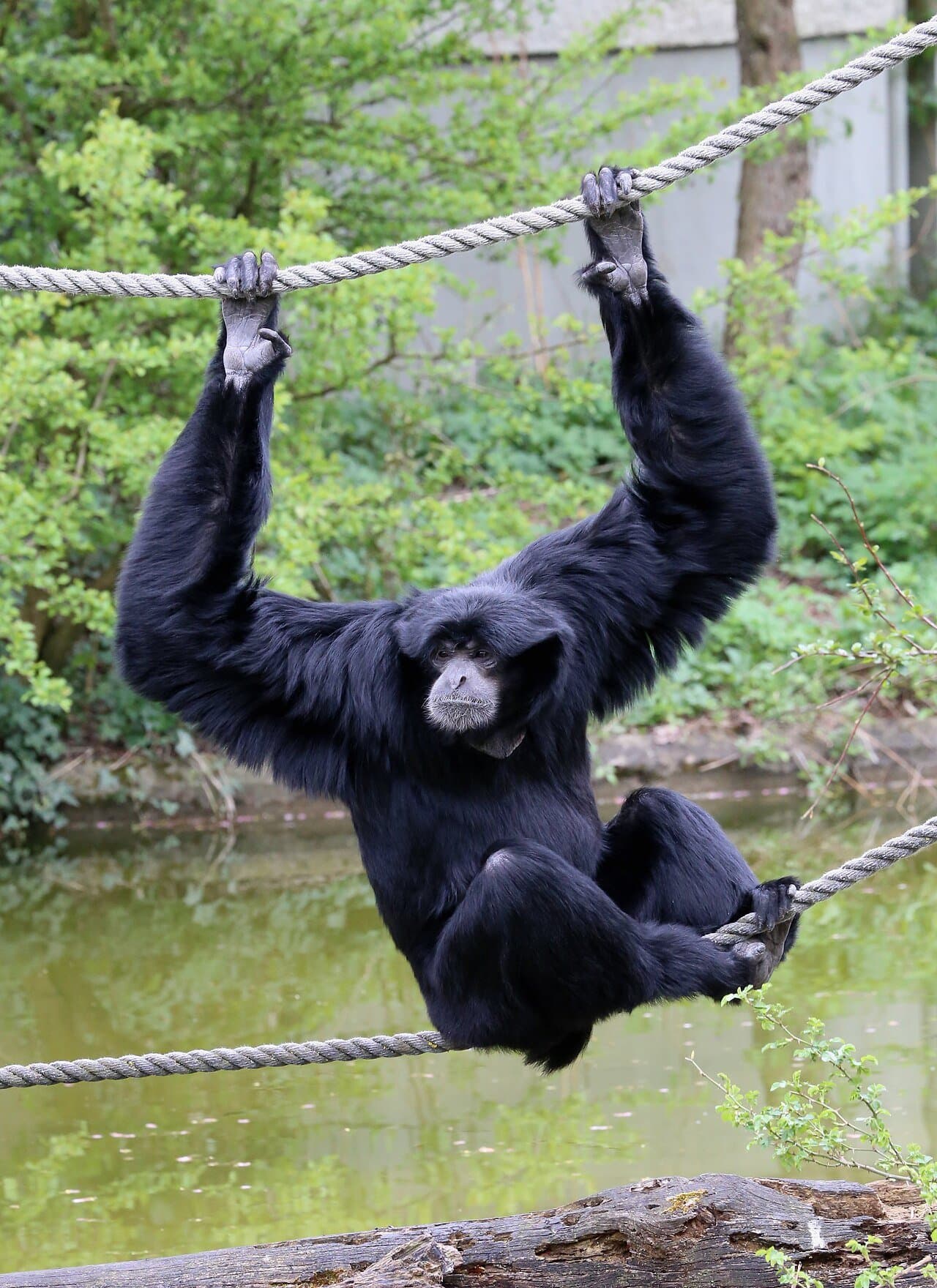 SiamangSymphalangus syndactylusA long-armed gibbon of Southeast Asian rainforests that calls with a deep boom, using a throat sac that swells as big as a grapefruit.
Lied Jungle (1)
See this area on the zoo's website ↗
Owen Sea Lion Shores (1)
See this area on the zoo's website ↗Stingray Beach (1)
See this area on the zoo's website ↗Simmons Aviary and Lagoon (12)
See this area on the zoo's website ↗White StorkCiconia ciconiaA big white-and-black bird with a red bill that breeds in Europe, winters in Africa and inspired the story of storks delivering babies.Black Crowned CraneBalearica pavoninaA dark West African crane with a golden crown of stiff feathers that roosts in trees and dances when it breeds.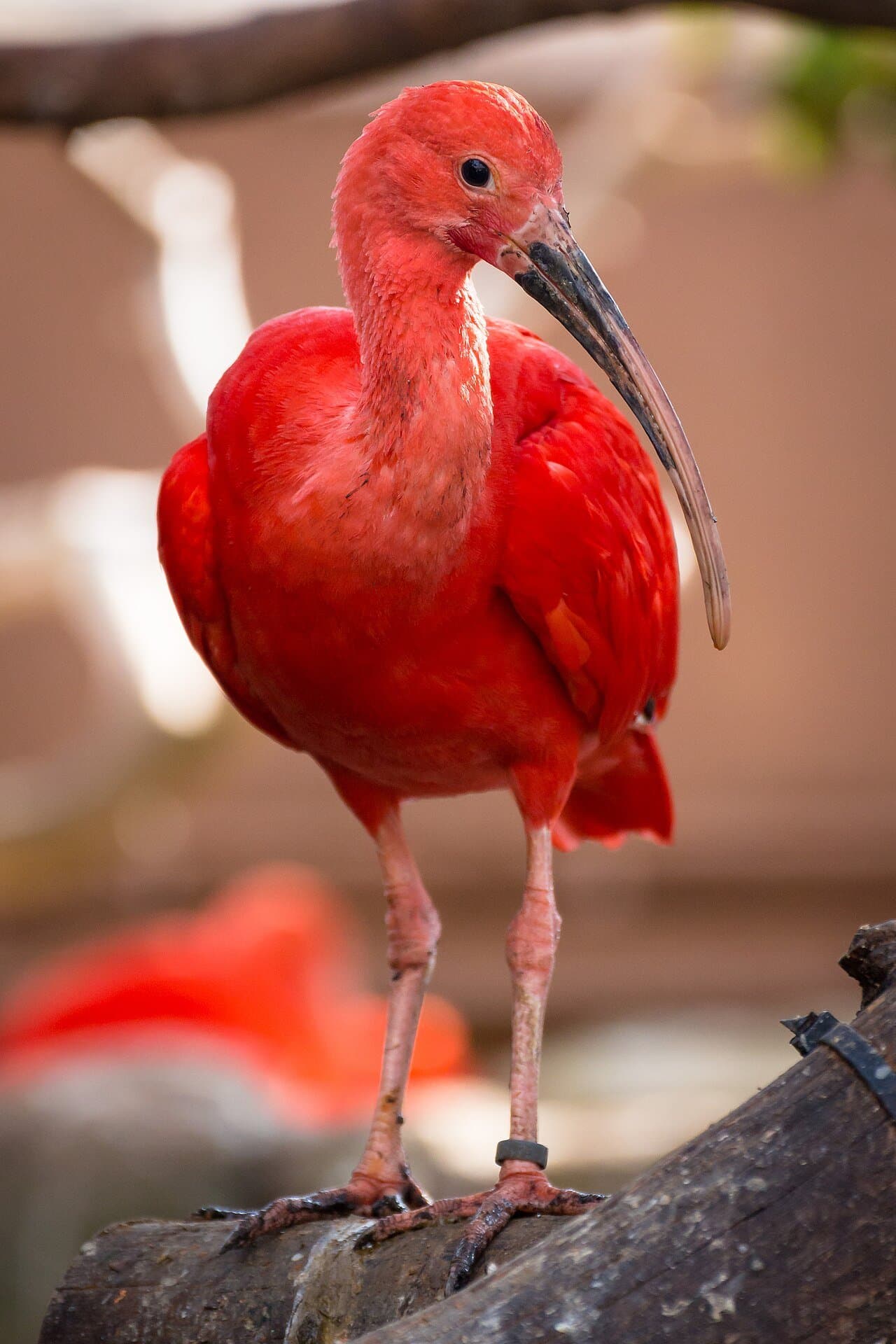 Scarlet IbisEudocimus ruberA bright red wading bird of northern South America that feeds mostly on crayfish and small crabs.Hadada IbisBostrychia hagedashA gray-brown African ibis with shiny green-purple wings, named for its loud "haa-haa-haa-de-dah" call.
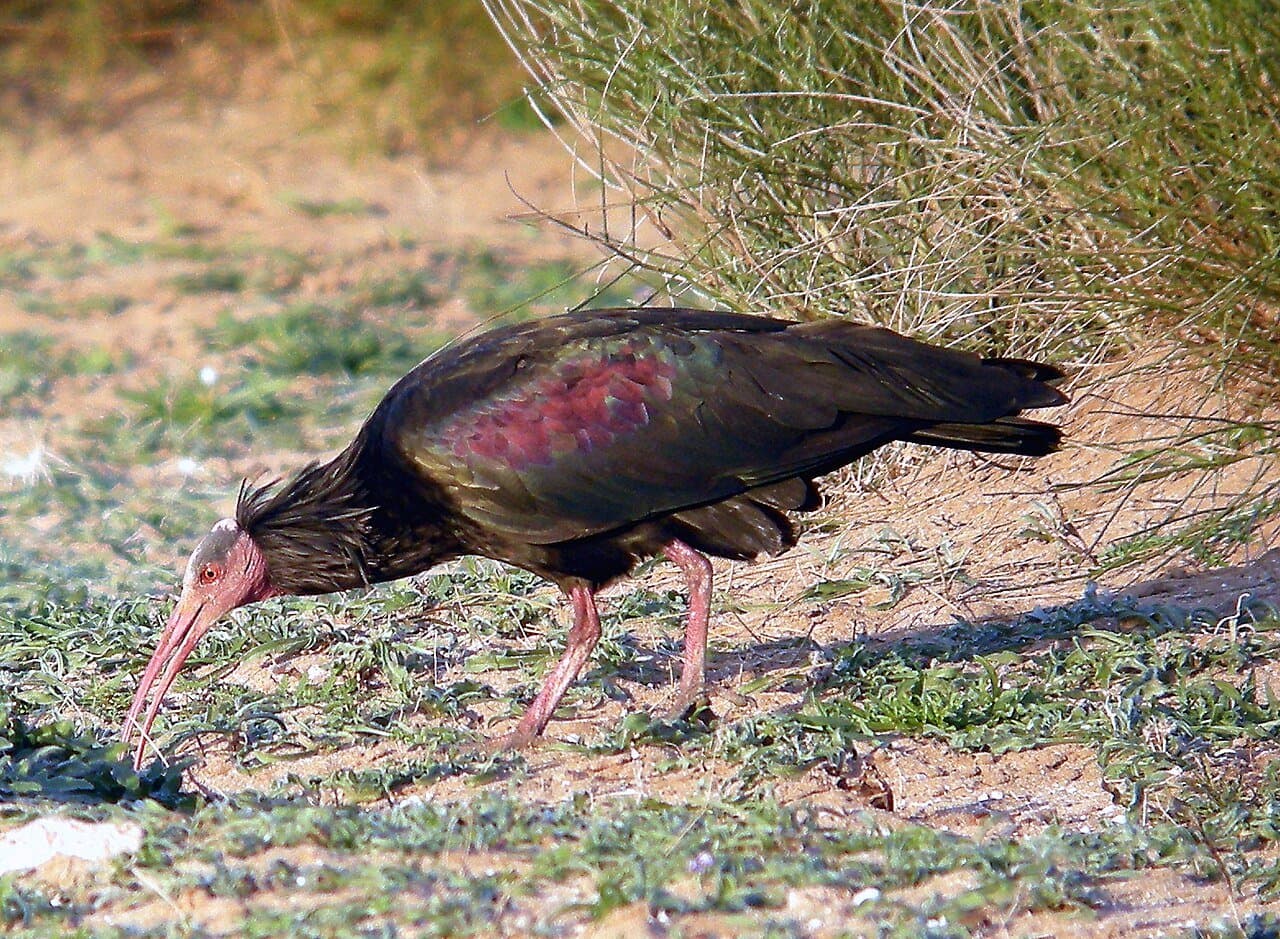 Northern Bald IbisGeronticus eremitaA glossy black ibis with a bald red head, also called the waldrapp, that was once common in Europe and is now one of the world's rarest birds.Straw-Necked IbisThreskiornis spinicollisAn Australian ibis with straw-like neck feathers and a shiny back, nicknamed the "farmer's friend" for eating grasshoppers.Roseate SpoonbillPlatalea ajajaA bright pink wading bird of the Americas that sweeps its spoon-shaped bill through shallow water to catch food.Snowy EgretEgretta thulaAn all-white heron of the Americas with a black bill and bright yellow feet, famous for its lacy breeding plumes.Cattle EgretBubulcus ibisA small white heron that follows grazing animals to catch the insects they stir up, and has spread from Africa around the world.
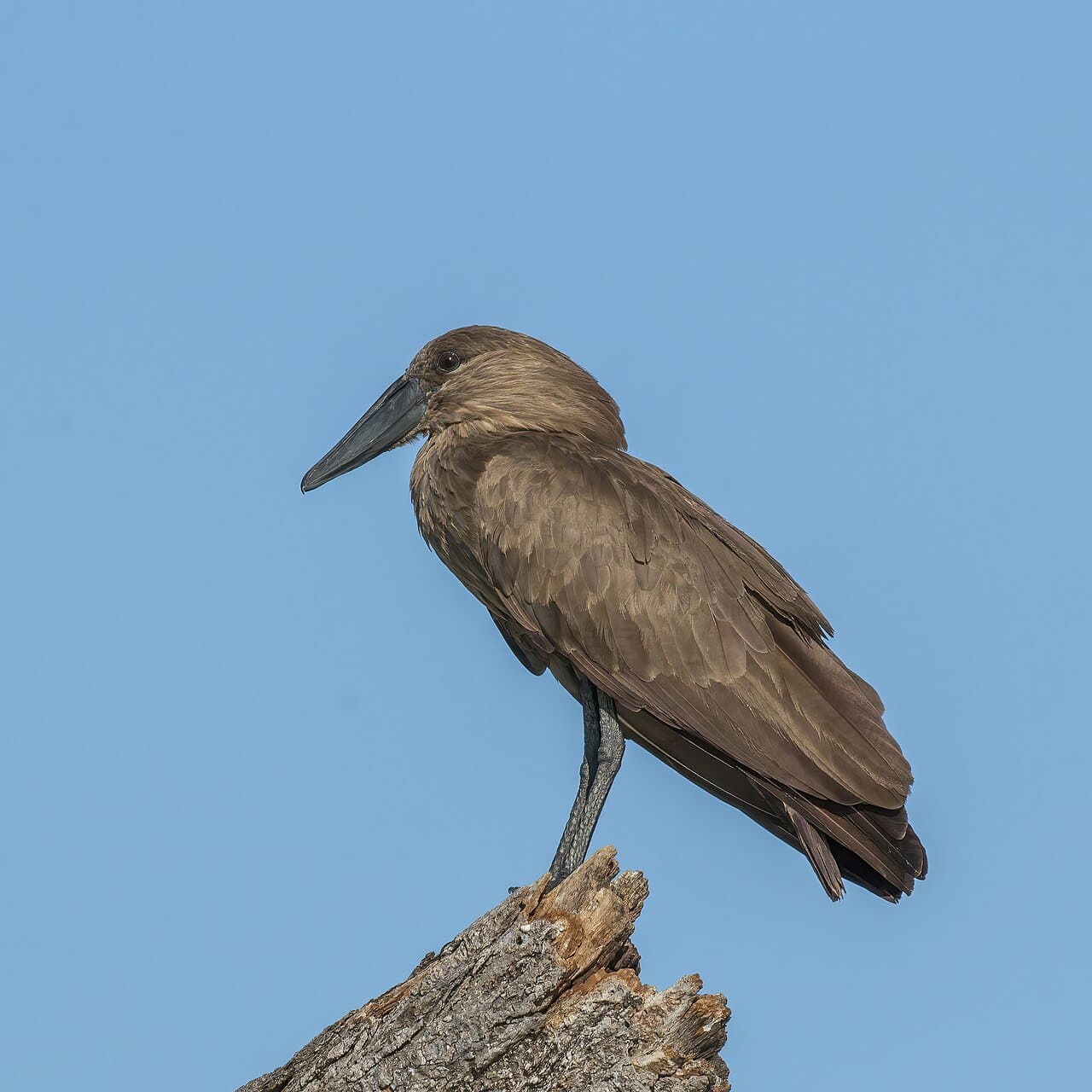 HamerkopScopus umbrettaA brown African wading bird with a hammer-shaped head that builds the biggest nest of any bird in Africa.Inca TernLarosterna incaA dark gray seabird of Peru and Chile with a red bill and curly white "mustache" feathers.KoiCyprinus carpio (domesticated)Colorful pond fish bred in Japan from common carp, with over 100 varieties of reds, whites, blacks and golds.