
Inland Taipan
Oxyuranus microlepidotus
Often called the world's most venomous snake, a shy brown snake of remote Australian floodplains that changes color with the seasons.
Checking teacher reviews…
About the Inland Taipan
Inland taipans live in the remote Channel Country of southwestern Queensland and northeastern South Australia. They average about 6.5 feet long. Their color ranges from pale fawn to dark brown, with a darker head, and they turn darker in winter and fade in summer. They shelter in deep cracks in the clay soil and in burrows, and they eat small mammals, especially long-haired rats.[1]
Quick facts
- Scientific name
- Oxyuranus microlepidotus[1]
- Size
- Average about 6.5 feet; up to about 8 feet.[1]
- Diet
- Carnivore. Small mammals, especially long-haired rats and house mice.[1]
- Habitat
- Cracking clay floodplains with sparse shrubs.[1]
- Where it lives
- Channel Country of southwestern Queensland and northeastern South Australia.[1]
- Conservation status
- Least Concern (IUCN Red List, assessed 2017).[2]
Fun facts
Vocabulary
- venomous
- Able to inject poison by biting or stinging.
- floodplain
- Flat land next to a river that floods sometimes.
- venom
- A poison an animal injects by biting or stinging.
- elapid
- A family of venomous snakes with fixed front fangs, such as cobras and taipans.
- least concern
- A conservation label meaning a species is widespread and not at risk of dying out soon.
See it in person
- Omaha's Henry Doorly Zoo and AquariumOmaha, Nebraska · Desert DomeSee this area on the zoo's website ↗
Sources
- [1] Australian Museum. “Inland Taipan.” https://australian.museum/learn/animals/reptiles/inland-taipan/ (accessed 2026-10-02)
- [2] IUCN Red List of Threatened Species. “Oxyuranus microlepidotus (Fierce Snake).” https://www.iucnredlist.org/species/42493150/42493160 (accessed 2026-10-02)
Facts last checked 2026-10-02.
More Snakes
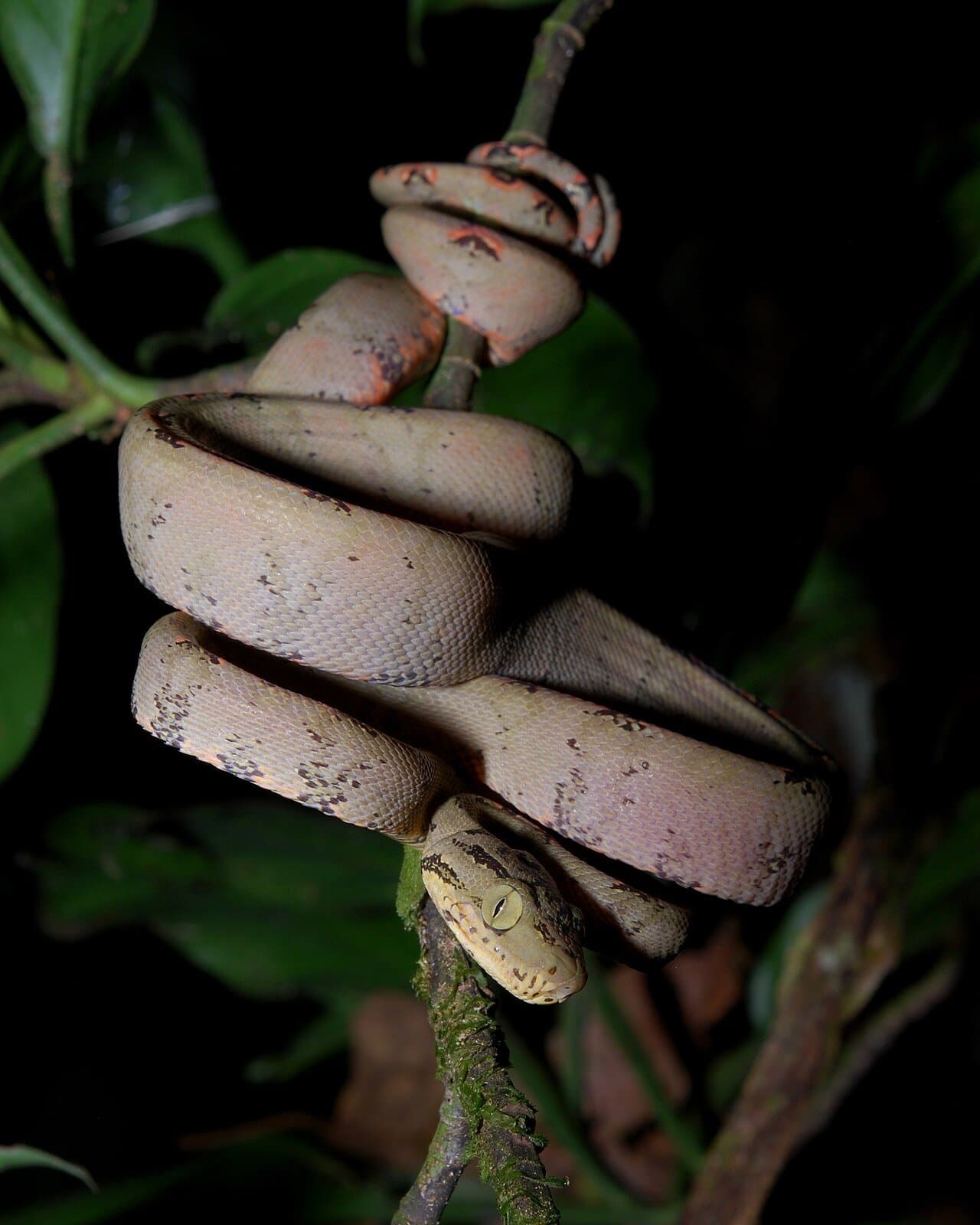 Amazon Tree BoaCorallus hortulanaA slender, many-colored tree boa of South America that hangs from branches in an S shape to ambush prey.
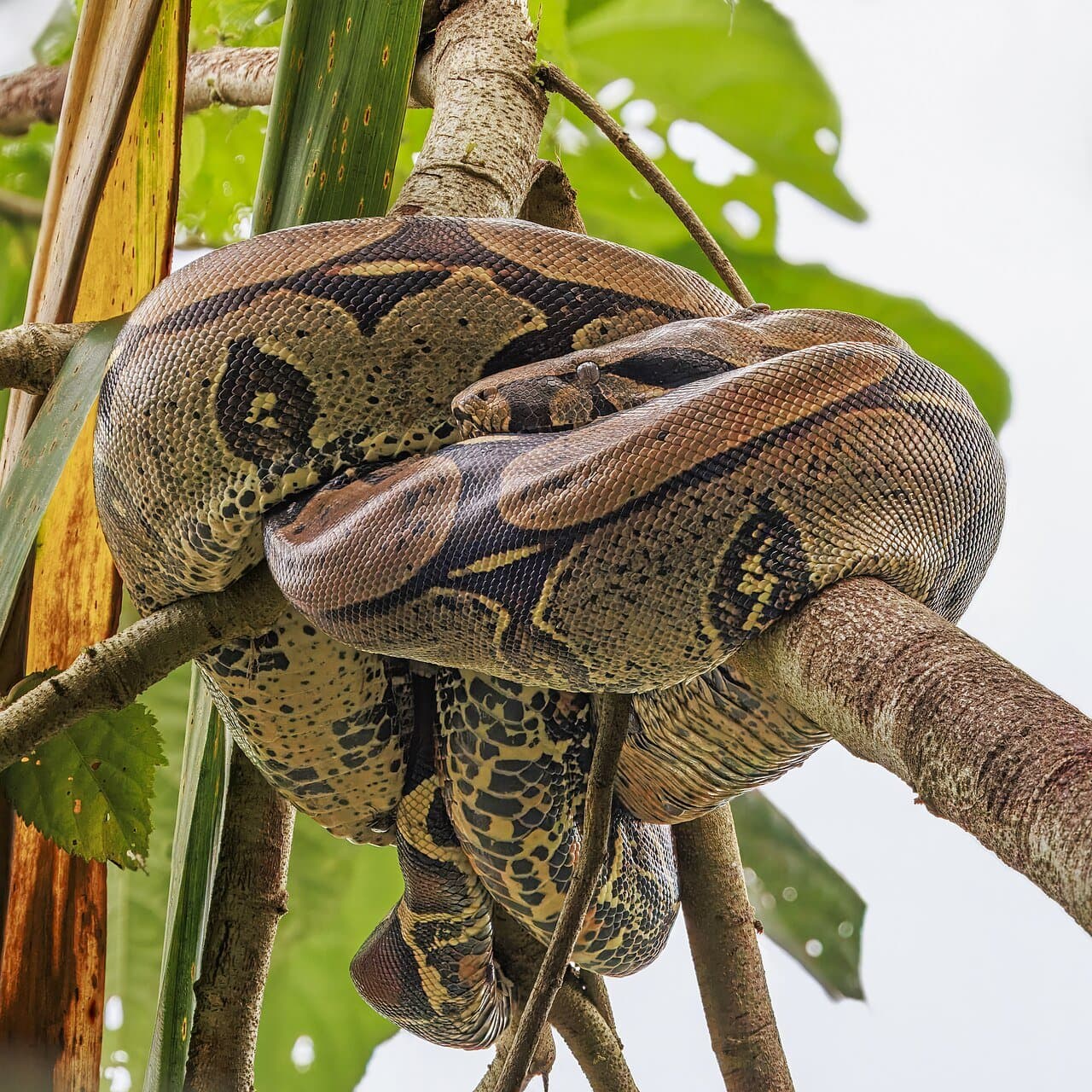 Boa ConstrictorBoa constrictorA large, nonvenomous snake of Central and South America, also called the red-tailed boa, that squeezes its prey.Cape CobraNaja niveaA fast, highly venomous cobra of southern Africa whose color ranges from golden yellow to almost black.
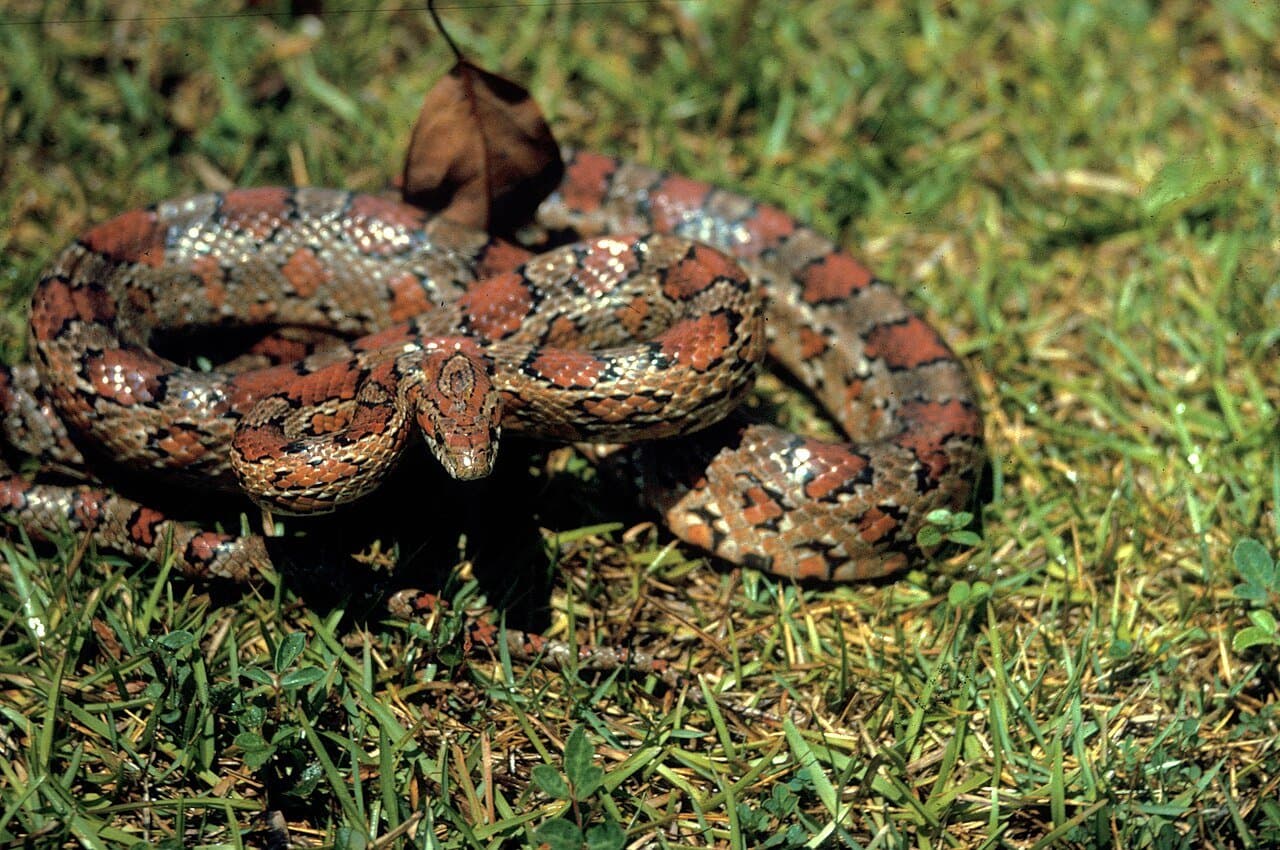 Corn SnakePantherophis guttatusA harmless orange-and-red constrictor of the eastern United States, also called the red rat snake, with a belly like Flint corn.
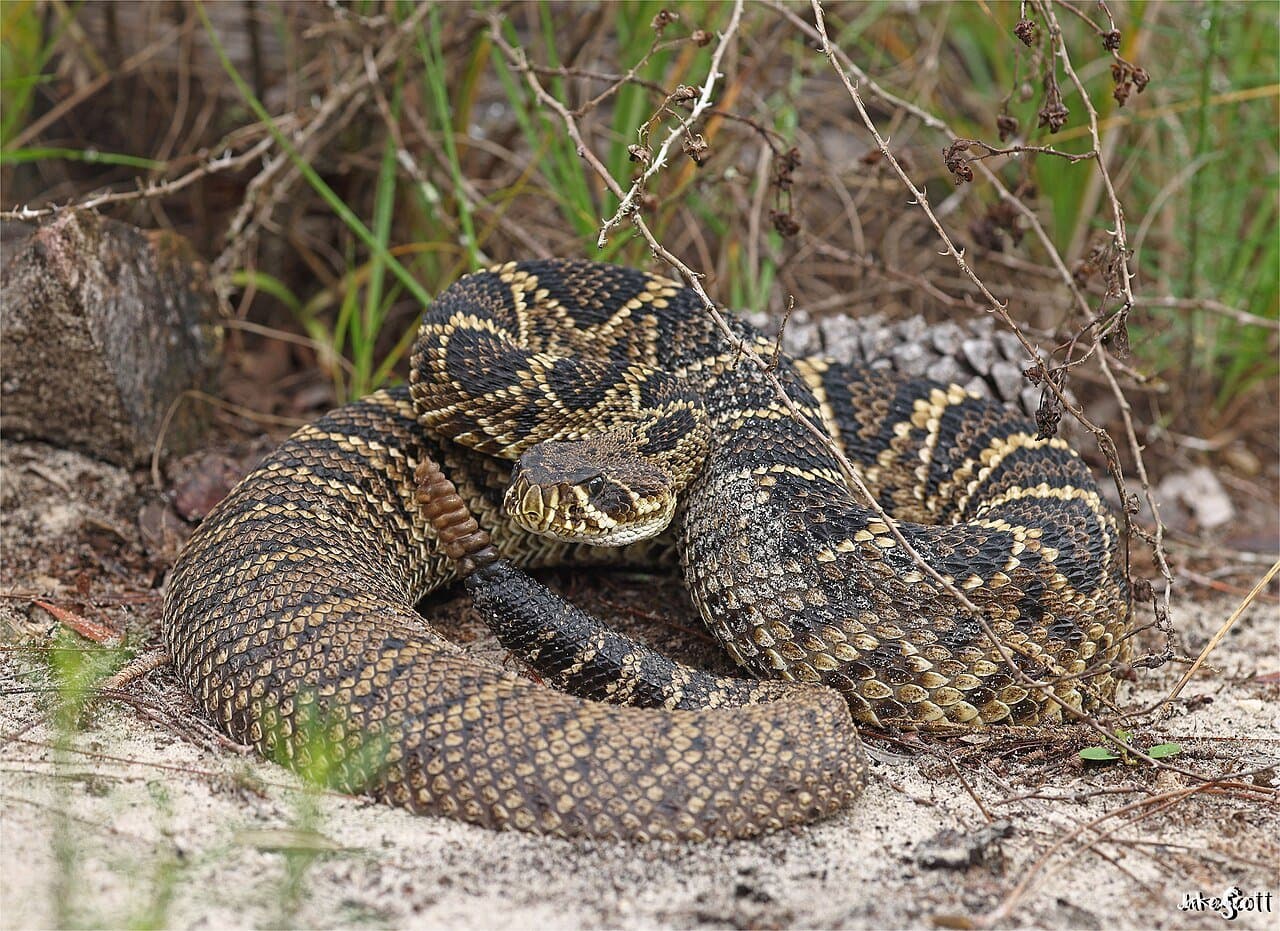 Eastern Diamondback RattlesnakeCrotalus adamanteusThe largest venomous snake in the United States, a quiet, reclusive rattlesnake of southeastern pine forests.
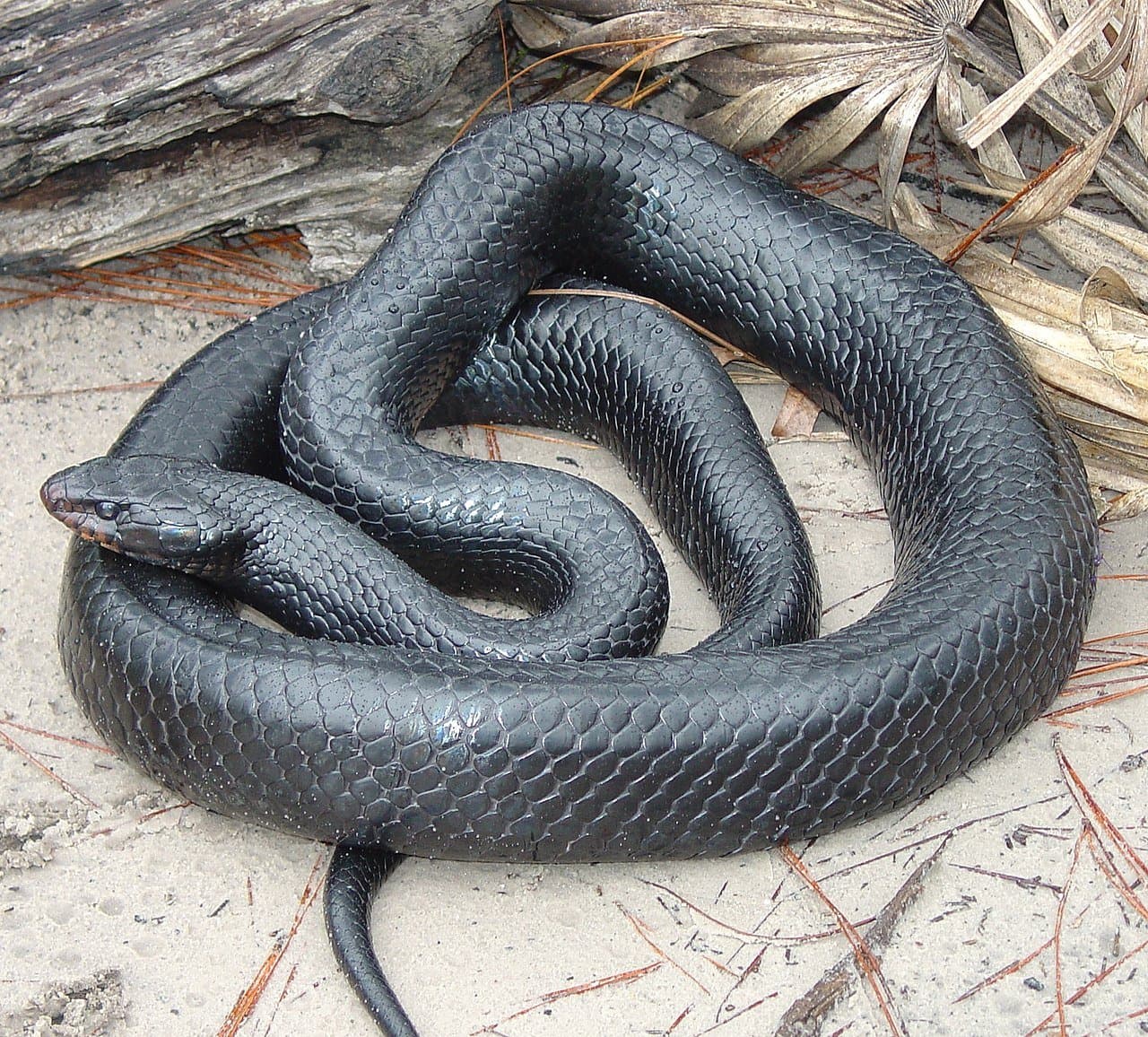 Eastern Indigo SnakeDrymarchon couperiThe largest native nonvenomous snake in the United States, a glossy black snake that shines blue in sunlight and even eats rattlesnakes.
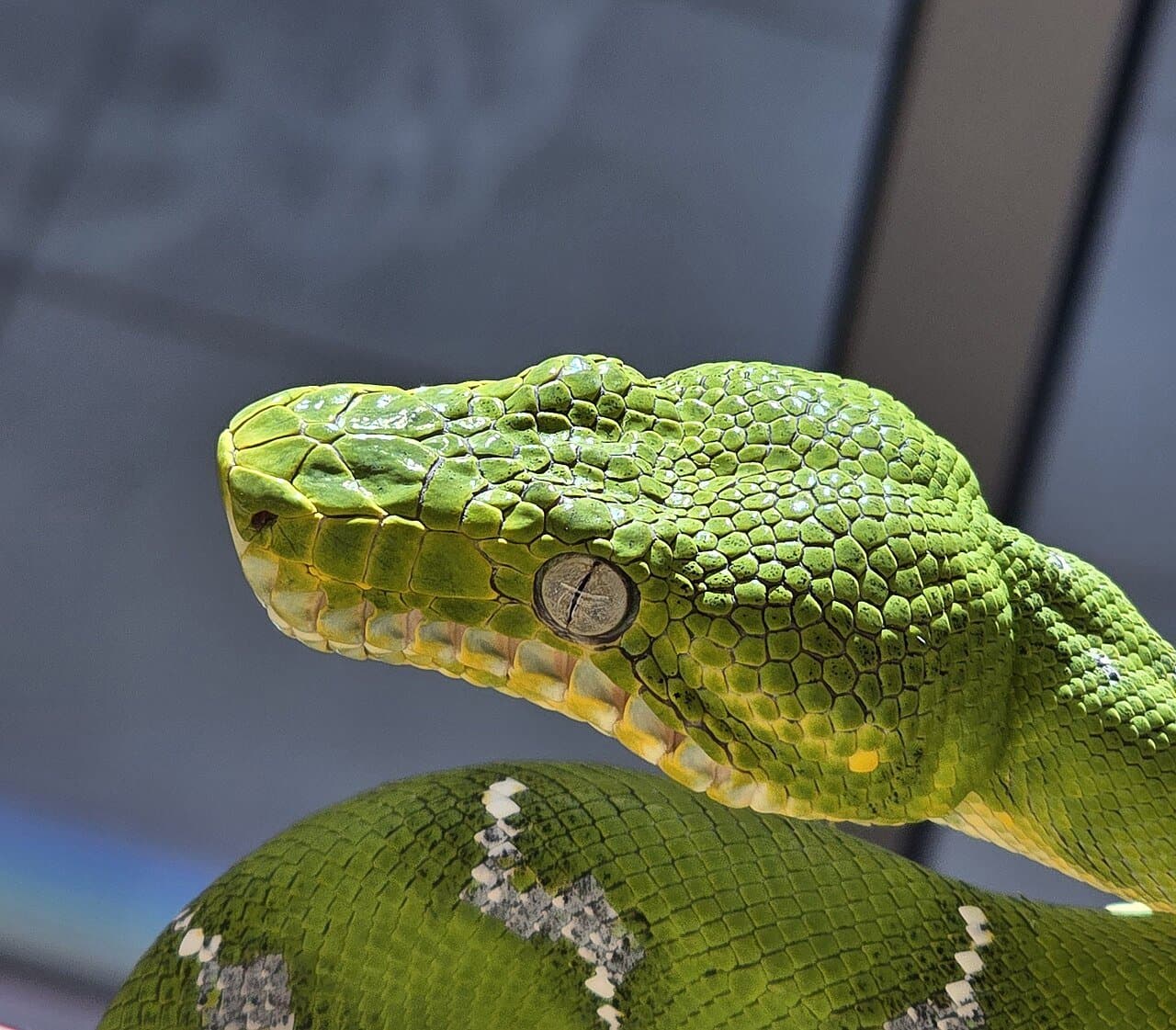 Emerald Tree BoaCorallus caninusA bright green Amazon tree snake with white zigzags that coils over branches and senses the heat of its prey.
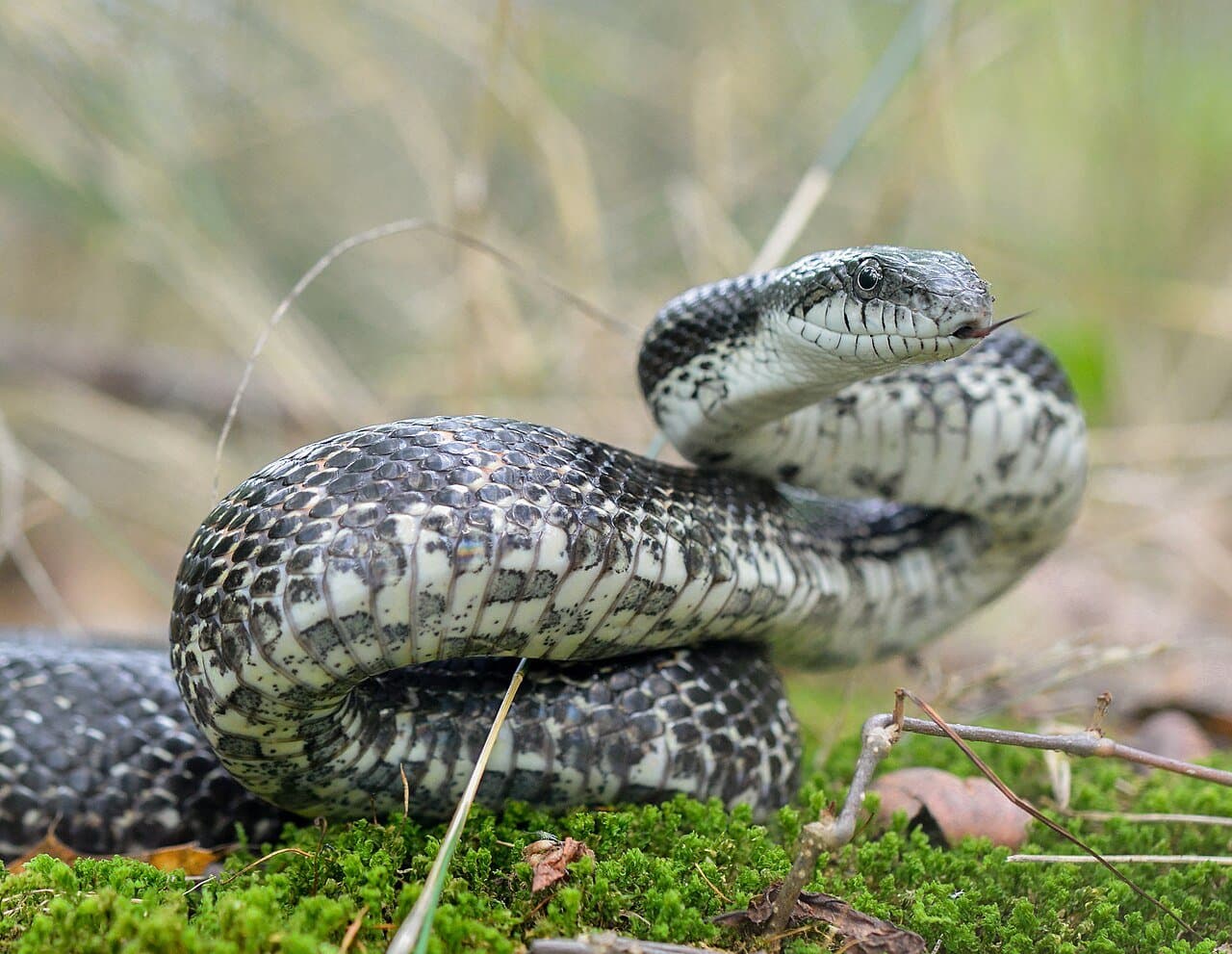 Gray Rat SnakePantherophis spiloidesA harmless, tree-climbing constrictor of the eastern and southeastern United States that eats rodents, birds and eggs.
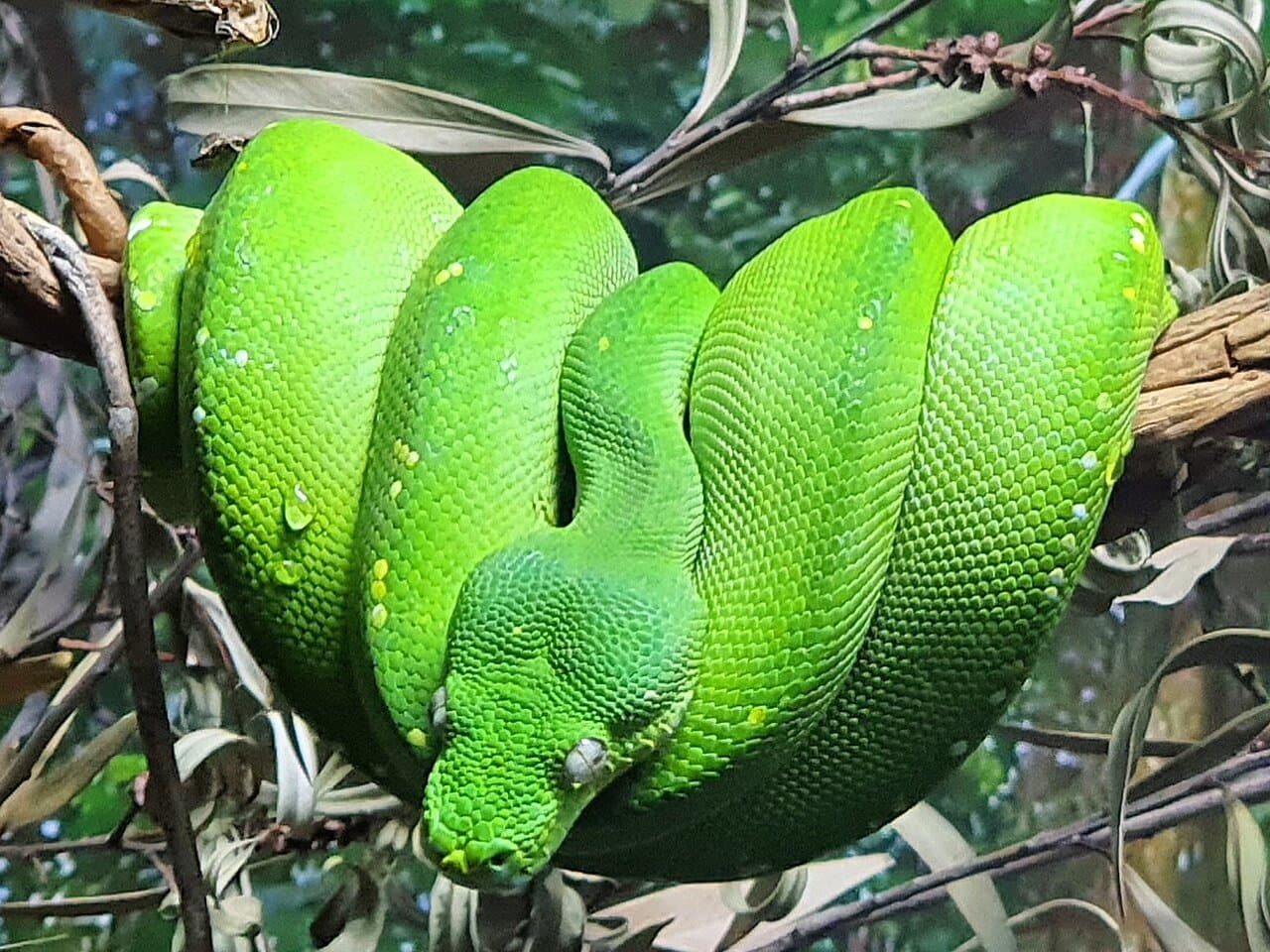 Green Tree PythonMorelia viridisA bright green rainforest python of New Guinea and northern Australia whose babies hatch yellow or red and later turn green.
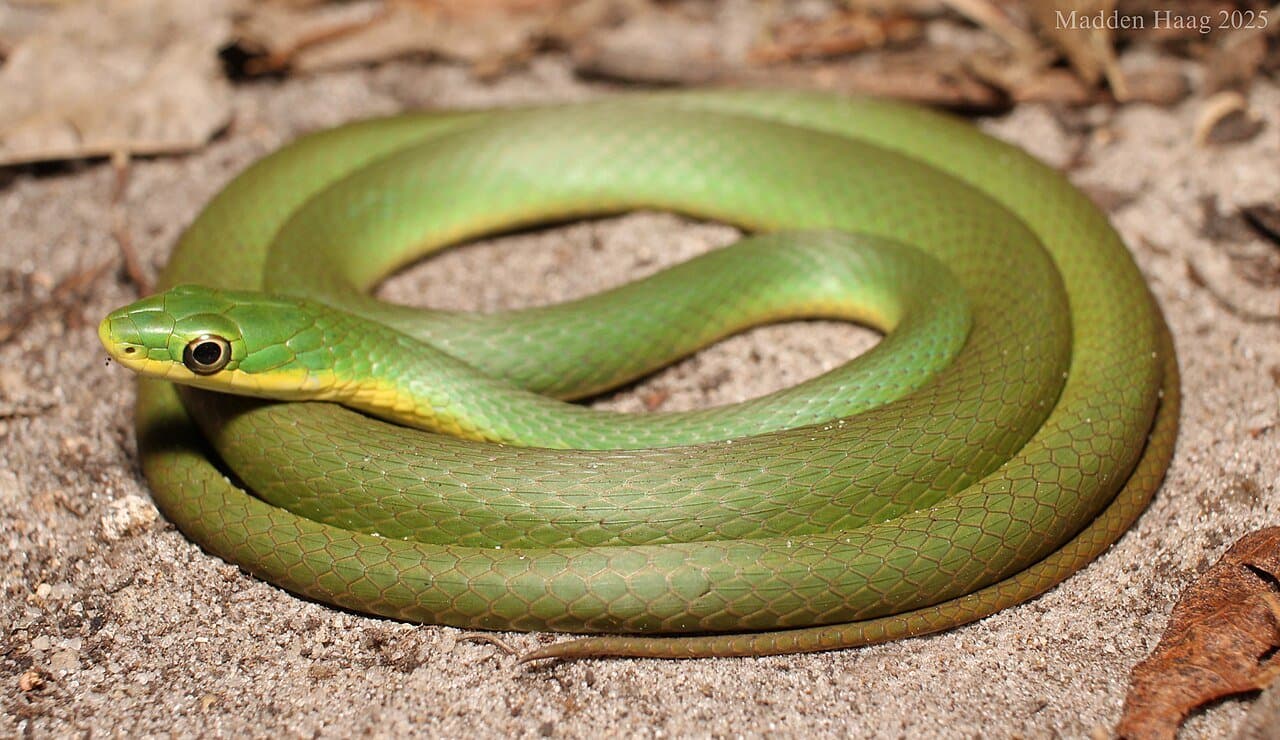 Rough Green SnakeOpheodrys aestivusA slender, harmless green snake of the southeastern United States that lives in shrubs and trees and eats insects and spiders.
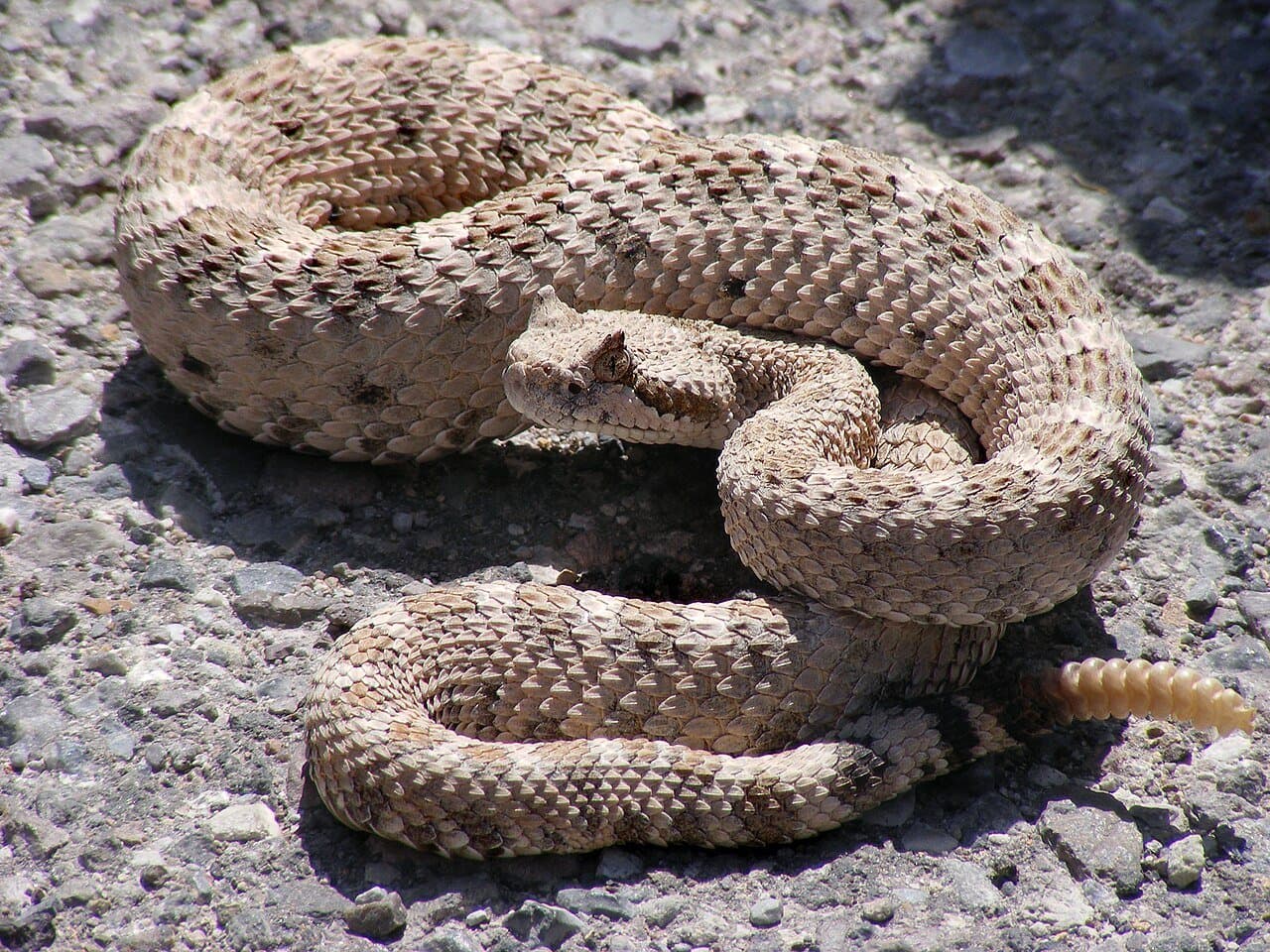 SidewinderCrotalus cerastesA small desert rattlesnake of the southwestern U.S. and Mexico that moves sideways across loose sand, making it the fastest rattlesnake.