
Cochin Chicken
Gallus gallus domesticus
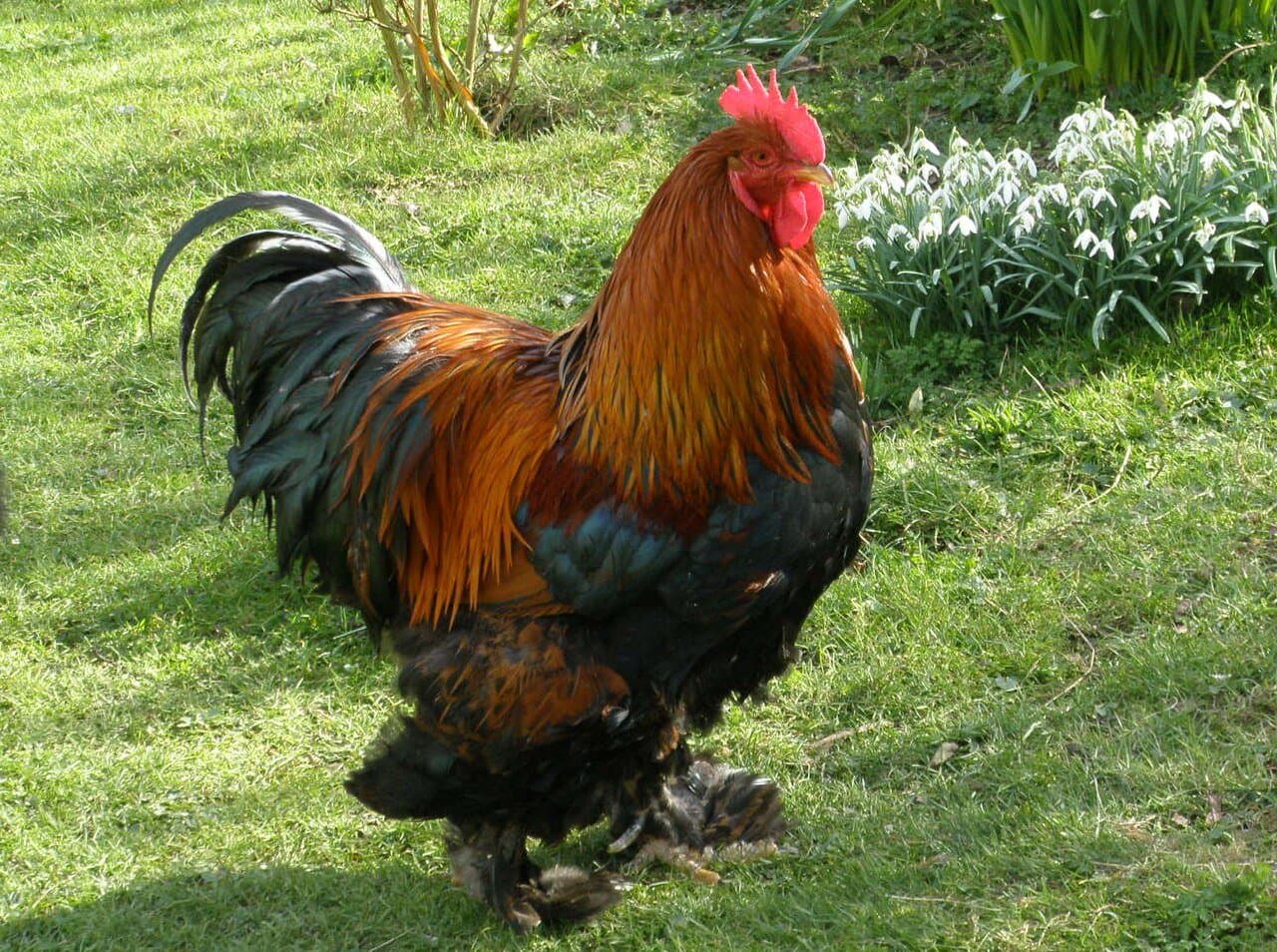
A big, fluffy, calm chicken breed with feathers all the way down its feet.
Checking teacher reviews…
About the Cochin Chicken
Cochin chickens are known for heavy feathering, even on their legs and feet. They usually weigh 7 to 9 pounds, and roosters can reach 12. Their short wings can't carry them far, but they can flutter up to low branches. Cochins come in white, black, blue, buff and other colors. Like other chickens, they eat seeds, insects, worms, greens and even mice.[1]
Quick facts
- Scientific name
- Gallus gallus domesticus[1]
- Weight
- 7 to 9 pounds. Roosters up to 12 pounds.[1]
- Lifespan
- 8 to 10 years.[1]
- Diet
- Omnivore. Seeds, insects, worms, grubs, greens and sometimes mice.[1]
- Habitat
- Farms.[1]
- Group life
- Groups of one rooster and several hens.[1]
- Babies
- About a dozen brown eggs, incubated about three weeks.[1]
- Conservation status
- Domestic breed. Not assessed by the IUCN.[1]
Fun facts
Vocabulary
- breed
- A group of domestic animals with a certain look, developed by people.
- gizzard
- A muscular part of a bird's stomach that grinds food, often with small stones.
- comb
- The red, fleshy crest on top of a chicken's head.
- incubate
- To keep eggs warm until they hatch.
- omnivore
- An animal that eats both plants and other animals.
See it in person
- San Francisco Zoo & GardensSan Francisco, California · BirdsSee this animal on the zoo's website ↗
Sources
- [1] San Francisco Zoo & Gardens. “Cochin Chicken.” https://www.sfzoo.org/cochin-chicken/ (accessed 2026-10-02)
Facts last checked 2026-10-02.
More Farm Animals
 Babydoll Southdown SheepOvis ariesA small, teddy-bear-faced sheep breed from England's South Downs with some of the finest wool of any British breed.
 Bactrian CamelCamelus bactrianus (domestic); wild relative Camelus ferusA two-humped camel of Central Asian deserts, domesticated thousands of years ago as a pack animal that can go a long time without food or water.
 Great CurassowCrax rubraA vulnerable fruit-eating forest bird of Mexico, Central America and northwestern South America.
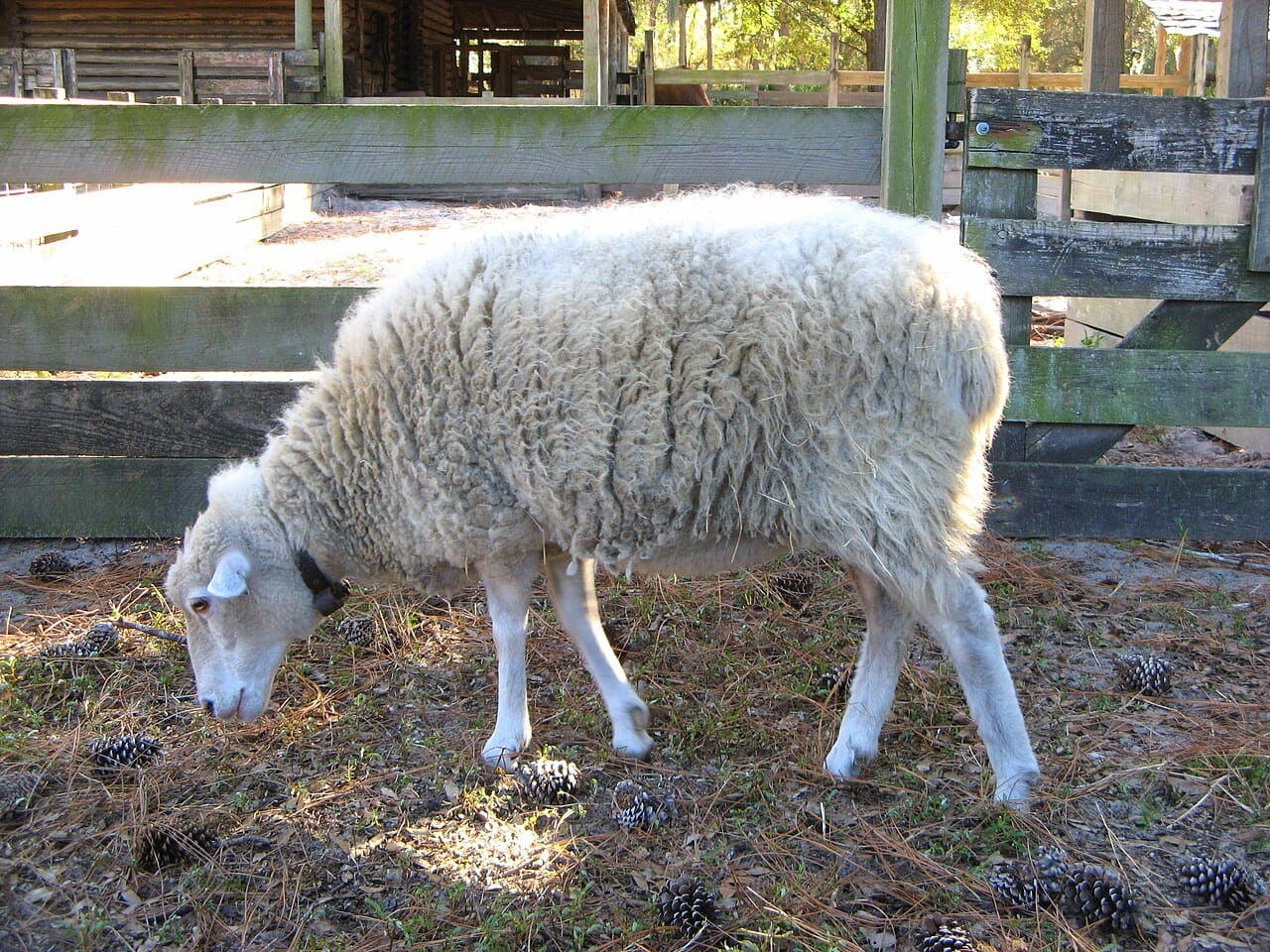 Gulf Coast Native SheepOvis ariesThe oldest type of sheep in the United States, a hardy breed descended from Spanish settlers' flocks that handles heat and humidity well.
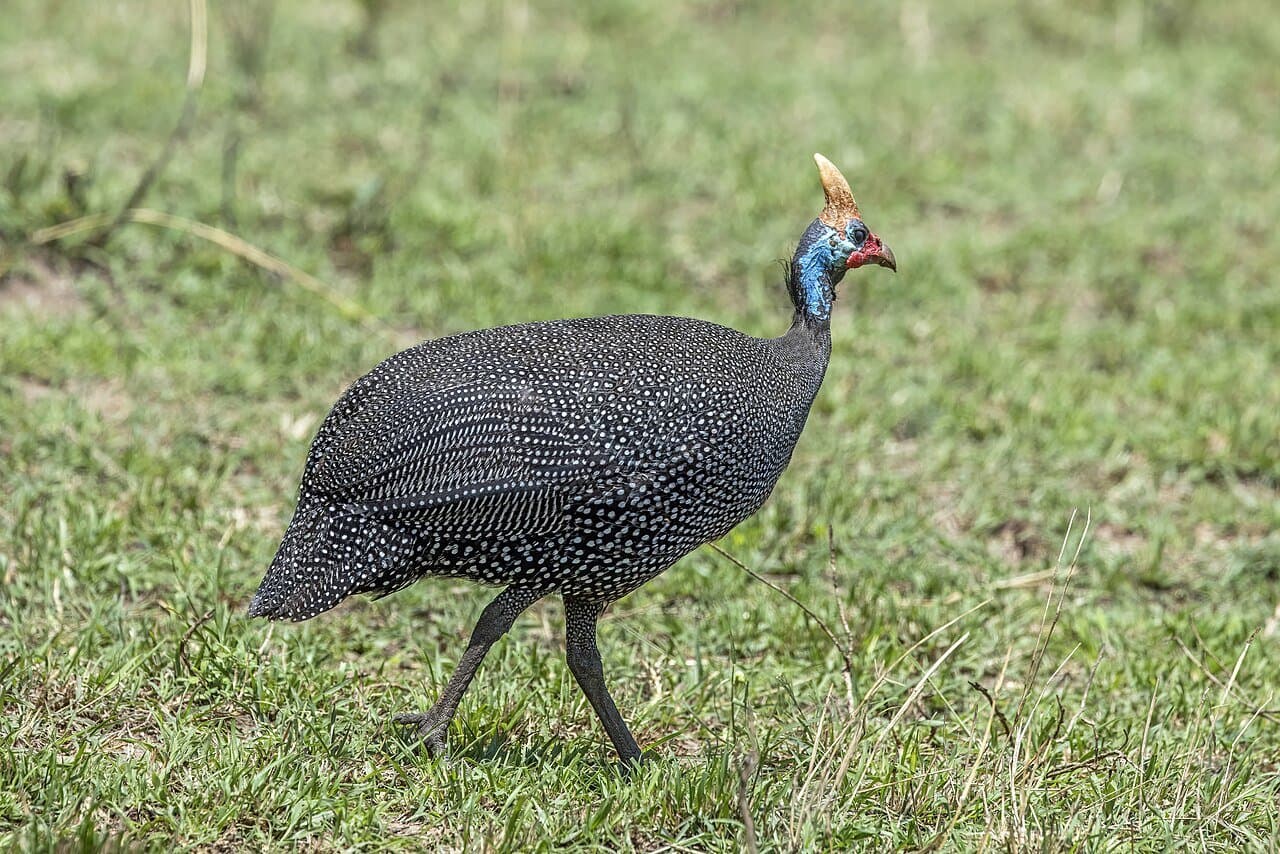 Helmeted GuineafowlNumida meleagrisA spotted African ground bird with a bony helmet on its head that eats insects and ticks and would rather run than fly.
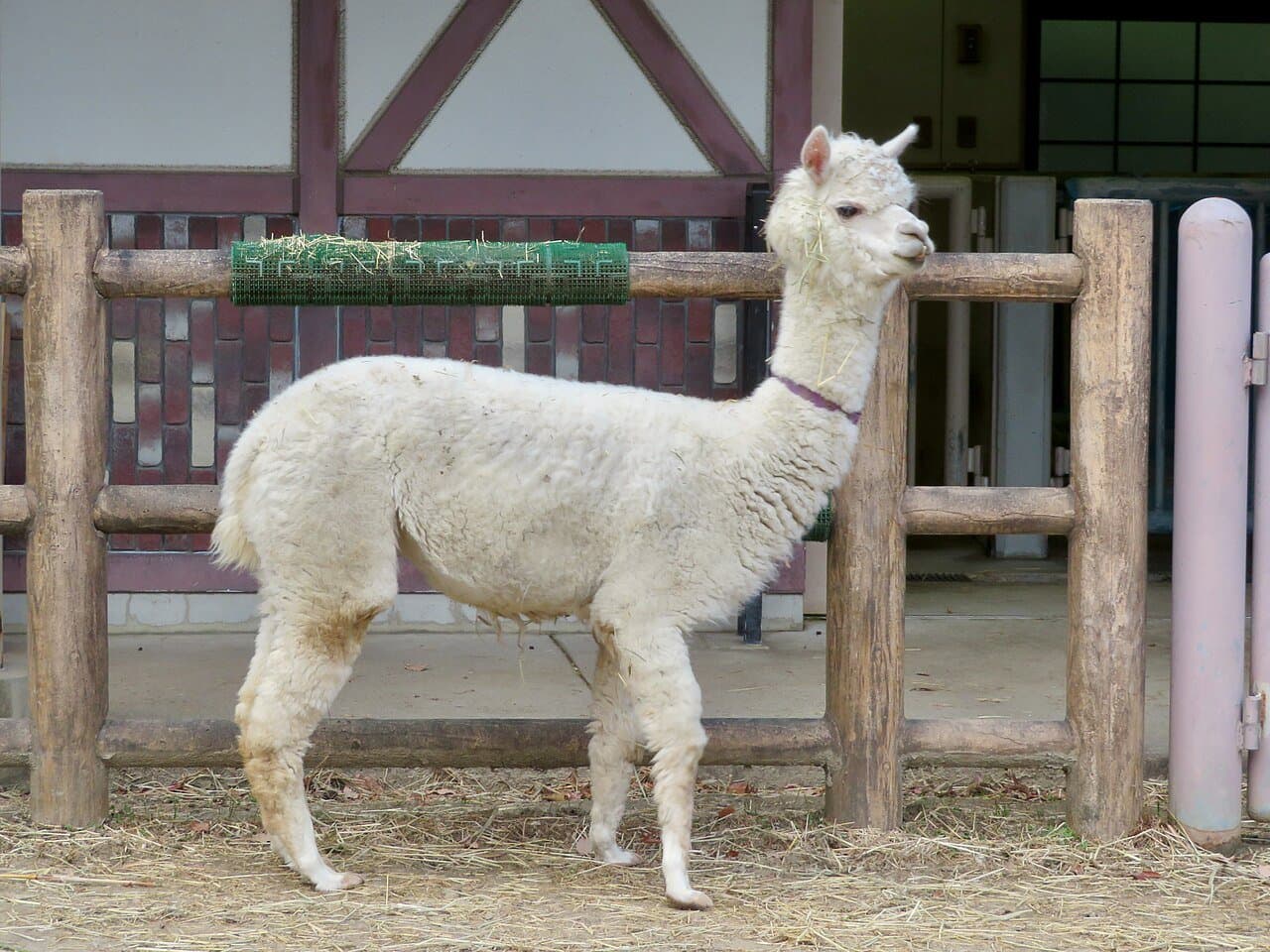 Huacaya AlpacaVicugna pacosA fluffy domestic alpaca first raised by Andean people in Peru more than 6,000 years ago for its soft, warm fleece.
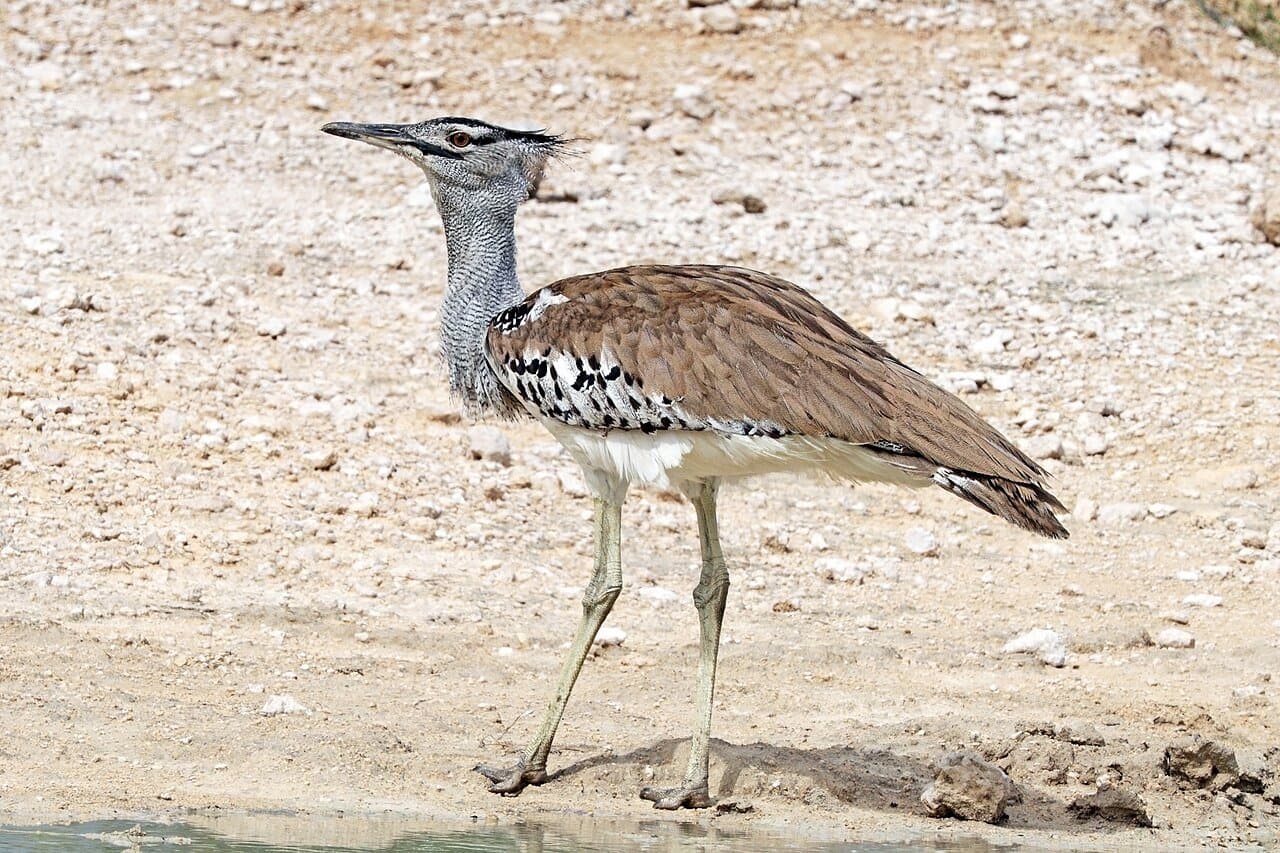 Kori BustardArdeotis koriOne of the world's heaviest flying birds, a ground-walking hunter of African grasslands that puffs up its neck to show off.
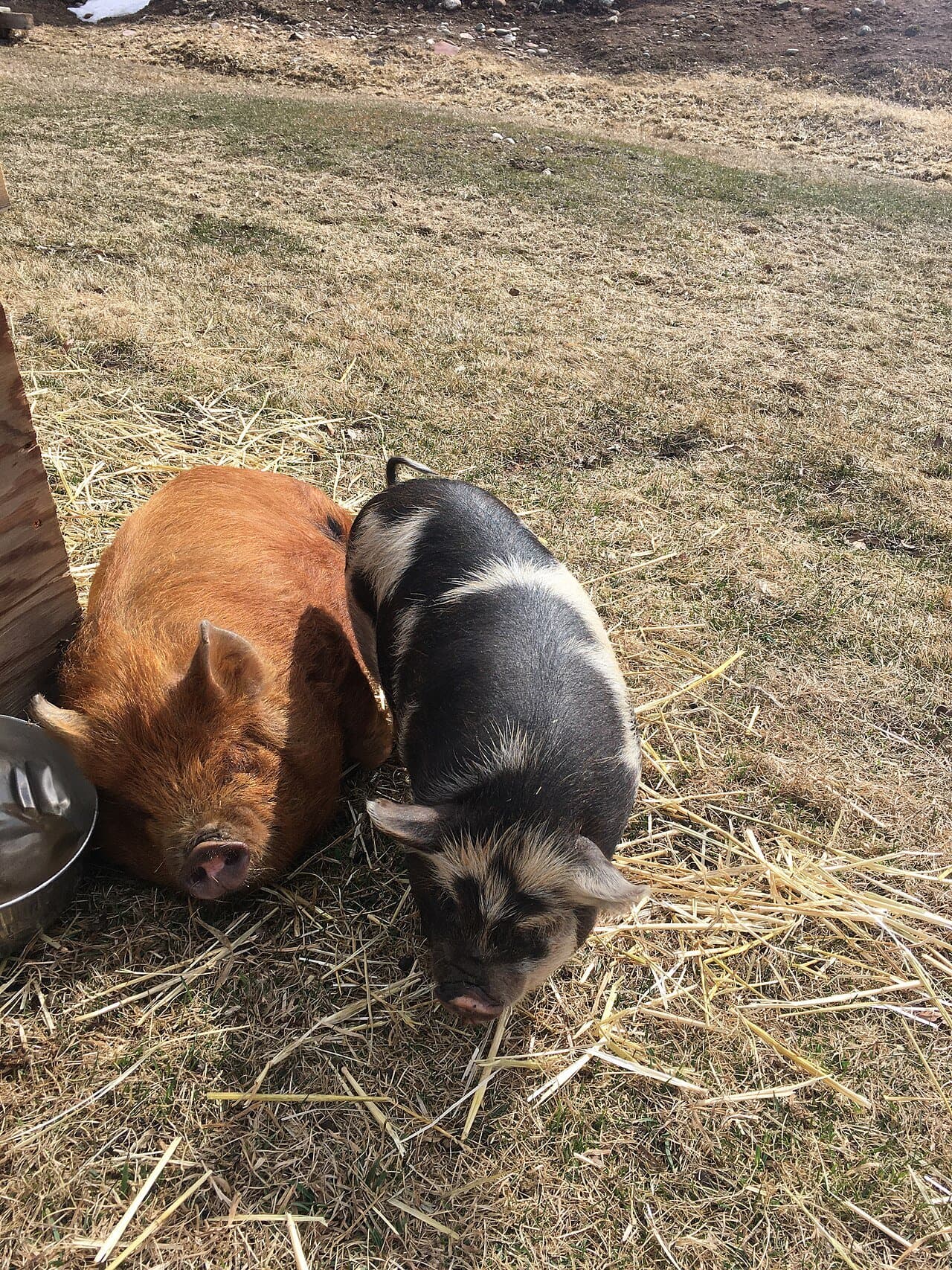 Kunekune PigSus scrofa domesticusA small, round, short-snouted pig breed kept by the Maori people of New Zealand, often with two tassels hanging from its chin.
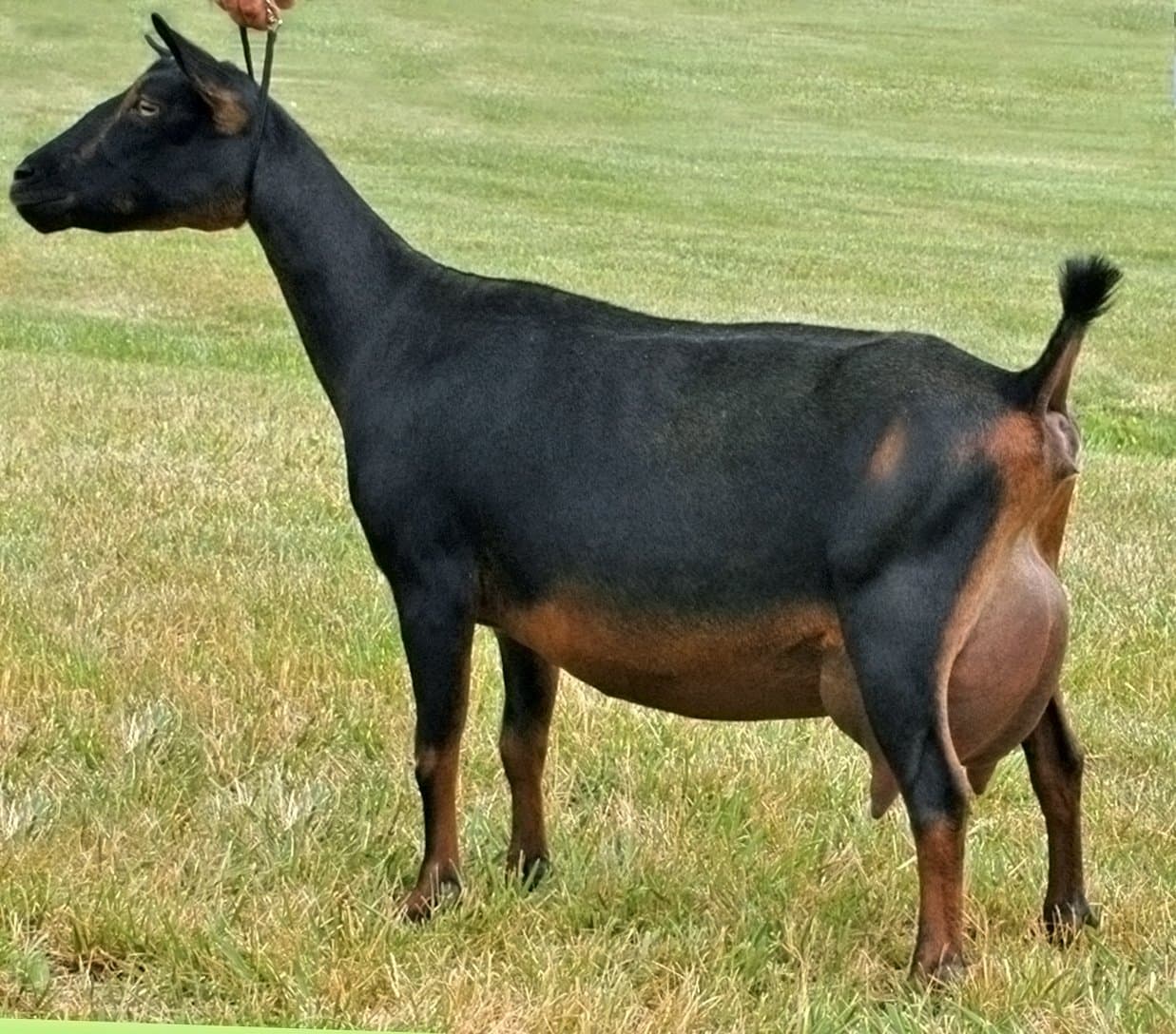 Nigerian Dwarf GoatCapra aegagrus hircusA small, easygoing dairy goat breed of West African ancestry known for rich milk, often born three or four at a time.
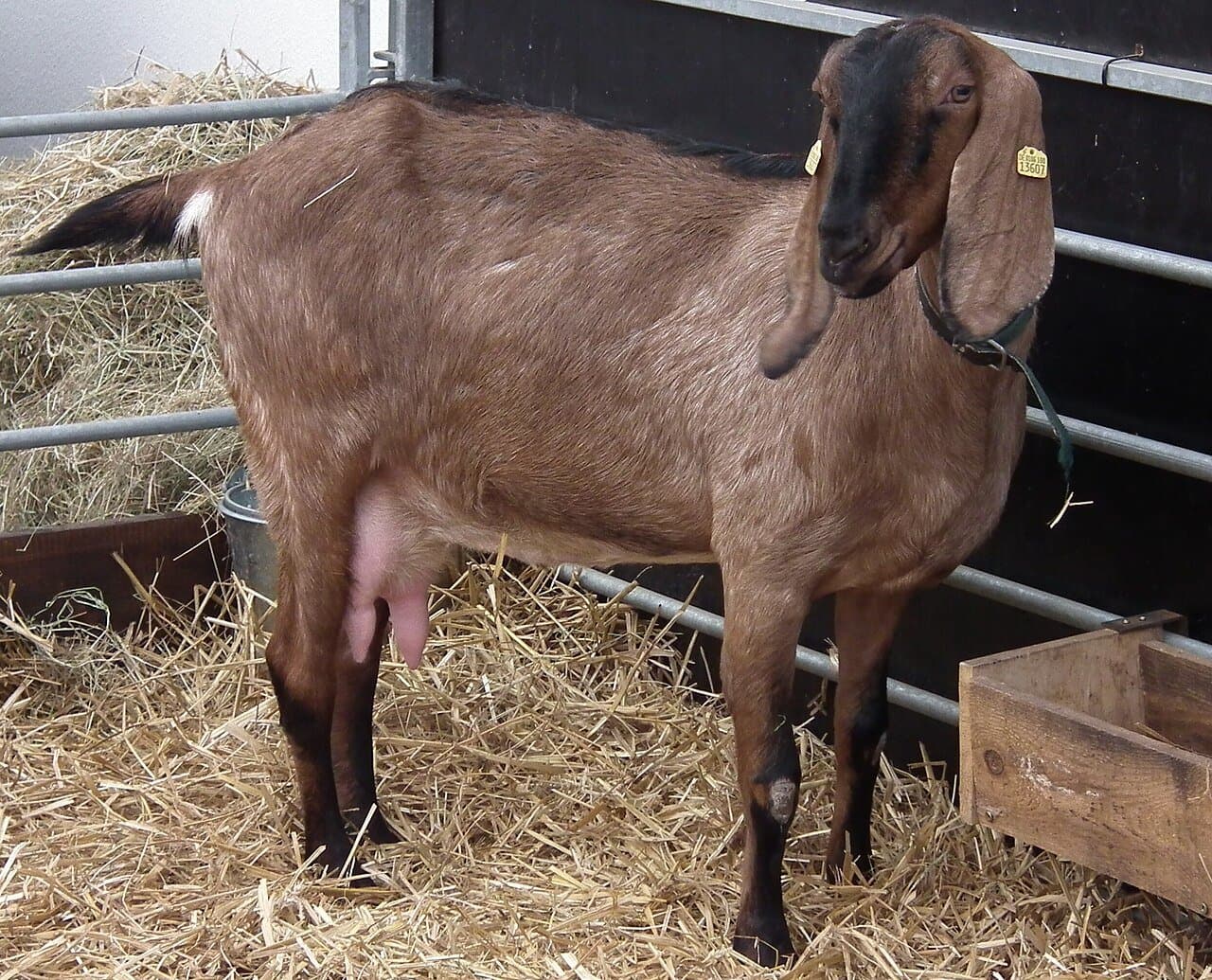 Nubian GoatCapra aegagrus hircusA tall dairy goat breed with long, floppy ears and a rounded nose, developed in England from British, African and Indian goats.
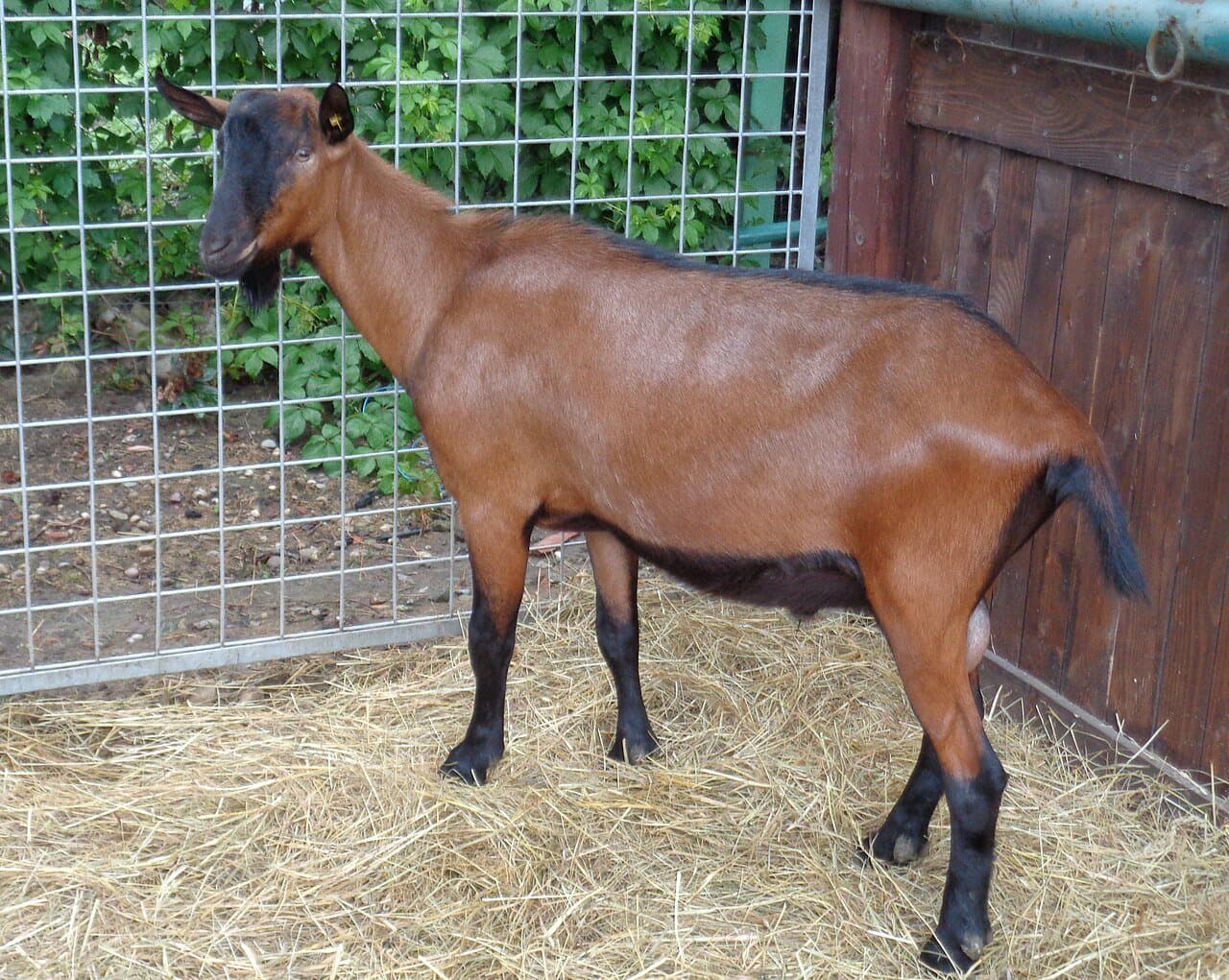 Oberhasli GoatCapra aegagrus hircusA reddish-brown Swiss dairy goat breed with black markings, prized for its milk and its sturdy, fearless nature.
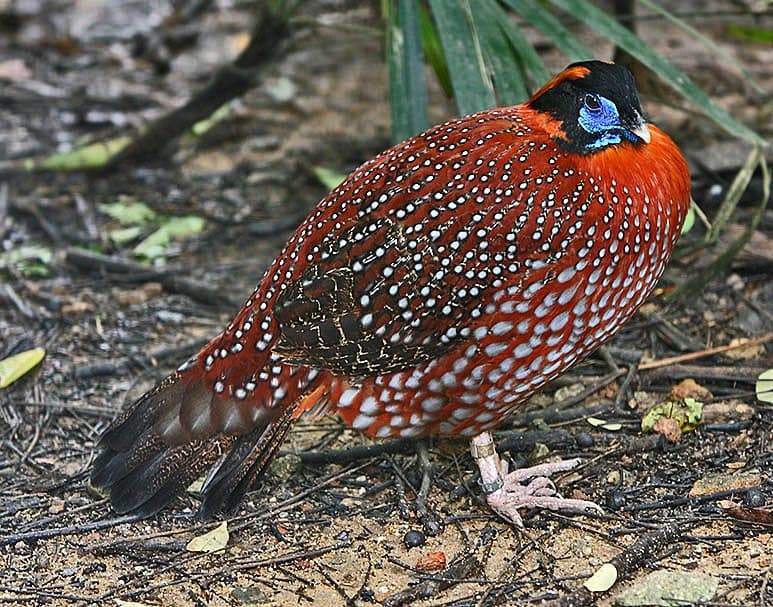 Temminck's TragopanTragopan temminckiiA colorful Asian pheasant whose males puff out a bright blue-and-red throat flap and blue "horns" to court females.